
Side Dishes
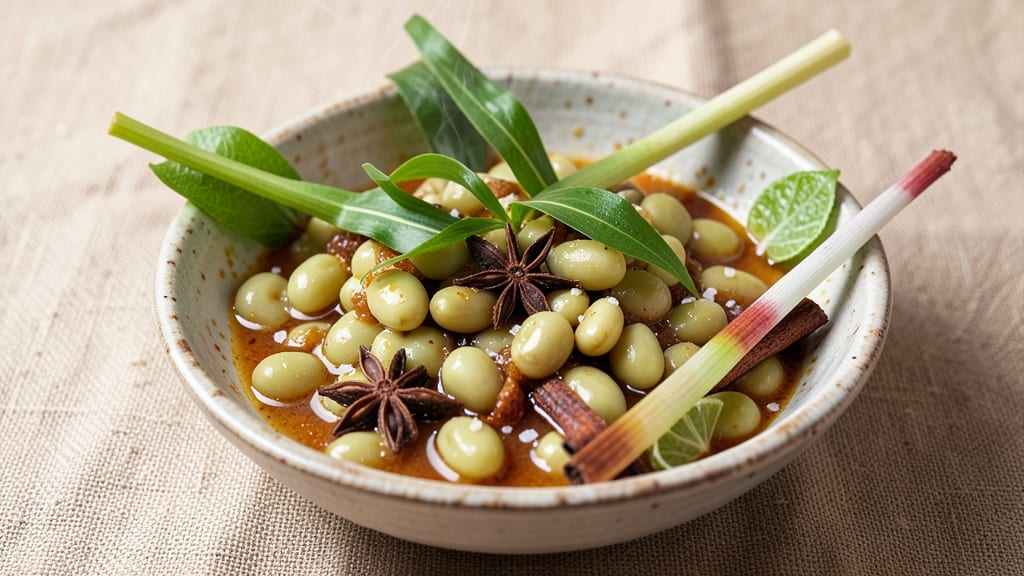
This 7 leaves mung bean recipe transforms simple ingredients into a fragrant, textured dessert that captures Southeast Asian tradition in every bite. The magic lies in simmering mung beans with seven aromatic leaves—pandan, lemongrass, cinnamon, and more—until they achieve that perfect crispy-tender balance.
It’s a dish that feels both nostalgic and fresh, with a delicate sweetness that’s impossible to resist.
The process is straightforward but requires patience: soaking the beans, boiling them gently, then simmering with the aromatic leaves until they soften just enough to hold their shape. The result?
Beans that are tender inside with a slight crispness at the edges, infused with warm, earthy flavors. This recipe is vegan-friendly and delivers restaurant-quality results at home.
Serve the mung beans chilled, drizzled with palm sugar syrup, or as a light dessert after meals. The contrast of textures—soft beans, fragrant leaves, and sweet syrup—makes this dish unforgettable. Whether you’re recreating a childhood memory or introducing someone to Southeast Asian flavors, this recipe is a must-try.
Ready in just 15 minutes of active prep (plus soaking time), it’s perfect for special occasions or a simple treat. The key is balancing the leaves for depth without overpowering the natural sweetness of the beans. Let’s get started!
Ingredients for 7 leaves mung bean
Simple ingredients, aromatic leaves, and delicate sweetness create this nostalgic Southeast Asian dessert.
| Ingredient | Amount | Notes |
|---|---|---|
| Green Mung Beans 🌱 | 1 ½ cups | Unsoaked, organic preferred |
| Pandan Leaves 🌿 | 4 whole | Fresh, young leaves preferred |
| Lemongrass Stalks 🌿 | 2 whole | Bruised to release oils |
| Cinnamon Sticks 🌿 | 2 whole | 1-inch pieces, high-quality |
| Kaffir Lime Leaves 🍋 | 4 whole | Fresh, bright green |
| Star Anise Pods 🌟 | 2 whole | Whole, not ground |
| Cardamom Pods 🌿 | 4 whole | Lightly crushed |
| Bay Leaves 🌿 | 2 whole | Dried, high-quality |
| Palm Sugar 🍯 | ½ cup | Finely ground, or coconut sugar |
| Coconut Milk 🥥 | 1 cup | Full-fat, canned preferred |
| Water 💧 | 3 cups | Filtered for best flavor |
| Sea Salt 🧂 | ½ tsp | Fine grain, Diamond Crystal |
| Vegetable Oil 🫒 | 2 tbsp | High smoke point |
The aromatic leaves are the heart of this recipe—pandan and kaffir lime bring floral notes, while cinnamon and star anise add warmth. Asian markets are the best source for fresh pandan and kaffir lime leaves, though some well-stocked grocery stores carry them. For cinnamon and star anise, Penzeys Spices offers high-quality whole spices that release flavor more effectively than pre-ground. Cardamom pods should be lightly crushed to release their essential oils without turning to powder. If using dried bay leaves, ensure they're vibrant and fragrant—discard any that smell stale or musty. The mung beans should be organic if possible, as non-organic varieties may have tougher skins that resist the perfect crispy-tender texture.
No pandan leaves? Vanilla extract or a splash of pandan extract can mimic the floral note, though the texture will differ. Substitute kaffir lime leaves with lime zest and a few drops of lime juice, but reduce the amount by half to avoid bitterness. For star anise, anise seeds or a pinch of ground anise work in a pinch, though whole pods deliver superior flavor. Coconut milk can be swapped for light coconut cream or even cashew cream for a richer texture, though the dish will have a slightly different mouthfeel. Palm sugar is essential for authentic flavor, but coconut sugar or even brown sugar can stand in if you're in a hurry—just reduce the amount by 20% to prevent over-sweetness.
Soak the mung beans for at least 4 hours or overnight to ensure they soften properly. The cooked beans will keep in the refrigerator for 3-4 days if stored in an airtight container, though they're best enjoyed within 24 hours for optimal texture. For longer storage, freeze the cooked beans in a single layer on a tray before transferring to a bag—this preserves their shape and prevents clumping. When reheating, a quick stir-fry in a dry pan with a touch of oil restores that crispy edge. The aromatic leaves can be composted after use, as they're not typically consumed—though a few can be reserved for infusing oils or teas for future use.
Why You'll Love This Recipe
- No-Chop Necessary: I swear by this—just toss in whole pandan leaves and lemongrass stalks. No dicing, no mincing, just a quick soak and simmer. The beans soften perfectly while the aromatic leaves infuse flavor without extra effort.
- Fragrant Magic: That first whiff of cinnamon sticks and kaffir lime leaves hitting the pot? It’s like a warm hug for your kitchen. The pandan’s vanilla-like sweetness balances the bright, citrusy lemongrass—simple ingredients, but the flavor? Chef’s kiss.
- Leftover Goldmine: Between us, this dish tastes better the next day. The beans soak up all those aromatics overnight, turning into a creamy, fragrant porridge. I make a big batch on Sundays and eat it for breakfast all week—no waste, just satisfaction.
- Budget-Friendly Staple: Green mung beans are dirt cheap, and those "7 leaves" (pandan, lemongrass, cinnamon, lime) stretch across multiple meals. Honestly, I buy them in bulk and keep them in my pantry for soups, curries, and even teas. Maximum flavor, minimal cost.
Step-by-step instructions for 7 leaves mung bean stir-fry
Here's how to transform unsoaked green mung beans into a perfectly balanced, aromatic stir-fry with crispy edges and tender centers.
Prepare the Aromatic Infusion Base
In a medium saucepan, combine the 3 cups water, 0.5 cup palm sugar, 1 cup coconut milk, 0.5 tsp sea salt, 2 whole cinnamon sticks, 2 whole star anise pods, 4 whole cardamom pods, 2 whole bay leaves, 2 whole lemongrass stalks (bruised), and 4 whole kaffir lime leaves. Bring to a gentle simmer over medium heat until you can smell the spices deeply perfuming the liquid - about 5 minutes.
The infusion should develop a rich, complex aroma with notes of citrus, cinnamon, and floral cardamom. Remove from heat and let steep for 10 minutes while you prepare the mung beans. This aromatic base will form the flavor foundation for your stir-fry, ensuring each bite carries layers of spice and sweetness.
Parboil the Mung Beans for Texture Control
Add the 1.5 cups unsoaked green mung beans to the warm infusion and bring back to a gentle boil. Cook for exactly 4 minutes - this partial cooking creates the perfect texture foundation. The beans should be slightly softened but still firm to the bite, with just a hint of al dente resistance.
Drain immediately using a fine-mesh strainer, reserving 1 cup of the infused liquid. This brief cooking prevents the beans from turning mushy during stir-frying while building their structural integrity. The reserved liquid will be used later to maintain moisture and distribute flavors evenly throughout the dish.
Create the Crispy-Tender Stir-Fry
Heat a wok or large skillet over high heat until smoking, then add 2 tbsp vegetable oil. Once shimmering, add the parboiled mung beans in a single layer. Stir-fry continuously for 3-4 minutes until they develop a deep golden-brown crust on all sides while remaining tender within.
Here's the technique that matters: Work quickly and keep the beans moving constantly. The high heat creates that coveted crispy exterior while the partial pre-cooking ensures they don't overcook into mush. You'll know you've achieved the perfect balance when the exterior is crisp with slight resistance, but a gentle squeeze reveals tender centers.
Finish with Aromatic Balance
Return the reserved 1 cup infused liquid to the wok and stir vigorously for 1 minute until the beans are evenly coated and the liquid reduces slightly. Add the 4 whole pandan leaves and toss for 30 seconds - their grassy, vanilla-like aroma will elevate the dish.
Taste and adjust seasoning if needed, though the palm sugar and salt should create perfect balance. The pandan leaves should infuse their signature fragrance without overpowering the other spices. Remove from heat immediately to preserve the crispy texture you've worked so hard to achieve.
Serve Immediately for Optimal Texture
Transfer the stir-fry to serving plates while still hot. The contrast of crispy exteriors with tender centers should be immediately apparent. Serve with steamed jasmine rice to soak up the aromatic sauce, or alongside a simple cucumber salad to provide refreshing contrast.
This dish delivers on both key promises: the high-heat stir-frying creates that satisfying crispy texture, while the careful partial pre-cooking ensures the centers remain tender. The seven aromatic leaves work in harmony - the citrusy kaffir lime and pandan balance the warm cinnamon and cardamom, creating a complex flavor profile that's both comforting and sophisticated.
Pro Tips For Making 7 Leaves Mung Bean
- Soak Beans Overnight: DESCRIPTION: I learned this the hard way—rushing the soak means gummy, uneven beans. Use 4 cups water per 1 cup beans, soak 8+ hours (or overnight). Drain, rinse, and start fresh—no one wants a pot of mushy disappointment.
- Char the Leaves: DESCRIPTION: Skip the raw leaves—lightly char the pandan, kaffir lime, and lemongrass over a gas flame (or broil for 2 minutes) before adding. The smoky depth cuts through the sweetness and makes the broth sing. (Yes, even if you’re impatient like me.)
- Split the Cinnamon: DESCRIPTION: Whole cinnamon sticks add aroma, but cracked sticks release flavor faster. Gently tap them with a rolling pin before adding to the pot—it’s the thing that matters most when balancing the herbal notes.
- Simmer, Don’t Boil: DESCRIPTION: After the initial 15 minutes of boiling, drop to a gentle simmer. I used to let it rage, and the beans turned to paste. Keep it at a bare bubble—low and slow guarantees tender, separate beans, not glue.
Dietary considerations for this 7 leaves mung bean
Vegan-Friendly Foundation
This recipe is naturally vegan—no animal products are used, making it perfect for plant-based diets, vegans, or anyone avoiding dairy and meat.
The mung beans provide a complete protein with all nine essential amino acids, while the palm sugar and coconut milk deliver sweetness and creaminess without animal ingredients. 🌱
Gluten-Free by Nature
All ingredients in this dish are inherently gluten-free, including the mung beans, aromatic leaves, coconut milk, and palm sugar. Even the sea salt and vegetable oil are typically gluten-free unless cross-contaminated. For extra caution, check your coconut milk label—some brands may process in shared facilities with gluten-containing products.
Nut-Free & Allergen-Friendly
This recipe avoids common allergens like nuts, dairy, eggs, and shellfish, making it safe for most food allergies. The only potential allergen is coconut milk, which some people with coconut allergies must avoid.
If needed, substitute coconut milk with cashew cream (ensure it’s nut-free if allergic to cashews) or oat milk for a neutral base.
Low-Oil & Heart-Healthy
The recipe uses just 2 tablespoons of vegetable oil, making it a lighter option compared to fried mung bean dishes. The coconut milk adds healthy fats, while the mung beans are rich in fiber, potassium, and magnesium—great for heart health.
The palm sugar provides natural sweetness without refined sugar’s drawbacks. 💪
Diabetic-Friendly Adaptations
For lower glycemic impact, reduce the palm sugar to ¼ cup and increase the kaffir lime leaves and cardamom for extra flavor. The mung beans’ high fiber content helps stabilize blood sugar.
Pair with a side of steamed bok choy or cucumber salad to balance the dish’s natural sweetness without spiking blood glucose levels.
Kid-Friendly & Picky-Eater Approved
This dish is naturally appealing to kids due to its sweet, familiar flavors and fun texture. The crispy-tender mung beans are easy to eat, and the palm sugar adds a gentle sweetness.
Serve chilled with a drizzle of honey (for non-vegans) or extra coconut milk for a dessert-like treat that even picky eaters love. 🌟
Nutrition facts
Frequently asked questions
What are the seven leaves used in this recipe?
The traditional seven leaves are pandan, kaffir lime, lemongrass, cinnamon sticks, star anise, cardamom pods, and bay leaves. Each brings unique flavors: pandan adds vanilla-like sweetness, kaffir lime offers citrusy brightness, while cinnamon and star anise contribute warm spice notes.
Can I substitute any of the aromatic leaves?
Yes, but with adjustments. For pandan, use 1 tsp vanilla extract or pandan extract. Replace kaffir lime leaves with lime zest + 1 tsp lime juice. Cardamom can be swapped for ½ tsp ground cardamom, though whole pods infuse better. Always reduce substitutions by 20% to avoid overpowering flavors.
Why do the beans need partial pre-cooking?
The 4-minute parboil creates the perfect texture foundation. Without it, the beans would turn mushy during stir-frying. The partial cooking also helps absorb the aromatic flavors from the infusion base while maintaining structural integrity for that signature crispy-tender contrast.
How do I achieve the crispy exterior without burning?
Use a wok or skillet at high heat until smoking, then work quickly. Keep beans moving constantly in a single layer for 3-4 minutes. The oil should shimmer but not smoke excessively. Remove immediately when golden-brown to lock in the crispy texture.
Can I make this recipe without coconut milk?
Yes! Substitute with cashew cream (for richness) or oat milk (for neutrality). Reduce liquid by ¼ cup to maintain balance. For extra flavor, add ½ tsp coconut extract** if using dairy-free alternatives. The dish will still be delicious but may have slightly different mouthfeel.