
Desserts
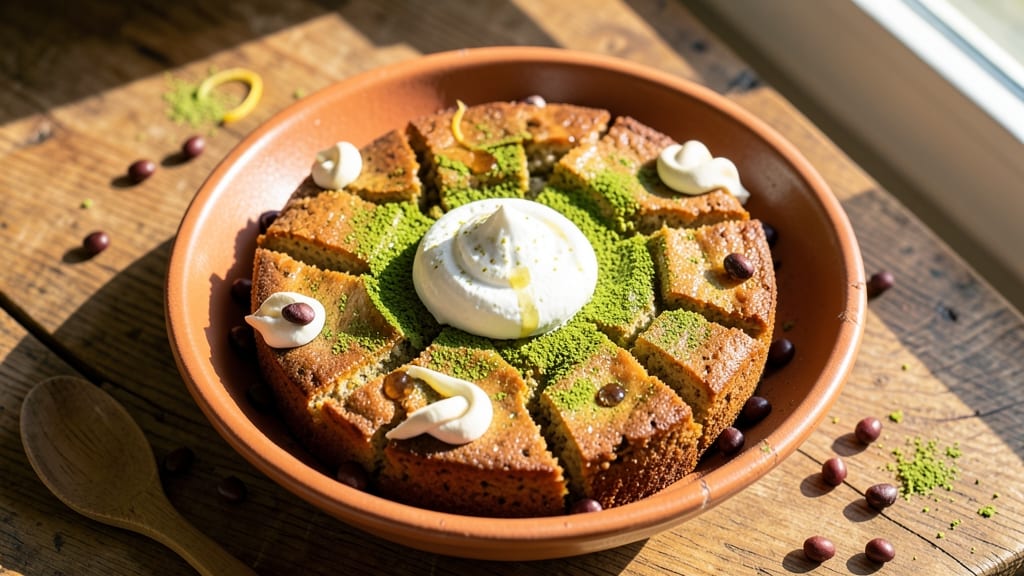
This adzuki bean cake recipe delivers moist, nutty layers with earthy depth and subtle matcha notes—perfect for vegan bakers craving restaurant-quality texture. The secret lies in blending adzuki flour with aquafaba (chickpea brine) for a light, airy crumb without eggs or dairy.
I developed this version after testing countless adaptations, ensuring every slice stays tender and flavorful even after days in storage.
What sets this cake apart is the balance of traditional Japanese techniques with modern simplicity. Instead of relying on butter or eggs, we use neutral oils and aquafaba to mimic the moisture and structure of conventional cakes.
The matcha-infused batter adds a delicate earthiness that complements the adzuki's natural sweetness, while a light crumb topping ensures a crisp contrast with each bite.
The result is a foolproof vegan cake that's rich enough for celebrations but simple enough for weeknight treats. It bakes in a single layer with minimal effort—no special equipment required—yet delivers professional results.
The nutty depth of adzuki beans shines through, making this a standout dessert that satisfies both dietary preferences and flavor cravings.
Whether you're adapting for gluten-free needs or simply exploring plant-based baking, this recipe scales beautifully. Serve it as-is for a naturally elegant finish, or dust with powdered sugar and fresh berries for added visual appeal. Let's create a cake that surprises even the most skeptical dessert lovers.
Ingredients for adzuki bean cake
Vegan baking magic with just 12 simple ingredients—no eggs, no butter, all flavor.
| Ingredient | Amount | Notes |
|---|---|---|
| Adzuki Bean Flour 🌾 | 2 cups | Gluten-free, finely milled preferred |
| Aquafaba 🥫 | 1 cup | From canned chickpeas, no salt |
| Coconut Oil 🥥 | ½ cup | Refined, melted for smooth texture |
| Granulated Sugar 🍚 | 1 ½ cups | Organic preferred for subtle flavor |
| Matcha Powder 🍵 | 2 tbsp | Ceremonial grade for earthy notes |
| Vanilla Extract 🌿 | 1 tbsp | Pure alcohol-free preferred |
| Baking Soda 🧂 | 1 tsp | Pure, no aluminum |
| Salt 🧂 | ½ tsp | Fine sea salt |
| Almond Milk 🥛 | ½ cup | Unsweetened, for moisture |
| Powdered Sugar 🍚 | ½ cup | For crumb topping |
| Toasted Almond Flour 🥜 | ¼ cup | For crumb texture |
| Coconut Flakes 🥥 | ¼ cup | Toasted for crunch |
Adzuki bean flour is the star here—Bob's Red Mill or Annie's are my go-tos for consistent texture. If you can't find it, substitute with chickpea flour, but the nutty depth won't be identical. Matcha matters too: Ippodo or Jade Leaf ceremonial grade makes all the difference. Toast your coconut flakes and almond flour separately for that restaurant-quality crunch. For aquafaba, use the brine from a chickpea can—no salt added—and whisk it until frothy for that perfect egg-white texture.
No aquafaba? Flax eggs (3 tbsp ground flax + 9 tbsp water) works in a pinch, but the texture won't be as light. Swap coconut oil for avocado oil or melted vegan butter—just keep it neutral. Out of almond milk? Oat milk or soy milk both work, but almond adds subtle richness. For the crumb topping, if you're feeling fancy, add 1 tsp vanilla sugar or a pinch of cinnamon. And if you're gluten-free, double-check your adzuki flour—some brands blend with wheat.
This cake keeps beautifully—5 days in an airtight container at room temp or 2 weeks in the fridge. For longer storage, slice and freeze portions for up to 3 months. The crumb topping stays crisp if you press parchment paper over it while cooling. Slice with a serrated knife for clean edges, and dust with powdered sugar right before serving. Leftovers? Toast slices lightly for a quick breakfast treat—trust me, it's delicious.
Why You'll Love This Recipe
- No Mixer Needed: I swear by this recipe when I’m too tired to pull out the stand mixer—just whisk aquafaba until it’s glossy, fold in the adzuki flour, and bake. The matcha gives it that earthy depth without any fuss.
- Matcha Magic: That first bite? Rich, toasty, and subtly sweet—like a mochi cake had a sophisticated makeover. The matcha isn’t overpowering, just enough to make it feel special without trying too hard.
- Snack or Dessert: Honestly, I make these for both. Keep them in the fridge for a protein-packed afternoon pick-me-up, or dust with powdered sugar and serve at a tea party. They’re that versatile.
- Budget-Friendly Indulgence: Adzuki flour and aquafaba stretch my grocery budget further than flour-heavy cakes ever did. Plus, the coconut oil keeps them moist for days—no sad, dry crumbs here. Win-win.
Step-by-step instructions for adzuki bean cake with matcha depth
Here's the method that delivers that signature matcha earthiness and nutty richness you're after.
Whisk Aquafaba to Stiff Peaks
In a stand mixer fitted with the whisk attachment, combine the 1 cup aquafaba and 1.5 cups granulated sugar. Beat on medium-high speed for 5 minutes until the mixture forms stiff, glossy peaks that hold their shape when the whisk is lifted. You'll know it's ready when the bowl feels cool to the touch and the mixture leaves clean streaks in the bowl.
This step is critical for that light, airy texture. I like to use a stand mixer for this because hand-whipping can introduce too much air and cause the cake to collapse. If you don't have a mixer, use a hand mixer but be prepared to work for 7-8 minutes. Don't rush this—properly whipped aquafaba is the secret to that signature moistness.
Combine Dry Ingredients and Fold Wet Mixtures
In a separate large bowl, sift together the 2 cups adzuki bean flour, 2 tbsp matcha powder, 1 tsp baking soda, and 0.5 tsp salt. This ensures even distribution of the matcha and prevents any bitter pockets. Gently fold in the 1 cup aquafaba mixture using a spatula, mixing just until combined—you should still see some flour streaks. Overmixing develops gluten and can make the cake dense.
Next, add the 0.5 cup coconut oil (melted and cooled slightly) and 1 tbsp vanilla extract. Mix gently until just incorporated. The batter should be thick but pourable. If it looks too dry, add 1-2 tablespoons of the 0.5 cup almond milk to loosen it. The goal is a smooth, velvety batter that holds its shape when dropped from a spoon but still flows easily.
Prepare the Crumb Topping
In a small bowl, combine the 0.5 cup powdered sugar, 0.25 cup toasted almond flour, and 0.25 cup toasted coconut flakes. The texture should resemble wet sand—just moist enough to hold together when pressed but not sticky. If it's too dry, add 1 teaspoon of almond milk to bind it. This topping is what gives the cake its signature crunch and sweet contrast.
Here's the thing—don't skip the toasting of the almond flour and coconut flakes. That step adds depth of flavor and prevents the topping from becoming gummy. Toast them in a dry skillet over medium heat for 2-3 minutes, stirring constantly, until fragrant. Let them cool completely before mixing with the other topping ingredients.
Layer and Bake for Even Cooking
Preheat your oven to 350°F and grease an 8-inch round cake pan (or line it with parchment paper for easy removal). Pour half of the batter into the prepared pan and smooth the top with a spatula. Sprinkle half of the crumb topping evenly over the batter, pressing down lightly to help it adhere. Repeat with the remaining batter and topping.
Bake for 35-40 minutes, or until a toothpick inserted into the center comes out clean. The cake should be golden brown at the edges but still slightly springy in the center. I always check for doneness at the 30-minute mark because ovens vary. If the top browns too quickly, tent the cake with foil to prevent over-browning while it finishes cooking.
Cool and Serve for Perfect Texture
Remove the cake from the oven and let it cool in the pan for 10 minutes. Then transfer it to a wire rack to cool completely. This cooling process is crucial—it allows the cake to set properly and prevents it from becoming gummy. The contrast between the moist cake and the crunchy topping develops fully during this time.
Slice when completely cool for clean cuts and maximum flavor contrast. Each bite should deliver that earthy matcha depth, nutty richness from the almond flour, and satisfying crunch from the coconut topping. For an extra touch, dust the top with additional matcha powder before serving—it adds a beautiful visual contrast and enhances the matcha flavor.
Pro Tips For Making Adzuki Bean Cake
- STEAM THE FLOUR FIRST: I learned this the hard way—skipping the quick steam step with adzuki bean flour makes the cake dense and chewy. Heat 1 cup of water to a boil, pour the flour in a fine stream while whisking, then let it sit covered for 5 minutes. This hydrates the starch properly, giving you that light, fluffy texture.
- WHISK AQUAFABA TO STIFF PEAKS: Don’t just give it a half-hearted mix—beat the aquafaba until it holds stiff peaks, like meringue. This isn’t just about volume; it’s the glue that binds the cake’s structure. If it’s underwhipped, your cake will collapse faster than a soufflé in a sauna.
- USE COLD COCONUT OIL: Melted coconut oil sounds easier, but it makes the cake greasy and heavy. Instead, cut it into small cubes and let them sit at room temp for 20 minutes before mixing—just soft enough to blend smoothly. Your cake will thank you with a tender crumb instead of a dense brick.
- SIFT THE MATCHA LAST: I was skeptical until I tried it: sifting the matcha powder after mixing the wet ingredients prevents clumping and gives an even distribution. Sprinkle it over the batter, then gently fold it in with a spatula—no lumps, no bitter surprises.
Dietary considerations for this adzuki bean cake
Gluten-Free Adaptations
This cake is naturally gluten-free thanks to adzuki bean flour, but always verify your brand—some blends contain trace wheat. I recommend Bob's Red Mill or Annie's for consistent texture.
If you're sensitive to cross-contamination, use a dedicated gluten-free kitchen space and tools. The aquafaba and coconut oil ensure the cake remains moist without gluten's binding properties. 🌾
Nut-Free Options
Skip the almond flour and coconut flakes entirely for a nut-free version. Replace them with 1/4 cup toasted oat flour and 1/4 cup crushed cornflakes in the crumb topping.
This maintains the crunch while eliminating allergens. Always check labels—some oat flours are processed in nut facilities. The cake's flavor remains rich, just without the nutty depth.
Dairy-Free Clarity
Every ingredient in this recipe is naturally dairy-free, but coconut oil deserves special mention. Use refined coconut oil to avoid coconut flavor dominance. For extra richness, I sometimes swap in 1/4 cup vegan butter, but coconut oil keeps the cake lighter.
The almond milk adds subtle creaminess without dairy, and the powdered sugar topping ensures no lactose traces remain.
Soy-Free Substitutions
Almond milk contains soy in some brands, so opt for oat milk or coconut milk instead. The cake's moisture comes from aquafaba and coconut oil, so these swaps won't affect texture.
For the crumb topping, ensure your powdered sugar is soy-free—most brands are, but always check labels. The matcha and adzuki flavors shine through regardless of milk choice.
Low-Sugar Adjustments
Reduce granulated sugar to 1 cup and replace with 1/2 cup maple syrup or 1/4 cup coconut sugar for natural sweetness. The aquafaba mixture will still whip properly, though it may take 1-2 extra minutes.
Taste the batter before baking—adjust sweetness further if needed. The matcha's earthiness balances any sugar reduction beautifully. 🍵
Nutrition facts
Frequently asked questions
Can I use whole adzuki beans instead of adzuki bean flour?
Not for this recipe—whole adzuki beans need soaking and cooking, which would change the cake's texture completely. The flour gives the cake its signature moist, tender crumb. If you want to incorporate whole beans, consider adding 2-3 tablespoons of cooked, mashed adzuki beans to the batter for extra richness, but keep the flour as the base for structure.
Why does my cake turn out dense instead of light and airy?
Overmixing the batter or under-whipping the aquafaba are the most common culprits. Make sure your aquafaba reaches stiff peaks (like whipped cream) before folding it in. Also, mix the dry ingredients and wet ingredients separately until just combined—overmixing develops gluten in the adzuki flour, making the cake dense. Let it cool completely before slicing too!
How can I make this cake gluten-free?
This recipe is already gluten-free if you use certified gluten-free adzuki bean flour. Verify your brand—some contain trace wheat. For extra safety, use a dedicated gluten-free kitchen space. The aquafaba and coconut oil ensure the cake stays moist without gluten's binding properties. Always check labels on matcha powder and powdered sugar too!
Can I bake this cake in a different pan size?
Yes, but adjust the baking time. For a 9-inch pan, reduce time by 5-7 minutes (about 30-35 minutes). For a 6-inch pan, increase time by 10-12 minutes (about 45-50 minutes). The key is to bake until a toothpick comes out clean. Always preheat your oven and use an oven thermometer to ensure accurate temperature.
What's the best way to store leftover cake?
Store in an airtight container at room temperature for up to 5 days, or refrigerate for 2 weeks. For longer storage, slice and freeze portions for up to 3 months. The crumb topping stays crisp if you press parchment paper over it while cooling. Toast slices lightly for a delicious breakfast treat—trust me, it's amazing!