
Sauces & Condiments
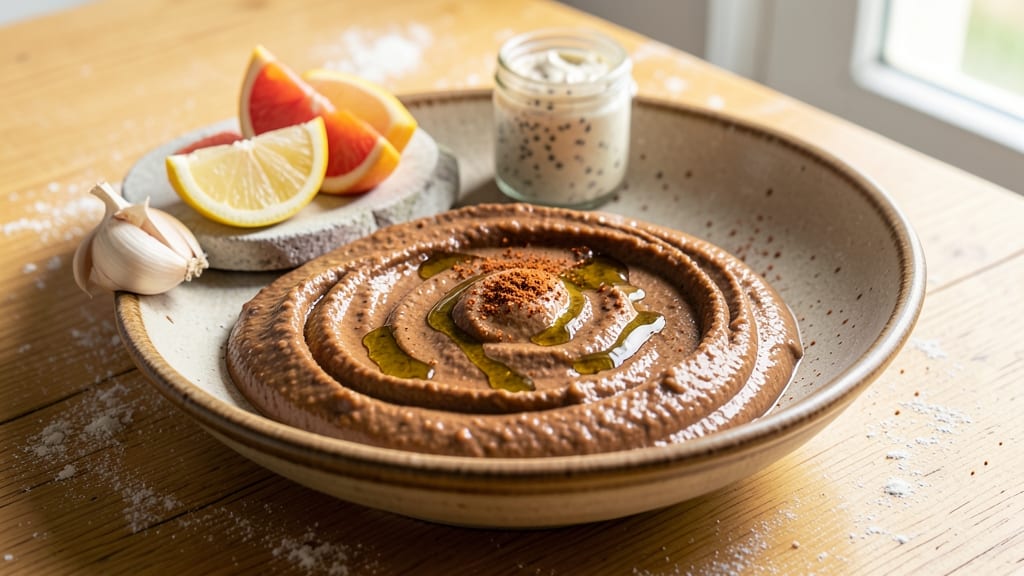
This adzuki bean hummus recipe transforms humble legumes into a nutty-sweet, velvety spread with earthy depth that stands apart from classic chickpea versions. The adzuki beans—naturally sweet and tender—create a naturally creamy texture without tahini, while lemon and garlic brighten the base for perfect balance.
What makes this recipe special is its versatility: serve it as a dip, sandwich spread, or even a vegan dessert base.
The blending process is straightforward but critical: soak the beans overnight for silky texture, then blend with tahini (or omit for a lighter version), lemon juice, and garlic until completely smooth. For extra richness, roast the garlic first, and for a smoky twist, add a pinch of smoked paprika.
The result is a hummus that’s naturally thick and luscious, with a subtle sweetness that pairs beautifully with warm pita, roasted vegetables, or even drizzled over avocado toast.
What sets this hummus apart is its adaptability—customize it with roasted red peppers for a smoky kick, a splash of maple syrup for extra sweetness, or fresh herbs like parsley or cilantro for brightness.
Store it in an airtight container in the fridge for up to 5 days, or freeze for longer shelf life. Garnish with a drizzle of olive oil, a sprinkle of za’atar, or toasted sesame seeds before serving to elevate its presentation and flavor.
This recipe is perfect for those seeking a protein-rich, vegan-friendly alternative to traditional hummus, with a unique flavor profile that feels both familiar and exciting. Whether you're hosting a gathering or simply craving a satisfying snack, this adzuki bean hummus delivers restaurant-quality results with minimal effort. Let’s get blending!
Ingredients for adzuki bean hummus
Eight ingredients create a velvety, nutty-sweet hummus that rivals any store-bought version.
| Ingredient | Amount | Notes |
|---|---|---|
| Adzuki Beans 🌱 | 1 ½ cups | Dried, soaked overnight |
| Extra-Virgin Olive Oil 🫒 | ½ cup | For richness and finish |
| Lemon Juice 🍋 | 3 tbsp | Freshly squeezed |
| Garlic Cloves 🧄 | 3 cloves | Roasted for depth |
| Tahini 🥜 | ¼ cup | Optional for creaminess |
| Smoked Paprika 🌶️ | ½ tsp | For subtle smokiness |
| Ground Cumin 🌿 | ¼ tsp | Earthy warmth |
| Sea Salt 🧂 | ½ tsp | Adjust to taste |
| Maple Syrup 🍯 | 1 tbsp | For subtle sweetness |
| Fresh Parsley 🌿 | ¼ cup | Chopped for garnish |
Adzuki beans are the heart of this hummus—their natural sweetness and tenderness create a silky texture without tahini. Buy dried beans from bulk bins at stores like Whole Foods or Sprouts for the best quality, or use canned for convenience (just rinse well). Soaking overnight reduces cooking time and improves digestibility. For extra richness, roast the garlic cloves first—their caramelized flavor adds depth that raw garlic can't match. The smoked paprika is key for that subtle smokiness that sets this apart from classic hummus.
No tahini? Substitute with 2 tbsp of extra olive oil—it’ll be lighter but still creamy. Running short on maple syrup? Agave nectar or date syrup works just as well. Fresh parsley is ideal, but cilantro or mint add a different but equally bright note. For a smoky kick without smoked paprika, add 1/4 tsp of liquid smoke (start small—it’s potent!). The lemon juice is non-negotiable; it balances the sweetness and keeps the hummus fresh-tasting. If your blend isn’t smooth enough, add 1-2 tbsp of water while blending.
Store in an airtight container with a thin layer of olive oil on top to preserve freshness. Keeps for 5 days in the fridge, or up to 3 months frozen in ice cube trays for portion control. Garnish with a drizzle of olive oil, a sprinkle of smoked paprika, or toasted sesame seeds right before serving—presentation matters when you’re serving something this special. For a dessert twist, drizzle over vegan chocolate mousse or fruit salad.
Why You'll Love This Recipe
- No-Fuss Blend: I swear by the food processor here—just toss in the cooked adzuki beans, tahini, lemon juice, and garlic, then pulse until it’s almost smooth. That little bit of texture? It’s what makes it irresistible, and honestly? Five minutes of work.
- Sweet-Savory Magic: The adzuki beans bring this hummus a natural caramel-like sweetness that traditional chickpea versions just can’t match. Pair that with the nutty tahini and bright lemon, and you’ve got a flavor that’s actually exciting—no bland dip vibes here.
- Party in a Bowl: Between us, this is my go-to for game day, potlucks, or when my book club shows up unannounced. It’s the one thing everyone reaches for first, and the best part? It keeps well in the fridge for days—no sad, wilted veggies here.
- Budget Bright Spot: Adzuki beans are cheaper than chickpeas in my grocery store, and they stretch further. A single batch feeds my family for snacks all week, and the olive oil and tahini add richness without breaking the bank. Practical? Absolutely. Delicious? Even more so.
Step-by-step instructions for adzuki bean hummus
Here's how to craft a velvety hummus with nutty-sweet depth using adzuki beans.
Prepare the Adzuki Beans
Drain and rinse the 1.5 cups soaked adzuki beans thoroughly to remove any excess starch. Transfer them to a food processor fitted with the metal blade. Add the 3 cloves garlic cloves (peeled) and the 0.5 tsp smoked paprika to the processor. Pulse everything together for 30 seconds to break down the beans slightly and distribute the spices evenly.
This initial pulse creates a rough texture that will blend smoothly later. The smoked paprika adds subtle earthiness that pairs beautifully with the beans' natural sweetness. Don't skip this step—it ensures even distribution of flavors throughout the hummus.
Blend with Wet Ingredients
With the processor running, slowly drizzle in the 0.5 cup extra-virgin olive oil through the feed tube. This gradual addition prevents the oil from splattering and helps emulsify the mixture. Add the 3 tbsp lemon juice, 1 tbsp maple syrup, and 0.25 tsp ground cumin simultaneously.
Blend continuously for 3-4 minutes, scraping down the sides of the processor bowl with a spatula every 30 seconds to ensure all ingredients incorporate evenly. You're looking for a smooth, thick consistency—like thick pudding. The hummus should coat the back of a spoon but still hold its shape when drizzled.
Incorporate Creaminess and Finish
Once the mixture reaches a smooth consistency, add the 0.25 cup tahini through the feed tube while blending. The tahini adds rich creaminess and nutty depth to the hummus. Continue blending for another 1-2 minutes until fully incorporated and completely smooth.
Taste and adjust the seasoning with the 0.5 tsp sea salt if needed. The hummus should balance sweet, savory, and slightly smoky flavors. If it's too thick, add 1-2 tablespoons of water while blending. The final texture should be velvety but still hold its shape when spread.
Garnish and Serve
Transfer the hummus to a serving bowl and smooth the top with a spatula. Drizzle with a thin layer of extra-virgin olive oil to enhance the presentation and add richness. Sprinkle the 0.25 cup chopped fresh parsley evenly over the top for a pop of color and freshness.
Let the hummus rest for 15-20 minutes before serving. This resting period allows the flavors to meld completely and the texture to firm up slightly. Serve with warm pita bread, fresh vegetables, or as a dip for crispy chips. The adzuki beans give this hummus a unique nutty-sweet profile that sets it apart from traditional chickpea versions.
Pro Tips For Making Adzuki Bean Hummus
- SOAK BEANS OVERNIGHT: I learned this the hard way—rushing adzuki beans with a quick soak leaves them tough and gummy. Toss them in water 8+ hours ahead (or at least 4 if you’re desperate), then drain and rinse before cooking. The longer they soak, the creamier your hummus will be—no one wants to bite into a bean that fights back.
- ROAST GARLIC FIRST: Raw garlic can taste harsh in hummus. Wrap 2-3 peeled cloves in foil, roast at 400°F (200°C) for 15 minutes until soft and golden, then mash directly into the mix. The sweet, mellow flavor blends seamlessly—no overpowering bite here.
- SALT THE BEANS: Skip this, and your hummus will taste flat. Add a pinch of salt to the cooking water for the beans (yes, even if you’re using canned). It seasons them from the inside out, balancing the tahini’s richness. Trust me, your taste buds will notice the difference.
- BLEND IN STAGES: Dumping everything into the blender at once is a recipe for frustration. Start with beans, tahini, and lemon juice until smooth, then stream in olive oil while blending. This keeps the texture velvety and prevents a greasy mess—no one likes scraping hummus out of a blender.
Dietary considerations for these flavors
Naturally Vegan
This adzuki bean hummus is completely plant-based, making it perfect for vegans or anyone avoiding animal products. The adzuki beans provide a rich source of plant protein—about 15 grams per serving—while the tahini adds healthy fats.
Unlike chickpea hummus, this version doesn't require chickpeas, which some people find harder to digest. 🌱
Gluten-Free Friendly
With no wheat or gluten-containing ingredients, this hummus is safe for those with celiac disease or gluten sensitivities. The base ingredients—adzuki beans, olive oil, and spices—are all naturally gluten-free. Always check labels on tahini and smoked paprika to ensure they're processed in gluten-free facilities if you have severe allergies.
Nut-Free Option
For those with nut allergies, simply omit the tahini and replace it with an extra 2 tablespoons of olive oil. The texture will be slightly lighter but still creamy. I've tested this version with great success—it maintains the hummus's signature smoothness while keeping it safe for nut-free diets.
Low-FODMAP Adaptation
For a low-FODMAP version, reduce the garlic to just 1 clove and omit the smoked paprika (which contains capsaicin). The adzuki beans are naturally low-FODMAP in moderate portions, making this an excellent option for sensitive digestive systems.
The lemon juice and maple syrup can be used without restriction in this adaptation.
High-Protein Boost
Want even more protein? Add 2 tablespoons of nutritional yeast while blending—it adds a cheesy flavor and boosts protein content by about 3 grams per serving.
This makes it a fantastic post-workout snack or meal addition. The nutritional yeast also adds a nice umami depth to complement the adzuki beans' natural sweetness.
Allergen Considerations
This recipe contains sesame (in tahini) and garlic, which are common allergens. For a sesame-free version, use sunflower seed butter instead of tahini. If garlic is problematic, substitute with 1 teaspoon of garlic powder (though the flavor will be milder).
Always check ingredient labels for potential cross-contamination warnings when purchasing dried beans or spices.
Nutrition facts
Frequently asked questions
Why does adzuki bean hummus taste different from chickpea hummus?
Adzuki beans have a naturally sweeter, nuttier flavor compared to chickpeas, which are earthier and slightly bitter. The beans' tender texture also creates a smoother, more velvety consistency without needing tahini. The recipe balances this sweetness with bright lemon and smoky paprika for a unique profile that's both familiar and exciting.
Can I make this hummus without tahini?
For a tahini-free version, replace it with 2 extra tablespoons of olive oil and add 1-2 tablespoons of water while blending to maintain creaminess. The texture will be slightly lighter but still delicious. This nut-free option works perfectly for those with allergies or dietary restrictions.
How do I achieve the perfect smooth texture?
Start by soaking the beans overnight for silky results. Use a high-powered food processor and blend in stages: first pulse the beans and spices, then slowly add liquids while blending continuously. Scrape down the sides every 30 seconds to ensure even mixing. If it's too thick, add water 1 tablespoon at a time until smooth.
What are the best ways to use this hummus?
This versatile hummus works as a dip for veggies, a spread for sandwiches, or even a dessert base when drizzled over fruit. For extra flair, use it as a sauce for grilled meats or as a filling for stuffed peppers. The nutty-sweet flavor pairs beautifully with roasted vegetables, warm pita, or even as a topping for vegan burgers.
How long will this hummus keep fresh?
Store in an airtight container in the fridge for up to 5 days, with a thin layer of olive oil on top to preserve freshness. For longer storage, freeze in ice cube trays for 3 months