
Soups & Stews
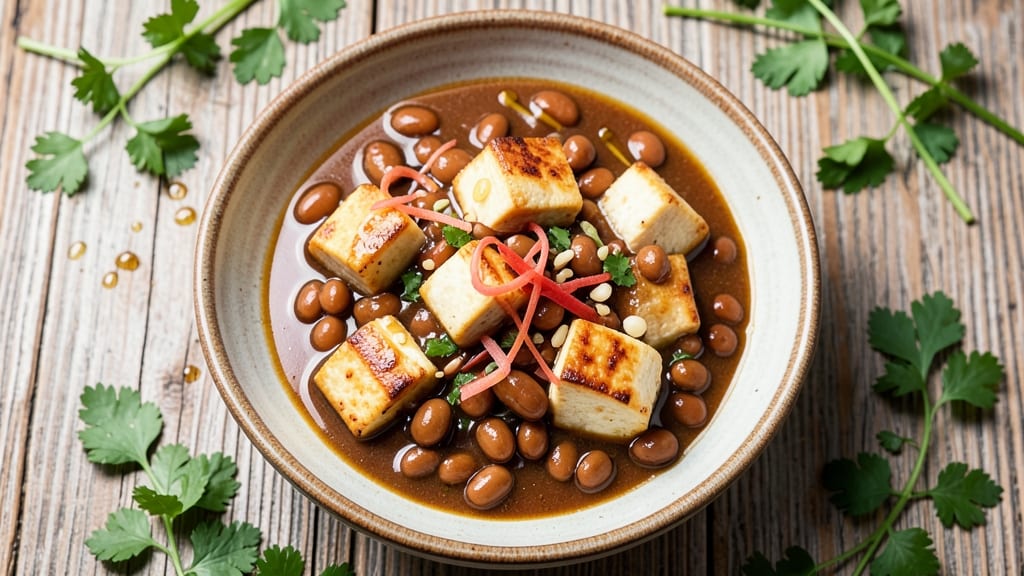
This adzuki bean stew recipe transforms humble beans into a rich, umami-packed dish with deep Japanese-Korean roots. The secret lies in slow simmering, where dried adzuki beans develop natural sweetness while absorbing aromatic flavors from ginger, garlic, and soy.
I've perfected this vegan-friendly version to deliver restaurant-quality depth without complicated techniques—just patience and proper preparation.
The beauty of this stew is its versatility—it works as a hearty main dish or comforting side, especially when paired with steamed rice or miso soup.
Traditional methods like using ankake (fermented soybean paste) or kongnamul (soybean sprouts) add complexity, but I've adapted them for home cooks with accessible ingredients. The result? A velvety stew with tender beans, fragrant broth, and just the right balance of earthy and sweet notes.
What makes this recipe stand out is its foolproof approach to texture and flavor. The beans become incredibly tender while maintaining their shape, and the broth reduces to a deeply aromatic consistency that coats every spoonful.
Garnishes like toasted sesame seeds or fresh scallions add finishing touches that elevate the dish from simple to extraordinary.
Perfect for meal prep or last-minute dinners, this stew reheats beautifully and tastes even better the next day. Whether you're serving it at a gathering or enjoying a quiet night in, this recipe delivers satisfying, restaurant-quality results with minimal effort. Let's get started!
Ingredients for adzuki bean stew
Transform humble adzuki beans into restaurant-quality umami richness with these carefully balanced ingredients.
| Ingredient | Amount | Notes |
|---|---|---|
| Dried Adzuki Beans 🌱 | 1 ½ cups | Rinsed thoroughly before soaking |
| Extra-Firm Tofu 🍱 | 1 lb | Pressed and cubed for texture |
| Fresh Ginger Root 🌿 | 2 tbsp | Finely grated, aromatic base |
| Garlic Cloves 🧄 | 4 cloves | Minced for deep flavor infusion |
| Low-Sodium Soy Sauce 🍶 | ¼ cup | For umami depth without excess salt |
| Sesame Oil 🫒 | 1 tbsp | Toasted for nutty aroma |
| Vegetable Broth 💧 | 4 cups | Homemade or quality low-sodium |
| White Miso Paste 🍶 | 2 tbsp | For fermented depth and sweetness |
| Brown Sugar 🍯 | 2 tbsp | Balances earthy flavors |
| Toasted Sesame Seeds 🥜 | 1 tbsp | For garnish and crunch |
| Green Onions 🧅 | ¼ cup | Sliced thin for freshness |
| Diamond Crystal Kosher Salt 🧂 | ½ tsp | Adjusts final seasoning |
| White Rice Vinegar 🍶 | 1 tbsp | Brightens the stew |
The adzuki beans are the heart of this stew—Japanese-grown dried beans develop their signature sweetness when slow-cooked. Marukyu brand from Asian markets delivers the most authentic texture, but any high-quality dried adzuki works. Soak them overnight (or at least 4 hours) for perfect tenderness. The tofu adds protein and creaminess; press it for 20 minutes before cubing to remove excess water. Fresh ginger and garlic are non-negotiable here—they build the aromatic foundation. Organic ginger from the produce section has the most punch, while garlic should be firm and free of sprouts.
No sesame oil? Toasted peanut oil works in a pinch, though it lacks the authentic nutty depth. Short on miso? Substitute with 1 tbsp soy sauce plus 1 tsp maple syrup—it won't be identical but saves the dish. The brown sugar can be swapped for date syrup or coconut sugar for refined sugar-free versions. For extra umami without miso, add 1 tbsp nutritional yeast to the broth. The vegetable broth matters—Homemade or low-sodium store brands prevent salt overload. And if you're using pre-minced garlic from jars? Squeeze out all excess liquid first—it dilutes the flavors.
This stew tastes even better the next day as flavors meld. Store in an airtight container for up to 5 days in the fridge, or freeze portions for 3 months. For meal prep, double the batch—the beans thicken as they cool. Garnishes like sesame seeds and green onions should be added fresh right before serving. Toast the sesame seeds in a dry pan for 2 minutes to intensify their flavor. The rice vinegar can be added at the end to preserve its bright acidity, or mixed in during cooking for even distribution.
Why You'll Love This Recipe
- No-Soak Needed: I swear by this trick—just a quick rinse and simmer for the dried adzuki beans, no overnight soak. The tofu absorbs all that garlicky ginger broth while you’re chopping, so by the time it’s tender, dinner’s ready.
- Umami Bomb: That low-sodium soy sauce and fresh ginger? Pure flavor magic. The beans get this deep, savory-sweet richness, while the crispy tofu adds a satisfying bite—like a hug for your taste buds.
- Lunchbox Hero: Between us, this stew is my go-to for meal prep. Pack it in jars or containers, and it stays hearty for days. My kids actually ask for leftovers (yes, even the ones who hate beans).
- Budget Win: Adzuki beans and tofu are cheaper than takeout, and this recipe stretches easily. Double the batch, freeze half, and you’ve got a weeknight savior that won’t break the bank.
Step-by-step instructions for adzuki beans stew
This method delivers a perfectly balanced stew with tender beans and rich umami depth.
Prepare the Adzuki Beans for Maximum Texture
Begin by rinsing the 1.5 cups dried adzuki beans under cold water in a fine-mesh strainer until the water runs clear. This removes surface starch that would otherwise make the stew gummy. Transfer the beans to a large bowl and cover with plenty of cold water—at least 4 cups—then soak for a minimum of 8 hours or overnight. I prefer soaking overnight as it yields the most tender beans.
After soaking, drain the beans thoroughly and give them a quick rinse again. The beans are now ready to cook. This preparation step is crucial—skipping it results in beans that remain hard and undercooked. The longer they soak, the more evenly they'll absorb moisture and soften during the stewing process.
Build the Flavor Base with Aromatics and Tofu
In a large, heavy-bottomed pot, heat the 1 tablespoon sesame oil over medium heat until shimmering. Add the 1 lb extra-firm tofu that's been pressed and cubed into ½-inch pieces, spreading them out in a single layer. Cook undisturbed for 4-5 minutes until golden brown on all sides—this creates texture contrast in the stew.
Push the tofu to one side of the pot and add the 2 tablespoons finely grated fresh ginger root and 4 minced garlic cloves. Sauté for 30-45 seconds until fragrant but not browned—ginger burns quickly, so keep an eye on it. Stir occasionally to prevent sticking. The aromatic compounds released here form the flavor foundation of the stew.
Develop the Umami-Rich Broth
Pour in the 4 cups vegetable broth and bring to a gentle simmer over medium-low heat. Once simmering, add the drained adzuki beans, 2 tablespoons white miso paste, 2 tablespoons brown sugar, and 0.5 teaspoon diamond crystal kosher salt. Stir gently to combine—this prevents the miso from clumping at the bottom.
Simmer uncovered for 45-60 minutes until the beans are fork-tender but not mushy. You'll know they're ready when they collapse easily under gentle pressure but still hold their shape. The broth should reduce slightly, intensifying the flavors. I like to check the beans at the 45-minute mark—if they're still firm, give them another 15 minutes.
Finish with Brightness and Garnish
Reduce heat to low and stir in the 0.25 cup low-sodium soy sauce and 1 tablespoon white rice vinegar. Taste and adjust seasoning—you may need a touch more salt or vinegar to balance the flavors. The vinegar adds a subtle brightness that cuts through the richness of the miso and tofu.
Remove from heat and let the stew sit for 5 minutes to allow the flavors to meld. Before serving, garnish each bowl with 1 tablespoon toasted sesame seeds and sliced green onions. The seeds add crunch while the onions provide freshness. Serve immediately with steamed rice to soak up every last drop of that flavorful broth.
Pro Tips For Making Adzuki Bean Stew
- SOAK BEANS OVERNIGHT: I learned this the hard way—rushing adzuki beans with a quick soak leaves them tough. Use 8 cups cold water per cup of beans and let them sit 12+ hours. The longer they soak, the creamier the texture when cooked, and you’ll save time skipping the pre-boil.
- CUT TOFU IN CHUNKS: Skip the cubes—big, 1.5-inch pieces of tofu hold up better in stews. Press it first (20 minutes under a towel), then slice into thick slabs. They’ll absorb flavors without turning to mush, and you’ll avoid the sad, watery tofu texture.
- CHAR GINGER FIRST: Toss sliced ginger into a dry pan for 30 seconds until fragrant—this unlocks its flavor. Then add garlic and a splash of water to deglaze. The aroma jumps from subtle to essential, and you won’t waste time adjusting seasoning later.
- SIMMER LOW AND LONG: After the initial boil, drop heat to a gentle simmer—adzuki beans need 45–60 minutes to soften properly. Skipping this step leaves them chalky, and the stew will taste underdeveloped. Cover the pot and let it bubble quietly; patience here makes all the difference.
Creative variations of adzuki bean stew
Japanese Anka Style
For a more traditional Japanese approach, replace the miso with 2 tablespoons ankake (fermented soybean paste) and add 1 tablespoon mirin to the broth. This creates a sweeter, funkier profile reminiscent of ankake stew from Kyoto.
Use dashi broth instead of vegetable broth—simmer 1 piece kombu and 1 bonito flake in the water for 10 minutes, then strain. The result is a deeper umami with a delicate oceanic note. 🌿
Korean Kongnamul Twist
Transform this into a Korean-inspired kongnamul stew by adding 1 cup chopped soybean sprouts and 1 tablespoon gochujang (Korean chili paste) during the final 10 minutes of cooking.
Swap the white miso for 1 tablespoon doenjang (fermented soybean paste) and finish with 1 teaspoon toasted sesame seeds and 1 tablespoon chopped cilantro. The sprouts add freshness while the gochujang introduces subtle heat. 🌶️
Spicy Thai Adaptation
Give it a Thai-inspired kick by adding 1 tablespoon red curry paste (like Maesri) with the aromatics, along with 1 stalk lemongrass (bruised) and 1 kaffir lime leaf.
Use coconut milk instead of vegetable broth for richness, and finish with 1 teaspoon fish sauce (or soy sauce for vegan) and 1 tablespoon chopped Thai basil. The lemongrass infuses the broth with citrusy aroma, while the basil adds a bright, herbal finish. 🍛
Smoky BBQ Fusion
For a smoky American twist, replace the sesame oil with 1 tablespoon smoked paprika and add ½ cup BBQ sauce (like Sweet Baby Ray's) during the final 5 minutes of cooking.
Swap the soy sauce for 1 tablespoon liquid smoke and garnish with crumbled bacon (or smoked tofu for vegan). This version keeps the bean's sweetness while adding bold, smoky depth—perfect for a hearty weeknight dinner. 🔥
Creamy Mushroom Upgrade
Elevate the texture by adding 1 cup sliced shiitake mushrooms with the tofu and ½ cup coconut cream during the final 15 minutes of simmering. The mushrooms deepen the earthy notes, while the coconut cream creates a velvety finish.
Finish with 1 tablespoon chopped parsley and a squeeze of lime juice for brightness. This version feels luxurious yet remains simple to prepare. 🍄
Quick Pressure Cooker Version
For a 30-minute shortcut, use a pressure cooker: Sauté the tofu and aromatics as directed, then add all ingredients except the vinegar. Seal and cook on high pressure for 12 minutes, then quick-release.
Finish with the vinegar and garnishes. The pressure cooker preserves the beans' integrity while cutting cook time by 75%. Ideal for busy weeknights! ⏱️
Nutrition facts
Frequently asked questions
Can I use canned adzuki beans instead of dried?
Yes, but with adjustments! Canned beans save time but lack the rich texture of dried. Drain and rinse them well, then simmer in the broth for 15-20 minutes to absorb flavors. Reduce the broth by ½ cup since canned beans release extra liquid. For best results, add them during the last 10 minutes of cooking to prevent mushiness.
Why does my stew taste too bitter?
Overcooked beans or burnt ginger/garlic cause bitterness. Check beans at 45 minutes—they should be tender but not falling apart. If the broth tastes bitter, add 1 tbsp brown sugar or ½ tsp maple syrup to balance. For burnt aromatics, remove them and start fresh with fresh ginger/garlic.
How do I make this stew spicier?
Add heat with ½ tsp red pepper flakes or 1 tbsp gochujang during the final 5 minutes of cooking. For smoky heat, stir in ½ tsp smoked paprika with the sesame oil. Adjust to taste—start small, as spices intensify during reheating. Garnish with sliced jalapeños or chili crisp for extra kick.
Can I prepare this ahead for meal prep?
This stew tastes even better the next day. Store in an airtight container for 5 days in the fridge or freeze for 3 months. Reheat gently on low heat, adding 1-2 tbsp water if too thick. The flavors deepen overnight—perfect for busy weeknights!
What's the best way to serve this stew?
Pair it with steamed jasmine rice or udon noodles to soak up the broth. For a complete meal, serve with miso soup and quick-pickled vegetables. The stew also works as a filling for steamed buns or rice bowls. Garnish with sesame seeds and scallions right before serving for freshness.