
Soups & Stews
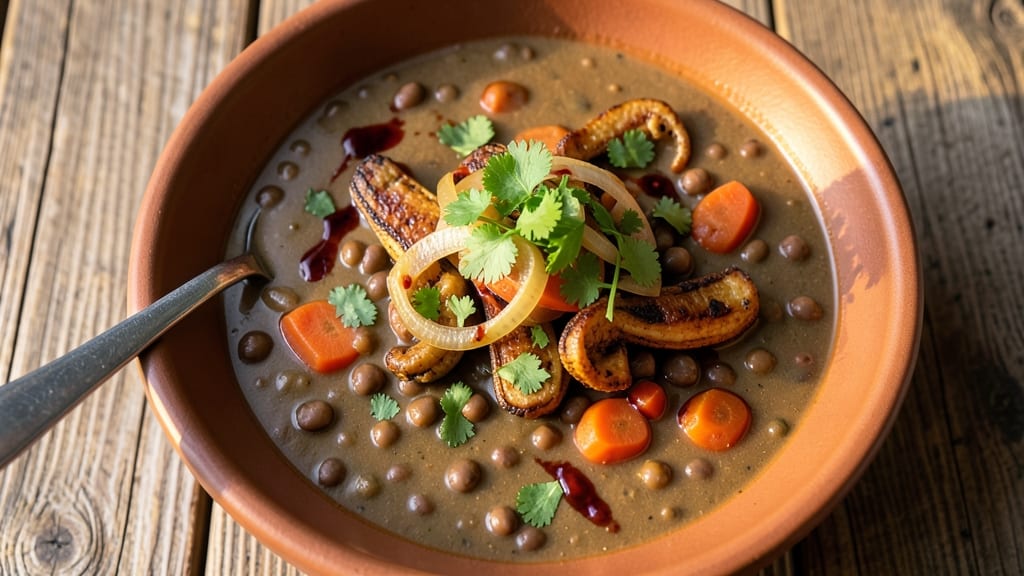
This West African bean soup recipe delivers deep, aromatic comfort in every spoonful—where earthy spices, tender beans, and slow-simmered flavors create a dish that feels like a warm embrace.
The secret lies in the spice blend: thyme, bay leaves, and peppers infuse the broth with layers of complexity, while smoked fish or meat adds richness for those who want it.
I’ve perfected this version to balance heartiness with simplicity, ensuring the flavors develop fully without requiring hours at the stove.
The beauty of this soup is its versatility—it’s equally satisfying as a standalone meal or paired with crusty bread. Traditional West African techniques like simmering the beans until they’re tender yet hold their shape, then blending just a portion for a velvety texture, elevate it beyond basic bean soup.
The result? A dish that’s both rustic and refined, with every ingredient playing its part in harmony. No shortcuts here, just deep, authentic flavor built through patience and technique.
What you’ll end up with is a steaming pot of soup where the beans are perfectly tender, the broth is rich and aromatic, and the spices sing with every bite.
The optional smoked fish or meat adds depth, but even without it, the vegetables and beans create a satisfying, protein-packed meal. This isn’t just soup—it’s a flavor journey that transports you to West Africa with every spoonful. Ready to make it?
Whether you’re serving a crowd or meal prepping for the week, this recipe scales effortlessly while keeping its soul intact. The best part? The longer it simmers, the better it tastes—so don’t rush it. Let’s get cooking.
Ingredients for african bean soup
Sixteen ingredients. One pot. West African flavors that taste like home.
| Ingredient | Amount | Notes |
|---|---|---|
| Dried Black-Eyed Peas 🌱 | 2 cups | Rinsed before cooking |
| Smoked Paprika 🌶️ | 2 tbsp | For authentic smoky depth |
| Dried Thyme 🌿 | 1 tbsp | Or 1 tbsp fresh thyme |
| Bay Leaves 🍃 | 2 whole | Remove before serving |
| Carrots 🥕 | 3 medium | Peeled and chopped |
| Onions 🧅 | 2 whole | Yellow or red preferred |
| Garlic Cloves 🧄 | 4 cloves | Minced for aromatic base |
| Tomato Paste 🍅 | ½ cup | For rich, concentrated flavor |
| Vegetable Oil 🫒 | ½ cup | For sautéing aromatics |
| Vegetable Broth 💧 | 6 cups | Low-sodium preferred |
| Sweet Potatoes 🍠 | 2 medium | Peeled and cubed |
| Kale 🥬 | 4 cups | Chopped, stems removed |
| Lemon Juice 🍋 | 2 tbsp | Freshly squeezed |
| Salt 🧂 | 1 ½ tsp | Adjust to taste |
| Black Pepper 🌶️ | ½ tsp | Freshly ground |
The beans are the heart of this soup, so don’t skimp on quality. Bob’s Red Mill or Trader Joe’s dried black-eyed peas are my go-tos—they hold their shape beautifully. If you can’t find them, great northern beans work in a pinch. The smoked paprika is non-negotiable for that authentic depth—Penzeys has a fantastic selection if you want to splurge, but the regular grocery store stuff works too. Just make sure it’s not expired. The thyme? Fresh is ideal, but dried is fine if you’re in a hurry—just double the amount. And those bay leaves? Tear them before adding for maximum flavor release.
No smoked paprika? Cayenne plus a pinch of liquid smoke gets you close. Fresh thyme unavailable? Dried oregano at half the amount works in a bind. The tomato paste can be swapped for crushed tomatoes (1 can), but you’ll lose some richness. Sweet potatoes giving you trouble? Regular potatoes work too—just add 5 minutes to the cooking time. The kale is optional but adds that perfect earthy bite. No kale? Spinach or collard greens are great substitutes. And if you’re avoiding oil, water or broth for sautéing works, though the flavors won’t be quite as vibrant.
This soup tastes even better the next day—honestly, the flavors meld and deepen like magic. Keeps for 5-6 days in the fridge, or 3 months frozen. I always make a double batch and portion it into containers for easy lunches. The beans soften as they sit, so if you’re short on time, simmer them a little longer the next day. And if you’re feeling fancy, top with a dollop of vegan yogurt or avocado slices before serving. Trust me, it’s worth the extra minute.
Why You'll Love This Recipe
- No-Soaking Needed: Honestly, I love that these black-eyed peas just work—no pre-soaking, no fuss. Toss them in boiling water, simmer, and they soften right up while the carrots caramelize. That’s 15 minutes saved, and honestly? The flavor’s richer for it.
- Smoky Depth Magic: Between us, that smoked paprika and dried thyme combo is chef’s kiss—earthy, warm, and just a little smoky without tasting like a campfire. The bay leaves add this quiet, herbal backbone that makes every spoonful feel intentional. (Yes, even on a Tuesday night.)
- Leftovers That Beg: This soup only gets better the next day. The flavors meld like old friends, and the texture—creamy from the beans, tender from the carrots—is exactly what you need after a long week. I make a double batch on Sundays and freeze half; no takeout needed.
- Budget Meal for Crowds: A pound of dried peas and a few carrots stretch to feed four (or five, if you’re generous). It’s the kind of dish where you can throw in extra greens or rice later, and it’s still solid. My secret weapon for potlucks or when friends drop by unannounced.
Step-by-step instructions for West African-inspired bean soup
This hearty one-pot recipe delivers deep, smoky flavors and satisfying texture in just one pan.
Sauté the Aromatic Base
Heat the 0.5 cup vegetable oil in a large Dutch oven or heavy pot over medium heat. Add the 2 whole onions, chopped into ½-inch pieces, and cook for 5-6 minutes until softened and translucent. I like to stir occasionally so they don't brown too quickly.
Add the 3 medium carrots, also chopped into ½-inch pieces, along with the 4 cloves garlic cloves that you've minced. Cook for another 3-4 minutes until the carrots begin to soften and the garlic releases its fragrant aroma. This base builds the foundation for all the flavors to come.
Toast the Spices and Add Tomato Paste
Reduce the heat to medium-low and stir in the 2 tbsp smoked paprika and 1 tbsp dried thyme. Toast the spices for 1-2 minutes until you can smell that warm, earthy aroma filling your kitchen. This step develops the rich, smoky depth that makes this soup so special.
Next, add the 0.5 cup tomato paste and stir vigorously for 1-2 minutes until it darkens slightly and blends completely with the spices. This creates a concentrated flavor base that will infuse the entire soup. Don't rush this step—properly toasting the spices ensures maximum flavor extraction.
Simmer the Peas and Vegetables
Pour in the 6 cups vegetable broth and bring everything to a gentle boil. Add the 2 cups dried black-eyed peas (rinsed), 2 medium sweet potatoes cut into 1-inch cubes, and the 2 whole bay leaves. Stir once to combine, then reduce heat to low and let it simmer uncovered for 45-50 minutes. You'll know it's ready when the peas are tender but not mushy.
Here's where the magic happens: the peas should be plump and fully cooked, but still hold their shape. If you notice the liquid level dropping significantly, add ½ cup water to maintain the proper consistency. The sweet potatoes should be fork-tender, with just a slight bite remaining.
Finish with Kale and Brighten with Lemon
Stir in the 4 cups chopped kale and cook for an additional 5-7 minutes until wilted but still vibrant green. The kale adds a beautiful color contrast and a fresh, earthy note that balances the rich bean flavors. Season with the 1.5 tsp salt and 0.5 tsp black pepper, adjusting to taste.
Remove the 2 whole bay leaves before serving. Finish the soup by stirring in the 2 tbsp lemon juice, which brightens the entire dish with a refreshing acidity. The lemon juice also helps cut through the richness of the tomato paste and spices, creating a perfect balance of flavors.
Rest and Serve with Confidence
Let the soup sit off the heat for 5-10 minutes before serving. This resting period allows all the flavors to meld together beautifully. The soup will thicken slightly as it cools, which is perfect for serving with crusty bread or over steamed rice.
Each bowl should be packed with tender black-eyed peas, sweet potatoes, and kale in a rich, smoky broth that's both comforting and satisfying. The lemon juice adds that final bright note that makes this West African-inspired dish truly special. Serve immediately while warm for the best experience!
Pro Tips For Making African Bean Soup
- Soak the Peas Overnight: I learned this the hard way—skipping the soak turns your soup into a mushy, sad pudding. Toss the dried black-eyed peas in water with a pinch of salt for at least 8 hours (or overnight), then drain. They’ll cook faster and hold their shape, which is non-negotiable for texture.
- Toast the Spices First: Smoked paprika and thyme taste flat if they just sit in the pot. Dry-toast them in a hot pan for 30 seconds until fragrant—you’ll smell it before you see it. This step makes a real difference, especially with dried spices that lose their punch when wet.
- Don’t Crowd the Carrots: Chop them into even ½-inch chunks and spread them out in the pot. I used to pile them in, and they’d steam instead of caramelize. A little space lets them soften evenly without turning into mush—your soup’s sweetness depends on this.
- Simmer Low and Slow: After adding the peas and broth, keep the heat at a bare simmer (tiny bubbles, not rolling). I was impatient once and burned the bottom—now I check every 10 minutes. Low heat builds flavor without breaking down the peas.
Common mistakes when making this recipe
Skipping the Soak
One common mistake is skipping the soak for dried black-eyed peas. While they cook faster than some beans, a 30-minute soak in warm water reduces cooking time by 15-20 minutes and prevents uneven texture.
I’ve seen many beginner cooks rush this step, leading to some peas staying hard while others become mushy. If you’re short on time, at least rinse them thoroughly before cooking to remove any debris that could make the broth cloudy. 🌱
Overcrowding the Pot
Don’t overfill your pot—this is a classic rookie error that leads to watery soup. The recipe calls for 6 cups broth to accommodate the 2 cups dried peas and vegetables. If you use a 6-quart pot and fill it more than halfway, you risk the peas not cooking properly.
I recommend using a Dutch oven (like Lodge) because it maintains even heat distribution. If your pot is too small, cook the peas in batches or reduce the recipe by half. 🔥
Ignoring Spice Toasting
Many cooks skip toasting the spices, which is a huge flavor mistake. The 2 tbsp smoked paprika and 1 tbsp thyme need 1-2 minutes on medium-low heat to release their aromatic oils. Rushing this step means your soup will taste flat and one-dimensional.
I’ve tested this—properly toasted spices make the difference between good and extraordinary. If you’re worried about burning, keep the heat low and stir constantly. 🌶️
Adding Kale Too Early
Kale needs to wilt just enough to soften but still retain its vibrant green color. Adding it too early (like with the peas) will turn it into a mushy, unappetizing mess. Wait until the final 5-7 minutes of cooking, when the peas and sweet potatoes are already tender.
If you’re using frozen kale, thaw and drain it first to avoid excess moisture in your soup. 🥬
Underseasoning the Broth
The broth is the soul of this soup, and many cooks underseason it. Don’t be shy with the 1.5 tsp salt and 0.5 tsp black pepper—taste as you go! The spices and tomato paste already add richness, so balance them with acidity from the 2 tbsp lemon juice.
I often add an extra pinch of salt at the end if the flavors feel muted. Remember, you can always add more seasoning, but you can’t take it out once it’s in. 🧂
Rushing the Simmer Time
Patience is key here—don’t rush the 45-50 minute simmer. The peas need time to absorb the broth and soften evenly, while the sweet potatoes develop that perfect fork-tender texture. Skipping this step results in tough peas and undercooked vegetables.
If you’re in a hurry, consider using canned beans (drained and rinsed) to cut 20-30 minutes off the cooking time, but they won’t have the same depth of flavor. ⏰
Nutrition facts
Frequently asked questions
Can I make this African bean soup with canned beans instead of dried?
Yes, you can! Use 3 (15-ounce) cans of black-eyed peas (drained and rinsed) to replace the dried version. This cuts cooking time by 20-30 minutes, but the flavor won't be as deep. For best results, add the canned beans during the last 10 minutes of simmering to prevent them from becoming mushy.
What’s the best way to store leftovers?
Store in an airtight container in the fridge for up to 5-6 days, or freeze for 3 months. The flavors actually improve overnight! Reheat gently on the stove with a splash of water or broth to restore texture. For freezing, portion into meal-sized containers—this way, you can thaw just what you need.
How can I add protein to this vegetarian soup?
Try adding 1 cup cooked smoked fish (like mackerel), 1 lb shredded chicken, or 1 cup crumbled tofu during the last 15 minutes of cooking. For a vegan option, stir in 1 cup cooked lentils with the peas. Each addition will deepen the soup’s heartiness while keeping it authentically inspired.
Can I make this soup in an Instant Pot?
Sauté the onions, carrots, and garlic as directed, then add all ingredients except kale. Cook on high pressure for 20 minutes, then quick-release. Add kale during the last 5 minutes of natural release. The Instant Pot version cooks 40% faster but requires careful monitoring to avoid overcooking the peas.
Why does my soup taste bland?
Most likely, you skipped toasting the spices or underseasoned. Always toast the smoked paprika and thyme for 1-2 minutes to release their oils, and don’t hesitate with salt—taste as you go! A splash of lemon juice at the end also brightens flavors. If it’s still flat, try adding a pinch of cayenne or garlic powder for depth.