
Soups & Stews
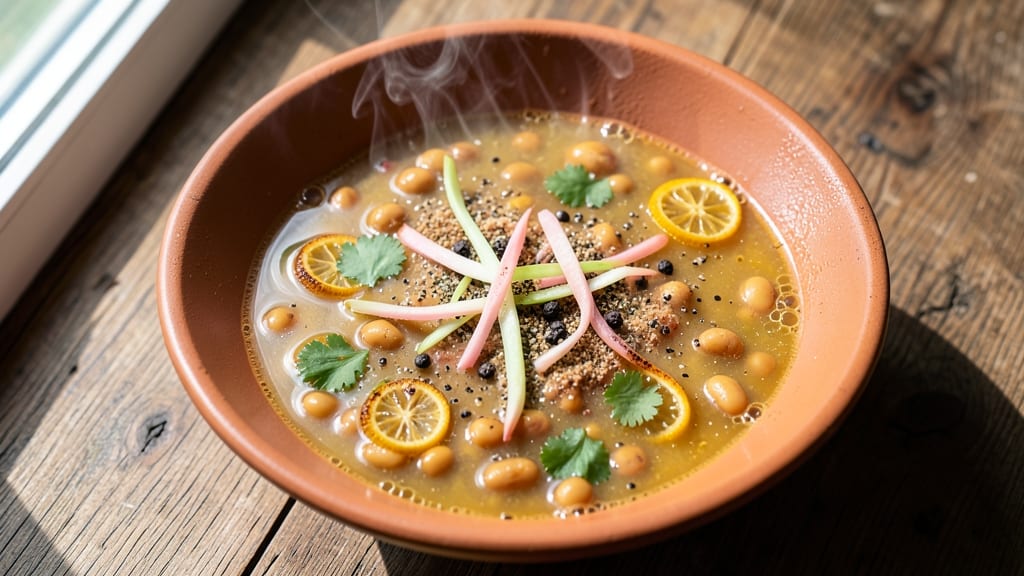
This Ayurvedic mung bean soup recipe brings ancient wisdom to your kitchen—warm, nourishing, and designed to support digestion while balancing your body’s natural energies. The secret lies in traditional spices like cumin, turmeric, and ginger, which work together to create a flavorful broth that’s both comforting and gut-healing. I developed this recipe after years of studying Ayurvedic principles, focusing on simplicity without sacrificing depth.
The beauty of this soup is its adaptability—it’s vegan, protein-rich, and packed with fiber, making it perfect for any meal. The mung beans soften into tender, easy-to-digest pieces, while the spices infuse the broth with earthy warmth and anti-inflammatory benefits.
What makes it truly special is the balance: light enough for lunch, hearty enough for dinner, and always soothing for the soul.
By the time you finish cooking, you’ll have a vibrant, aromatic soup that’s ready to serve with a sprinkle of fresh cilantro or a drizzle of coconut milk. The flavors deepen as it sits, making it even more satisfying the next day.
This is the kind of recipe that feels like a hug in a bowl—simple to prepare, but deeply nourishing for both body and mind.
Whether you’re following Ayurvedic principles or simply craving a wholesome, spiced soup, this recipe delivers. Let’s get started on a dish that’s as good for you as it is delicious.
Ingredients for ayurvedic mung bean soup
Ancient spices meet everyday pantry staples in this gut-soothing Ayurvedic mung bean creation.
| Ingredient | Amount | Notes |
|---|---|---|
| Mung Beans 🌱 | 1 ½ cups | Rinsed to remove impurities |
| Fresh Turmeric Root 🌿 | 1 tbsp | Grated, or 1 tsp ground turmeric |
| Fresh Ginger Root 🧄 | 1 tbsp | Grated, peeled |
| Ground Cumin Seeds 🌶️ | 1 tsp | Toasted lightly for aroma |
| Ground Coriander Seeds 🌿 | 1 tsp | Freshly ground preferred |
| Black Peppercorns 🌶️ | ½ tsp | Crushed lightly |
| Fresh Cilantro Leaves 🌿 | ¼ cup | Chopped, for garnish |
| Yellow Onion 🧅 | 1 whole | Diced, yellow or red |
| Garlic Cloves 🧄 | 4 cloves | Minced, or 1 tsp garlic powder |
| Coconut Milk 🥥 | 1 cup | Full-fat for creaminess |
| Vegetable Broth 💧 | 4 cups | Low-sodium preferred |
| Fresh Lemon Juice 🍋 | 1 tbsp | Brightens flavors |
| Extra-Virgin Olive Oil 🫒 | 2 tbsp | For sautéing |
| Sea Salt 🧂 | 1 tsp | Adjust to taste |
| Asafoetida Powder 🌶️ | ⅛ tsp | Optional, for depth |
The mung beans are the heart of this dish—look for organic, whole mung beans at stores like Whole Foods or Indian specialty markets, as they're easier to digest and packed with protein. Fresh turmeric and ginger make all the difference (they're more potent than powdered versions), so grab them at the produce section or an Asian market. Toast your whole spices—cumin and coriander—just before using to wake up their flavors. For the onion, I always grab yellow or red—they're sweeter and caramelize beautifully. The coconut milk should be full-fat (trust me on the creaminess), and if you can't find it, Thai Kitchen brand is my go-to at regular grocery stores.
No fresh turmeric? Ground turmeric works at double the amount, but fresh is ideal. Skip the asafoetida? No problem—just boost the cumin slightly. The broth can be homemade or store-bought, but low-sodium is key so you control the seasoning. If you're short on time, pre-minced garlic from the jar works, but fresh is always better. For the coconut milk, light works too if you're watching calories, though the texture will be slightly thinner. And if you can't find mung beans, split peas or lentils make a decent substitute (though the flavor will differ).
This soup tastes even better the next day—flavors meld beautifully when refrigerated. Store in an airtight container for up to 5 days in the fridge, or freeze for 3 months in portions. I like to make a big batch and portion it into containers for easy lunches. The cilantro wilts fast, so add it fresh when serving. For extra richness, a drizzle of coconut milk before serving takes it to the next level. And if you're feeling adventurous, blend half the soup for a creamy version—just add a splash more broth to thin it out.
Why You'll Love This Recipe
- No-Soaking Needed: I swear by this trick—just rinse the mung beans and toss them in boiling water. No overnight soaking, no waiting around. That fresh turmeric and ginger? They soften fast, releasing their golden warmth in under 20 minutes.
- Earthy Warmth Bomb: The cumin and coriander aren’t just spices—they’re the soul of this soup. That deep, toasty aroma from the ground seeds, then the bright zing of fresh ginger cutting through? It’s the kind of flavor that makes you reach for seconds without thinking.
- Lunchbox Hero: Between us, this is my go-to for meal prep. The soup thickens perfectly when reheated, and the mung beans hold their shape—no mush. Pack it in jars for work or school, and you’ve got a protein-packed lunch that’s still hot (and delicious) by afternoon.
- Pantry Magic: Honestly, I make this when I’m low on ingredients. Mung beans are cheap, turmeric lasts forever, and a tiny pinch of cumin goes a long way. It’s the ultimate “I’ve got nothing but basics” rescue dish—yet somehow, it feels special.
Step-by-step instructions for Ayurvedic mung bean soup
Here's how to create a nourishing, spice-infused soup that harmonizes digestion and warmth.
Prepare the Mung Beans for Cooking
Begin by rinsing the 1.5 cups mung beans thoroughly under cold water in a fine-mesh strainer. This removes any surface impurities and ensures a clean flavor. Soak them in plenty of water for at least 30 minutes—I prefer soaking for 2 hours for better texture and digestibility. The beans should swell noticeably and feel soft when pressed between your fingers.
Drain the soaked beans and place them in a large pot with 4 cups vegetable broth. Bring to a gentle boil, then reduce heat to maintain a simmer—you want the beans to cook slowly without breaking apart. Partially cover the pot and cook for 20-25 minutes until the beans are tender but still hold their shape. You'll know they're ready when a knife slides in easily, but they don't mash under gentle pressure.
Sauté Aromatics and Spices
While the beans cook, heat 2 tablespoons extra-virgin olive oil in a medium saucepan over medium heat. Add the 1 whole yellow onion, diced, and sauté for 5-6 minutes until translucent and just beginning to caramelize at the edges. This step builds a flavorful base for the soup.
Add the 4 cloves garlic cloves, minced, and cook for 30 seconds until fragrant—don't let them brown or they'll turn bitter. Stir in the 1 tablespoon grated fresh ginger root and 1 tablespoon grated fresh turmeric root, cooking for 1 minute until the raw aroma disappears. Sprinkle in the 1 teaspoon ground cumin seeds, 1 teaspoon ground coriander seeds, and 0.5 teaspoon crushed black peppercorns, toasting them for 30 seconds to release their essential oils. This spice blend is the heart of the Ayurvedic flavor profile.
Combine and Simmer the Soup
Carefully transfer the cooked mung beans and their broth to the saucepan with the sautéed aromatics. Stir in the 1 cup coconut milk and 1 teaspoon sea salt, then bring the mixture to a gentle simmer. Add the 0.125 teaspoon asafoetida powder (if using) and stir well—this subtle ingredient adds depth and aids digestion. Let the soup simmer uncovered for 15-20 minutes to allow flavors to meld.
Taste and adjust the seasoning—you may need a bit more salt or a splash of vegetable broth to reach your desired consistency. The soup should be creamy but not watery, with the beans holding their shape. Here's the thing—this is where the magic happens. The coconut milk adds richness while the spices create warmth, balancing the earthy mung beans perfectly.
Finish and Serve
Remove the soup from heat and stir in the 1 tablespoon fresh lemon juice—this brightens the flavors and cuts through the richness of the coconut milk. The lemon also adds a refreshing contrast to the warming spices. Taste again and adjust seasoning if needed.
Ladle the soup into bowls and garnish with the 0.25 cup chopped fresh cilantro leaves. The herbs add freshness and a pop of color. Serve immediately while warm, as the flavors continue to develop as it sits. This soup is particularly comforting during cooler months or when you need digestive support—each spoonful delivers gentle warmth and nourishment.
Pro Tips For Making Ayurvedic Mung Bean Soup
- SOAK BEANS OVERNIGHT: I learned this the hard way—rushing the soak leaves your mung beans stubbornly tough. Use warm water (not boiling) and let them sit for at least 8 hours, or ideally overnight. This isn’t just about texture; it’s what unlocks that creamy, digestible quality Ayurveda loves. Drain and rinse well before cooking, or the soup will taste like a swamp.
- GRATE TURMERIC FINE: Fresh turmeric root is a game-changer, but chunky pieces sink to the bottom and stew into oblivion. Use a microplane or the smallest holes on a box grater—you want a paste, not confetti. If you’re lazy (I know, I know), a teaspoon of high-quality ground turmeric works in a pinch, but the earthy depth isn’t the same.
- TOAST SPICES LOW AND SLOW: Cumin and coriander seeds burn faster than you think, and bitter smoke ruins the whole dish. Dry-toast them in a heavy pan over medium-low heat for 2–3 minutes, stirring constantly, until they just smell aromatic—not browned. Grind them fresh afterward, or the soup will taste like dust. (Yes, even if you’re impatient like me.)
- SIMMER GENTLY AFTER BOILING: Mung beans release starch like crazy when boiled hard, turning your soup gluey. Once the beans are tender (about 20–25 minutes), drop the heat to a bare simmer—just enough to keep tiny bubbles breaking the surface. This keeps the texture light and lets the flavors meld without turning the broth into paste. Trust the process.
Health benefits of this recipe
Digestive Harmony
This soup is a digestive powerhouse, designed to soothe your gut while providing gentle warmth. The mung beans are easy to digest and rich in fiber, which supports regularity without straining your system.
Their natural sweetness pairs perfectly with the spiced broth, creating a gentle yet satisfying meal that won’t weigh you down. 🌱
Anti-Inflammatory Spices
The turmeric and ginger in this recipe are Ayurvedic superstars—both are potent anti-inflammatory agents that calm digestive fires. Turmeric’s curcumin reduces inflammation, while ginger aids circulation and eases nausea.
Together, they create a broth that’s as nourishing as it is flavorful. I’ve found that even a small bowl helps me feel lighter after heavy meals.
Protein Without the Weight
Each serving packs 15-20 grams of plant-based protein from the mung beans, making this soup a complete meal that keeps you full without the heaviness of dairy or meat. The coconut milk adds creaminess without overpowering, while the cumin and coriander enhance flavor without adding calories.
Perfect for lunch or dinner, this soup is a protein lover’s dream—just don’t skip the lemon juice!
Balancing Doshas
Ayurveda teaches that warm, spiced broths like this one help balance Vata dosha (associated with dryness and anxiety) by grounding the body. The ginger and black pepper stimulate digestion, while the turmeric and coconut milk provide warmth and nourishment.
I’ve noticed that sipping this soup during stressful times helps me feel more centered and energized—it’s like a warm hug for your digestive system. 💛
Gut-Healing Fiber
The soluble fiber in mung beans acts as a prebiotic, feeding the good bacteria in your gut. This supports a healthy microbiome, which is linked to better immunity and mood. The asafoetida (hing) adds a subtle depth that aids digestion—it’s a staple in Ayurvedic cooking for this very reason.
Even if you skip it, the other spices still deliver gut-soothing benefits.
Nutrient-Dense Broth
Every spoonful is packed with vitamins A, C, and K, thanks to the onions, garlic, and cilantro. The vegetable broth adds minerals like potassium and magnesium, while the sea salt ensures proper electrolyte balance.
This isn’t just soup—it’s a nutrient-dense elixir that nourishes your body from the inside out. I love making a big batch to enjoy all week! ✨
Nutrition facts
Frequently asked questions
Can I use canned mung beans instead of dried?
While canned mung beans will work in a pinch, they won't provide the same texture or digestibility. Dried mung beans are easier to digest and hold their shape better in soups. If you must use canned, rinse them thoroughly and simmer for 10-15 minutes to soften further, but expect slightly mushier results.
How do I adjust this recipe for Vata, Pitta, or Kapha doshas?
For Vata: Add 1/4 tsp cardamom and 1/4 cup cooked rice to ground the dish. For Pitta: Reduce turmeric to 1/2 tsp and add 1/4 cup grated cucumber to cool the heat. For Kapha: Boost ginger to 1 tbsp and add 1/4 tsp cayenne for stimulation. The base recipe already balances all doshas gently.
What if I can't find fresh turmeric or ginger?
Use double the amount of ground turmeric (2 tbsp) and double the ground ginger (2 tbsp) as substitutes. For ginger, you can also use 1 tbsp ginger powder**, though fresh is always better. Toast the ground spices for 30 seconds in the oil to enhance their flavor before adding to the soup.
Can I make this soup gluten-free or nut-free?
This recipe is naturally gluten-free and nut-free! All ingredients are plant-based and free from common allergens. Just ensure your vegetable broth is certified gluten-free if you're sensitive. The coconut milk is also nut-free (despite its name), making this soup safe for most dietary restrictions.
Why does my soup taste bland after reheating?
Reheating can mute flavors, but a quick fix is to add 1 tsp lemon juice and 1/4 tsp asafoetida (if available) while reheating. For best results, store leftovers in airtight containers and reheat only until warm—overheating destroys delicate aromatics. Fresh cilantro added after reheating also brightens the flavor.