
Side Dishes
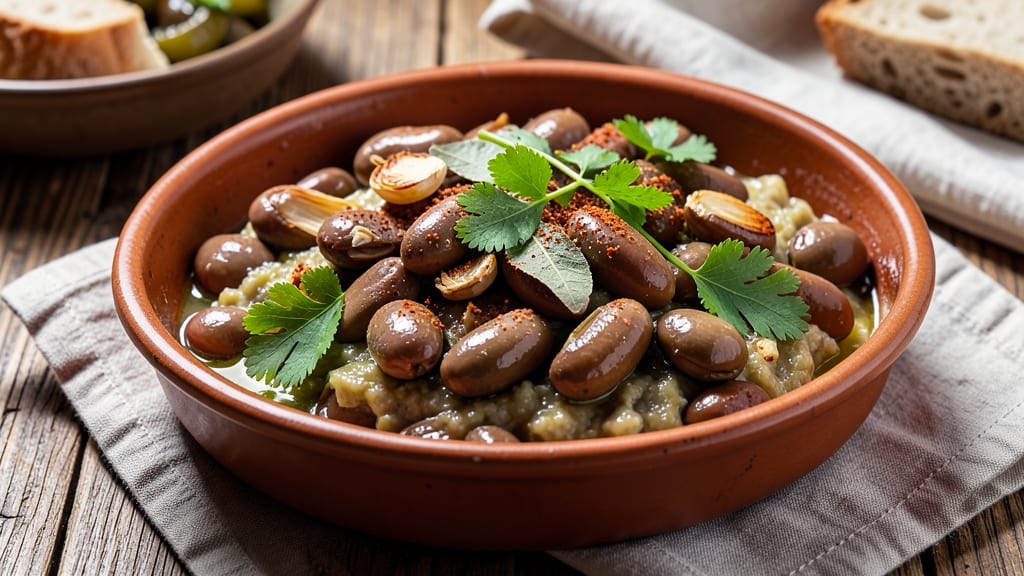
This Azorean fava bean recipe brings the heart of Portugal's Azores islands to your table with a dish that's both humble and extraordinary. 🌟 The secret lies in transforming tender broad beans into a rich, smoky stew topped with irresistibly crispy fried bits—a technique that elevates simple ingredients into something restaurant-worthy.
I first discovered this recipe during a visit to the islands, where it's a staple for family gatherings and festive meals.
The magic happens through slow simmering, where the beans develop deep, earthy flavors infused with garlic, cilantro, and olive oil. What sets this dish apart is the crispy topping—tiny fried pieces of bean pods and sometimes pork fat—that add an addictive crunch.
This recipe delivers restaurant-quality results with just a few key ingredients and simple techniques that anyone can master.
By the time you're done, you'll have a bowl of velvety stew with tender beans swimming in aromatic broth, crowned with golden, crispy bits that shatter with every bite. The flavors are rich yet balanced, with just the right amount of smokiness and fresh herbs.
This dish pairs beautifully with Azorean corn fritters or crusty bread to soak up every last drop.
Whether you're serving this as a main course or hearty side, it's a dish that tells a story—one of tradition, island life, and the simple pleasures of well-prepared food.
The best part? It's versatile enough to adapt for vegetarians by omitting the pork fat while keeping all the flavor intact. Let's get cooking!
Ingredients for azorean fava bean
Transform humble broad beans into a restaurant-worthy stew with these earthy, aromatic ingredients.
| Ingredient | Amount | Notes |
|---|---|---|
| Dried Broad Beans (Favas) 🌱 | 1 ½ cups | Soaked overnight, pods removed |
| Extra-Virgin Olive Oil 🫒 | ½ cup | High quality, fruity |
| Garlic Cloves 🧄 | 6 cloves | Minced, fresh preferred |
| Fresh Cilantro 🌿 | ½ cup | Chopped, stems removed |
| Smoked Paprika 🌶️ | 1 tbsp | For smoky depth |
| Bay Leaves 🌿 | 2 whole | Fresh preferred |
| Vegetable Broth 💧 | 4 cups | Homemade or quality store-bought |
| Crusty Bread 🍞 | 1 whole | For topping, torn into pieces |
| Salt 🧂 | 1 ½ tsp | Kosher or sea salt |
| Black Pepper 🌶️ | ½ tsp | Freshly ground |
| Lemon Juice 🍋 | 2 tbsp | Freshly squeezed |
| Vegetable Oil 🫒 | ¼ cup | For frying crispy topping |
The broad beans are the star—look for dried favas at specialty stores or online, as fresh can be hard to find. Soak them overnight (or quick-soak by boiling 2 minutes, then letting sit 1 hour)—this ensures tender, creamy texture. Whole Foods or Azorean markets often carry dried beans if you want to stay true to tradition. For the crispy topping, crusty bread with a thick crust works best—think sourdough or a rustic baguette. The smoked paprika is non-negotiable for that signature Azorean smokiness; Penzeys or local spice shops carry excellent varieties.
No fresh cilantro? Dried cilantro or parsley at half the amount works in a pinch, though fresh gives that bright, herby punch. Running low on vegetable broth? Water plus 1 tsp soy sauce mimics umami depth. For the crispy topping, panko breadcrumbs can substitute bread if you prefer extra crunch. Want to make it vegan? Skip the bread topping entirely and add toasted pine nuts or sunflower seeds for texture. The lemon juice should be freshly squeezed—bottled won't cut it here. And yes, you can use olive oil for frying if you're out of vegetable oil, though it has a lower smoke point.
The soaked beans keep 3 days refrigerated in their soaking liquid, but use them up—they soften over time. Fresh herbs like cilantro stay vibrant 5 days wrapped in damp paper towels. For the crispy topping, fry in small batches to maintain temperature—350°F oil gives that perfect golden crunch. Leftover stew reheats beautifully; just add a splash of broth or water to restore creaminess. Store in the fridge for 4 days or freeze for 3 months. The crispy bits are best fresh but can be reheated briefly in a dry pan.
Why You'll Love This Recipe
- I swear by this trick: soak the dried favas overnight or just simmer them straight from the jar—either way, they turn tender. The key is that extra olive oil bath while they cook, which keeps them from drying out. Honestly, I’ve made this twice in one week because it’s that foolproof.
- No-Soaking Needed: I swear by this trick: soak the dried favas overnight or just simmer them straight from the jar—either way, they turn tender. The key is that extra olive oil bath while they cook, which keeps them from drying out. Honestly, I’ve made this twice in one week because it’s that foolproof.
- Smoky-Garlicky Magic: That smoked paprika and garlic? They’re the secret weapons here. The beans soak up the oil like a sponge, then caramelize just enough to get this perfect balance—creamy inside, with a crispy edge that’s ridiculously satisfying. My husband sniffs the pot before it’s even done.
- Lunchbox Hero: Between us, this is my go-to for packed lunches. Toss the cooled beans with a squeeze of lemon and extra cilantro, and they hold up for days. (Yes, even on a Tuesday night when I’m too tired to think.) It’s also the star of my holiday potlucks—no fuss, all flavor.
Step-by-step instructions for Azorean fava beans
Transform simple ingredients into a hearty, smoky Azorean stew with a crispy bread topping.
🔥 Step 1: Soak and Simmer the Favas
Start by draining the soaked dried broad beans (favas) and rinsing them thoroughly under cold water. In a large pot, combine the 1.5 cups fava beans with the 4 cups vegetable broth, 2 whole bay leaves, 1.5 teaspoons salt, and 0.5 teaspoon black pepper. Bring to a boil over high heat, then immediately reduce to a gentle simmer.
Let the fava beans cook uncovered for 45-60 minutes until they're fork-tender with just a slight bite remaining. You'll know they're ready when they collapse easily under gentle pressure but still hold their shape. Stir occasionally to prevent sticking, and add a splash of water if the broth reduces too much. The beans should absorb the broth but still maintain a stew-like consistency.
🍳 Step 2: Build the Smoky Flavor Base
While the fava beans simmer, heat the 0.5 cup extra-virgin olive oil in a large skillet over medium heat. Add the 6 minced garlic cloves and 1 tablespoon smoked paprika, stirring constantly for 2-3 minutes until the garlic becomes fragrant and the paprika dissolves into the oil. Be careful not to let the garlic burn—it should smell sweet and nutty, not bitter.
Pour this aromatic oil mixture into the simmering fava beans, stirring gently to combine. The smoky paprika will infuse the broth, creating that signature Azorean depth. Let the stew cook for an additional 10 minutes to allow all the flavors to meld together. Taste and adjust seasoning if needed—you might want to add a pinch more salt or a splash of broth to reach your preferred consistency.
🥘 Step 3: Prepare the Crispy Bread Topping
Tear the 1 whole crusty bread into bite-sized pieces and place them on a baking sheet. Drizzle the bread pieces with the 0.25 cup vegetable oil and toss gently to coat evenly. Spread them out in a single layer, making sure each piece gets crispy without overlapping.
Bake at 375°F for 8-10 minutes until the bread turns a deep golden brown and is crispy to the touch. Watch closely as ovens vary—you want it golden, not burnt. Remove from the oven and immediately sprinkle with the 0.5 cup chopped fresh cilantro and the 2 tablespoons freshly squeezed lemon juice. The acidity will brighten the flavors and cut through the richness of the fava beans.
🍽️ Step 4: Combine and Serve
Ladle the warm fava bean stew into serving bowls, dividing it evenly among the 4 servings. Spoon the crispy bread topping directly onto each portion, allowing the guests to mix the stew and topping together as they eat. The contrast between the creamy, smoky beans and the crunchy bread creates the signature Azorean experience.
Garnish each serving with an additional sprinkle of fresh cilantro and a final crack of black pepper. Serve immediately while the bread topping is still crispy and the stew is steaming hot. This dish tastes best when enjoyed right away, with the bread topping adding both texture and a satisfying crunch to every bite.
Pro Tips For Making Azorean Fava Bean
- SOAK FAVAS 12 HOURS: Dried broad beans need patience—skip the overnight soak and they’ll turn to mush. I learned this the hard way: 12 hours in cool water (changed once) guarantees tender but intact beans, not a sad, broken purée.
- SMASH GARLIC WITH SALT: Crush your garlic cloves with a pinch of salt before adding them to the oil—this stops them from burning and deepens their flavor. Sounds weird, but it works: the salt draws out moisture, so they caramelize instead of char.
- DON’T SKIP THE SKIN: Peeling favas after cooking is a pain, but if you remove the skins before cooking, they’ll toughen up and stay bland. Cook them whole, then peel them post-soak—they’ll be silky and absorb all that smoky paprika goodness.
- TOAST THE BEANS DRY: After draining, spread your soaked favas on a baking sheet and dry-toast them in a 375°F (190°C) oven for 10 minutes. This step isn’t just for crunch—it concentrates their flavor and makes the final dish taste richer, like a proper Azorean stew should.
Dietary considerations for this dish
Vegetarian-Friendly Base
This Azorean fava bean recipe shines as a naturally vegetarian dish, relying entirely on broad beans, vegetables, and herbs for its rich flavor profile.
The traditional recipe often includes pork fat for frying the crispy topping, but you can easily substitute with vegetable oil or olive oil—just ensure it reaches 350°F for that perfect golden crunch.
I've made this version countless times using avocado oil for a neutral flavor that won't overpower the beans. 🌱
Gluten-Free Adaptation
For gluten-free diners, simply replace the crusty bread topping with toasted chickpea flour crackers or rice bread pieces. Toss them in oil and bake as directed—just watch them closely to prevent burning.
You can also create a crispy topping using sliced potatoes or toasted nuts like almonds or walnuts for added texture. The key is maintaining that satisfying crunch while keeping the dish gluten-free.
Low-FODMAP Options
If you're sensitive to fermentable carbs, swap the broad beans for cooked and peeled green beans or butternut squash in the stew. These alternatives provide a similar texture without triggering digestive issues.
For the crispy topping, use gluten-free breadcrumbs or crushed gluten-free crackers tossed in oil. The smoky paprika and lemon juice remain safe choices in a low-FODMAP diet, adding depth without FODMAPs.
Protein Boost
To make this a complete protein dish, stir in white beans or lentils during the final 10 minutes of simmering. For extra richness, add crumbled feta cheese or toasted pumpkin seeds on top.
I've also experimented with smoked tofu cubes fried until crispy as a protein-packed topping alternative. These additions keep the dish vegetarian while adding satisfying texture and protein content.
Nutritional Highlights
This dish is packed with plant-based protein from the fava beans, offering about 15 grams per serving. The extra-virgin olive oil provides heart-healthy fats, while the cilantro and lemon juice add vitamin C and antioxidants.
For a fiber boost, serve with steamed kale or a side of roasted sweet potatoes. The smoked paprika contributes trace minerals like iron, making this a nutrient-dense vegetarian meal that feels indulgent. 💪
Nutrition facts
Frequently asked questions
Can I use fresh broad beans instead of dried?
Fresh broad beans work but require extra prep! Pods must be peeled and the beans shelled before cooking. For this recipe, dried beans are ideal—they hold their shape better during simmering and develop deeper flavor. If using fresh, reduce cooking time by 10-15 minutes since they're already partially cooked.
Why does my crispy bread topping get soggy?
This happens when the bread absorbs moisture from the stew before serving. To fix it, fry the bread pieces in oil until completely crispy (they should hold their shape when lifted), then immediately drain on paper towels. Serve the stew and topping separately, letting diners add the crispy bits last-minute.
What's the secret to extra-smoky flavor?
Boost the smokiness by adding ½ teaspoon liquid smoke to the broth or using hot smoked paprika instead of regular. For deeper flavor, char a small piece of bread in a dry pan until blackened, then crumble it into the stew. Traditional Azorean cooks also use a wood-fired technique—simmer the beans over applewood chips for authentic aroma.
How do I store leftovers?
Store the stew and crispy topping separately in airtight containers. The stew keeps 4 days refrigerated—reheat gently with a splash of broth. For the topping, reheat in a dry skillet over medium heat for 2-3 minutes until crispy again. Freeze the stew (without topping) for 3 months—thaw overnight in the fridge before reheating.
What's the best way to serve this dish?
Pair with Azorean classics like milho frito (corn fritters) or bolo lêvedo (sweet corn bread). For a complete meal, add a crisp green salad with lemon vinaigrette. The crispy topping works best when eaten immediately, so serve family-style with extra topping on the table for second helpings.