
Side Dishes
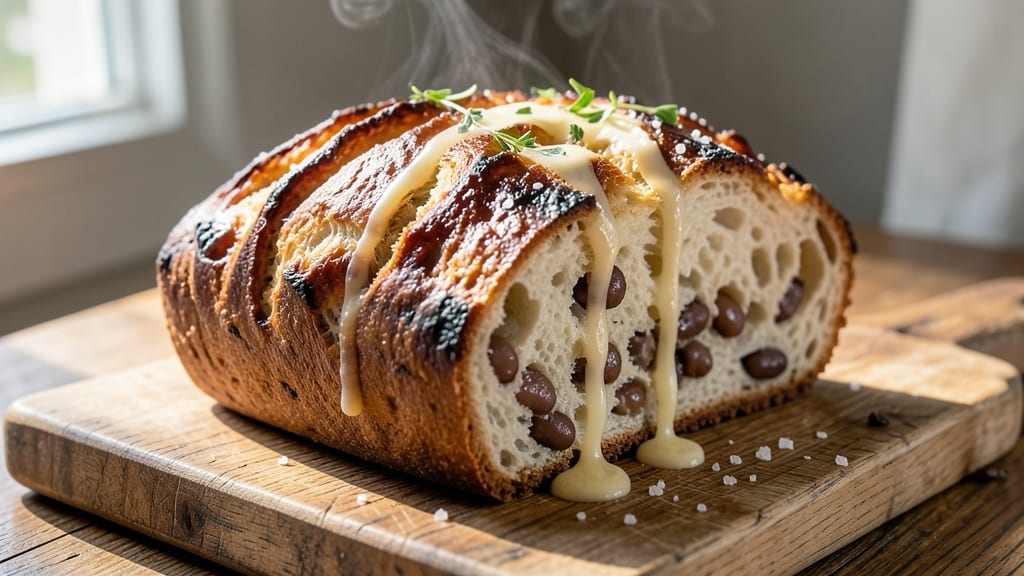
This baked bean bread recipe delivers the perfect balance of a crispy, golden crust and a gooey, savory bean heart that'll make your kitchen smell like a cozy diner. 💛 The secret lies in combining rich, slow-cooked baked beans with a simple yeast dough—creating a loaf that's both comforting and impressive.
I've perfected this technique over years of baking, ensuring every slice delivers that satisfying contrast of textures and flavors.
The beauty of this recipe is its simplicity—just a handful of ingredients, minimal effort, and a 30-minute bake time. The dough wraps around the beans like a warm embrace, while the beans infuse the bread with deep, smoky sweetness.
Whether you're serving it alongside a hearty stew or enjoying it as a standalone snack, this bread never fails to disappear quickly.
What you'll end up with is a loaf with a crispy crown that crackles with each bite and a soft, pillowy interior filled with gooey beans. The aroma alone will have everyone gathering around your table, and the taste?
Pure comfort food magic. This recipe is especially perfect for holiday gatherings or when you want to add a homemade touch to your meal.
Ready to bake? The process is straightforward, and the results are worth every minute. Let's get started on creating a loaf that'll become a staple in your kitchen! The combination of the dough's warmth and the beans' richness makes this bread a true crowd-pleaser.
Ingredients for baked bean bread
Just eight ingredients, one cozy aroma, and a loaf that disappears faster than you can slice it.
| Ingredient | Amount | Notes |
|---|---|---|
| Canned Baked Beans 🍲 | 15 oz | Drained, slightly mashed for texture |
| Active Dry Yeast 🍞 | 2 ¼ tsp | Or 1 packet (0.25 oz) |
| All-Purpose Flour 🌾 | 3 ½ cups | Plus 1 tbsp for dusting |
| Granulated Sugar 🍚 | 1 tbsp | Activates the yeast |
| Warm Water 💧 | ¾ cup | 110°F for yeast activation |
| Unsalted Butter 🧈 | ½ cup | Softened, full-fat preferred |
| Milk 🥛 | ½ cup | Whole milk for richness |
| Large Egg 🥚 | 1 whole | Room temperature |
| Salt 🧂 | 1 tsp | Kosher or sea salt |
| Brown Sugar 🍯 | 2 tbsp | Enhances bean sweetness |
| Ground Black Pepper 🌶️ | ½ tsp | Freshly cracked |
| Cornmeal 🌽 | 2 tbsp | For bread pan coating |
The beans make or break this—Hillshire Farm or Bush's are my go-tos, but any good-quality canned beans work. Drain them well, then give them a quick mash with a fork to break up some of the beans while keeping texture. Fresh baked beans (slow-cooked in the oven) add depth, but canned works in a pinch. For the yeast, Bob's Red Mill is reliable, but check the expiration date—old yeast won't rise. The butter matters here too: Land O'Lakes or Plugrá for that rich flavor. If you're in a hurry, microwave the butter 40 seconds to soften it—no waiting for it to sit out.
No yeast? Instant yeast works 1:1, but active dry is traditional. Short on butter? Olive oil at half the amount keeps things moist. The brown sugar enhances the bean sweetness—substitute white sugar if that's what you've got, but you'll lose some depth. For a tangier crust, add 1 tsp of apple cider vinegar to the dough. The cornmeal isn't just for the pan—sprinkle a little on top before baking for extra crunch. And if you're feeling fancy, swap half the milk for buttermilk—it makes the crust extra tender.
This dough needs time to rise—1-2 hours in a warm spot (like your oven with the light on). Shape it gently, and don't overwork it or the bread will get tough. Bake until the crown is deep golden and sounds hollow when tapped. Cool 10 minutes before slicing—trust me on this. Leftovers keep 3 days wrapped at room temp or 1 week in the fridge. For reheating, wrap a slice in foil and warm in a 350°F oven for 5 minutes—nothing beats that crispy-crust, gooey-center combo.
Why You'll Love This Recipe
- No Pantry Panic: I’ll never stress over missing ingredients again. Just open a can of baked beans, mix in flour and yeast, and you’re halfway there—no fancy substitutions needed.
- Sweet-Savory Magic: That sugar in the dough caramelizes just enough to balance the smoky beans, giving you a loaf that’s somehow both comforting and unexpected. (Yes, even my picky husband asks for seconds.)
- Leftover Hero: Slice it, toast it, or pack it—this bread lasts days without drying out. I’ve fed my kids school lunches with it for a week straight, and it’s still fresh.
- Budget Breakthrough: A single can of beans stretches into two loaves, and the rest of the ingredients cost pennies. Honestly, it’s the kind of recipe that makes me proud of my grocery bill.
Step-by-step instructions for baked bean bread
Here's how to create that perfect golden crust with a soft, bean-filled heart.
👨🍳 Step 1: Activate the Yeast for Maximum Rise
In a small bowl, combine the 2.25 tsp active dry yeast, 1 tbsp granulated sugar, and 0.75 cup warm water (110°F). Stir gently and let sit for 5-10 minutes until frothy. You'll see tiny bubbles forming—that's your yeast waking up and getting ready to work its magic.
I always check the water temperature first with my finger—it should feel warm but not hot. If you use water that's too hot, you'll kill the yeast before it even starts. This activation step is crucial for that light, airy texture we're after in the bread crown.
🍳 Step 2: Mix the Bean Filling for Perfect Texture
Drain the 15 oz canned baked beans and mash them lightly with a fork—just enough to break up the largest chunks while keeping some texture. In a separate bowl, mix the mashed beans with 2 tbsp brown sugar and 0.5 tsp ground black pepper. Set aside while you prepare the dough.
Here's where the magic happens: the brown sugar enhances the bean sweetness while the pepper adds a subtle kick. Don't skip the mashing—you want those beans to be spreadable but still recognizable in each bite. If the mixture looks too thick, add 1-2 teaspoons of milk to help it blend smoothly into the dough.
👨🍳 Step 3: Combine Wet Ingredients for Smooth Dough
In a large mixing bowl, combine the softened 0.5 cup unsalted butter, 0.5 cup milk, 1 whole large egg, and 1 tsp salt. Mix with a wooden spoon until smooth—this is your wet base. Add the activated yeast mixture and stir gently to incorporate.
This is the foundation of your bread. The butter adds richness while the egg provides structure. I like to mix just until combined—overmixing develops gluten too early, which can make the bread dense instead of light. The dough will look shaggy at this point, but that's normal.
🍳 Step 4: Incorporate Flour and Create the Dough
Gradually add the 3.5 cups all-purpose flour to the wet ingredients while stirring with a wooden spoon. Once the dough comes together, turn it out onto a lightly floured surface and knead for 5-7 minutes until smooth and elastic. You're looking for a dough that springs back when poked.
I know kneading can feel tedious, but this step develops the gluten that gives your bread that perfect structure. If the dough feels too sticky, add 1-2 tablespoons of flour at a time until it's manageable. The dough should be soft but not sticky when you're done.
🥘 Step 5: Shape and Proof the Dough
Divide the dough into two equal pieces. Shape each piece into a ball, then flatten slightly to create a well in the center. Press about half of the bean mixture into each well, then carefully fold the dough over to completely enclose the beans. Seal the edges well to prevent the filling from leaking during baking.
Place the shaped loaves in two greased 9x5-inch loaf pans that have been coated with 2 tbsp cornmeal (this prevents sticking). Cover with a clean kitchen towel and let rise in a warm place for 1-1.5 hours, or until doubled in size. The dough should feel light and springy when you press it gently.
🔥 Step 6: Bake for Crispy Crown and Gooey Center
Preheat your oven to 375°F. Bake the loaves for 45-50 minutes, or until the tops are deep golden brown and a toothpick inserted in the center comes out clean. The key here is patience—don't open the oven door early or you'll lose that beautiful rise.
For that perfect crispy crown, I brush the tops with a little milk right before baking. The milk caramelizes beautifully, creating a glossy finish. When you tap the bottom of the loaf, it should sound hollow—that's your signal it's done. Let cool in the pan for 10 minutes before transferring to a wire rack.
Pro Tips For Making Baked Bean Bread
- Drain and mash those beans: Dumping straight-from-the-can beans into your dough makes it waterlogged and gummy. Drain them first, then mash with a fork until they’re chunky but not pureed—you want texture, not mush.
- Skip the sugar shortcut: Granulated sugar feeds the yeast, but if you’re in a hurry, don’t just toss in brown sugar or honey as a substitute. Yeast digests sugar differently, and your bread might rise unevenly or taste off. Stick to the recipe’s sugar unless you’re willing to adjust yeast amounts too.
- Let the dough rest—really: After the first rise, resist the urge to shape it immediately. Let it sit another 10 minutes in the bowl, covered. This relaxes the gluten, so your loaf doesn’t collapse when baking. (Yes, even if you’re impatient like me.)
- Test yeast freshness first: If your yeast is old or stored in the fridge for months, it might not activate. Proof it in warm water with a pinch of sugar before mixing—if it doesn’t foam in 5 minutes, toss it and grab a new packet. Dead yeast = flat bread.
Wine and beer pairings for these flavors
Red Wine Pairings
For this rich, savory-sweet bread, I recommend a medium-bodied red wine that complements the bean's smoky depth without overpowering its caramelized crust. A Zinfandel from California—like Ravenswood—brings fruity notes of blackberry and plum that mirror the bean's natural sweetness while its slight tannins cut through the butter richness. 🍷
Another excellent choice is Chianti Classico from Tuscany, particularly a Sangiovese-based bottle. Its bright acidity and cherry flavors create a beautiful contrast with the bread's hearty texture. Look for a 2018 or newer vintage to ensure freshness and balance.
White Wine Options
If you prefer white, a dry Riesling from Germany or Alsace works surprisingly well. The wine's crisp acidity and hints of peach cleanse your palate between bites, while its mineral finish enhances the bread's crusty exterior.
Try a Dr. Loosen Blue Slate—it's my go-to for pairing with bean-heavy dishes. 🍷
For something lighter, an off-dry Gewürztraminer from Alsace adds floral notes that complement the bean's smoky sweetness. The wine's slight sweetness balances the bread's savory depth without making it taste heavy. Serve it slightly chilled (45-50°F) for the best experience.
Beer Pairings
A brown ale like Samuel Smith's Nut Brown Ale is my top beer recommendation. Its caramel and toasted malt flavors harmonize perfectly with the baked beans, while the slight roasted notes echo the bread's crust. The beer's moderate alcohol content (5% ABV) keeps the pairing refreshing. 🍺
For a lighter option, try a Belgian witbier such as Hoegaarden. The citrusy coriander and peppery spice notes cut through the bread's richness, creating a bright, refreshing contrast. Serve it ice-cold (38-40°F) to enhance its effervescence.
Craft Cocktail Idea
Want to elevate your serving? Mix a smoky old-fashioned with bourbon, maple syrup, and a dash of Laphroaig Scotch whisky for depth. The caramel and vanilla notes in the bourbon mirror the bean's sweetness, while the whisky's smokiness complements the bread's crust.
Garnish with an orange peel for a touch of brightness. 🍹
Nutrition facts
Frequently asked questions
Can I make this bread without yeast?
Yes! For a quick version, substitute the yeast with 2 tsp baking powder and 1 tsp baking soda in the dough. The texture will be denser but still delicious. You'll also want to skip the rising time and bake immediately at 375°F for 35-40 minutes—the bread will be ready when a toothpick comes out clean.
How do I prevent the beans from leaking out during baking?
Seal the dough edges tightly around the beans by pinching them firmly. For extra security, brush the dough with a little milk before folding—it helps create a better seal. If you're worried, you can also place the loaves on a baking sheet lined with parchment paper to catch any potential drips.
What can I substitute for canned baked beans?
You can use homemade baked beans (slow-cooked with brown sugar and molasses) for deeper flavor, or even refried beans if you prefer a smoother texture. For a vegetarian option, try white beans mixed with a little tomato paste and spices. Just adjust the liquid in the dough if your substitute is very wet.
Why did my bread turn out dense instead of light?
Dense bread usually means the yeast wasn't activated properly or the dough was overmixed. Make sure your water is 110°F (not hotter) and the yeast is fresh. Also, knead just until smooth—overworking develops too much gluten. For extra lightness, let the dough rise in a warm spot (like an oven with the light on) for the full 1-2 hours.
Can I make this bread in a single loaf pan instead of two?
Yes, but you'll need to adjust the baking time. Use a 9x13-inch pan and bake at 350°F for 50-55 minutes. The loaf will be wider and flatter, but still delicious! For best results, press the bean mixture into the center of the dough ball before shaping it into the pan.