
Main Courses
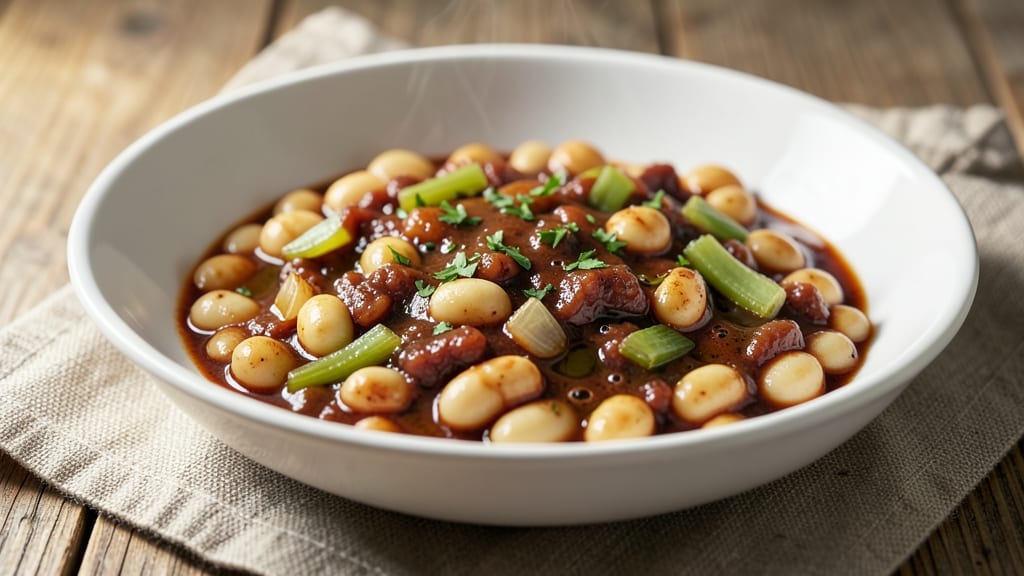
This bean bolognese recipe transforms humble ingredients into a rich, meaty-tasting sauce that clings to pasta like a velvety embrace. The secret lies in slow-cooked beans and caramelized onions, which develop deep umami flavors over time—no shortcuts here, just patient simmering that pays off with every forkful.
What makes this version special is how it mimics traditional bolognese while keeping it entirely plant-based, using techniques like wine reduction and herb blooming to build complexity.
The process begins with pre-cooked beans (for convenience) and aromatics that form the sauce's foundation—garlic, onions, and celery—cooked until soft and sweet. A splash of red wine adds acidity and depth, while crushed tomatoes and Italian herbs create that unmistakable bolognese character.
The long simmer (at least 45 minutes) allows flavors to meld into a thick, aromatic sauce that's heartier than most vegetarian sauces you'll find.
By the time you twirl that first forkful onto al dente pasta, you'll taste layers of flavor: the earthiness of beans, the sweetness of caramelized onions, and the bright acidity of tomatoes.
This sauce isn't just vegetarian—it's restaurant-quality, with a texture that clings perfectly to noodles or polenta. The best part? It tastes even better the next day as flavors continue developing.
Serve this bean bolognese over pasta, polenta, or crusty bread to soak up every last drop of that rich, herby sauce. The recipe scales easily, making it perfect for meal prep or feeding a crowd. Let's get cooking—this sauce will change how you think about vegetarian bolognese forever.
Ingredients for bean bolognese
Pantry staples and fresh aromatics create this restaurant-worthy vegetarian bolognese.
| Ingredient | Amount | Notes |
|---|---|---|
| Pre-Cooked Cannellini Beans 🌱 | 1 ½ cups | Drained and rinsed thoroughly |
| Yellow Onions 🧅 | 1 whole | Diced small for caramelization |
| Celery Stalks 🥬 | 2 whole | Diced finely for aromatic base |
| Garlic Cloves 🧄 | 4 cloves | Minced for deep flavor infusion |
| Extra-Virgin Olive Oil 🫒 | ½ cup | Fruity variety for richness |
| Dry Red Wine 🍷 | ½ cup | Bold Cabernet or Merlot preferred |
| Crushed Tomatoes 🍅 | 1 ½ cups | San Marzano preferred for sweetness |
| Vegetable Broth 💧 | 1 cup | Low-sodium preferred for balance |
| Tomato Paste 🍅 | 2 tbsp | Squeeze tube or canned |
| Dried Italian Seasoning 🌿 | 1 tbsp | Or 1 tsp each dried basil/oregano |
| Fresh Rosemary 🌿 | ½ tsp | Chopped finely for earthy notes |
| Bay Leaves 🌿 | 2 whole | Removed before serving |
| Sea Salt 🧂 | 1 tsp | Diamond Crystal preferred |
| Freshly Ground Black Pepper 🌶️ | ½ tsp | For finishing |
| Pasta 🍝 | 12 oz | Penne or rigatoni preferred |
The beans are the heart of this sauce—cannellini holds its shape while soaking up flavors, but kidney or pinto beans work too. Grab the dry cannellini from Whole Foods or your local market for the best texture, or use canned for convenience. The onions and celery form the holy trinity of bolognese—cook them until golden brown for that sweet, caramelized depth. Trader Joe's has pre-diced mirepoix if you're short on time, but fresh is always better. Garlic? Four cloves is the sweet spot—don't skimp, but don't overdo it either.
No red wine? Substitute with extra vegetable broth—just add 1 tbsp balsamic vinegar for acidity. San Marzano tomatoes are worth the splurge for their sweet, meaty texture, but any good crushed tomatoes will do. Dried Italian seasoning is a time-saver, but fresh basil and oregano (each 1 tbsp chopped) take this to the next level. The tomato paste? Squeeze tubes are perfect for single servings—no waste, and they keep for months. For extra richness, stir in 1 tbsp nutritional yeast at the end (it adds that umami punch without dairy).
This sauce tastes even better the next day as flavors meld—make extra and freeze portions for up to 3 months. Store in the fridge for 5-6 days, covered with a splash of olive oil to prevent skin formation. Pasta? Cook it al dente—this sauce clings to noodles like a dream. For meal prep, assemble the sauce in jars and refrigerate, then reheat with fresh pasta. The herbs? Add them fresh at the very end to preserve their bright flavor.
Why You'll Love This Recipe
- No-Chop Shortcut: I swear by pre-cooked cannellini beans here—no soaking, no simmering for hours. Just drain, toss in the pot with onions and celery, and let the garlic work its magic while you stir. (Yes, even on a Tuesday night.)
- Umami Bomb: That crispy edge from the olive oil searing the onions and celery? It’s the secret weapon. The beans soak up all the deep, savory flavors while staying tender—no mushy texture here, just pure satisfaction in every bite.
- Meal Prep MVP: This keeps perfectly for four days in the fridge, so I make a big batch and freeze half. Reheat it straight from frozen—no thawing—and it’s still hearty enough to feed a crowd or just me when I’m too tired to cook.
- Budget Magic: A can of beans replaces meat, but the flavor? Ridiculously good. Onions, celery, and garlic are pantry staples, so this recipe costs me half what a traditional bolognese would—without sacrificing a single layer of taste.
Step-by-step instructions for bean bolognese
This hearty sauce builds rich, earthy flavor through slow simmering—let's make it together.
Sauté the Aromatic Base
Heat the 0.5 cup extra-virgin olive oil in a large Dutch oven over medium-low heat. Add the 1 whole yellow onion and 2 whole celery stalks, both finely diced, and cook for 8-10 minutes until the onions turn translucent and the celery softens. Stir occasionally to prevent burning.
Here's the thing—this slow cook is crucial. You want the vegetables to caramelize slightly, deepening the sauce's flavor foundation. If the pan starts to smell too sharp, reduce the heat slightly. Add the 4 cloves minced garlic and cook for another 30 seconds until fragrant but not browned—garlic burns fast, so watch closely.
Build the Sauce with Tomatoes and Wine
Stir in the 2 tbsp tomato paste and cook for 1 minute until it darkens slightly. This step intensifies the tomato flavor and thickens the base. Pour in the 0.5 cup dry red wine and scrape up any browned bits from the bottom of the pot—those are packed with flavor. Let the wine simmer for 3-4 minutes until it reduces by half.
Add the 1.5 cups crushed tomatoes and 1 cup vegetable broth, then stir in the 1 tbsp dried Italian seasoning, 0.5 tsp chopped fresh rosemary, 2 whole bay leaves, 1 tsp sea salt, and 0.5 tsp freshly ground black pepper. Bring the mixture to a gentle simmer, then reduce heat to low. This is where the magic happens—let it cook uncovered for 15 minutes to meld the flavors.
Incorporate the Cannellini Beans
Add the 1.5 cups pre-cooked cannellini beans, drained and rinsed. Stir gently to combine, then increase heat to medium-low and let the sauce simmer for another 10-12 minutes. The beans will soften slightly and absorb the rich tomato flavor, creating a thick, hearty texture. Taste and adjust seasoning—you might need a pinch more salt or pepper, depending on your broth.
Real talk: If the sauce looks too thick, add 2-3 tablespoons of water to loosen it. You want a sauce that coats the back of a spoon but isn't watery. The beans should be tender but still hold their shape—this is what gives the bolognese its satisfying texture.
Cook the Pasta and Combine
While the sauce simmers, cook the 12 oz pasta in a large pot of salted boiling water until 1 minute shy of al dente. Reserve 1 cup of pasta water, then drain the pasta. Toss the hot pasta directly into the bean bolognese sauce, adding pasta water as needed to reach your desired consistency. Stir well and let it cook together for 2-3 minutes off heat—this ensures the pasta absorbs the sauce evenly.
Remove the 2 whole bay leaves before serving. The sauce should cling beautifully to each strand of pasta, with a deep, savory richness from the beans and a bright acidity from the tomatoes. Serve immediately with extra black pepper and a sprinkle of fresh rosemary if you like.
Pro Tips For Making Bean Bolognese
- CRUSH YOUR ONIONS: I learned this the hard way—slicing onions into thin rounds instead of mincing them turns your bolognese into a mushy, watery mess. Use a sharp knife and chop them into a fine dice (about 1/8-inch pieces) so they cook down evenly and release flavor without turning to paste.
- SAUTÉ CELERY LOW AND SLOW: Celery burns faster than you think, and burnt celery tastes like regret. Once your onions are translucent, reduce the heat to medium-low before adding the celery. Stir often—it’s the only way to guarantee it softens without darkening into something resembling charcoal.
- MASH BEANS HALFWAY: Skip this, and your bolognese will be a soupy, unappetizing blob. After simmering the beans with the sauce, mash about half of them with a fork or potato masher. This thickens the sauce naturally and gives you that perfect texture—creamy in spots, whole beans for bite.
- TOAST GARLIC IN OIL: Sounds weird, but it works: After cooking the onions and celery, add the minced garlic to the pot with a splash of olive oil (about 1 tablespoon) and let it sizzle for 30 seconds until it’s golden, not burnt. This step adds depth—trust me, your nose will thank you.
Perfect pairings for this dish
Pasta Pairings
This bean bolognese clings beautifully to rigatoni or penne thanks to their ridges that trap the sauce. For a rustic touch, try fettuccine or tagliatelle—their flat surfaces create a velvety finish.
If you prefer heartier options, casarecce (short tubes) or farfalle (bowties) work wonderfully. I always cook pasta 1 minute less than package instructions since it finishes in the sauce.
For a gluten-free option, brown rice penne or chickpea pasta hold up perfectly. The bean-based sauce pairs especially well with these alternatives, creating a cohesive plant-based meal. If you're feeling adventurous, toss with whole wheat spaghetti for added texture and nutrition. 🍝
Bread Sides
Serve this bolognese with crusty Italian bread or garlic bread to soak up every last drop of sauce. I love using a baguette sliced into thick pieces, brushed with olive oil, and toasted until golden. For extra flavor, add a sprinkle of Parmigiano-Reggiano and fresh parsley before serving.
Another great option is polenta—its creamy texture contrasts beautifully with the hearty sauce. Cook it until tender, then top with a generous spoonful of bolognese and a drizzle of extra-virgin olive oil. This combo feels indulgent yet remains light enough for a weeknight dinner. 🥖
Vegetable Additions
Brighten the dish with steamed broccoli or sautéed mushrooms—both add a fresh, earthy contrast to the rich sauce. I recommend roasting zucchini or bell peppers for a smoky sweetness that pairs perfectly. Toss them in the last 5 minutes of cooking to keep them vibrant.
For a pop of color, stir in sun-dried tomatoes or spinach just before serving. The acidity of sun-dried tomatoes cuts through the richness, while spinach wilts beautifully into the sauce. If you love texture, add toasted pine nuts or walnuts as a finishing garnish. 🥦
Cheese Finishes
Top your plate with grated Pecorino Romano or Parmigiano-Reggiano for a salty, umami-rich finish. I prefer Pecorino because its sharpness stands up to the beans' earthiness. For a dairy-free option, use nutritional yeast—it adds a cheesy flavor without the dairy.
If you're feeling fancy, drizzle with balsamic glaze or a swirl of aged balsamic vinegar for a tangy contrast. A sprinkle of fresh basil or parsley adds brightness and freshness. Trust me, these little touches elevate the dish from homemade to restaurant-worthy. 🧀
Nutrition facts
Frequently asked questions
Can I use canned beans instead of dry?
Canned beans save time and work perfectly in this recipe. Use 1.5 cups drained and rinsed cannellini beans (about 2 cans). For best results, choose low-sodium varieties and rinse thoroughly to reduce excess salt. The texture will be slightly softer than dried beans, but the flavor remains rich and satisfying.
How do I make this sauce thicker or thinner?
For a thicker sauce, simmer uncovered for 10-15 extra minutes to reduce the liquid. If it's too thick, stir in 2-3 tablespoons of vegetable broth or pasta water to loosen it. The ideal consistency coats the back of a spoon but remains saucy enough to cling to pasta. Avoid adding too much liquid at once to prevent thinning the flavor.
Can I make this ahead of time?
Yes! This sauce tastes even better the next day as flavors meld. Let it cool completely, then store in an airtight container in the fridge for 4-5 days or freeze for up to 3 months. Reheat gently on the stove with a splash of broth to restore texture. For meal prep, cook the pasta fresh when serving to maintain its al dente bite.
What's the best pasta shape for this sauce?
Ridged pastas like rigatoni or penne are ideal—they trap the sauce beautifully. For a smoother finish, try fettuccine or tagliatelle. Gluten-free options like brown rice penne or chickpea pasta work too, holding up well to the hearty bean sauce. Always cook pasta 1 minute less than package instructions for perfect al dente texture.
Why does my sauce taste bland?
Blandness often comes from skipping the wine reduction or under-seasoning. Always reduce the wine until it's nearly evaporated to concentrate flavors. Taste as you go and adjust with salt, pepper, or a pinch of sugar to balance acidity. Fresh herbs like basil or rosemary added at the end also brighten the dish. For extra depth, stir in 1 teaspoon soy sauce or miso paste during simmering.