Sauces & Condiments
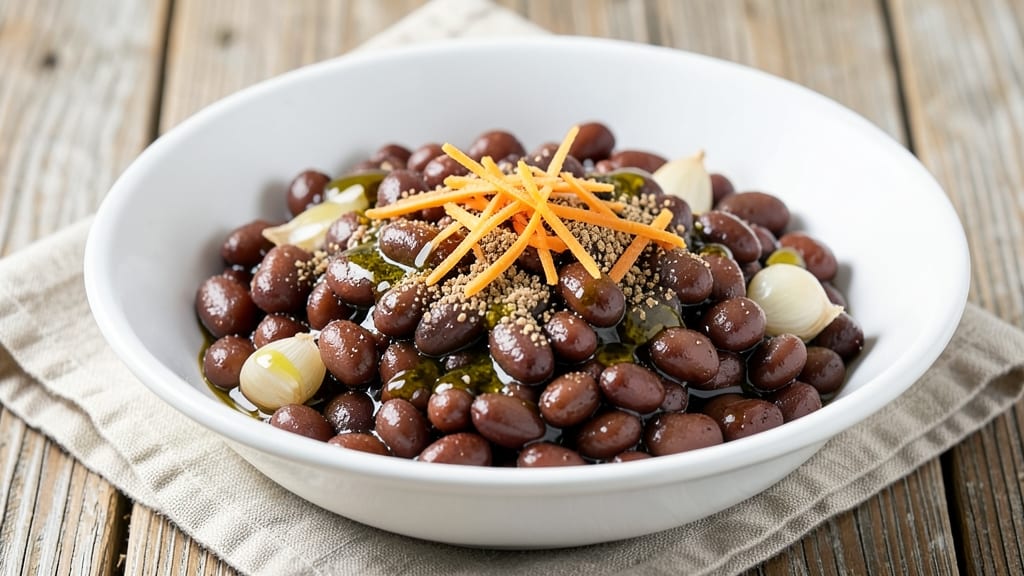
This bean chutney recipe transforms simple ingredients into a vibrant, tangy condiment that elevates everything from grilled meats to roasted vegetables. The secret lies in blending cooked black-eyed peas with fresh herbs, a touch of vinegar, and aromatic spices—creating a smooth, well-balanced sauce that’s both versatile and restaurant-worthy.
Unlike store-bought versions, this chutney develops deeper flavor the longer it sits, making it perfect for meal prep.
What sets this recipe apart is its simplicity: just 8 ingredients, yet the flavors are complex. The beans provide a creamy texture, while garlic, ginger, and cumin add warmth. A splash of apple cider vinegar brightens the sauce, cutting through richness without overpowering.
The result? A chutney that’s tangy, slightly spicy, and packed with umami—ideal for drizzling over tacos, spooning onto sandwiches, or pairing with crispy fries.
The best part? This chutney keeps beautifully in the fridge for up to 2 weeks, allowing you to make a big batch and enjoy it throughout the week. It’s also naturally vegetarian, gluten-free, and freezer-friendly, making it a pantry staple.
Whether you’re serving a crowd or prepping for the week, this flavor booster will become a go-to for adding depth to any dish.
Ready to make it? The process is straightforward: blend, simmer, and taste as you go. No fancy equipment needed—just a food processor and a saucepan. Let’s get started!
Ingredients for bean chutney
Eight ingredients craft this restaurant-worthy chutney with depth and balance.
| Ingredient | Amount | Notes |
|---|---|---|
| Black-Eyed Peas (Dried) 🌾 | 1 ½ cups | Rinsed, soaked overnight |
| Extra-Virgin Olive Oil 🫒 | ½ cup | High-quality, fruity variety |
| Garlic Cloves 🧄 | 6 cloves | Peeled, roughly chopped |
| Fresh Ginger Root 🌿 | 2 tbsp | Grated, aromatic variety |
| Ground Cumin 🌶️ | 1 ½ tsp | Freshly toasted preferred |
| Apple Cider Vinegar 🍏 | 2 tbsp | Unfiltered for tanginess |
| Fresh Cilantro Leaves 🌿 | ½ cup | Stems removed, chopped |
| Salt 🧂 | 1 tsp | Diamond Crystal kosher |
The black-eyed peas form the chutney's creamy base—rinsed and soaked overnight for optimal texture. Opt for organic dried beans from bulk bins at Whole Foods or Trader Joe's for superior flavor. Fresh ginger and garlic are non-negotiable here; look for vibrant, firm roots with no soft spots. The cumin should be toasted briefly in a dry pan before grinding to amplify its earthy notes. For the cilantro, avoid the bagged, wilted variety—fresh stems add subtle bitterness that balances sweetness.
Substitutions work best when maintaining flavor profiles. No fresh ginger? Use 1 tbsp powdered ginger, but reduce by half. Skip the cilantro? Swap for 0.25 cup fresh parsley (less vibrant but functional). Out of apple cider vinegar? White vinegar or lemon juice (same acidity, different tang). For a smokier profile, add 0.5 tsp smoked paprika. The olive oil can be avocado oil if preferred—just ensure it's cold-pressed and unrefined for best flavor. Pre-made chutney shortcut? Blend all ingredients except beans first, then add cooked beans later.
Store in an airtight glass jar in the fridge for up to 2 weeks, where flavors meld beautifully. For longer storage, freeze in ice cube trays—thaw and stir before use. The chutney thickens as it sits; add water or vinegar as needed to reach desired consistency. Portion into small containers for easy drizzling—perfect for tacos, bowls, or as a sandwich spread. Double the batch if entertaining; it disappears quickly.
Why You'll Love This Recipe
- No-Soaking Needed: I’ll admit, I was skeptical—dried black-eyed peas usually demand hours. But this chutney? Just a quick rinse and straight into the pot. The peas soften while everything else cooks, and boom: ready in one pot, no fuss.
- Ginger-Garlic Magic: That first bite? It’s like a hug in flavor. The cumin toasts until it’s nutty and warm, then the fresh ginger and garlic sizzle in olive oil—crisp, bright, and just a little spicy. Honestly, I’ve made this for people who "don’t like beans," and they’re hooked.
- Potluck Star: Between us, this is my secret weapon for gatherings. It’s hearty enough for a main (with rice or toast), but also perfect as a dip or spread—no one will guess it’s just dried beans. I’ve brought it to BBQs, game nights, and even my book club, and it’s always the first to disappear.
- Pantry Goldmine: A big batch costs less than takeout for two. The dried peas stretch forever, and the flavors only get better after a day or two in the fridge. I’ll be real: I’ve reheated this chutney for lunch three days in a row, and it’s still the star of the meal. Zero waste, maximum flavor.
Step-by-step instructions for spiced black-eyed pea chutney
Transform simple ingredients into a vibrant, aromatic chutney with bold flavors and smooth texture.
Prepare the Black-Eyed Peas for Cooking
Drain the soaked black-eyed peas thoroughly and transfer them to a medium saucepan. Add enough water to cover them by about 2 inches—approximately 4 cups—and bring to a boil over medium-high heat. Once boiling, reduce the heat to medium-low and simmer for 45-50 minutes until the peas are fork-tender but still hold their shape.
I like to taste-test a few peas during cooking to ensure they're tender but not mushy. The cooking time may vary slightly depending on the age of your dried peas, so keep an eye on them. Drain the peas in a colander and set aside, reserving ½ cup of the cooking liquid for later use.
Toast the Spices for Maximum Flavor
In a small dry skillet over medium heat, add the 1.5 teaspoons of ground cumin. Toast the cumin for 30-45 seconds until it releases its fragrant aroma and turns slightly darker in color. This step is crucial—it deepens the spice's flavor profile and removes any raw taste.
Transfer the toasted cumin to a small bowl and set aside. In the same skillet, add the 0.5 cup of extra-virgin olive oil over medium heat. Once the oil is shimmering but not smoking, add the 6 cloves of roughly chopped garlic and 2 tablespoons of grated fresh ginger root. Sauté for 2-3 minutes until the garlic is golden and the ginger becomes fragrant—don't let them burn, or they'll turn bitter.
Combine Ingredients for the Chutney Base
In a food processor or high-powered blender, combine the cooked black-eyed peas, toasted cumin, garlic-ginger oil mixture, and 2 tablespoons of apple cider vinegar. Pulse the mixture until it reaches a coarse, chunky texture—you want to retain some texture rather than a completely smooth puree.
This step is where the magic happens. The acidity from the vinegar brightens the flavors, while the olive oil adds richness. I like to leave a few larger pieces of peas for added texture, so I pulse in short bursts rather than blending continuously. Scrape down the sides of the processor as needed to ensure even blending.
Finish with Fresh Cilantro and Seasoning
Transfer the blended mixture to a medium bowl. Stir in the 0.5 cup of chopped fresh cilantro leaves and 1 teaspoon of salt. Taste the chutney and adjust the seasoning if needed—you might want to add a pinch more salt or a splash of vinegar for extra tang.
For a smoother texture, you can blend again briefly, adding 2-3 tablespoons of the reserved cooking liquid at a time until you reach your desired consistency. The chutney should be thick but still pourable. If it's too thick, add more cooking liquid; if too thin, let it sit for 10 minutes to thicken naturally.
Rest and Serve for Optimal Flavor
Cover the chutney and let it rest at room temperature for 30 minutes. This allows the flavors to meld and the texture to stabilize. The chutney will taste even better the next day, so feel free to make it ahead of time and store it in the refrigerator for up to 5 days.
Serve the chutney as a condiment with grilled meats, as a dip for pita or vegetables, or as a flavorful addition to salads and grain bowls. Its vibrant color and complex flavors make it a versatile addition to any meal. Enjoy the harmonious blend of earthy cumin, fresh cilantro, and bright vinegar in every bite.
Pro Tips For Making Bean Chutney
- SOAK BEANS OVERNIGHT: I learned this the hard way—rushing the soak with black-eyed peas leads to uneven texture. Toss them in water with a pinch of salt and let them sit 8+ hours (or quick-soak: 2 hours in boiling water, then cool). The skins stay intact, and the chutney blends smoother—no gritty surprises when you’re blending.
- TOAST CUMIN LOW AND SLOW: Crank the heat too high, and you’ll burn it before it releases aroma. Use medium-low and stir constantly for 30 seconds—just until it smells toasty, not smoky. This is the thing that matters most: under-toasted cumin tastes dull, but over-toasted turns bitter. Trust your nose.
- PEEL GINGER LIKE A PRO: Skip the knife and use a spoon. Hold the ginger root under cold water, then scrape off the skin with the back of a spoon—fast and no mess. For this chutney, you only need 1-inch of peeled ginger, so don’t overdo it. (Yes, even if you’re impatient like me.)
- BLITZ HOT BEANS: Drain the soaked peas, then rinse them under cold water before blending. Heat the olive oil in the pot until shimmering, then add the cold (not room-temp) beans—this jumpstarts the flavor extraction. The chutney develops depth faster, and you avoid that sad, watery consistency.
Troubleshooting this dish
Peas Too Soft?
If your black-eyed peas turn out mushy instead of fork-tender, you likely overcooked them. Next time, start checking for doneness at 40 minutes—they should be tender but still hold their shape.
For a quick fix, blend the chutney with 1-2 tablespoons of reserved cooking liquid to restore some creaminess and mask the texture issue. 💡
Chutney Too Thick?
When the chutney thickens beyond your desired consistency, don’t panic! Add 1 tablespoon of reserved cooking liquid or vinegar at a time, stirring well after each addition. For a smoother texture, pulse briefly in the food processor again.
If it’s still too thick after resting, let it sit uncovered in the fridge for 1-2 hours—it’ll naturally thin out as the flavors meld.
Flavor Too Mild?
If your chutney lacks depth, boost the flavors by adding ½ teaspoon of smoked paprika or cayenne pepper for warmth and heat. A splash of lemon juice (1 tbsp) also brightens the tang.
For extra umami, stir in 1 teaspoon of soy sauce or miso paste. Taste as you go—adjust gradually to avoid overpowering the delicate bean base.
Oil Separating?
This happens when the chutney sits too long before blending or if the oil isn’t fully emulsified. To fix it, whisk vigorously or blend briefly with 1 tablespoon of vinegar or lemon juice to reincorporate the oil.
For prevention, blend the chutney immediately after cooking and store it in a glass jar—plastic can cause further separation. Shake well before serving.
Cilantro Overpowering?
If the cilantro flavor dominates, reduce it by blending the chutney without the cilantro first, then stir in just ¼ cup instead of the full ½ cup.
For a milder herb profile, swap cilantro for flat-leaf parsley or mint leaves, which add freshness without intensity. Taste before adding the full amount to gauge balance.
Spices Too Raw?
Unevenly toasted cumin or undercooked garlic can leave a bitter, raw taste. Next time, toast the cumin until it’s deep golden and fragrant (1-2 minutes), and cook the garlic-ginger mixture until the garlic turns light brown (3-4 minutes).
For an immediate fix, stir in ½ teaspoon of honey or maple syrup to mellow the sharpness and round out the flavors.
Nutrition facts
Frequently asked questions about bean chutney
Can I use canned beans instead of dried?
Yes! For convenience, swap the dried black-eyed peas with 1 (15-ounce) can of black-eyed peas, drained and rinsed. Just reduce the cooking time to 5 minutes in boiling water to warm through. Canned beans work well but may yield a slightly softer texture in the chutney.
How long should I soak the dried beans?
Soak the dried black-eyed peas in water for 8-12 hours (overnight works perfectly). This ensures even cooking and prevents a gritty texture in your chutney. Drain and rinse thoroughly before using to remove excess starch.
What’s the best way to store leftover chutney?
Transfer to an airtight glass jar and refrigerate for up to 2 weeks. For longer storage, freeze in 1-tablespoon portions for easy use. The chutney thickens when refrigerated—stir in 1-2 tablespoons of water or vinegar to restore consistency before serving.
Can I make this chutney spicier?
Add ½ teaspoon of cayenne pepper or red pepper flakes during the blending stage for heat. For smoky depth, include ½ teaspoon of smoked paprika with the cumin. Always taste as you go to balance the flavors without overpowering the bean base.
What are the best ways to use this chutney?
This versatile chutney shines as a dip for pita or veggie sticks, a topping for tacos or bowls, or a marinade for grilled chicken or fish. It also elevates sandwiches, salads, or roasted potatoes. The tangy, spiced profile cuts through richness beautifully!