Side Dishes
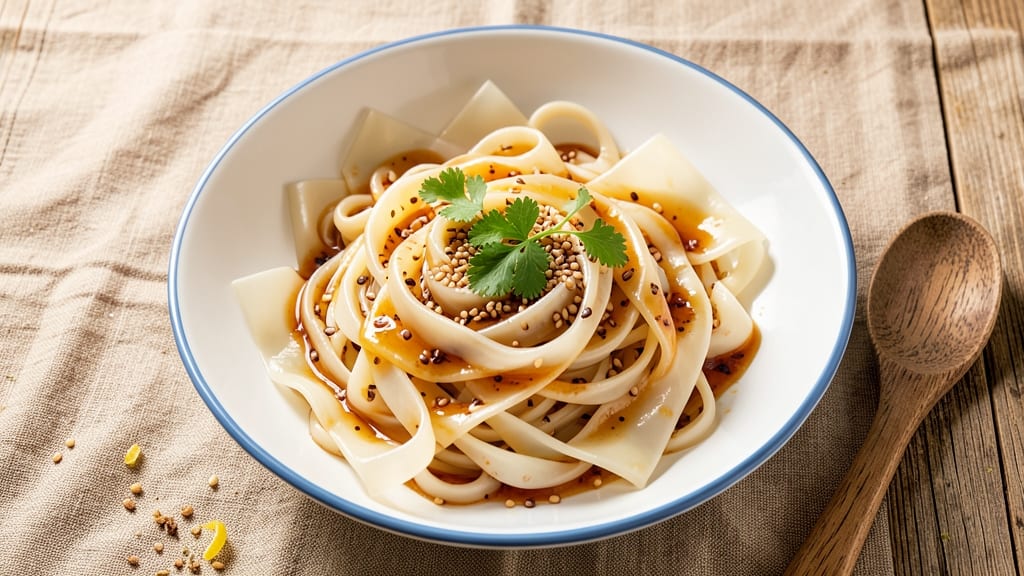
This bean curd sheets recipe transforms simple tofu skin into a crispy-fried wok noodle substitute that rivals traditional egg noodles. The secret lies in a quick boiling and frying process that creates a satisfying chew and golden-brown texture—perfect for stir-fries, soups, or even as a standalone snack.
I developed this method after discovering how versatile these sheets are in Asian cuisine, and the results are surprisingly restaurant-quality at home.
The beauty of bean curd sheets is their foolproof preparation—no special equipment needed beyond a pot, frying pan, and a little patience. Boiling the sheets just until pliable ensures they hold their shape, while high-heat frying delivers that coveted crispy texture.
The neutral flavor also makes them a blank canvas for bold sauces, whether you're tossing them in soy-ginger stir-fry or adding them to pho broth for extra body.
What you’ll end up with is a crispy, chewy noodle substitute that absorbs flavors beautifully while adding a satisfying texture. These sheets hold up perfectly in wok cooking, absorbing sauces without turning mushy, and they’re naturally vegan-friendly, making them a great plant-based alternative.
The best part? They’re ready in under 20 minutes, turning a simple pantry staple into a versatile ingredient for any meal.
Use them as a noodle replacement in your favorite Asian dishes or experiment with new recipes—this recipe is your gateway to a world of crispy, flavorful possibilities. Let’s get started with the step-by-step instructions to achieve that perfect texture every time.
Ingredients for bean curd sheets
Eight essential ingredients transform tofu skin into crispy wok noodles—no fancy equipment needed!
| Ingredient | Amount | Notes |
|---|---|---|
| Bean Curd Sheets (Dried Tofu Skin) 🥬 | 16 sheets | High-quality, thin sheets preferred |
| Vegetable Oil 🫒 | ½ cup | High smoke point for frying |
| Water 💧 | 4 cups | For boiling sheets |
| Salt 🧂 | 1 tsp | Diamond Crystal preferred |
| Sesame Oil 🫒 | 1 tbsp | For finishing (optional) |
| Soy Sauce 🍶 | 2 tbsp | For serving (optional) |
| Garlic Cloves 🧄 | 3 cloves | Minced for serving (optional) |
| Fresh Ginger 🌿 | 1 tbsp | Grated for serving (optional) |
| Cornstarch 🌾 | 1 tbsp | For coating (optional) |
The bean curd sheets are the star here—look for high-quality, thin sheets at Asian markets or online. Trader Joe's carries them, but 99 Ranch or H Mart have the best selection. Avoid thick or brittle sheets—they won’t crisp properly. Pro tip: Soak them in warm water for 30 seconds before boiling to soften slightly. The vegetable oil is non-negotiable—use something with a high smoke point like avocado or peanut oil for that perfect golden crunch. I always grab a small bottle of Kadoya brand sesame oil for finishing since it’s more flavorful than generic store brands.
No sesame oil? Toasted peanut oil works in a pinch, though the flavor will differ. Skip the cornstarch if you’ve got it, but it’s optional—just toss the fried sheets in it for extra crispiness. For serving, I love a mix of Kikkoman soy sauce and a splash of rice vinegar for brightness. Fresh ginger and garlic are ideal, but jarred minced garlic (the good kind, not the paste) is a lifesaver when you’re short on time. The key is keeping everything balanced—too much soy sauce makes them soggy, so start with just a drizzle and adjust to taste.
These sheets crisp up best when fried fresh, but they’ll stay crispy for about 15 minutes if kept in a 200°F oven on a wire rack. For longer storage, freeze them in a single layer on parchment paper for 1 month—they’ll keep their texture perfectly. I portion mine into resealable bags with parchment between layers to prevent sticking. Reheat in a dry pan for 2-3 minutes per side until crispy again. They’re amazing cold too—toss with peanut sauce for a quick snack!
Why You'll Love This Recipe
- No-Soaking Required: I’ll be real—this is one of those rare recipes where I don’t even bother with prep. Just toss the dried tofu sheets into boiling water for 3 minutes, and they’re ready. No waiting, no fuss, just pure convenience.
- Crispy-Creamy Magic: That first bite? Chef’s kiss. The sheets soak up just enough oil to get perfectly crispy on the edges while staying tender inside—plus a drizzle of sesame oil at the end takes it from good to “I need more.”
- Pantry Staple Power: Honestly, I keep a bag of these in my cupboard like pasta. They work for stir-fries, soups, or even as a quick snack—just fry them up with salt and call it a day. (Yes, even on a Tuesday night.)
- Budget Meal Multiplier: A single pack stretches for days. I’ll use half for dinner and save the rest for lunch the next day—no waste, no guilt. Plus, they’re cheaper than takeout, which is always a win.
Step-by-step instructions for crispy-fried bean curd sheets
Transform these delicate dried tofu skins into a wok noodle substitute with perfect crispiness and chewy texture.
Prepare the Bean Curd Sheets for Cooking
Fill a large bowl with the 4 cups of water and add the 1 tsp of salt. Stir until fully dissolved—this salty water will help the bean curd sheets soften evenly and develop that signature wok noodle texture. While the water heats, separate the 16 sheets of bean curd sheets and gently pat them dry with paper towels. This step prevents excess water from making them soggy during frying.
Place the dried sheets in the salted water and let them soak for 10-15 minutes. You'll know they're ready when they become pliable and slightly translucent—no longer brittle. Test one sheet by gently pressing it; it should bend without cracking. Don't soak them too long or they'll turn mushy. Drain the sheets thoroughly in a colander, shaking off any excess water.
Create the Crispy Cornstarch Coating
In a shallow dish, mix the 1 tbsp of cornstarch with a pinch of salt. This coating will create that irresistible crunch while keeping the interior chewy. Working in batches, gently press each softened bean curd sheet into the cornstarch mixture, coating both sides evenly. The sheets should look lightly dusted but not caked with starch. I like to handle them with dry hands to prevent sticking.
Let the coated sheets rest for 5 minutes while you prepare the oil. This brief resting period allows the cornstarch to adhere properly, ensuring maximum crispiness when fried. If you're short on time, you can skip this step, but the texture won't be quite as perfect.
Fry to Golden Perfection
Heat the 0.5 cup of vegetable oil in a large skillet over medium-high heat until it shimmers but isn't smoking—around 350°F. The oil should be hot enough to sizzle when you add the sheets. Working in batches of 4-5 sheets (don't overcrowd the pan), carefully add the cornstarch-coated sheets. Fry for 1-2 minutes per side until they turn a beautiful golden brown and develop crispy edges.
Watch closely during the last 30 seconds of frying—this is when the sheets develop their signature crunch. If they brown too quickly, reduce the heat slightly. Remove the fried sheets with a slotted spoon and drain on paper towels. Keep them warm in a 200°F oven while you fry the remaining batches. The sheets should be crispy on the outside with a satisfying chew in the center.
Finish with Flavorful Accompaniments
While the fried sheets are still warm, drizzle them with 1 tbsp of sesame oil and toss gently to coat. This adds a nutty depth that complements the crispy texture perfectly. For serving, prepare a simple sauce by combining the 2 tbsp of soy sauce with the minced 3 cloves of garlic and grated 1 tbsp of fresh ginger. Let this mixture sit for 5 minutes to allow the flavors to meld together.
Serve the crispy bean curd sheets immediately with the garlic-ginger soy sauce for dipping. The contrast between the crispy exterior and chewy interior makes this an incredible wok noodle substitute that holds up beautifully in stir-fries, soups, or even as a standalone snack. The key to success is maintaining that perfect balance of crispiness and chewiness—don't let them sit too long after frying or they'll lose their texture.
Pro Tips For Making Bean Curd Sheets
- SOAK THEM TWICE: Dried tofu skin is stubborn—soak it in warm water for 10 minutes first, then swap for cold water for another 10. The second soak removes the last of the grittiness and makes them pliable without turning to mush. (Yes, I tried the 30-minute shortcut—it’s a chewy disaster.)
- USE A FLAT PAN: Skip the wok if you’re frying these—use a flat-bottomed pan with just enough oil to coat the sheets. They’ll crisp evenly instead of curling into sad little boats. My first batch looked like edible origami because I panicked and used too much oil.
- SALT BEFORE FRYING: Toss the drained sheets with a pinch of salt before hitting the pan. It seasons the surface properly and prevents them from tasting bland even after frying. I learned this after making a batch that tasted like nothing but oil—don’t be that person.
- FINISH WITH SESAME OIL: Drizzle sesame oil over the hot pan after the sheets are golden, not before. A little goes a long way—just ½ teaspoon—and it adds aroma without overwhelming the crispy texture. (Pro move: Use toasted sesame oil if you’re feeling fancy.)
Essential equipment for great bean curd sheets
Essential Frying Pan
You only need one high-quality pan for perfect results—I recommend a 10-inch carbon steel wok or a non-stick skillet with sloped sides. Carbon steel conducts heat evenly and develops a natural non-stick patina over time, ideal for crispy textures.
If you're using non-stick, ensure it's heavy-bottomed to prevent hot spots. My go-to is a Made In wok from Trader Joe's—it's affordable and handles high heat beautifully. 🔥
Oil Thermometer
An instant-read thermometer (like the Thermoworks Thermapen) is your secret weapon for maintaining 350°F oil temperature. Without one, it's easy to overheat the oil, burning the sheets before they crisp. I test the oil by dropping a pinch of cornstarch—if it sizzles immediately, it's ready.
For a budget option, a cheap popcorn thermometer works in a pinch, but it won't be as precise. 🌡️
Colander & Slotted Spoon
A fine-mesh colander (like the OXO Good Grips) is crucial for draining the soaked sheets thoroughly—excess water ruins crispiness. Pair it with a long-handled slotted spoon (I use a 12-inch stainless steel one) to safely flip and remove the fried sheets.
The slotted design prevents oil splatter when draining. For extra efficiency, keep a paper towel-lined plate nearby to transfer fried sheets immediately. ✨
Bamboo Steamer (Optional)
If you prefer steaming over frying (for a lighter texture), a bamboo steamer with a heat diffuser is perfect. I use a 14-inch round steamer from Amazon, which fits snugly over a pot.
Steam the sheets for 8-10 minutes until pliable, then pan-fry briefly for crispiness. This method is great for meal prep—steamed sheets reheat beautifully in the oven. 🌿
Oven for Keeping Warm
To maintain crispiness while frying batches, preheat your oven to 200°F. Place fried sheets on a wire rack (not a plate) to prevent sogginess. A simple cooling rack from Target works perfectly.
This keeps them warm and crispy for 15-20 minutes, giving you time to fry all the sheets before serving. Pro tip: Line the rack with parchment paper for easy cleanup. 💛
Nutrition facts
Frequently asked questions
Can I use bean curd sheets in soups instead of stir-fries?
These sheets hold up beautifully in soups like pho or miso broth. Simply fry them until crispy, then add them to hot soup for 1-2 minutes to warm through while maintaining texture. They add a delightful chew and absorb flavors without turning mushy. For extra richness, toss them in sesame oil before adding to the broth.
What if my bean curd sheets turn out soggy instead of crispy?
Sogginess usually means one of two things: either the sheets weren't drained well after soaking, or the oil wasn't hot enough. First, ensure you pat them dry thoroughly with paper towels before frying. Second, maintain 350°F oil temperature—if it's too cool, the sheets will absorb oil instead of crisping. For extra insurance, double-check your batches aren't overcrowding the pan.
How do I store leftover fried bean curd sheets?
Store them in an airtight container at room temperature for 3-4 days, but they'll lose crispiness quickly. For longer storage, freeze them in a single layer on parchment paper for 1 month. To reheat, pan-fry in fresh oil for 1-2 minutes per side until crispy again. They also taste great cold in salads or as a snack with peanut sauce.
Can I make these sheets gluten-free?
Yes! Simply omit the cornstarch coating and fry the sheets plain. For extra crispiness, lightly brush them with melted vegetable oil before frying. The sheets themselves are naturally gluten-free, so this method works perfectly for gluten-sensitive diets. Just be mindful that without cornstarch, the texture will be slightly less crunchy but still delicious.
What are some creative ways to use these sheets beyond stir-fries?
Try using them as a crispy topping for ramen, a crunchy wrap for spring rolls, or even as a vegan "chicharon" in tacos! For a snack, cut them into strips and bake at 375°F for 5-7 minutes until crispy. They also make a great noodle substitute in cold sesame noodle salads or as a crunchy element in fried rice.