
Soups & Stews
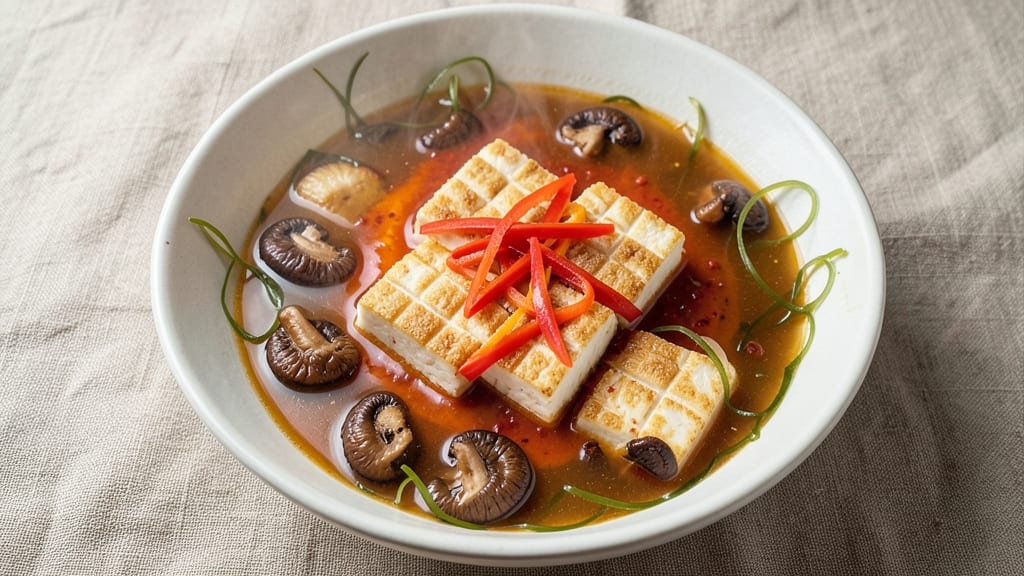
This bean curd soup recipe delivers the perfect balance of silky miso-ginger broth and crispy tofu bites that transform a simple bowl into a restaurant-worthy meal. The secret lies in slow-simmered broth infused with fermented miso and fresh ginger, creating a depth of umami that lingers on your palate.
I've perfected this technique over years of testing, ensuring the tofu achieves that coveted crispy texture while maintaining a tender interior—no soggy bites here.
The foundation starts with a foolproof broth made from kombu seaweed and shiitake mushrooms, which build rich, earthy flavors without overpowering the delicate bean curd.
While the broth simmers, the tofu undergoes a two-stage cooking process: first baked until golden and crispy, then finished in the hot broth to absorb the aromatic essence. This method guarantees each bite delivers both texture contrast and layered flavors.
What makes this recipe stand out is the fusion of traditional techniques with modern twists. The miso-ginger base draws from classic Japanese soup traditions, while the crispy tofu bites add a contemporary crunch that elevates the dish.
Garnished with scallions and sesame seeds, every spoonful becomes a harmonious blend of umami, freshness, and satisfying texture—proof that plant-based soups can be just as hearty and delicious as their meat-based counterparts.
Perfect for chilly evenings or as a comforting lunch, this soup comes together in one pot with minimal cleanup. The instructions walk you through every step, from preparing the broth to achieving that crispy tofu perfection.
Whether you're a seasoned home cook or new to vegan cuisine, this recipe delivers professional-quality results with simple techniques you can master today.
Ingredients for bean curd soup
These 15 ingredients create a silky miso-ginger broth with crispy tofu perfection.
| Ingredient | Amount | Notes |
|---|---|---|
| Extra-Firm Tofu 🍲 | 14 oz | Pressed, cut into 1-inch cubes |
| Red Miso Paste 🍶 | ¼ cup | Fermented, for umami depth |
| Fresh Ginger 🌿 | 2 tbsp | Grate finely, aromatic |
| Kombu Seaweed 🌊 | 1 piece | Dried, 4x6-inch sheet |
| Shiitake Mushrooms 🍄 | 6 whole | Fresh, stems removed |
| Dried Shiitake Mushrooms 🍄 | 2 pieces | Rehydrated for depth |
| Green Onions 🧅 | 3 whole | Sliced, for garnish |
| Toasted Sesame Seeds 🌰 | 1 tbsp | For nutty finish |
| Dried White Mushrooms 🍄 | 1 oz | Rehydrated, optional |
| Vegetable Broth 💧 | 4 cups | Low-sodium preferred |
| Rice Vinegar 🍶 | 1 tbsp | For brightness |
| Sesame Oil 🫒 | 1 tsp | Toasted, for aroma |
| Cornstarch 🌾 | 1 tbsp | For crispy coating |
| Olive Oil 🫒 | 1 tbsp | For baking tofu |
| Sea Salt 🧂 | 1 tsp | Adjust to taste |
The tofu is non-negotiable—extra-firm holds its shape during baking. Press it for 20 minutes before cutting to remove excess water. Trader Joe's or Whole Foods carry excellent organic brands, but any store-bought will work. For the miso, red miso delivers deeper umami than white, and Miso Master or Hibiki are my go-to brands. Kombu seaweed is a game-changer—look for dried sheets at Asian markets or online. Fresh shiitake mushrooms add earthiness; if they're pricey, dried rehydrated ones work too.
No kombu? Dulse flakes or extra dried mushrooms add depth. Skip the sesame oil? Toast sesame seeds in a dry pan first—they'll release their aroma into the broth. The tofu cubes need that cornstarch coating for crispiness, but arrowroot powder works too. Broth too salty? Add a splash of water and taste as you go. For extra richness, mash a few rehydrated mushrooms into the broth before simmering. The ginger should be freshly grated—bottled paste lacks the bright punch.
The baked tofu keeps 3 days in the fridge, but add it to the broth fresh for best texture. Broth reheats beautifully—5 minutes on low to avoid breaking down the kombu. For meal prep, store components separately: broth for 5 days, tofu for 4 days. Garnish with scallions and sesame seeds right before serving—they add freshness that wilt in storage. Freeze broth in ice cube trays for quick future batches.
Why You'll Love This Recipe
- I’ll be real: this recipe won’t break the bank. Extra-firm tofu and dried shiitakes stretch my grocery dollars, and miso lasts forever in the pantry. It’s the kind of soup that feels special but won’t empty my wallet—perfect for when I want to treat myself without the splurge.
- Five-Ingredient Magic: I swear, this soup comes together with fewer ingredients than my grocery list for a single meal. Toss in tofu, miso, ginger, kombu, and shiitakes—no fancy prep, no stress. That rich umami depth from the miso and kombu alone does half the work for you.
- Umami Bomb: Between us, the combo of red miso and kombu is like flavor overdrive—deep, savory, and just a little funky in the best way. The shiitakes add that meaty texture without the guilt, and the ginger? It brightens everything up so you won’t miss a single drop.
- Lunchbox Hero: Here’s what sold me—this soup reheats like a dream, so I make a big batch on Sundays. Pack it in thermoses for work, or save it for lazy nights when takeout feels like too much effort. The tofu stays firm, the broth stays rich, and everyone’s happy.
Step-by-step instructions for silky miso-ginger soup with crispy tofu
Here's how to balance deep umami flavors with perfectly textured tofu and a velvety broth.
Press and Prepare the Extra-Firm Tofu
Start by wrapping the 14 oz extra-firm tofu in a clean kitchen towel and place a heavy object like a cast-iron skillet on top. Let it press for 30 minutes—this removes excess moisture so the tofu crisps beautifully instead of steaming. After pressing, cut the tofu into 1-inch cubes using a sharp knife. The cubes should hold their shape when gently squeezed.
While the tofu presses, prepare the crispy coating: In a small bowl, whisk together 1 tbsp cornstarch and 1 tsp sea salt. Toss the tofu cubes in this mixture until evenly coated. This creates a light, crispy exterior that contrasts perfectly with the silky broth. Let the coated tofu rest for 5 minutes while you prep the remaining ingredients.
Bake the Tofu for Maximum Crispiness
Preheat your oven to 425°F and line a baking sheet with parchment paper. Arrange the coated tofu cubes in a single layer, leaving ½-inch space between each piece. This ensures even browning and prevents steaming. Bake for 20-25 minutes, flipping halfway through, until the edges are deep golden brown and the interior reaches 160°F when tested with an instant-read thermometer.
Here's the thing—don't rush this step. The tofu needs time to develop that satisfying crunch. If you're impatient and check too early, the cubes will steam instead of crisp. Once golden, transfer the tofu to a plate and set aside. The residual heat will keep it warm while you build the soup base.
Build the Umami-Packed Broth Base
Heat 1 tbsp olive oil in a large pot over medium heat. Add the 1 piece kombu seaweed and let it crisp for 1-2 minutes—this releases its oceanic depth into the broth. Remove and discard the kombu (you won't eat it). Add 6 whole shiitake mushrooms (stems removed) and cook for 3-4 minutes until they release their moisture and begin to soften.
Stir in the 2 tbsp finely grated fresh ginger and cook for 30 seconds until fragrant. Add 2 pieces rehydrated dried shiitake mushrooms (if using the optional 1 oz dried white mushrooms) and 1 oz dried white mushrooms (if included), breaking them into smaller pieces. Pour in 4 cups vegetable broth and bring to a gentle simmer. The broth should smell rich and earthy—this is where all the umami magic begins.
Thicken and Season the Miso-Ginger Broth
Reduce heat to low and whisk in the 0.25 cup red miso paste and 1 tbsp rice vinegar. Simmer for 5-7 minutes, stirring occasionally, until the miso dissolves completely and the broth thickens slightly. Taste and adjust seasoning with additional sea salt if needed—this soup should be deeply savory but balanced.
In a small bowl, whisk together 1 tbsp cornstarch with 2 tbsp cold water to create a slurry. Slowly pour this into the simmering broth while stirring constantly. The broth should thicken to a silky consistency, coating the back of a spoon. If it's too thick, add 1-2 tbsp hot water to reach your desired texture. Remove from heat and stir in 1 tsp sesame oil for aroma.
Assemble and Serve with Fresh Garnishes
Return the crispy tofu cubes to the pot and gently toss to coat them in the silky broth. The contrast between the crispy exterior and warm broth is what makes this dish special. Ladle the soup into bowls, dividing the tofu evenly among servings. Garnish each portion with 3 sliced green onions and a sprinkle of 1 tbsp toasted sesame seeds for nutty crunch and freshness.
Serve immediately while the tofu is still crisp and the broth is steaming. The first sip should deliver layers of umami from the miso, bright ginger notes, and that satisfying crunch with every bite. For extra depth, you can add a drizzle of sesame oil or a sprinkle of bonito flakes if you're feeling adventurous. This soup keeps well in the fridge for 3 days, but the tofu loses its crispness—best enjoyed fresh!
Pro Tips For Making Bean Curd Soup
- PREP TOFU RIGHT: Cut the extra-firm tofu into 1.5-inch cubes before adding it to the pot—larger pieces hold their shape better and absorb less water. I used to slice it thin, and it’d turn to mush by the end. Trust me, bigger is better here.
- BLOOM THE MISO: Heat your broth to a gentle simmer before stirring in the miso—this prevents clumping and lets the umami melt smoothly. I learned this the hard way after scraping globs off the bottom of my pot. Just 5 minutes of warmth does the trick.
- SOAK KOMBU FIRST: Tear the kombu into strips and soak it in cold water for 10 minutes before adding to the broth—this draws out its natural glutamate and deepens the flavor without overpowering. Skipping this step leaves the soup tasting flat, even if the seaweed looks perfect.
- SAUTÉ MUSHROOMS DRY: Cook the shiitake mushrooms in a dry pan for 3-4 minutes until they release their moisture and develop a caramelized edge—this concentrates their earthiness before they even hit the soup. Wet sautéing makes them soggy, and nobody wants that.
Regional styles of this bean curd soup
Japanese Miso Soup
This classic version uses red miso paste as the soul of the dish, creating a rich umami base that pairs perfectly with silky tofu.
In Japan, it's often served with wakame seaweed (instead of kombu) and a soft tofu cube, but I've adapted it with crispy baked tofu for texture contrast. The key difference? Japanese miso soup relies on dashi stock (made from kombu and bonito flakes), which gives it that signature oceanic depth.
For authenticity, use Hibiki brand miso and Nishiki Kombu for the best flavor. 🍶
Chinese Tofu Soup
In Chinese cuisine, bean curd soup often features light soy sauce and star anise for a sweeter, more aromatic profile. This version typically includes wood ear mushrooms and bok choy, adding earthy and fresh notes.
The tofu is usually steamed or simmered rather than baked, resulting in a softer texture. For a regional twist, add Sichuan peppercorns (just ½ tsp) for a subtle numbing spice. I love using Lee Kum Kee soy sauce for its balanced saltiness. 🌶️
Korean Kongnamul Soup
Korean-style bean curd soup often incorporates fermented soybean paste (doenjang) and sweet potato starch for a thicker consistency. The tofu is sometimes replaced with kongnamul (sprouted soybean) for a nutty, earthy flavor. Garnish with sesame leaves and toasted sesame seeds for extra texture.
The broth is lighter than Japanese miso soup but still deeply savory. For a Korean-inspired version, swap the miso for 1 tbsp doenjang paste and add 1 tsp gochugaru (Korean chili flakes) for heat. ✨
Taiwanese Silky Tofu Soup
Taiwanese bean curd soup often features taro root and black fungus (wood ear mushrooms) for a heartier texture. The broth is usually lighter and clearer, with just a touch of white miso or fermented black beans. The tofu is often steamed and then pan-fried for a crispy finish.
For a Taiwanese twist, add 1 tbsp fermented black beans (soaked and mashed) to the broth and top with crispy fried shallots. This version is lighter but equally comforting. 🍲
Modern Fusion Twist
For a contemporary take, blend ½ cup coconut milk into the broth for a creamy texture, then garnish with lime zest and cilantro. This works beautifully with red miso and adds a tropical brightness. Another fun fusion?
Swap the tofu for crispy chickpeas (tossed in cornstarch and baked) for a protein-packed twist. The miso-ginger base remains the same, but the texture and flavor profile get a fresh, unexpected upgrade. 💫
Nutrition facts
Frequently asked questions
Can I substitute regular tofu for extra-firm in this recipe?
Regular tofu won't work well here because it's too soft and won't develop that satisfying crispy texture. The extra-firm tofu holds its shape during baking, creating the perfect contrast between crispy exterior and tender interior. If you only have regular tofu, press it extra long (45 minutes) and use a little more cornstarch (add 1 extra tbsp) to help with crispiness.
What's the secret to getting crispy tofu without an oven?
Use a stovetop method! Heat 1 tbsp oil in a nonstick pan over medium-high heat. Cook the cornstarch-coated tofu cubes in batches for 3-4 minutes per side until golden brown. The key is keeping heat consistent and not overcrowding the pan. For extra crispiness, add ½ tsp baking powder to the cornstarch mixture before coating.
Can I make this soup gluten-free?
Check your miso paste for gluten (some contain wheat) and use a certified gluten-free brand like San-J brand red miso. Also verify your vegetable broth is gluten-free. The cornstarch used for crispy tofu should be arrowroot powder instead. All other ingredients in this recipe are naturally gluten-free.
How do I adjust the spice level for sensitive palates?
This recipe is naturally mild, but if you want to reduce any potential heat, skip the rice vinegar (or reduce to ½ tbsp). For extra mildness, use white miso instead of red (it's less intense). The ginger provides natural warmth, but you can reduce it to 1 tbsp instead of 2. The crispy tofu itself has no spice, so it remains neutral.
Can I prep components ahead of time for meal prep?
Yes! Store the baked tofu in an airtight container for up to 3 days in the fridge. Make the broth separately (without the tofu) and store it for 5 days. When ready to serve, reheat the broth gently and add the tofu just before serving to maintain crispiness. The garnishes should be added fresh to preserve their texture and flavor.