
Soups & Stews
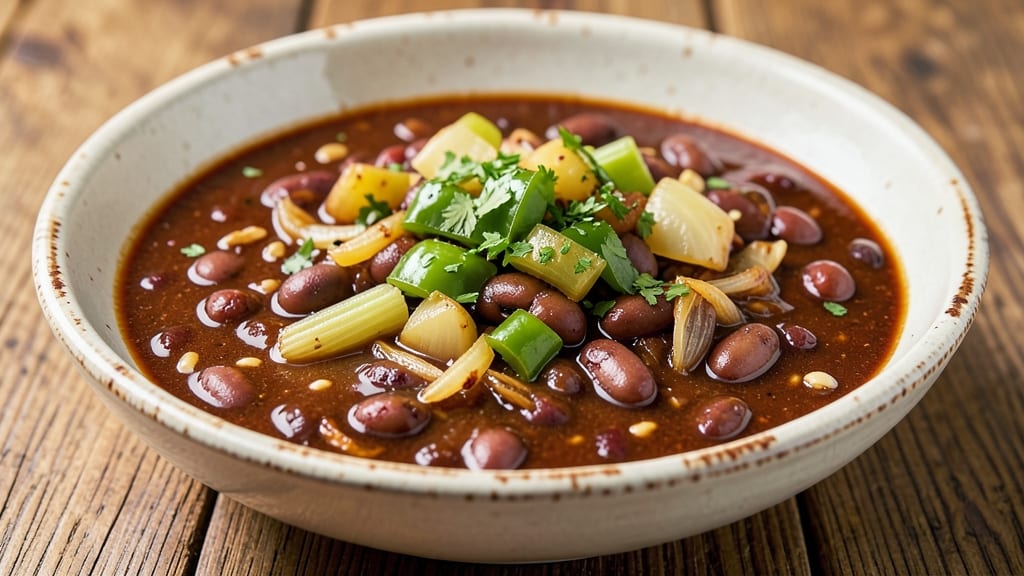
This bean gumbo recipe delivers the rich, smoky depth of Louisiana tradition in a one-pot vegetarian stew that builds flavor layer by layer. The foundation? A dark roux cooked until it hums with nutty, caramelized aroma—this is where the magic begins.
I've perfected the balance of Cajun spices and the trinity (onions, celery, bell peppers) to create a gumbo that's hearty enough for a cold evening but vibrant enough to feel fresh.
The secret lies in patience—letting the roux develop its signature color before gradually adding beans, vegetables, and vegetable broth. This method transforms simple ingredients into something deeply satisfying, with each bite offering a symphony of textures from tender beans to caramelized onions.
The recipe adapts easily to vegan diets while keeping the soul of traditional gumbo intact.
By the time you're done, you'll have a smoky, flavor-packed stew that pairs perfectly with cornbread or steamed rice. The aroma alone will have everyone gathering around the table, and the first spoonful delivers on that promise of Louisiana comfort.
This is gumbo that feels authentic without requiring specialty ingredients—just time and attention.
Whether you're feeding a crowd or meal prepping for the week, this gumbo scales beautifully while maintaining its restaurant-quality depth. The long simmer develops flavors that only improve over time, making it even better the next day. Let's get cooking—your taste buds will thank you.
Ingredients for bean gumbo
Dark roux, smoky spices, and hearty beans make this gumbo rich and satisfying.
| Ingredient | Amount | Notes |
|---|---|---|
| Vegetable Oil 🫒 | ½ cup | For dark roux development |
| All-Purpose Flour 🌾 | 1 ½ cups | White flour preferred |
| Yellow Onions 🧅 | 2 whole | Diced, medium size preferred |
| Green Bell Peppers 🌶️ | 2 whole | Diced, any color works |
| Celery Stalks 🥬 | 3 whole | Diced, leafy parts trimmed |
| Garlic Cloves 🧄 | 4 cloves | Minced for depth of flavor |
| Smoked Paprika 🌶️ | 2 tbsp | For authentic smoky flavor |
| Dried Thyme 🌿 | 1 tsp | Or 1 tbsp fresh thyme leaves |
| Dried Oregano 🍃 | 1 tsp | Mexican oregano preferred |
| Ground Black Pepper 🌶️ | ½ tsp | Freshly cracked for heat |
| Cajun Seasoning 🌶️ | 1 ½ tbsp | Store-bought or homemade blend |
| Vegetable Broth 💧 | 4 cups | Low-sodium preferred |
| Canned Diced Tomatoes 🍅 | 1 can | San Marzano if available |
| Cajun File Powder 🌶️ | ½ cup | Or substitute with extra Cajun seasoning |
| Dark Brown Sugar 🍯 | 1 tbsp | For balancing acidity |
| Vegetarian Andouille Sausage 🌭 | 1 package | Pre-cooked, sliced |
| Canned Kidney Beans 🌱 | 2 cups | Drained and rinsed |
| Canned Black-Eyed Peas 🌱 | 1 ½ cups | Drained and rinsed |
| Green Onions 🧅 | ¼ cup | Sliced, for garnish |
| Fresh Parsley 🌿 | ¼ cup | Chopped, for garnish |
| Hot Sauce 🌶️ | 1 tbsp | Optional, for serving |
The roux is non-negotiable here. Grab high-smoke-point vegetable oil like Avocado Brand—it won't burn as you cook that flour to a deep mahogany color. King Arthur flour works best for the roux, but any all-purpose will do. The trinity (onions, bell peppers, celery) should be finely diced—Trader Joe's pre-chopped mix saves time without sacrificing flavor. For the smoked paprika, Penzeys has the best quality, but any brand with vibrant color will work. The key is patience: don't rush the roux or the flavors won't develop properly.
No Cajun file powder? Substitute with extra Cajun seasoning plus a pinch of smoked paprika—it won't be identical, but you'll still get that deep, earthy flavor. Fresh thyme is ideal, but dried works at one-third the amount. Short on kidney beans? Substitute with extra black-eyed peas or chickpeas—just adjust the broth to keep it balanced. The vegetarian andouille sausage can be tricky to find, but Trader Joe's carries a good brand or check the refrigerated section at Whole Foods. If you can't find it, extra mushrooms add umami depth.
This gumbo tastes even better the next day—double the batch if you're feeding a crowd. Store in an airtight container for up to 5 days in the fridge or 3 months in the freezer. The roux thickens when cold, so add a splash of broth before reheating. Garnish with fresh parsley and green onions right before serving—they add that restaurant-quality finish. Leftovers reheat beautifully on the stove or in the microwave, but stir in a little extra broth to loosen it up.
Why You'll Love This Recipe
- Trifecta of Veggies: The holy trinity—onions, bell peppers, and celery—sautéed until sweet and tender. That deep, caramelized base is what makes this gumbo sing, and honestly? It’s the secret weapon in a pot of beans.
- One-Pot Magic: No fancy tools, no extra dishes. Just a pot, a spoon, and 30 minutes of your time. Between us, this is the kind of recipe that makes you feel like a chef without the mess.
- Leftovers That Beg for More: This gumbo actually improves the next day—thicker, richer, and even more flavorful. I’ll be real: I’ve reheated it three times in a row, and my family still asks for seconds.
- Budget-Friendly Soul Food: Dried beans, pantry staples, and basic veggies—this recipe feeds four for under $10. It’s the kind of meal that fills your belly and your wallet, and it’s exactly what you need when you’re trying to stretch ingredients.
Step-by-step instructions for building a smoky roux foundation
Here's how to create that rich, flavorful base that makes this bean gumbo sing.
Develop the Dark Roux for Maximum Flavor
Heat the 0.5 cup vegetable oil in a large, heavy-bottomed pot over medium heat. Add all 1.5 cups all-purpose flour and whisk constantly with a wooden spoon or wire whisk. The mixture will bubble and foam as it begins to thicken.
This is where the magic happens—reduce heat to medium-low and continue whisking vigorously for 30-45 minutes. The roux will gradually darken from golden to peanut butter brown, then chocolate brown, and finally to a deep, rich mahogany color. This dark roux is what gives gumbo its signature depth and complexity. Keep a close eye on it; if it burns, it'll taste bitter, and you'll have to start over.
Here's the thing—this step requires patience. I like to set a timer for 10-minute intervals and check the color. You're aiming for that deep brown, almost black color that smells like toasted nuts and warm spices. The longer you cook it, the more flavor it develops, but don't let it scorch.
Sauté the Holy Trinity for Flavor Base
Once your roux reaches that perfect dark mahogany color, immediately add the diced 2 whole yellow onions, 2 whole green bell peppers, and 3 whole celery stalks. Stir well to coat everything in the roux. Increase heat to medium-high and cook for 8-10 minutes, stirring occasionally, until the vegetables begin to soften and release their juices.
This combination—onions, peppers, and celery—is called the "holy trinity" in Cajun cooking, and it forms the flavor foundation of gumbo. You'll know it's ready when the vegetables are tender but not mushy, and they've absorbed some of that rich roux flavor. The pan should smell like a warm, spicy hug at this point.
While the vegetables cook, add the 4 cloves minced garlic and cook for another 30 seconds until fragrant. This is where the garlic gets just enough time to develop its sweet, nutty flavor without burning. Don't walk away—garlic burns faster than you think.
Build the Gumbo Base with Spices and Tomatoes
Stir in the 2 tbsp smoked paprika, 1 tsp dried thyme, 1 tsp dried oregano, 0.5 tsp ground black pepper, and 1.5 tbsp Cajun seasoning. Cook for 1 minute to toast the spices and release their aromas. Then add the 1 can diced tomatoes (with juices) and 1 tbsp dark brown sugar, stirring well to combine.
The smoked paprika adds that authentic smoky flavor we're going for, while the spices create a warm, earthy backbone. The tomatoes add acidity to balance the richness, and the brown sugar just takes the edge off. Let this mixture simmer together for 5 minutes, stirring occasionally, until the tomatoes break down and the flavors meld.
This is the moment that matters: you're building the flavor foundation that will carry through the entire gumbo. If you taste it now, you should get a complex mix of smoky, spicy, sweet, and savory notes. If it needs more salt, add it now—it's easier to adjust before adding the broth.
Deglaze and Simmer the Broth
Pour in the 4 cups vegetable broth and stir vigorously to scrape up any browned bits from the bottom of the pot. These bits are packed with flavor—don't miss them! Bring the mixture to a gentle simmer over medium heat, then reduce heat to low and let it cook uncovered for 20 minutes. This allows the flavors to develop and the liquid to reduce slightly, intensifying the taste.
After 20 minutes, stir in the 0.5 cup Cajun file powder. This is what gives gumbo its signature thick, rich texture. The file powder will make the gumbo thicken dramatically, so be prepared—it's normal for it to look like it's too much, but trust me, it's exactly what we want. Stir well to dissolve completely, then simmer for another 10 minutes to let everything meld together.
Real talk: if the gumbo gets too thick at any point, you can thin it with a little water or broth. But we're aiming for that perfect consistency where it coats the back of a spoon but still moves easily. This base is the soul of your gumbo—treat it with care, and it'll reward you with incredible flavor.
Pro Tips For Making Bean Gumbo
- Sweat the Holy Trinity: I learned this the hard way—when making bean gumbo, the onions, bell peppers, and celery (that "Holy Trinity") need to actually sweat, not brown. Cook them over medium-low heat with a splash of water or stock, stirring often, until they’re soft and glossy—about 10 minutes. That’s what builds flavor, not charring them like you’re making a stir-fry.
- Deglaze Like a Pro: After browning your roux (yes, it’s non-negotiable for gumbo), don’t just splash in liquid and stir. Use a wooden spoon to scrape up every last bit of those golden bits from the bottom of the pot—those are flavor bombs. Add a little at a time, letting each splash sizzle and reduce before adding more. Skimp here, and your gumbo tastes like it’s missing something.
- Don’t Rush the Roux: I’ve ruined more rouxes than I’ll admit by walking away or checking my phone. Keep your heat medium-low and stir relentlessly—every 30 seconds—until it’s a deep, chocolatey brown. If it darkens too fast, you’re cooking it too hot, and it’ll turn bitter. A good roux should smell like toasted nuts, not burnt toast. (And yes, even if you’re impatient like me.)
- Save Time with Pre-Cooked Beans: Fresh beans take forever to soak and simmer. Use canned beans instead—just drain and rinse them well to cut down on excess liquid. For extra depth, add a splash of the liquid from the can (about ½ cup) to the pot when you’re building the gumbo. It adds a subtle sweetness and saves you from waiting hours for beans to cook. (Your future self will thank you.)
Creative variations of this recipe
Creole vs. Cajun Twist
This gumbo starts as a classic bean stew but gets a Creole-inspired upgrade by adding 1 package vegetarian andouille sausage sliced into rounds. For a purer Cajun version, skip the sausage and add 1 cup sliced cremini mushrooms for umami depth instead.
The key difference? Creole gumbo often includes tomatoes and a touch of sweetness, while Cajun gumbo leans more on the smoky, spicy profile. 🌶️
Okra-Infused Version
For a Southern-style okra gumbo, replace the file powder with 1 cup sliced fresh okra (or frozen) and reduce the broth by ½ cup. The okra naturally thickens the gumbo as it simmers, creating a silky texture.
Add 1 tsp apple cider vinegar at the end to brighten the flavors. This version is perfect for those who love that classic gumbo "slip."
Spicy Heat Boost
Want to turn up the heat? Add 1 tbsp hot sauce (like Crystal or Tabasco) at the end, or stir in 1 tsp cayenne pepper with the Cajun seasoning.
For a smoky kick, swap the smoked paprika for 1 tbsp chipotle powder—it adds a deep, smoldering flavor that pairs perfectly with the beans. 🔥
Vegan Adaptations
Already vegan-friendly, but want to deepen the flavor? Replace the vegetable broth with 4 cups mushroom broth for extra umami. For a nutty twist, stir in 2 tbsp peanut butter at the end—it sounds weird, but it adds richness that balances the spices beautifully.
Top with toasted peanuts for crunch and texture.
Seasonal Swaps
Summer version? Swap black-eyed peas for 1 cup fresh green beans and add 1 zucchini diced into the holy trinity. For fall, use 1 cup butternut squash instead of tomatoes and add 1 tsp cinnamon with the spices.
These seasonal changes keep the gumbo fresh while maintaining that Louisiana soul. 🍂
Protein-Packed Add-Ins
Need more protein? Stir in 1 cup cooked quinoa or ½ cup lentils with the beans. For a seafood twist (if you're open to it), add ½ lb shrimp in the last 5 minutes** of cooking.
The shrimp absorbs all that smoky, spicy goodness without overcooking. Just toss them in at the very end so they stay tender. 🦐
Nutrition facts
Frequently asked questions
Can I make this bean gumbo without file powder?
File powder is traditional, but you can substitute with 1 tbsp cornstarch or ½ cup flour mixed with 1 tbsp water to thicken. For a similar earthy flavor, add 1 tsp ground sassafras (if available) or 1 tsp extra Cajun seasoning. The gumbo will still be delicious—just slightly less velvety in texture.
How do I prevent the roux from burning?
Watch the roux like a hawk! Keep the heat at medium-low and whisk constantly—never leave it unattended. If it starts to smoke excessively or turns black, you've burned it and must start over. A good trick: use a heavy-bottomed pot (like cast iron) and keep the flame even. Stir every 2-3 minutes to distribute heat evenly.
Can I use canned beans instead of dried?
Yes, canned beans work perfectly here! Just drain and rinse them well to remove excess sodium. For best results, use 2 cups kidney beans and 1.5 cups black-eyed peas (as called for). If you prefer dried beans, soak them overnight and simmer for 1 hour before adding to the gumbo. The texture will be slightly firmer but still delicious.
What's the best way to reheat leftover gumbo?
Reheat gumbo gently on the stove over low heat, stirring occasionally and adding 2-3 tbsp broth or water to loosen it up. Avoid microwaving—it can make the roux separate. If the gumbo thickens too much, thin it with extra broth. Leftovers actually improve in flavor—reheat and enjoy within 5 days for the best taste.
How can I make this gumbo spicier?
Boost the heat by adding 1 tsp cayenne pepper with the Cajun seasoning, or stir in 1 tbsp hot sauce at the end. For a smoky kick, replace the smoked paprika with 1 tbsp chipotle powder. If you love fresh heat, add 1 minced jalapeño with the holy trinity. Always taste as you go—spice builds up as it cooks!