
Main Courses
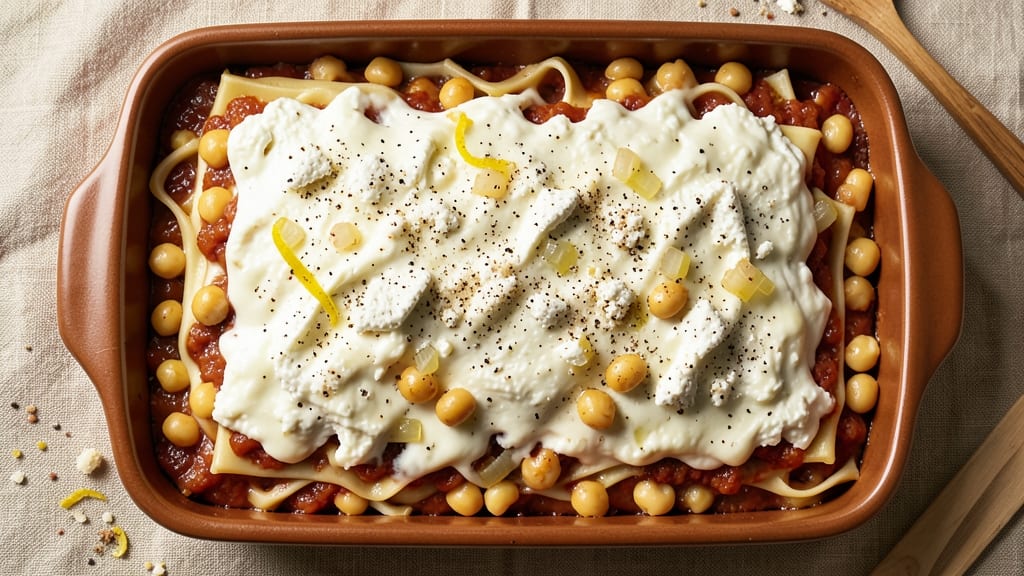
This bean lasagna recipe delivers all the hearty comfort of classic lasagna—just with plant-powered layers and a golden, crispy top. The secret lies in perfectly cooked white beans that hold their shape while soaking up rich tomato sauce, all encased between tender pasta sheets and melted cheese.
I developed this version after years of experimenting with vegetarian lasagnas that never quite achieved that satisfying crispiness on top.
What makes this recipe truly special is the balance of textures: crispy edges on the top layer, creamy cheese filling, and al dente pasta that doesn't turn mushy. The white beans provide substantial protein and heartiness, while the tomato sauce adds depth that pairs beautifully with the melted cheese.
Most importantly, it bakes at 375°F for about 50 minutes, giving you a restaurant-quality meal without the fuss of traditional lasagna.
The result is a dish that feels indulgent yet satisfies dietary preferences—whether you're vegetarian or simply looking for a meatless main course. Each forkful delivers layers of flavor: the tang of tomato sauce, the creaminess of the cheese, and the satisfying bite of crispy top.
This recipe serves 6-8 and pairs perfectly with a simple side salad or garlic bread for a complete meal.
One of the best parts? Leftovers reheat beautifully, making this an ideal dish for meal prep. The crispy top stays intact when reheated gently, and the flavors only deepen as the lasagna sits. Here's how to build it layer by layer for perfect results every time.
Ingredients for bean lasagna
Here's what you'll need to build layers of plant-powered comfort with a perfectly crispy top.
| Ingredient | Amount | Notes |
|---|---|---|
| Canned Cannellini Beans 🌱 | 15 oz | Drained and rinsed thoroughly |
| No-Boil Lasagna Noodles 🍝 | 9 sheets | Uncooked, standard width |
| Marinara Sauce 🍅 | 2 ½ cups | High-quality, no added sugar |
| Vegetarian Ricotta Cheese 🧀 | 15 oz | Full-fat for creaminess |
| Vegan Mozzarella Shreds 🧀 | 2 cups | Shredded, store-bought |
| Yellow Onion 🧅 | 1 whole | Diced fine for sauce |
| Garlic Cloves 🧄 | 4 cloves | Minced for aromatic base |
| Extra-Virgin Olive Oil 🫒 | ¼ cup | For sautéing vegetables |
| Vegetable Broth 💧 | 1 cup | Low-sodium preferred |
| Nutritional Yeast 🍞 | ¼ cup | For cheesy flavor |
| Dried Basil 🌿 | 1 tbsp | Or 0.25 cup fresh |
| Ground Black Pepper 🌶️ | ½ tsp | Freshly cracked |
| Salt 🧂 | 1 tsp | Kosher or sea salt |
| Panko Breadcrumbs 🍞 | ½ cup | For crispy top layer |
| Vegan Butter 🧈 | 2 tbsp | Melted for breadcrumb mix |
The cannellini beans are the heart of this lasagna—they need to be high-quality, low-sodium to avoid a salty, mushy texture. Great Northern or Beluga beans work too, but stick with canned for convenience. For the ricotta, vegetarian brands like Violife or Miyoko's melt beautifully—regular ricotta won't work. The no-boil noodles are a game-changer; they cook right in the oven, saving you a separate boiling step. If you can't find them, use regular lasagna noodles and pre-cook them al dente, but drain them well to avoid a soggy lasagna.
No ricotta? Blended silken tofu with lemon juice and salt works as a substitute, though the texture will differ slightly. Swapping mozzarella? Vegan cheeses like Miyoko's or Follow Your Heart melt best, but if you're using dairy, opt for part-skim mozzarella to prevent excessive greasiness. The marinara sauce can be homemade or store-bought—just check for added sugars. For extra depth, sauté the onions and garlic in extra-virgin olive oil until caramelized before mixing with the sauce. The breadcrumbs for the crispy top should be lightly toasted with melted vegan butter and a pinch of salt before sprinkling on top.
Prep ahead to save time: Assemble the lasagna up to 24 hours before baking, then refrigerate uncovered to let the layers meld. Bake straight from the fridge for even cooking. Leftovers keep for 4 days in the fridge, and the crispy top reheats beautifully in a 350°F oven for 15-20 minutes. For meal prep, portion into individual lasagna cups—just bake those for 20-25 minutes at 375°F. The crispy topping stays intact if you reheat gently, and the flavors deepen overnight, making this an ideal make-ahead dish.
Why You'll Love This Recipe
- No-Bake Magic: I swear by this trick—just layer, press, and boom, it’s ready. No-boil noodles mean zero waiting for water to boil, and those cannellini beans mash into a creamy, dreamy texture that holds everything together.
- Creamy Crunch Combo: That vegan mozzarella? It’s got a satisfying stretch and crispy edges when baked, while the ricotta adds a velvety richness. Honestly, I didn’t think I’d miss dairy, but this layers like a pro.
- Leftovers That Shine: Between us, this dish improves the next day. The noodles soften just right, the sauce thickens into something deeper, and I’ve reheated slices straight from the fridge—no one ever guesses it’s vegan.
- Budget-Friendly Feast: Cannellini beans and no-boil noodles stretch this into a full meal for half the cost of traditional lasagna. I’ve fed six people (including my picky teen) with what would’ve been two servings elsewhere.
Step-by-step instructions for bean lasagna
Here's how to build this hearty plant-based lasagna with perfect layers and a golden, crispy finish.
Prepare the Bean and Ricotta Mixture
In a large mixing bowl, mash the 15 oz drained and rinsed cannellini beans with a fork or potato masher until they reach a chunky, spreadable consistency. You want some texture remaining—this prevents the filling from becoming too dense. Transfer the mashed beans to a separate bowl.
In the same bowl, combine the 15 oz vegetarian ricotta cheese, 0.25 cup nutritional yeast, 1 tbsp dried basil, 0.5 tsp ground black pepper, and 1 tsp salt. Mix until fully incorporated, then fold in the mashed beans. The mixture should be thick but spreadable—this will form the creamy middle layer of your lasagna. Taste and adjust seasoning if needed, adding more basil or salt as required.
Build the Sauce Base
Heat the 0.25 cup extra-virgin olive oil in a medium saucepan over medium heat. Add the 1 whole yellow onion, diced fine, and cook for 5-6 minutes until softened and translucent. Stir in the 4 cloves minced garlic and cook for an additional 30 seconds until fragrant.
Pour in the 1 cup vegetable broth and bring to a gentle simmer. Reduce heat to low and let it cook uncovered for 10 minutes to allow the flavors to meld. Stir in the 2.5 cups marinara sauce and simmer for another 5 minutes. Remove from heat and let it cool slightly—this sauce will form the flavorful foundation between your layers.
Assemble the Lasagna Layers
Preheat your oven to 375°F. Grease a 9x13-inch baking dish lightly with vegan butter or olive oil to prevent sticking. Begin by spreading 1 cup of the sauce mixture evenly on the bottom of the dish.
Layer the 9 sheets no-boil lasagna noodles horizontally, slightly overlapping them if needed to cover the bottom completely. Spread half of the bean and ricotta mixture evenly over the noodles, followed by 1 cup of the remaining sauce. Repeat with another layer of noodles, the remaining bean mixture, and the final 1 cup of sauce. Finish with a final layer of noodles, ensuring they're fully submerged in sauce to prevent drying.
Create the Crispy Top Layer
In a small bowl, mix the 0.5 cup panko breadcrumbs with the 2 tbsp melted vegan butter. Sprinkle this mixture evenly over the top of the lasagna, pressing down gently with your fingers to ensure good contact with the noodles. This will create the signature crispy texture you're aiming for.
Cover the baking dish tightly with aluminum foil and bake for 30 minutes. Remove the foil and bake for an additional 15-20 minutes until the top is golden brown and the edges are bubbling. The lasagna is done when the center feels firm to the touch and the top has developed a crispy crust.
Rest and Serve
Remove the lasagna from the oven and let it rest for 10-15 minutes before slicing. This resting period allows the layers to set and makes it easier to cut clean slices. Serve warm with a side salad or garlic bread for a complete meal.
The final result should have tender noodles, creamy bean-ricotta layers, and a satisfyingly crispy top that contrasts beautifully with the soft interior. Each bite delivers rich, plant-based comfort with that perfect textural balance.
Pro Tips For Making Bean Lasagna
- Drain and rinse beans: The canned Cannellini beans come packed in saltwater, which can make your lasagna taste flat. After draining, give them a quick rinse under cold water—especially if you’re using low-sodium beans—and pat them almost dry with a towel. This keeps them moist enough to mash but cuts down on that briny aftertaste that ruins the balance.
- Preheat your dish first: Don’t just toss everything in a cold baking dish and hope for the best. Spread a thin layer of marinara sauce on the bottom and let the dish sit in the oven for 5 minutes at 375°F (190°C) before assembling. This ensures the noodles stick properly and the cheese melts evenly—no more soggy bottoms or uneven browning.
- Layer ricotta like frosting: Skip the clumpy dollops and spread the vegetarian ricotta smoothly between layers, just like you would frost a cake. Use the back of a spoon to press it into the noodles, filling every nook. This prevents dry pockets and makes each bite creamy—not just a sad ricotta blob in the middle.
- Press down hard before baking: No-boil noodles are forgiving, but they still need a little help staying put. After your final layer, grab a plate or your hands and press down firmly—no need to go crazy, but enough to compress the noodles slightly. This stops them from puffing up like a soufflé and keeps the lasagna from collapsing when you slice it.
Serving suggestions for this recipe
Classic Side Pairings
A simple arugula salad with lemon vinaigrette cuts through the richness of the lasagna beautifully. Toss 4 cups baby arugula with 2 tbsp extra-virgin olive oil, 1 tbsp lemon juice, ½ tsp Dijon mustard, and a pinch of salt.
The peppery bite refreshes your palate between each hearty bite of lasagna. 🥗
Garlic Bread Essentials
No lasagna meal is complete without garlic bread! Use a French baguette split lengthwise, brushed with 2 tbsp melted vegan butter, and topped with ¼ cup minced garlic, 2 tbsp chopped parsley, and ½ tsp red pepper flakes.
Toast under the broiler for 3-5 minutes until golden and crispy.
Wine Pairing Perfection
A medium-bodied red wine like Chianti or Pinot Noir complements the tomato sauce and creamy bean layers beautifully. The acidity in Chianti cuts through the richness, while Pinot Noir's earthy notes enhance the basil and garlic flavors. For white wine lovers, a crisp Vermentino offers a refreshing contrast. 🍷
Creamy Polenta Option
For a comforting alternative to bread, serve this lasagna with creamy polenta. Cook 1 cup polenta with 4 cups vegetable broth and 2 tbsp olive oil until thick and creamy.
Stir in 2 tbsp vegan butter and ½ cup grated vegan Parmesan for extra richness. The smooth texture balances the crispy lasagna top perfectly.
Roasted Vegetable Boost
Add seasonal roasted vegetables like zucchini, bell peppers, and eggplant to your plate. Toss 2 cups diced vegetables with 1 tbsp olive oil, ½ tsp dried oregano, and ½ tsp salt.
Roast at 400°F for 20-25 minutes until tender and caramelized. The sweetness of the roasted veggies pairs wonderfully with the savory lasagna. 🌱
Dessert Finish
End your meal with a light dessert like lemon sorbet or vegan tiramisu. The bright citrus notes of sorbet cleanse your palate, while the coffee-infused layers of tiramisu provide a satisfying finish.
For something simpler, fresh berries with coconut whipped cream offers a refreshing contrast to the hearty lasagna. 🍋
Nutrition facts
Frequently asked questions
Can I use dried beans instead of canned for this bean lasagna?
While possible, dried beans require extra time and effort. Soak overnight and cook until tender (~1.5 hours), then mash them to the same chunky consistency as canned beans. For convenience, stick with canned low-sodium beans—they're pre-cooked and ready to use. The texture difference is minimal when properly mashed.
Why does my lasagna turn out soggy instead of crispy?
Sogginess usually comes from overcooked noodles or too much moisture. Use no-boil noodles as directed, and avoid overfilling layers—press down gently to remove air pockets. The crispy top requires proper baking: cover with foil for 30 minutes, then uncover for 15-20 minutes at 375°F until golden. Don't skip the breadcrumb topping!
What's the best way to reheat leftovers without losing the crispy top?
Reheat gently to preserve texture: cover with foil and warm at 350°F for 15-20 minutes. For individual portions, bake in ramekins with a splash of water in the bottom to prevent drying. Microwaving will make the top rubbery—always use the oven method. The crispy layer reheats best when gently warmed, not blasted with high heat.
Can I make this lasagna ahead of time?
Assemble the lasagna up to 24 hours ahead, refrigerate uncovered, then bake straight from the fridge. The cold start helps prevent sogginess. For freezing, bake first, cool completely, wrap tightly in foil, and freeze for up to 3 months. Thaw overnight in the fridge before reheating—never microwave frozen lasagna directly.
What's the secret to getting that perfect crispy top?
The crispy top comes from three key steps:
- Use panko breadcrumbs mixed with melted vegan butter,
- Press them firmly onto the noodles, and
- Bake uncovered at 375°F for the final 15-20 minutes. For extra crunch, sprinkle a little cornstarch over the breadcrumbs before baking. The high heat and direct exposure create that golden, crispy texture we all love!