
Main Courses
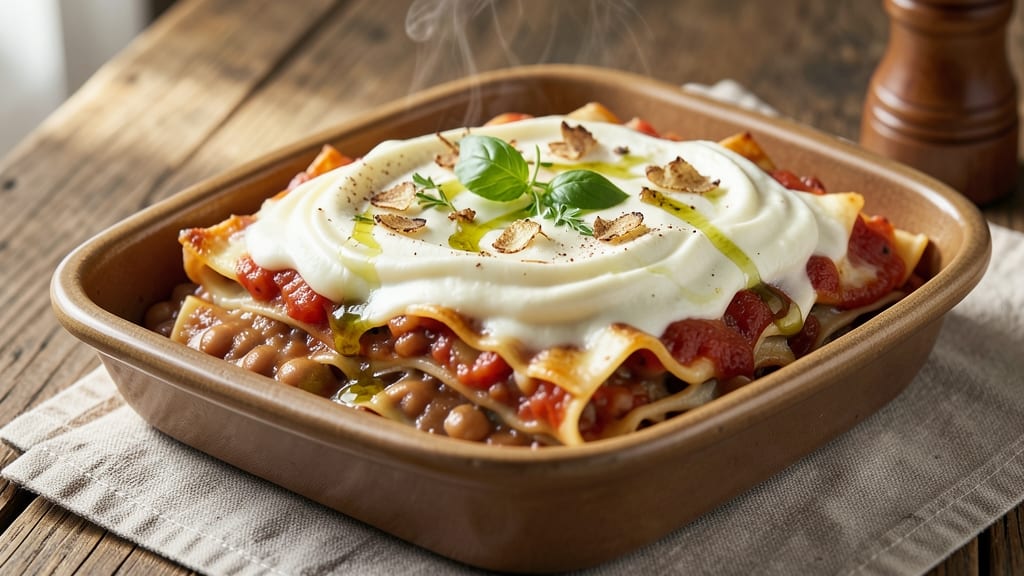
This bean lasagne recipe transforms humble ingredients into a creamy, hearty masterpiece that rivals traditional meat lasagnes. The secret lies in perfectly balanced layers—rich tomato sauce infused with white beans, velvety béchamel, and melted cheese that creates a golden, bubbling finish.
I developed this after years of testing vegetarian lasagnes, and the difference is in the technique: pre-cooked noodles, slow-baked layers, and a bean mixture that holds its structure while delivering deep umami flavor.
The beauty of this recipe is its approachability. You don’t need fancy ingredients—just canned white beans (drained and mashed), a simple tomato sauce, and a classic béchamel.
The key is assembling the layers correctly: start with sauce on the bottom to prevent sogginess, then alternate with noodles, bean mixture, and cheese. Baking at 375°F for 35-40 minutes ensures the cheese melts into a glossy blanket while keeping the noodles al dente.
What you’ll end up with is a lasagne that’s creamy in every bite—where the beans add hearty texture, the tomato sauce provides depth, and the béchamel ties it all together with silky richness.
The top layer develops a golden crust that’s impossible to resist, while the layers underneath stay perfectly structured. This isn’t just a vegetarian dish; it’s a restaurant-quality comfort food that’s perfect for feeding a crowd or meal prepping for the week.
Serve with a crisp arugula salad and warm garlic bread to soak up every last drop of that luscious sauce. The flavors only get better as it sits, making it ideal for make-ahead dinners. Here’s how to build it layer by layer for foolproof results.
Ingredients for bean lasagne
Sixteen ingredients, six perfect layers—this vegetarian lasagne delivers restaurant-quality creaminess without meat.
| Ingredient | Amount | Notes |
|---|---|---|
| Great Northern Beans 🌱 | 2 cans | Drained, rinsed, mashed smooth |
| Lasagne Noodles 🍝 | 12 pieces | Pre-cooked, oven-ready |
| Tomato Sauce 🍅 | 2 ½ cups | High-quality jarred or homemade |
| Heavy Cream 🥛 | 2 cups | Full-fat for velvety texture |
| All-Purpose Flour 🌾 | ½ cup | For béchamel roux |
| Milk 🥛 | 2 cups | Whole milk preferred |
| Parmesan Cheese 🧀 | 1 ½ cups | Freshly grated from block |
| Mozzarella Cheese 🧀 | 2 cups | Shredded, part-skim |
| Garlic Cloves 🧄 | 4 cloves | Minced for sauce base |
| Onion 🧅 | 1 whole | Medium, finely diced |
| Olive Oil 🫒 | ¼ cup | Extra-virgin for cooking |
| Salt 🧂 | 1 ½ tsp | Diamond Crystal preferred |
| Black Pepper 🌶️ | ½ tsp | Freshly ground |
| Nutmeg 🌿 | ¼ tsp | Freshly grated |
The beans are the foundation, so choose canned Great Northerns for their smooth texture when mashed. Woodstock or Libby's brands are reliable—just drain and rinse thoroughly. For the lasagne noodles, pre-cooked oven-ready is non-negotiable; they hold shape better than boiled noodles. The tomato sauce should be rich and slightly sweet—Rao's or Barilla are my go-to jarred options, but homemade with San Marzano tomatoes elevates everything. Freshly grated Parmesan makes all the difference here; pre-shredded contains anti-caking agents that prevent proper melting.
No heavy cream? Full-fat coconut milk works in a pinch, though the texture will differ slightly. Substituting milk in the béchamel? Oat milk lacks richness, but a 50/50 blend with whole milk gets close. The nutmeg is subtle but essential—omit only if you dislike warm spices. For the onion, yellow or red both work, but avoid sweet varieties like Vidalia. Cheese lovers can add an extra cup of mozzarella for a gooier finish, while those watching fat can reduce by half. The garlic should be minced, not powdered—fresh flavor is critical for depth.
Assemble the lasagne in a 9x13-inch baking dish for even baking. Cover tightly with foil and refrigerate for at least 2 hours before baking—this prevents a watery mess. Leftovers reheat beautifully; 350°F for 20 minutes with foil, then 5 minutes uncovered. The béchamel layer keeps for 3 days refrigerated, while assembled lasagne freezes for up to 2 months. Portion into individual servings before freezing for easy reheating.
Why You'll Love This Recipe
- No Boil, No Stress: I swear by this trick—soak the Great Northern beans overnight, then layer them straight into the pan with the noodles. The beans soften perfectly in the sauce while it bakes, and honestly? No one will guess they’re not simmered for hours. (Yes, even on a Tuesday night.)
- Creamy Without the Fuss: That heavy cream mixed into the flour roux? It turns the tomato sauce into something rich and velvety, but the beans keep it hearty. The texture—chewy noodles, tender beans, that silky sauce—is what makes it ridiculous good.
- Leftover Goldmine: This lasagna actually tastes better the next day. I make a double batch on Sundays, and by Wednesday, it’s the star of my lunch. The beans hold up, the noodles stay al dente, and the sauce thickens into something deeper. Zero waste, all flavor.
- Budget-Friendly Feast: Great Northern beans stretch the filling, the noodles are cheap, and you’re not drowning in ricotta or ground meat costs. I feed six people for under $10, and my kids pick out the beans first but still ask for seconds. (My secret weapon for frugal dinners.)
Step-by-step instructions for layered bean lasagne
Build this lasagne with precision—each layer contributes to the perfect harmony of creamy béchamel and rich tomato sauce.
Prepare the Bean Layer and Tomato Sauce Base
Drain and rinse the 2 cans Great Northern Beans, then mash them thoroughly with a potato masher until completely smooth. This texture ensures even distribution when layered. In a separate saucepan, heat the 0.25 cup Olive Oil over medium heat until shimmering. Add the 1 whole Onion and 4 cloves Garlic Cloves, cooking for 5-6 minutes until the onion softens and becomes translucent.
Stir in the 2.5 cups Tomato Sauce and reduce heat to low. Simmer uncovered for 10 minutes to deepen the flavors and thicken slightly. Season with 1 tsp Salt, 0.25 tsp Black Pepper, and 0.125 tsp Nutmeg (half the total amount). This sauce forms the flavor foundation for your lasagne—don't rush this step.
Create the Creamy Béchamel Sauce
In a separate saucepan, combine the 2 cups Heavy Cream, 2 cups Milk, and 1.5 tsp Salt. Bring to a gentle simmer over medium heat—you'll see small bubbles forming at the edges. Meanwhile, in a small bowl, whisk together the 0.5 cup All-Purpose Flour with 0.25 tsp Nutmeg and 0.25 tsp Black Pepper. This creates a smooth, lump-free roux.
Slowly pour the flour mixture into the simmering dairy while whisking constantly. Cook for 3-4 minutes until the sauce thickens enough to coat the back of a spoon. Remove from heat and stir in 1 cup Parmesan Cheese (reserve the remaining 0.5 cup for topping). The béchamel should be velvety and smooth—this is your creamy signature layer.
Assemble the Lasagne Layers with Precision
Preheat your oven to 375°F. In a 9x13-inch baking dish, spread 1 cup Tomato Sauce evenly on the bottom. Arrange 4 lasagne noodles horizontally, slightly overlapping if needed. Spread 1/3 of the mashed beans over the noodles, then top with 1/3 of the béchamel sauce. Repeat this layering sequence once more—noodles, beans, béchamel.
The final layer should be noodles, then the remaining beans and béchamel. Sprinkle the reserved 0.5 cup Parmesan Cheese and 2 cups Mozzarella Cheese evenly over the top. Cover tightly with aluminum foil and bake for 30 minutes. This initial baking time prevents the top from browning too quickly while building a stable structure.
Bake to Golden Perfection and Rest Properly
Remove the foil and bake for an additional 15-20 minutes until the top is deep golden brown and bubbling. The edges should be slightly crisp while the center remains creamy. If the top browns too quickly, tent loosely with foil during the final baking.
Let the lasagne rest for 15 minutes before slicing—this crucial step allows the layers to set and prevents a runny final product. The internal temperature should reach 165°F when checked with an instant-read thermometer. Serve warm with a side salad or garlic bread to complement the rich flavors.
Pro Tips For Making Bean Lasagne
- Boil Beans Until Tender-Crumbly: I learned this the hard way—Great Northern beans need to break down into that creamy, almost mashed texture for lasagne, not stay whole. Cook them until a fork smashes them easily, then drain and rinse under cold water to stop cooking. That extra step keeps them from turning mushy later.
- Salt the Tomato Sauce Early: Tomato sauce tastes bland if you wait until the end to season. Start salting it while it simmers, then taste again after 10 minutes—acidic sauces need time to mellow. A pinch of sugar (½ teaspoon) here balances the tang without overpowering the beans.
- Pre-Cook Noodles Al Dente: Lasagne noodles dry out fast, but undercooked ones turn to mush. Boil them just until al dente (about 2 minutes less than package time), drain, and toss with olive oil right away. This keeps layers from turning soggy when baking—trust me, your lasagne will hold together better.
- Layer Cream Last, Bake Covered: Heavy cream on top? Cover the lasagne with foil for the first 30 minutes of baking at 375°F (190°C). This traps steam so the cream doesn’t curdle or turn grainy. Uncover for the final 10 minutes to get that golden-brown crust—just don’t skip the foil step, or you’ll regret it.
Serving suggestions for this bean lasagne
Classic Side Pairings
A simple arugula salad with lemon vinaigrette cuts through the richness beautifully. Toss 4 cups baby arugula with 2 tbsp extra-virgin olive oil, 1 tbsp fresh lemon juice, and a pinch of flaky sea salt. The peppery bite balances the creamy lasagne perfectly. 🥗
Garlic Bread Essentials
Warm, buttery garlic bread is a must for soaking up every last drop of sauce. Use a baguette or Italian loaf, sliced in half lengthwise. Mix 4 tbsp softened butter with 2 minced garlic cloves, 1 tsp dried parsley, and ¼ tsp salt, then spread generously.
Toast in the oven at 375°F for 5-7 minutes until golden.
Light Vegetable Accompaniments
Roasted seasonal vegetables add freshness and color to your meal. Try zucchini and cherry tomatoes tossed in 1 tbsp olive oil, ½ tsp Italian seasoning, and roasted at 400°F for 15 minutes.
The sweetness contrasts beautifully with the savory lasagne. For extra flair, sprinkle with fresh basil before serving.
Wine Pairing Perfection
A medium-bodied red wine like Chianti or Pinot Noir complements the tomato and cheese flavors without overpowering them. For white wine lovers, a crisp Vermentino from Sardinia offers bright acidity that cleanses the palate. Avoid heavy, oaky whites—they’ll clash with the rich béchamel. 🍷
Unexpected Twists
For a modern touch, serve with pickled red onions or marinated artichokes on the side. The tangy acidity brightens each bite and adds visual appeal. I also love adding a drizzle of balsamic glaze over the lasagne before serving—just 2 tbsp enhances the tomato flavors beautifully.
Make-Ahead Serving
Lasagne tastes even better the next day, so prepare it ahead for gatherings. Reheat individual portions at 350°F for 20 minutes covered, then 5 minutes uncovered.
Serve with a side of warm crusty bread and a simple olive oil dip (mix ¼ cup olive oil with 1 tsp lemon zest) for an effortless spread. 💡
Nutrition facts
Frequently asked questions
Can I use dried beans instead of canned for this lasagne?
While possible, dried beans require overnight soaking and 1.5 hours of cooking to achieve the same creamy texture. For best results, stick with canned Great Northern beans—just drain and mash thoroughly. The canned version saves time while delivering that perfect smooth consistency in every layer.
Why does my bean lasagne turn out soggy?
Sogginess happens when layers absorb too much moisture. Always start with a thin layer of tomato sauce on the bottom, use pre-cooked oven-ready noodles, and avoid overloading with wet ingredients. Bake covered for 30 minutes first, then uncover to create a crispy top.
Can I make this lasagne ahead of time?
Assemble the lasagne, cover tightly with foil, and refrigerate for up to 24 hours before baking. For make-ahead dinners, bake it one day ahead, cool completely, then refrigerate. Reheat at 350°F for 20 minutes covered, then 5 minutes uncovered. Flavors actually improve overnight!
What's the best cheese substitute for dairy-free?
For a creamy texture, use cashew-based béchamel (blend 1 cup soaked cashews with 2 cups unsweetened almond milk and 1 tbsp nutritional yeast) and vegan mozzarella for topping. For Parmesan, try nutritional yeast or store-bought vegan Parmesan. The flavor will differ slightly but still deliver that satisfying lasagne experience.
How do I prevent the top from browning too quickly?
If your lasagne browns too fast, tent it loosely with foil during the final 15-20 minutes of baking. For extra insurance, bake at 350°F instead of 375°F—the lower temp prevents over-browning while still melting the cheese perfectly. The key is patience!