
Sauces & Condiments
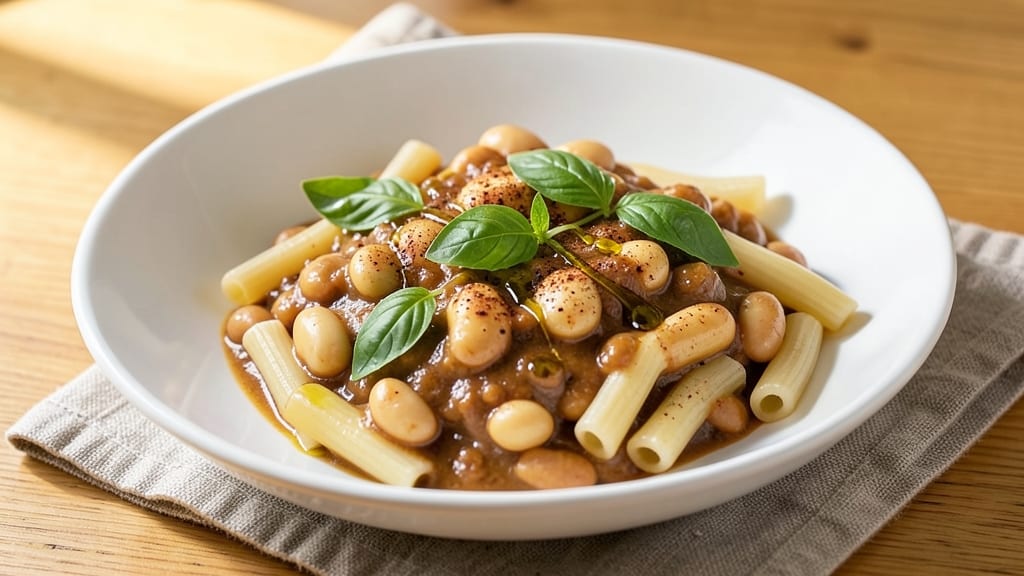
This bean pasta sauce recipe transforms humble white beans and tomato paste into a velvety, smoky condiment that clings to every noodle. The secret lies in blending canned beans with aromatic broth and herbs, then simmering until thick and irresistibly rich—no heavy cream required.
I developed this sauce after craving a plant-based alternative that still delivers restaurant-quality depth, and it never fails to impress.
What sets this sauce apart is its versatility and ease. With just 8 simple ingredients—including pantry staples like tomato paste, garlic, and vegetable broth—you'll create a sauce that's creamy yet light, thanks to the natural starch in white beans.
The smoky paprika adds warmth without overpowering, while fresh basil brightens each bite. Best of all, it comes together in under 30 minutes with minimal effort.
The result is a sauce so rich and flavorful it transforms even the simplest pasta into a gourmet meal. The texture is silky-smooth, with just enough body to coat noodles perfectly, while the flavor balances smoky, tangy, and herby notes.
It works as a standalone sauce for spaghetti, tosses beautifully with roasted vegetables, or even elevates grilled chicken as a drizzle.
Make a double batch—this sauce tastes even better the next day as flavors meld. Store it in the fridge for up to 5 days or freeze for 3 months, making it the ultimate meal-prep friendly condiment.
Let's create this game-changing sauce that proves plant-based cooking can be just as satisfying as traditional recipes.
Ingredients for bean pasta sauce
Eight pantry staples transform into a velvety, restaurant-worthy sauce without dairy or heavy cream.
| Ingredient | Amount | Notes |
|---|---|---|
| Canned White Beans 🌾 | 1 ½ cups | Drained and rinsed thoroughly |
| Tomato Paste 🍅 | ½ cup | High-quality, no sugar added |
| Vegetable Broth 💧 | 1 ½ cups | Homemade or low-sodium store-bought |
| Smoked Paprika 🌶️ | 1 tbsp | Spanish smoked preferred |
| Garlic Cloves 🧄 | 4 cloves | Freshly minced for maximum aroma |
| Fresh Basil Leaves 🌿 | ¼ cup | Packed, stems removed |
| Extra-Virgin Olive Oil 🫒 | ¼ cup | High-quality, fruity variety |
| Lemon Juice 🍋 | 1 tbsp | Freshly squeezed for brightness |
| Sea Salt 🧂 | ½ tsp | Diamond Crystal preferred |
| Black Pepper 🌶️ | ¼ tsp | Freshly cracked for depth |
The white beans are the sauce's secret weapon—their natural starch creates that luxurious texture without dairy. Opt for cannellini or great northern beans from the bulk section at Whole Foods or Trader Joe's for consistent quality. No-salt-added varieties are ideal, but if using regular, rinse thoroughly to control sodium. The tomato paste should be smooth and vibrant—avoid watery brands that dilute flavor. For smoked paprika, Penzeys offers the most authentic Spanish varieties, but any high-quality smoked paprika will work. Fresh garlic and basil elevate this sauce dramatically, so invest in the freshest you can find—farmers markets often have superior quality for herbs.
No white beans? Chickpeas or lentils work in a pinch, though texture will differ slightly. Substitute vegetable broth with mushroom or celery root broth for deeper umami. Fresh basil unavailable? Dried basil at one-third the amount suffices, though fresh is ideal. For extra richness, blend in 1 tablespoon of tahini or 1 teaspoon of nutritional yeast—both add depth without altering the sauce's lightness. The lemon juice can be omitted if you prefer a more neutral flavor profile, but it brightens the smoky notes beautifully. For a nutty undertone, toast the garlic cloves lightly in olive oil before adding them to the sauce.
This sauce thickens as it cools, so stir in 1-2 tablespoons of water if it becomes too dense after chilling. Store in an airtight container in the fridge for up to 5 days, or freeze for 3 months in ice cube trays for single-serving portions. The flavor actually improves overnight as the smoky and herby notes meld together. For meal prep, double the batch—it freezes exceptionally well and reheats like a dream. When reheating, add a splash of water or broth to prevent thickening, and stir gently to maintain that silky-smooth texture.
Why You'll Love This Recipe
- Pantry Magic: I swear by this sauce—no fresh herbs, no fancy prep. Just open a can, stir in tomato paste and broth, and let the smoked paprika work its magic while you chop garlic. Honestly, it’s the kind of dish that makes me feel clever even when I’m exhausted.
- Smoky Depth: That little jar of smoked paprika? It’s the secret weapon. The beans soften into creamy pockets while the garlic sizzles, and suddenly you’ve got a sauce with layers—earthy, slightly sweet, with just enough heat to linger. (Yes, even on a Tuesday night.)
- Double Duty: Make a big batch—this sauce keeps for days in the fridge, and it’s just as good cold over pasta salad or reheated with grilled chicken. I’ve even used it as a dip for crusty bread when I’m too tired to cook. Versatile doesn’t even begin to cover it.
- Budget Win: Canned beans, a spoonful of paste, a splash of broth—this recipe costs me pennies per serving. No specialty ingredients, no waste, and no guilt when I serve it to guests. My wallet and my dinner table both thank me.
Step-by-step instructions for bean pasta sauce
This smoky white bean and tomato sauce delivers velvety richness with minimal effort—perfect for clinging to pasta.
Sauté Aromatics Until Fragrant
Heat the 0.25 cup extra-virgin olive oil in a medium saucepan over medium heat. Add the 4 cloves freshly minced garlic cloves and the 1 tablespoon smoked paprika, stirring constantly for 1-2 minutes until the garlic turns golden and the paprika releases its deep aroma. You'll know it's ready when the mixture smells intensely smoky and the garlic no longer looks raw.
Here's the thing—don't let the garlic burn. If it starts to darken too quickly, reduce the heat to low and keep stirring. The goal is to build flavor without bitterness. This aromatic base is the foundation of your sauce, so take your time to get it right.
Cook the Tomato Paste
Add the 0.5 cup tomato paste to the pan and stir to combine with the garlic and paprika. Cook over medium heat for 3-4 minutes, stirring frequently, until the paste darkens slightly and becomes smooth. This step develops the sauce's depth—you're essentially creating a concentrated tomato flavor that will blend seamlessly with the beans.
If you notice the paste sticking to the bottom, add 1-2 tablespoons of vegetable broth to deglaze and scrape up any browned bits. These fond bits are packed with flavor and will enrich your sauce. The paste should transform from a thick, red paste to a glossy, almost liquid consistency.
Simmer with Beans and Broth
Pour in the 1.5 cups vegetable broth and stir to dissolve any remaining paste. Add the 1.5 cups drained and rinsed canned white beans, ensuring they're fully submerged in the liquid. Bring the mixture to a gentle simmer over medium-low heat, then reduce the heat to maintain a barely bubbling state. Let it cook uncovered for 10-12 minutes, stirring occasionally.
During this time, the beans will soften slightly and begin to release their starches, which will thicken the sauce naturally. You're looking for a consistency that coats the back of a spoon but isn't gluey. If the sauce thickens too much, add 1-2 tablespoons of water to loosen it. The beans should be tender but still hold their shape—overcooking will make them mushy.
Finish with Acid and Herbs
Remove the pan from heat and stir in the 1 tablespoon freshly squeezed lemon juice and the 0.25 cup packed fresh basil leaves, stems removed. The lemon juice brightens the rich, smoky flavors, while the basil adds a fresh herbal note that cuts through the sauce's depth. Let the mixture sit off the heat for 2-3 minutes to allow the flavors to meld.
Taste and adjust seasoning with the 0.5 teaspoon sea salt and 0.25 teaspoon freshly cracked black pepper. The sauce should be well-balanced—smoky, slightly sweet from the tomato, tangy from the lemon, and herby from the basil. If it needs more salt, add it gradually, as beans can absorb additional seasoning as they cool.
Serve Immediately Over Pasta
Return the sauce to low heat just to warm through before serving. Toss it with cooked pasta (about 1 pound of pasta for 4 servings) and stir gently to coat each strand. The sauce should cling effortlessly, creating a velvety, flavorful coating. If the sauce seems too thick after tossing, add a splash of pasta water to loosen it.
The sauce is best served immediately, while it's still warm and the basil is fragrant. The contrast of the creamy, smoky bean sauce with al dente pasta makes this dish incredibly satisfying. For extra richness, top each serving with a drizzle of extra-virgin olive oil and a sprinkle of freshly cracked black pepper.
Pro Tips For Making Bean Pasta Sauce
- MASH THE BEANS WELL: Drain and rinse the canned white beans, then smash them with the flat side of a knife or a fork—don’t skip this. You want some whole beans for texture, but mostly a thick, creamy base that won’t turn into a watery soup when you add broth. I used to skip this and ended up with a sauce that tasted more like diluted bean dip.
- TOAST THE PASTE FIRST: Cook the tomato paste in a dry pan over medium heat for 2-3 minutes before adding anything else. It’ll deepen the flavor and prevent that raw, metallic taste that ruins a sauce. Sounds weird, but it works—your sauce will taste richer and more complex from the start.
- SIMMER LOW AND LONG: After adding broth and paprika, reduce the heat to a bare simmer and let it cook uncovered for at least 15 minutes. Skim off any foam that rises to the top—this keeps the sauce smooth and prevents a bitter edge. Patience here makes the difference between a quick fix and a restaurant-worthy dish.
- GARLIC MATTERS—USE FRESH: Skip the jarred minced garlic and mince your own cloves—just 2-3, thinly sliced. Sauté them in olive oil until golden (not brown) before adding the paste. Jarred garlic adds a harsh, artificial note, and raw garlic can taste bitter in this sauce. Fresh, cooked garlic is the thing that matters most.
Perfect pairings for this bean pasta sauce
Classic Pasta Pairings
This sauce shines with al dente spaghetti or linguine—the long strands create perfect nooks for the velvety bean mixture to cling. For a rustic touch, try pappardelle or fettuccine, which hold up beautifully to the sauce's creamy texture.
I always cook my pasta 1 minute less than package instructions to ensure it stays al dente when tossed. 🍝
Vegetable Complements
Roasted zucchini or eggplant adds a smoky depth that mirrors the sauce's flavor profile. Toss halved vegetables with 1 tbsp olive oil, ½ tsp smoked paprika, and roast at 400°F for 20 minutes before serving.
For a fresh contrast, add sautéed spinach or arugula—just wilt them in the sauce for 30 seconds before serving. The peppery bite cuts through the richness beautifully.
Protein Additions
Grilled chicken breast or shrimp pairs exceptionally well with this sauce. For chicken, marinate 1 lb boneless breast in 2 tbsp olive oil, 1 tsp smoked paprika, and ½ tsp garlic powder for 30 minutes before grilling.
Shrimp lovers can toss ½ lb shrimp with 1 tbsp lemon juice and ½ tsp black pepper before sautéing in 1 tbsp olive oil for 2-3 minutes per side. The sauce's tangy brightness complements both proteins perfectly.
Bread and Dipping
Warm crusty bread or garlic bread makes an ideal side—simply toast slices until golden and serve with extra sauce for dipping. For a heartier option, try polenta or cornbread, both of which soak up the sauce beautifully.
I also love serving this sauce with grilled cheese sandwiches—the creamy bean sauce adds a gourmet twist to a classic comfort food. 🥖
Unexpected Twists
Use this sauce as a dipping sauce for fried calamari or mozzarella sticks, adding a smoky, herby contrast. It also elevates grain bowls—toss with quinoa, roasted sweet potatoes, and avocado for a satisfying meal.
For a breakfast twist, drizzle over toasted bagels with a sprinkle of feta cheese and everything bagel seasoning. The possibilities are endless!
Nutrition facts
Frequently asked questions
Can I use other types of beans instead of white beans?
While white beans create the creamiest texture, you can substitute with chickpeas or lentils for a slightly nuttier flavor. For best results, use 1.5 cups cooked beans (not canned) to maintain consistency. The sauce will still be rich, though the texture may be slightly thicker.
How do I make this sauce thicker or thinner?
For a thicker sauce, simmer uncovered for an extra 5 minutes to let the bean starches develop. If it becomes too thick, stir in 1-2 tablespoons of water or broth until smooth. For a thinner consistency, simply add more liquid when reheating. The sauce naturally thickens as it cools, so adjust before serving.
Can I make this sauce ahead of time?
This sauce tastes even better the next day! Store it in an airtight container in the fridge for up to 5 days. For longer storage, freeze in ice cube trays for 3 months. When reheating, add a splash of water or broth to prevent thickening. The flavors meld beautifully overnight, making it perfect for meal prep.
What if I don't have fresh basil?
No problem! Use 1 teaspoon dried basil instead, but reduce the amount by one-third. For extra depth, add ½ teaspoon dried oregano or 1 teaspoon parsley. If you're missing all fresh herbs, a pinch of dried thyme will still add warmth to the sauce. Fresh herbs make the biggest difference, but dried works in a pinch.
Can I use this sauce for dishes other than pasta?
This versatile sauce works as a dipping sauce for fried foods, a grain bowl topping, or even a grilled cheese filling. Try it with roasted vegetables, polenta, or as a soup base. The smoky, herby flavors adapt beautifully to many dishes beyond pasta.