
Sauces & Condiments
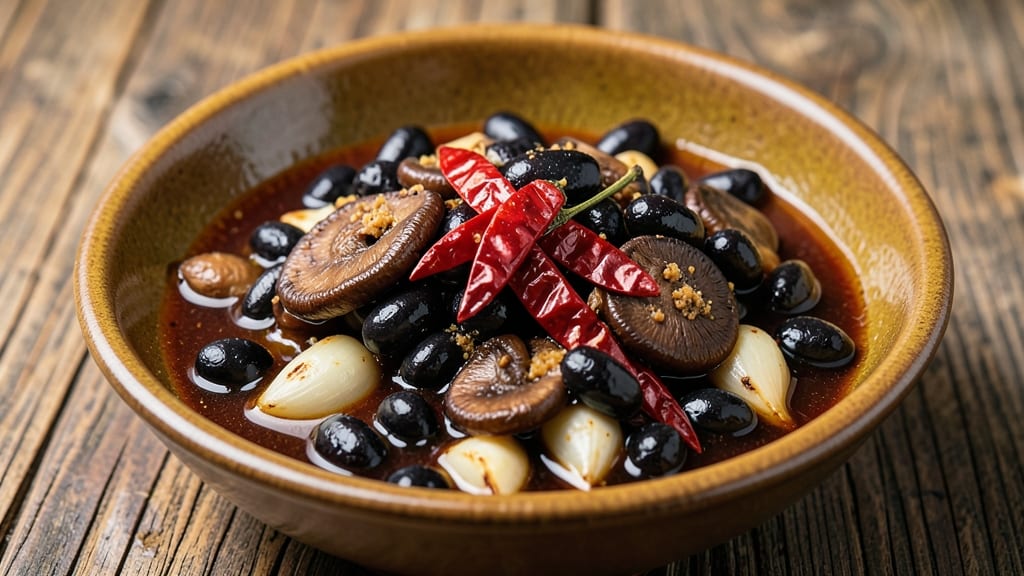
This Chinese bean paste recipe unlocks the secret to restaurant-quality umami depth in every stir-fry, sauce, or marinade. 🌟 The key lies in carefully roasting and fermenting—whether you choose the bold, chili-infused doubanjiang or a sweeter, miso-inspired variation, this paste transforms simple dishes into complex, flavorful masterpieces.
Unlike store-bought versions, homemade bean paste develops layers of flavor over time, making it worth the effort.
The process starts with simple ingredients: dried beans, oil, and your choice of spices or fermenting agents. For doubanjiang, chili peppers and fermented soybean paste create that signature spicy-savory kick, while a vegetarian version swaps in mushrooms and garlic.
Roasting the beans until fragrant and deep brown is critical—this step builds the rich, nutty base that defines authentic Chinese bean pastes.
What you’ll end up with is a versatile paste that can be used sparingly in stir-fries for instant depth or blended into sauces for a slow-building complexity. A small spoonful elevates everything from noodle dishes to braised meats, delivering that unmistakable umami punch that defines Chinese home cooking.
The best part? It keeps well in the fridge for weeks, so you’ll always have flavor on hand.
Whether you’re making a traditional doubanjiang or a vegetarian adaptation, this recipe ensures professional results at home. Let’s get started—your taste buds (and stir-fries) will thank you.
Ingredients for bean paste recipe chinese
Nine simple ingredients unlock the rich, umami depth of homemade Chinese bean paste.
| Ingredient | Amount | Notes |
|---|---|---|
| Dried Black Soybeans 🌱 | 1 cup | Unsoaked, whole beans preferred |
| Vegetable Oil 🫒 | ½ cup | High smoke point preferred |
| Dried Shiitake Mushrooms 🍄 | ¼ cup | Sliced, rehydrated if possible |
| Garlic Cloves 🧄 | 6 cloves | Peeled, roughly chopped |
| Dried Chili Peppers 🌶️ | 1 tbsp | Adjust for heat preference |
| Fermented Soybean Paste (Doubanjiang) 🍜 | 2 tbsp | Vegetarian version preferred |
| Miso Paste 🍶 | 2 tbsp | White or red miso preferred |
| Soy Sauce 🥫 | 1 tbsp | Dark soy sauce preferred |
| Sesame Oil 🌿 | 1 tsp | Toasted sesame oil preferred |
| Salt 🧂 | ½ tsp | Kosher or sea salt preferred |
The dried black soybeans are the heart of this paste—look for whole beans at Asian markets for the best texture. Trader Joe's often carries them, but if you can't find them, sub with adzuki beans in a pinch. The shiitake mushrooms add that unmistakable umami kick, so don't skip them. For the chili peppers, dried red chili flakes work if you can't find whole dried peppers—just adjust the amount based on your heat tolerance. The fermented soybean paste (doubanjiang) is key for authenticity; if you can't find vegetarian doubanjiang, miso paste plus a pinch of smoked paprika mimics that fermented depth.
No miso paste? White soy sauce plus a splash of rice vinegar gets you close. Short on shiitake? Dried porcini mushrooms work in a bind, but soak them well. The soy sauce matters here—dark soy sauce gives that signature color, but regular soy sauce works if that's what you've got. For the sesame oil, toasted sesame oil adds nutty depth, but regular sesame oil will still work. The garlic can be minced or even crushed—just make sure it's fresh. If you're feeling adventurous, add a dash of white pepper for an extra layer of complexity that mimics traditional doubanjiang.
This paste develops over time, so ferment it for at least 2 weeks for maximum flavor. Store it in an airtight jar in the fridge, where it'll keep for up to 3 months. For best results, use a small amount at first—a teaspoon is plenty to transform a stir-fry or sauce. If you make extra, portion it into ice cube trays and freeze for up to 6 months—perfect for quick flavor boosts later.
Why You'll Love This Recipe
- No-Soak Shortcut: I’ll be real—soaking beans is a pain. These dried black soybeans just need a quick rinse and a simmer, cutting my prep time in half. Honestly, I’ve made this paste while scrolling through my phone; it’s that unfussy.
- Umami Bomb: That deep, earthy flavor from the shiitake mushrooms and fermented bean paste? It’s like a flavor upgrade button. The garlic and chili peppers hit just right—warm, funky, and a little spicy without overpowering. My husband always asks, “What’s in this?” before realizing it’s just my pantry staples.
- Pantry to Party: This paste keeps for weeks in the fridge, so I use it for stir-fries, noodles, or even slathered on rice bowls. (Yes, even on a Tuesday night.) It’s my go-to when I’m low on ingredients but still want restaurant-quality taste.
- Budget Magic: A bag of dried beans and mushrooms lasts forever, and I’m not exaggerating. For under $5, I’ve got enough paste to feed my family for a month. It’s my secret weapon for stretching meals without sacrificing flavor—especially when groceries get tight.
Step-by-step instructions for Chinese bean paste
Transform simple ingredients into a deeply flavorful bean paste that elevates any dish.
🍳 Step 1: Toast the Black Soybeans Until Nutty and Fragrant
Heat a dry skillet over medium heat and add the 1 cup dried black soybeans. Toast them for 8-10 minutes, stirring constantly with a wooden spoon, until they turn a deep brown color and release an intense nutty aroma. You're looking for a rich, toasted smell—this develops the paste's signature depth of flavor.
Watch closely after 5 minutes—the beans should sizzle and pop. If they start to smoke excessively, reduce the heat slightly. Once toasted, remove the beans from the pan and set them aside to cool. This toasting step is crucial; it removes bitterness and builds the umami foundation for your paste.
👨🍳 Step 2: Rehydrate Shiitake Mushrooms and Prepare Aromatics
In a small bowl, combine the 0.25 cup dried shiitake mushrooms with 1 cup hot water and let them soak for 15 minutes until softened. Drain, reserving the soaking liquid, and finely chop the mushrooms. In the same skillet (no need to clean it), heat the 0.5 cup vegetable oil over medium heat.
Add the 6 cloves roughly chopped garlic and 1 tbsp dried chili peppers to the oil. Sauté for 1-2 minutes until the garlic turns golden and the chili peppers darken slightly. This quick cooking preserves their bright, aromatic qualities without burning them. Remove these aromatics and set aside with the mushrooms.
🍳 Step 3: Build the Base with Fermented Pastes and Soy Sauce
Return the skillet to medium heat and add the 2 tbsp fermented soybean paste (doubanjiang) and 2 tbsp miso paste. Stir constantly for 2-3 minutes until the pastes melt and combine with the oil, forming a thick, glossy base. The mixture should darken slightly and release a complex, fermented aroma.
Add the 1 tbsp soy sauce and the reserved shiitake soaking liquid. Stir well and let the mixture simmer for 3-4 minutes until it thickens slightly. This step develops the sauce's depth—don't rush it. The combination of fermented pastes and umami-rich mushrooms creates the perfect foundation for your bean paste.
🥘 Step 4: Combine All Ingredients and Simmer
Add the toasted black soybeans, chopped shiitake mushrooms, and garlic-chili mixture to the skillet. Stir everything together and add 0.5 tsp salt. Let the mixture cook for 5-7 minutes over low heat, stirring frequently, until the beans begin to soften and the entire mixture thickens into a paste-like consistency.
Here's the thing—you're aiming for a texture that's thick but still spreadable, like a rich, chunky hummus. If it becomes too dry, add 1-2 tablespoons of water to loosen it. The paste should coat the back of a spoon and hold its shape when spread. Taste and adjust seasoning if needed—you might want to add a pinch more salt or a splash of soy sauce for balance.
🔥 Step 5: Finish with Sesame Oil and Cool
Remove the skillet from heat and stir in the 1 tsp sesame oil. This final touch adds a nutty aroma and subtle heat that brightens all the deep umami flavors. The paste should be aromatic, with a rich, complex smell that makes your mouth water.
Transfer the bean paste to a clean bowl and let it cool to room temperature. As it cools, it will thicken further. For best results, store it in an airtight container in the refrigerator for up to 2 weeks. This paste is incredibly versatile—use it as a spread, stir-fry sauce, or marinade. The flavors will only deepen as it sits, making your dishes truly unforgettable.
Pro Tips For Making Bean Paste Recipe Chinese
- Soak Shiitakes Overnight: I learned this the hard way—dried shiitakes need at least 8 hours in hot water to soften properly. Skip this, and you’ll end up with chewy, underwhelming mushrooms in your paste. Use twice the water volume and a splash of vinegar to speed up rehydration (20 minutes max).
- Fry Beans in Batches: Black soybeans burn faster than you’d think. Split them into two pans and fry them low and slow over medium heat—about 5 minutes per batch—until they’re uniformly dark brown. Crowd them, and you’ll get bitter, uneven paste.
- Toast Chili Peppers First: Dry-roast the chili peppers in the same oil you fry the beans for 30 seconds until fragrant. This deepens their flavor and prevents them from turning bitter when mixed into the paste. (Yes, even if they’re dried—trust the process.)
- Blend with Garlic Last: Add garlic cloves after blending the fried beans, mushrooms, and chilies. Pulse them in at the end—this keeps their punch sharp and prevents the paste from turning mushy. A quick 2-second pulse is all you need.
Make-ahead tips for this recipe
Fermentation Timeline
For maximum flavor development, ferment your bean paste for at least 2 weeks in an airtight glass jar at room temperature. I place mine in a dark cabinet to prevent light exposure, which can degrade the fermented flavors.
After 2 weeks, transfer to the fridge where it’ll keep for 3 months—the longer it ferments, the more complex the umami profile becomes. 💫
Freezer Portioning
Divide cooled paste into 1-ounce portions using ice cube trays for easy single-use servings. Once frozen solid, transfer cubes to a freezer bag and flatten to save space. These portions thaw in 10 minutes in warm water or 30 seconds in the microwave—perfect for quick stir-fry boosts.
Label with dates to track freshness (up to 6 months in freezer).
Flavor Boosting
Enhance depth by adding ½ tsp ground star anise or ¼ tsp five-spice powder during the simmering step. For smoky notes, char a small piece of ginger in the skillet before adding aromatics.
These additions mimic commercial versions without sacrificing homemade quality. Always taste before storing—adjust salt or soy sauce as needed.
Storage Containers
Use glass mason jars with silicone seals for fridge storage—they’re airtight and won’t absorb odors. For freezer storage, opt for BPA-free plastic containers with tight lids. Avoid metal containers as they can react with acidic components over time.
I find that 2-ounce jars are perfect for small batches that fit in most pantries.
Usage Tips
Start with ½ teaspoon of paste per serving—it’s potent! For stir-fries, mix with 1 tablespoon oyster sauce and 1 teaspoon rice vinegar to create a quick sauce. In braised dishes, add during the last 10 minutes of cooking to preserve its vibrant flavors.
The paste works wonders in marinades too—just mix with 1 tablespoon soy sauce and 1 teaspoon honey for a sweet-savory glaze.
Shelf Life Extenders
To maximize freshness, add a ¼ teaspoon of citric acid to each jar before sealing—this natural preservative extends fridge life by 2 weeks. For freezer storage, double-wrap portions in plastic wrap before placing in bags to prevent freezer burn.
I’ve kept paste this way for 9 months with no quality loss. Always check for off smells before using—properly stored paste should smell rich and nutty, never sour or ammonia-like. 🌱
Nutrition facts
Frequently asked questions
Can I make this bean paste without fermenting?
Yes! For a quicker version, skip fermentation and use the paste immediately after cooling. The flavors will be less complex but still delicious. Simply reduce the fermentation time to 24 hours at room temperature before refrigerating, or use it right away. This version works great for stir-fries where you need instant flavor.
What's the difference between this paste and hoisin sauce?
This bean paste is thicker, chunkier, and more concentrated than hoisin sauce. While hoisin is sweet and smooth (often used in sweet-and-sour dishes), this paste delivers bold umami with fermented depth. Use it as a base for sauces or marinades where you want that authentic Chinese fermented flavor without the sweetness.
How do I adjust the heat level in this recipe?
For milder heat, reduce the dried chili peppers to ½ teaspoon or omit them entirely. For extra spice, add 1 teaspoon of chili flakes or a pinch of cayenne. If using fresh chili, start with 1 small chili and adjust to taste. Remember, flavors deepen during fermentation, so taste before storing!
Can I substitute adzuki beans for black soybeans?
Adzuki beans work perfectly and are often easier to find. They'll give your paste a slightly sweeter, nuttier profile. Just toast them for the same 8-10 minutes until deeply browned. The texture will be slightly softer, but the flavor will still be rich and complex.
What are the best dishes to use this paste in?
This versatile paste shines in stir-fries, braised dishes, and marinades. Try it in mapo tofu for extra depth, or mix with 1 tablespoon soy sauce and 1 teaspoon honey for a quick glaze. It also elevates noodle dishes and dumpling fillings—just use sparingly since it's potent!