
Soups & Stews
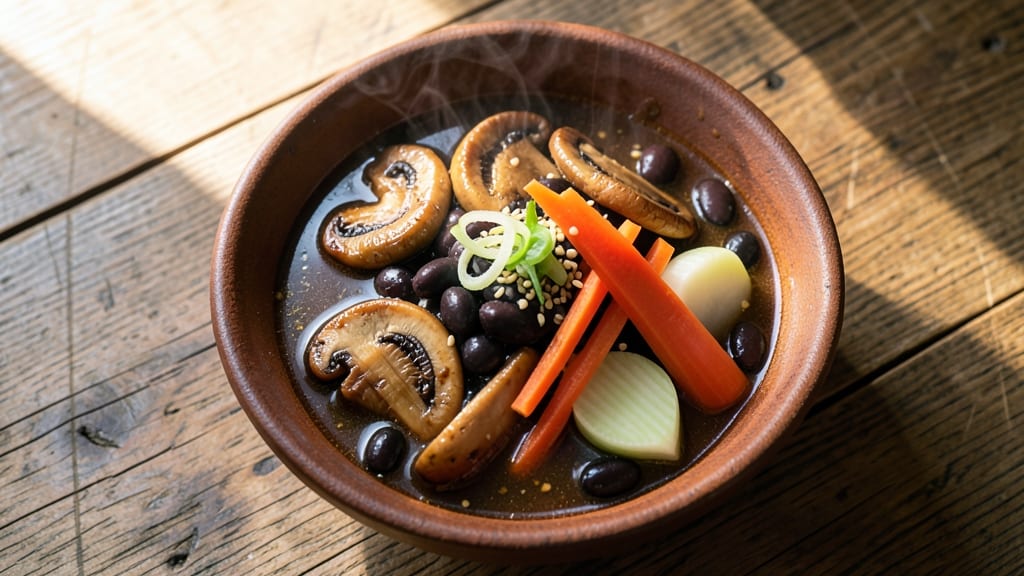
This bean paste stew recipe delivers restaurant-quality depth in a single pot, where fermented bean paste transforms simple ingredients into rich, umami-packed comfort. The secret lies in slow simmering—letting the paste's complex flavors meld with tender vegetables and hearty broth until every spoonful sings with savory intensity.
What starts as a humble combination of dried beans, aromatic paste, and fresh produce becomes a deeply satisfying stew that pairs perfectly with crusty bread or steamed rice.
The beauty of this recipe is its versatility—whether you're following a traditional approach with mushrooms and tofu or adding modern twists like smoked paprika or a splash of soy sauce, the bean paste remains the star.
It's a foolproof method that works equally well on the stovetop or in a slow cooker, making it ideal for busy weeknights or weekend meal prep.
The longer it simmers, the more the flavors develop, rewarding patience with layers of taste that turn a simple stew into a meal worth lingering over.
What you'll end up with is a velvety, aromatic stew where the bean paste's fermented notes harmonize with the earthiness of mushrooms, the sweetness of carrots, and the umami of soy sauce. The texture is just right—tender vegetables, hearty beans, and a broth thickened naturally by the paste itself.
This isn't just a stew; it's a flavor-packed experience that feels like a hug in a bowl, perfect for chilly evenings or whenever you crave something deeply comforting.
Serve it with a sprinkle of fresh herbs or a drizzle of sesame oil for extra brightness, and you've got a dish that's as impressive as it is satisfying.
The best part? Leftovers taste even better the next day as the flavors continue to deepen. Let's get cooking—this stew is about to become your new go-to recipe.
Ingredients for bean paste stew
Sixteen ingredients transform into a velvety, umami-rich stew where fermented bean paste and slow-cooked vegetables create restaurant-quality depth.
| Ingredient | Amount | Notes |
|---|---|---|
| Fermented Bean Paste (Douchi or Natto) 🌶️ | ½ cup | High-quality fermented for depth |
| Dried Black Beans 🌱 | 1 ½ cups | Soaked overnight for tenderness |
| Vegetable Broth 💧 | 6 cups | Homemade or low-sodium store-bought |
| Shiitake Mushrooms 🍄 | 8 whole | Fresh or rehydrated dried |
| Carrots 🥕 | 2 medium | Julienned for even cooking |
| Daikon Radish 🥬 | 1 medium | Peeled and sliced for texture |
| Firm Tofu 🧀 | 1 block | Pressed and cubed |
| Fresh Ginger 🧅 | 1 inch | Thinly sliced for aroma |
| Garlic Cloves 🧄 | 4 cloves | Minced for depth |
| Sesame Oil 🫒 | 1 tbsp | Toasted for nutty finish |
| Soy Sauce 🥄 | 2 tbsp | High-quality for umami |
| Smoked Paprika 🌶️ | 1 tsp | For subtle smokiness |
| Green Onions 🧅 | 3 whole | Sliced for garnish |
| Sesame Seeds 🌰 | 1 tbsp | Toasted for crunch |
| Diamond Crystal Kosher Salt 🧂 | 1 ½ tsp | Adjust to taste |
The fermented bean paste is non-negotiable here. Look for high-quality douchi or natto at Asian markets—avoid the powdered versions, which lack depth. Trader Joe's carries a decent jarred option, but specialty stores like H Mart have superior fermented varieties. If you can't find it, miso paste at double the amount works in a pinch, though the flavor profile shifts slightly. For the mushrooms, shiitake provides the most earthy complexity, but cremini or oyster mushrooms are fine substitutes. The tofu should be extra-firm to hold up during simmering—press it for at least 30 minutes before cubing.
No fermented bean paste? Miso paste or soy sauce at triple strength can approximate the umami, though the texture will differ. The smoked paprika adds depth without overpowering—substitute with a pinch of liquid smoke if unavailable. For the broth, homemade vegetable stock elevates the dish, but low-sodium store-bought is acceptable. The carrots and daikon can be swapped for other root vegetables like parsnips or sweet potatoes, though they'll alter the stew's subtle sweetness. If you're short on time, pre-cut frozen vegetables work, though fresh yields superior texture.
This stew improves with time—simmer for at least 2 hours for maximum flavor development. Store in an airtight container in the fridge for up to 5 days, where the flavors continue to meld beautifully. For longer storage, freeze portions for up to 3 months. Reheat gently on the stovetop, adding a splash of water if the stew thickens too much. The bean paste's fermented notes become even more pronounced after refrigeration, making leftovers particularly rewarding.
Why You'll Love This Recipe
- No-Soaking Needed: I’ll admit, dried black beans usually scare me off—but here, they’re the star. Just toss them in with the broth and fermented bean paste, and they soften right into that rich, velvety texture without any pre-soaking. Honestly, it’s the kind of shortcut that makes me actually want to cook.
- Umami Bomb: That fermented bean paste? It’s like a flavor grenade in the best way. The funky, salty depth from douchi or natto cuts through the earthy mushrooms and carrots, while the dried beans add a meaty richness. Between us, this stew tastes like it simmered for hours—even though it’s ready in 45 minutes.
- Leftovers That Shine: I make a double batch because this stuff gets better the next day. The flavors meld into something deeper, and reheating it is a crime if you don’t—especially with a sprinkle of scallions or a drizzle of chili oil. My freezer’s always stocked with portions because it’s the kind of meal that turns into a week’s worth of lunches without effort.
- Budget Meal Magic: Carrots, dried beans, mushrooms—this recipe costs me pennies per serving, and it’s packed with protein and fiber. The fermented bean paste might seem fancy, but a little goes a long way, and it’s way cheaper than buying pre-made sauces. Plus, it’s the kind of dish that makes you feel like you’re feeding a crowd without breaking the bank.
Step-by-step instructions for bean paste stew
This one-pot method delivers deep umami complexity through precise layering of flavors and textures.
Prepare the Vegetable Base
In a large Dutch oven, heat the 1 tablespoon sesame oil over medium-high heat until shimmering. Add the 2 medium julienned carrots and 1 medium sliced daikon radish, cooking for 5 minutes until the edges begin to soften but don't brown. This foundational step develops the stew's sweet, earthy depth.
Stir in the 1 inch thinly sliced fresh ginger and 4 cloves minced garlic, cooking for 30 seconds until fragrant. The ginger's sharp aroma will mellow into warmth as the stew simmers, while the garlic adds essential depth. Add the 1 tsp smoked paprika and toast for 15 seconds until you can smell its subtle smokiness - this is the moment that builds the stew's complexity.
Build the Umami Foundation
Reduce heat to medium and add the 0.5 cup fermented bean paste (Douchi or Natto). Stir continuously for 2 minutes until it dissolves completely and the mixture darkens slightly. This is where the magic happens - the fermented bean paste releases its concentrated umami, creating the stew's signature richness.
Pour in the 6 cups vegetable broth and bring to a gentle simmer. Add the 1.5 cups soaked dried black beans and 8 whole shiitake mushrooms, ensuring they're fully submerged. The mushrooms will contribute their meaty texture and earthy notes as they rehydrate, while the beans begin their long cook toward perfect tenderness.
Incorporate Protein and Season
Add the 1 block cubed firm tofu and 2 tablespoons soy sauce to the simmering mixture. Stir gently to distribute the soy sauce evenly - this enhances the umami without overpowering the delicate bean paste flavor. The tofu will absorb the stew's rich broth while maintaining its structure.
Add the 1.5 teaspoons Diamond Crystal kosher salt, adjusting to taste. The salt should be distributed evenly throughout the liquid. Let the stew simmer uncovered for 45 minutes, stirring occasionally, until the black beans are fork-tender and the mushrooms are fully rehydrated. You'll know it's ready when the flavors meld into a cohesive, aromatic broth.
Finish and Garnish
Remove the stew from heat and let it rest for 10 minutes. This resting period allows the flavors to fully integrate and the tofu to absorb any remaining liquid. The stew should have a thick, velvety consistency with visible bean chunks and tender mushrooms.
Ladle the stew into serving bowls and garnish with 3 whole sliced green onions and 1 tablespoon toasted sesame seeds. The green onions add a fresh contrast to the deep umami, while the toasted sesame seeds provide texture and nutty warmth. Serve immediately to enjoy the stew at its peak temperature and flavor intensity.
Pro Tips For Making Bean Paste Stew
- SOAK BEANS OVERNIGHT: Dried black beans need at least 8 hours in water—trust me, I’ve tried the "quick soak" route and ended up with a stew that tasted like cardboard. Use twice the volume of water and a pinch of baking soda to soften them faster and prevent gas. Drain well before cooking, or your stew will turn into soup.
- FRY DOUCHI FIRST: That fermented bean paste isn’t just for flavor—it’s the star. Sear it in oil for 2-3 minutes until it darkens and smells nutty. This step cuts through the funk and builds a rich base for the stew. Skip it, and you’ll just be simmering raw douchi, which is a crime against umami.
- CHOP MUSHROOMS UNIFORM: Shiitake mushrooms take forever to cook if they’re thick. Slice them paper-thin (about 1/8-inch) so they soften in 5 minutes, not 20. If using dried shiitake, rehydrate them in warm water for 20 minutes first—cold water makes them tough as boots.
- SIMMER LOW AND LONG: This isn’t a race. After adding broth, keep the heat at a bare simmer (tiny bubbles, maybe 3-4 per second) for at least 45 minutes. High heat turns the stew into a gluey mess, and you’ll end up with mushy carrots instead of tender, flavorful chunks. Patience pays off here.
Regional styles of this bean paste stew
Chinese Doubanjiang Style
In Sichuan province, this stew becomes doubanjiang stew—where 2 tablespoons of chili bean paste replaces fermented bean paste, creating a fiery, aromatic version. I add 1 tablespoon of chili oil at the end for extra heat, along with thinly sliced scallions and crushed peanuts for texture.
The key is balancing the spicy, numbing sensation with 1 teaspoon of sugar to round out the flavors. 🌶️
Japanese Miso-Inspired
For a Japanese twist, swap the bean paste for 3 tablespoons of white miso paste and add 1 tablespoon of mirin to the broth. I incorporate 1 cup of soft tofu cubes instead of firm tofu and finish with thinly sliced scallions and toasted sesame seeds.
The miso adds a milder umami that pairs beautifully with the sweetness of the carrots and daikon. This version is lighter but equally comforting. 🍜
Korean Fermented Twist
In Korea, this stew transforms into kongnamul stew using 2 tablespoons of kongnamul (fermented soybean) paste instead of bean paste. I add 1 tablespoon of gochujang for depth and 1 cup of spinach wilted at the end for freshness.
The kongnamul paste brings a funky, fermented richness that’s distinct from the Chinese or Japanese versions. Serve with steamed rice to soak up the bold flavors. 🥢
Thai-Inspired Spicy Version
For a Thai-inspired take, replace the bean paste with 1 tablespoon of red curry paste and add 1 can of coconut milk to the broth. I include 1 tablespoon of fish sauce for umami and finish with fresh cilantro and lime wedges.
The coconut milk softens the heat while keeping the stew rich and aromatic. This version is creamy, spicy, and perfect for a quick weeknight meal. 🌶️
Modern Fusion Adaptation
For a modern twist, I blend 2 tablespoons of bean paste with 1 tablespoon of smoked paprika and add 1 cup of diced sweet potatoes for heartiness. A splash of balsamic vinegar brightens the stew, while crumbled feta cheese adds a tangy contrast.
This fusion version is ideal for those who love bold, unexpected flavors. 💫
Nutrition facts
Frequently asked questions
Can I make this bean paste stew vegetarian?
This recipe is already vegetarian! The fermented bean paste provides deep umami without any animal products, and the tofu serves as the protein base. For extra protein, consider adding tempeh or lentils alongside the black beans. The mushrooms and vegetables make this a hearty plant-based meal perfect for any diet.
How do I adjust the heat level if I'm sensitive to spice?
Skip the smoked paprika entirely for a mild version, or reduce it to just ½ teaspoon. The fermented bean paste already adds complexity without heat, and the ginger/garlic provide plenty of flavor. If you want warmth without spice, try adding ½ teaspoon of cinnamon or ½ teaspoon of star anise during the simmering process for subtle depth.
Can I substitute dried beans for canned beans?
While dried beans develop better texture and flavor, you can use canned beans in a pinch. Drain and rinse 2 (15-ounce) cans of black beans and add them during the final 15 minutes of simmering. For best results, reduce the broth by ½ cup since canned beans contain more liquid. The stew will be ready faster, but the beans won't have the same rich, earthy flavor as properly soaked dried beans.
What's the best way to thicken this stew if it's too watery?
Simmer uncovered for an extra 10-15 minutes to let the liquid reduce naturally. If that's not enough, stir in 1 tablespoon of cornstarch mixed with 2 tablespoons of cold water and simmer for 2-3 minutes until thickened. For a gluten-free option, use 1 tablespoon of arrowroot powder instead. Avoid over-thickening—this stew should have a velvety, spoonable consistency rather than a paste.
How can I make this stew ahead of time?
This stew tastes even better the next day! Prepare it up to 3 days in advance and store in an airtight container in the refrigerator. The flavors deepen as the bean paste continues fermenting. Reheat gently on the stovetop over medium-low heat, stirring occasionally, and add a splash of water if needed. For longer storage, freeze portions for up to 3 months. Thaw overnight in the fridge before reheating.