
Appetizers
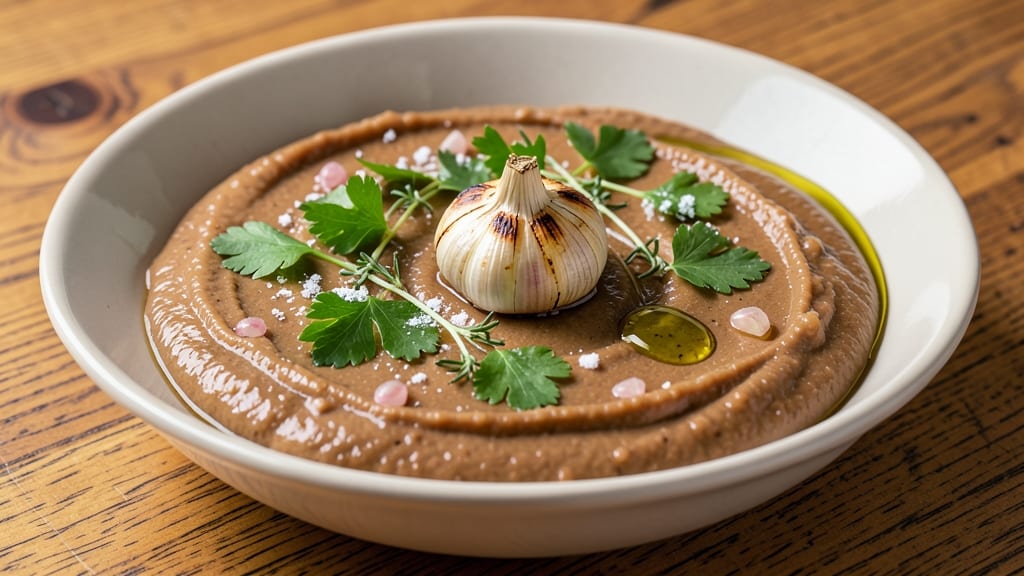
This bean pâté recipe transforms humble white beans into a velvety, herb-infused spread that’s rich enough to stand as an appetizer or elegant enough for holiday gatherings.
The secret lies in blending cooked beans with aromatic garlic, fresh herbs, and a touch of olive oil until the texture becomes impossibly smooth—no food processor required.
It’s the kind of dish that proves vegetarian spreads can be just as satisfying as their meat-based counterparts, with a depth of flavor that lingers long after the first bite.
The beauty of this recipe is its versatility—it works as a sandwich filling, a dip for crusty bread or crackers, or even a flavorful topping for toasted baguette slices. What sets it apart is the balance of garlic and herbs, which brighten the earthy beans without overpowering them.
Unlike store-bought spreads, this version stays fresh for up to a week in the refrigerator, making it perfect for meal prep or gifting.
What you’ll achieve is a pâté that’s silky-smooth yet still hearty, with a flavor profile that’s both comforting and refined. The process is straightforward: simmer the beans until tender, then blend them with aromatics until the mixture reaches that perfect, velvety consistency.
The result is a spread that’s rich, aromatic, and impossible to resist—ideal for elevating simple gatherings or impressing guests without the fuss.
Serve it chilled with fresh herbs garnished on top, or warm it gently for a cozy twist. The possibilities are endless, but the foundation is always the same: tender beans, bold flavors, and a texture that’s nothing short of luxurious. Let’s get started on creating this crowd-pleaser.
Ingredients for bean pate
Transform humble white beans into a velvety, herb-infused spread with these 11 quality ingredients.
| Ingredient | Amount | Notes |
|---|---|---|
| Canned White Beans 🌾 | 1 ½ cups | Drained and rinsed thoroughly |
| Extra-Virgin Olive Oil 🫒 | ½ cup | High-quality, fruity variety |
| Garlic Cloves 🧄 | 4 cloves | Peeled and roughly chopped |
| Fresh Parsley 🌿 | ⅓ cup | Stems removed, loosely packed |
| Fresh Thyme 🌿 | ¼ cup | Leaves only, chopped finely |
| Shallot 🧅 | 1 small | Peeled and finely minced |
| Lemon Juice 🍋 | 1 tbsp | Freshly squeezed |
| Salt 🧂 | 1 tsp | Diamond Crystal preferred |
| Ground Black Pepper 🌶️ | ½ tsp | Freshly ground |
| Vegetable Broth 💧 | ½ cup | Low-sodium preferred |
| Fresh Basil 🌿 | ¼ cup | For garnish, loosely packed |
The white beans are the foundation—cannellini or great northern work best for their buttery texture. Whole Foods or Trader Joe's carry high-quality canned varieties without added salt, which is ideal. For the herbs, fresh is non-negotiable here. Penzeys or your local farmers market will have the most vibrant parsley and thyme. The shallot adds depth without overpowering, so don't skip it—substitute with half an onion if needed. The olive oil should be extra-virgin, with noticeable peppery notes. California Olive Ranch is a reliable brand for consistent quality.
No fresh herbs? Dried thyme at one-third the amount works in a pinch, but fresh parsley and basil can't be replaced. Short on shallot? One extra garlic clove bridges the flavor gap. The vegetable broth should be low-sodium to avoid overwhelming the delicate balance. For a richer texture, add 1 tbsp of tahini—it blends seamlessly and adds creaminess. The lemon juice brightens everything, so zest the peel too for extra aroma. If you're making this ahead, add the lemon juice just before serving to preserve freshness.
This pâté keeps beautifully for 5-7 days in an airtight container in the fridge. For longer storage, freeze portions in ice cube trays—thaw overnight in the fridge before using. The texture becomes even more luxurious after resting for a few hours, so make it a day ahead if possible. Garnish with fresh basil leaves just before serving to maintain vibrant color. Portion into small jars for gift-giving—it's always a crowd-pleaser at holiday parties or dinner gatherings.
Why You'll Love This Recipe
- Five-Ingredient Miracle: I swear by this one—just beans, olive oil, garlic, and herbs. That’s it. No fancy prep, no last-minute grocery runs. My pantry always has these, so I’m never stuck when I crave something rich and satisfying.
- Garlic-Herb Magic: The roasted garlic and fresh thyme? Chef’s kiss. The olive oil pulls all the flavors together while keeping it bright, not heavy. It’s that perfect balance—herby, garlicky, but still light enough to eat with toast or crackers.
- Party in a Jar: Between us, this is my secret weapon for gatherings. Spread it on crusty bread for charcuterie, dollop it on grilled veggies, or even slather it on a sandwich. It’s the kind of thing that makes you look like you planned ahead—even if you didn’t.
- Pantry Goldmine: Honestly, I make a big batch and keep it in the fridge for weeks. The flavors deepen over time, and it’s so budget-friendly. A can of beans and a few fresh herbs go a long way—no waste, just pure flavor.
Step-by-step instructions for silky-smooth herb and garlic spread
Transform simple ingredients into an elegant, velvety bean pâté that shines on crostini or as a sandwich filling.
Toast the Aromatics for Deep Flavor
Heat the 0.5 cup extra-virgin olive oil in a medium saucepan over medium-low heat. Add the 4 cloves garlic cloves and 1 small shallot, cooking gently for 3-4 minutes until the garlic is golden and fragrant but not browned. This slow toasting prevents bitterness and builds complex flavor.
Stir in the 0.25 cup fresh thyme leaves and cook for another 30 seconds until the thyme releases its piney aroma. Remove the pan from heat and let the aromatics cool slightly—this prevents the oil from cooking out when you add the beans later.
Blend the Base Ingredients
Transfer the cooled garlic-thyme mixture to a food processor along with the 1.5 cups drained and rinsed canned white beans, 0.33 cup fresh parsley, 1 tbsp lemon juice, 1 tsp salt, and 0.5 tsp ground black pepper. Pulse 3-4 times to break up the beans, then process continuously for 2-3 minutes until completely smooth.
Scrape down the sides of the processor bowl with a spatula to ensure all ingredients are incorporated. The mixture should be silky with no visible bean texture—this is your foundation. If it's too thick, add 1-2 tablespoons water to help the blending process.
Simmer for Richness and Depth
Pour the blended mixture back into the saucepan and add the 0.5 cup vegetable broth. Bring to a gentle simmer over medium-low heat, then reduce heat to maintain a bare simmer. Cook uncovered for 8-10 minutes, stirring occasionally, until the mixture thickens slightly and coats the back of a spoon.
Taste and adjust seasoning—you may need a pinch more salt or a splash of lemon juice to balance the flavors. The broth helps emulsify the oil and creates that luxurious, spreadable consistency. Keep the heat low to prevent the oil from separating.
Finish and Garnish
Remove the pan from heat and let the pâté cool to room temperature. Stir in the 0.25 cup fresh basil just before serving to preserve its bright flavor. The basil adds a fresh contrast to the rich, garlicky base and prevents the herbs from overpowering the delicate texture.
For best results, chill the pâté for 1 hour before serving. This allows flavors to meld and the texture to set slightly, making it easier to spread. Garnish with additional basil leaves or a drizzle of extra-virgin olive oil before serving for an elegant presentation.
Pro Tips For Making Bean Pate
- Drain and Rinse Beans: That salty canned bean liquid? Toss it. I learned this the hard way—skipping the rinse leaves your pâté tasting like a sad, briny soup. Cold water rinse only, no soaking needed, and pat them dry with a towel afterward. Wet beans = watery pâté.
- Toast Garlic Low and Slow: Don’t blast those cloves in a screaming-hot pan. Slice them thin, cook over medium-low with a drizzle of olive oil for 5–7 minutes until golden and fragrant—not crispy, not burnt, just perfumed. Overcooked garlic turns bitter, and nobody wants that in their silky bean spread.
- Pulse Parsley and Thyme: Rough chop the herbs, then pulse them in a food processor with the beans—just 2–3 quick bursts. This distributes their flavor evenly without turning the pâté into a green slurry. (Yes, even if you’re impatient like me, resist the urge to over-blend.)
- Press the Pâté Smooth: After blending, press the mixture through a fine-mesh sieve or the largest holes of a cheesecloth into a bowl. It’s messy, but it guarantees a velvety texture—no gritty surprises. (Your future self will thank you when spreading it on crusty bread.)
Dietary considerations for bean pate
Vegetarian-Friendly
This bean pâté is a complete vegetarian powerhouse, packed with plant-based protein and rich flavors that rival traditional meat-based spreads. The white beans provide 15 grams of protein per serving, making it a satisfying option for vegans and vegetarians alike.
I love serving this at gatherings where plant-based options are often overlooked—it’s hearty enough to stand on its own. 🌱
Gluten-Free Foundation
The recipe naturally avoids gluten-containing ingredients, making it safe for those with celiac disease or gluten sensitivities. All components—beans, olive oil, herbs, and broth—are gluten-free as long as you choose a certified gluten-free vegetable broth.
I always double-check labels, especially for broth, since some brands add hidden gluten. This pâté pairs beautifully with gluten-free crackers or baguette slices.
Low-Fat Adaptation
For a lighter version, reduce the olive oil to 3 tablespoons and replace it with 2 tablespoons of unsweetened almond milk or Greek yogurt (for creaminess). This cuts the fat content by half while maintaining the smooth texture.
The broth helps compensate for the reduced oil, keeping the spread cohesive. I’ve found that 1 tablespoon of tahini also works well—it adds richness without excess fat.
Allergen Considerations
This recipe is nut-free and dairy-free, making it accessible for common food allergies. However, always verify ingredient labels—some brands of vegetable broth may contain soy or other allergens. For a soy-free version, use a soy-free broth (like Imagine Foods or Pacific Foods).
The herbs and lemon juice are naturally allergen-free, so the only potential concerns are the beans or broth.
Protein Boost
Want to make this an even more substantial protein source? Stir in 2 tablespoons of nutritional yeast or 1 tablespoon of hemp seeds for an extra 3-5 grams of protein per serving.
These additions also add depth—nutritional yeast gives a cheesy note, while hemp seeds contribute a nutty crunch. I often sprinkle hemp seeds on top just before serving for texture contrast. 💪
Nutrition facts
Frequently asked questions
Can I use dried beans instead of canned for this bean pâté?
Yes, but you'll need to soak them overnight first! Use 1 cup dried white beans (about 3/4 cup cooked yield) and follow package instructions for soaking. After cooking, blend them until completely smooth—dried beans require slightly more liquid during blending to achieve that silky texture. The flavor will be even more developed, but expect a longer prep time.
How do I fix a pâté that's too thick or too thin?
For a thick pâté, stir in 1-2 tablespoons of warm vegetable broth while simmering. If it's too thin, return it to low heat and cook uncovered for 5-10 more minutes, stirring often, until it thickens. For a smoother texture, blend again briefly. The key is patience—rushing can cause separation.
Can I make this pâté ahead of time?
This pâté actually tastes better after resting. Store it in an airtight container in the fridge for up to 5-7 days. For longer storage, freeze portions in ice cube trays—thaw overnight in the fridge before serving. The flavors deepen over time, making it perfect for meal prep or gifting.
What are the best ways to serve this bean pâté?
Spread it on toasted baguette slices or gluten-free crackers for an elegant appetizer. Use it as a sandwich filling with greens and avocado, or serve with roasted vegetables and a drizzle of balsamic glaze. For a festive touch, spoon it into small jars with fresh herbs and olive oil for a beautiful charcuterie board centerpiece.
Why does my pâté taste bitter?
Overcooked garlic or thyme causes bitterness. To fix it, stir in 1 extra tablespoon of lemon juice and a pinch of salt. For prevention, remove the thyme leaves immediately after they release their aroma (about 30 seconds of cooking), and toast garlic just until golden. Fresh herbs and proper seasoning balance the flavors perfectly.