
Main Courses
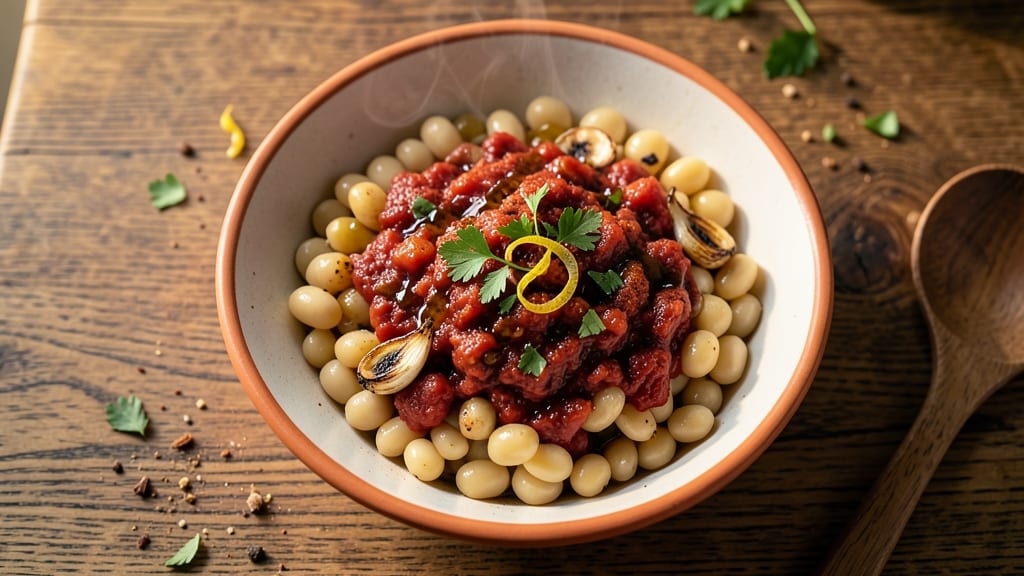
This bean ragout recipe delivers deep, smoky flavors that transform simple ingredients into a hearty, vegan masterpiece. The secret lies in slow-cooked beans and a rich tomato base that builds complexity through careful reduction and aromatic layering.
I developed this recipe after years of perfecting the balance between earthy beans, sweet tomatoes, and bold spices.
What sets this ragout apart is the technique: starting with a deep sauté of onions, garlic, and smoked paprika creates a flavor foundation that simmers into a velvety sauce.
The beans soften just enough to absorb these flavors while maintaining their natural texture. This method ensures every spoonful delivers that perfect harmony of smoky, sweet, and savory notes.
The result is a dish that's rich enough to stand alone but versatile enough to pair beautifully with crusty bread, polenta, or roasted greens. The slow cooking process allows flavors to meld and deepen, creating a ragout that tastes even better the next day.
Perfect for cozy weeknight dinners or impressing guests with restaurant-quality vegan comfort food.
Whether you're using fresh or canned beans, this recipe adapts effortlessly to your pantry while delivering consistently delicious results. The key is patience—letting the flavors develop over time transforms ordinary ingredients into something extraordinary. Let's create this hearty, flavorful bean ragout together.
Ingredients for bean ragout
Fifteen ingredients, deep flavor—this ragout transforms pantry staples into restaurant-quality vegan comfort.
| Ingredient | Amount | Notes |
|---|---|---|
| Dried Cannellini Beans 🌾 | 1 ½ cups | Soaked overnight or quick-soaked |
| San Marzano Crushed Tomatoes 🍅 | 2 cups | High-quality, no salt added |
| Yellow Onions 🧅 | 1 whole | Medium, thinly sliced |
| Garlic Cloves 🧄 | 4 cloves | Freshly minced for depth |
| Smoked Paprika 🌶️ | 1 tbsp | High-quality, not sweet |
| Ground Cumin 🌿 | 1 tsp | Freshly toasted preferred |
| Dried Thyme 🍃 | 1 tsp | Or 1 tbsp fresh thyme |
| Extra-Virgin Olive Oil 🫒 | ½ cup | High-quality, fruity |
| Vegetable Broth 💧 | 2 cups | Low-sodium preferred |
| Tomato Paste 🍅 | 2 tbsp | Smooth, no sugar added |
| Bay Leaves 🌿 | 2 whole | Fresh preferred |
| Kosher Salt 🧂 | 1 ½ tsp | Diamond Crystal preferred |
| Black Peppercorns 🌶️ | ½ tsp | Freshly cracked |
| Fresh Parsley 🌿 | ¼ cup | Chopped, for garnish |
| Lemon Juice 🍋 | 1 tbsp | Freshly squeezed |
The San Marzano tomatoes are non-negotiable for this dish—their natural sweetness and acidity balance the earthy beans perfectly. Whole Foods or Trader Joe's carry high-quality crushed varieties, or opt for whole San Marzano canned tomatoes crushed by hand for maximum flavor. For the beans, cannellini hold their shape beautifully, but great northern or pinto work equally well. If using dried, soak them overnight or quick-soak with boiling water for 2 hours. The smoked paprika should be a deep, rich color—Penzeys or La Boîte brands deliver consistent quality. Fresh garlic and onions form the aromatic base, so choose firm, vibrant produce with no soft spots or sprouts.
No smoked paprika? Liquid smoke at half the amount works in a pinch, though it lacks the complex depth of the real thing. Substituting canned tomatoes? San Marzano if possible, but any quality crushed tomato will do—just taste first. Fresh thyme unavailable? Dried at one-third the amount suffices, but toast it lightly in the oil to wake up its flavor. The vegetable broth should be low-sodium—Imagine or Pacific Foods are excellent choices. For extra richness, stir in 1 tablespoon of nutritional yeast at the end, though it's not traditional. The tomato paste acts as a thickener and flavor concentrator, so no-sugar-added is critical for balancing the dish's natural sweetness.
This ragout develops deeper flavor over time, so reheat gently on the stove with a splash of water or broth. It keeps beautifully in the fridge for 4-5 days in an airtight container, though the flavors peak after 24 hours. For longer storage, freeze portions for up to 3 months. The lemon juice should be added fresh before serving—it brightens the dish and prevents the tomatoes from becoming overly acidic during storage. Garnish with parsley just before serving to maintain vibrant color and freshness. Leftovers reheat wonderfully, making this an ideal make-ahead meal for busy weeknights.
Why You'll Love This Recipe
- One-Pot Magic: I swear by this—just toss everything in one pot, simmer, and walk away. No chopping boards to clean, no extra pans, and the dried beans soften right into that velvety texture without fuss. The onions caramelize while you stir, and the garlic? Oh, it melts into the tomatoes like a secret.
- Smoky Depth Bomb: That smoked paprika isn’t just a garnish—it’s the star. The moment it blooms in the oil with the onions, your kitchen smells like a sun-drenched Italian terrace. The San Marzano tomatoes add that bright, sweet acidity, while the cannellini beans soak it all up into something rich but never heavy. Honestly, the first bite makes me pause.
- Leftover Goldmine: This ragout actually improves the next day. The flavors meld into this cozy, hearty stew that’s perfect for lunch or dinner—just reheat and serve with crusty bread. I’ve turned it into a filling for stuffed peppers, a topping for grilled cheese, or even a quick pasta sauce. It’s my pantry’s unsung hero.
- Budget-Buster Win: Dried beans and canned tomatoes? That’s a grocery list I can get behind. A single batch feeds four for two meals, and the ingredients cost pennies compared to fresh produce. Plus, the smoky, savory punch makes it feel like you spent hours when really, you just set it and forgot it. (Yes, even on a Tuesday night.)
Step-by-step instructions for deep-flavored bean ragout
This method builds rich, smoky depth through proper layering of aromatics and slow cooking techniques.
Prepare and Soak the Cannellini Beans
Place the 1.5 cups dried cannellini beans in a large bowl and cover with plenty of cold water by at least 2 inches. Let them soak overnight at room temperature—this ensures even cooking and prevents tough texture. I prefer overnight soaking because it eliminates the need for quick-soaking methods that can dilute flavors.
After soaking, drain and rinse the beans thoroughly under cold water. This removes any potential bitterness from the soaking liquid. Transfer them to a medium pot and cover with fresh cold water by 2 inches again. Bring to a gentle boil over medium-high heat, then immediately reduce to medium-low heat and simmer for 15 minutes. Drain again and set aside—we'll add them back later when the ragout reaches its peak flavor development.
Develop the Smoky Tomato Base
Heat the 0.5 cup extra-virgin olive oil in a large Dutch oven over medium heat. Add the 1 whole yellow onion and cook for 8-10 minutes until softened and translucent, stirring occasionally. Add the 4 cloves garlic cloves and cook for 30 seconds until fragrant—this prevents the garlic from burning, which would create bitterness.
Stir in the 1 tbsp smoked paprika, 1 tsp ground cumin, and 1 tsp dried thyme, toasting for 1 minute until the spices release their aromas. Add the 2 tbsp tomato paste and cook for 2 minutes, stirring constantly, until it darkens slightly. This creates a flavorful base that will carry through the entire dish. Pour in the 2 cups San Marzano crushed tomatoes and stir to combine.
Simmer and Build Complexity
Add the 2 cups vegetable broth, 2 whole bay leaves, 1.5 tsp kosher salt, and 0.5 tsp black peppercorns to the Dutch oven. Bring to a gentle boil over medium-high heat, then immediately reduce to low heat and simmer uncovered for 30 minutes. This slow simmer allows the flavors to meld and develop depth.
After 30 minutes, add the partially cooked beans back to the pot. The beans will absorb the rich flavors of the simmering liquid. Continue simmering for another 20-25 minutes until the beans are tender but still hold their shape. The ragout should be thick enough to coat the back of a spoon but still have a slightly saucy consistency.
Finish with Brightness and Garnish
Remove the 2 whole bay leaves from the ragout. Stir in the 1 tbsp freshly squeezed lemon juice, which brightens the dish and cuts through the richness of the tomatoes and beans. Taste and adjust the seasoning if needed—this is where you can fine-tune the balance of salt, acid, and smokiness.
Ladle the ragout into serving bowls and garnish with 0.25 cup chopped fresh parsley. The parsley adds a fresh, vibrant contrast to the deep, smoky flavors. Serve immediately with crusty bread or over polenta to soak up the rich sauce. The ragout will continue to develop flavor as it sits, so don't hesitate to taste and adjust before serving.
Pro Tips For Making Bean Ragout
- SOAK BEANS 8 HOURS (OR OVERNIGHT): I learned this the hard way—skipping the long soak leaves your beans tough no matter how long you simmer. Cannellinis need at least 8 hours in water (or a 2-hour quick soak with boiling water) to break down properly. Trust me, the extra time makes the texture creamy and tender.
- SAUTE ONIONS UNTIL GOLDEN: Low and slow turns onions mushy—this ragout needs them caramelized. Cook them on medium-low heat for 10-12 minutes, stirring occasionally, until they’re deep amber and slightly crisp at the edges. That’s when they’ll actually flavor the whole dish, not just sit there bland.
- CRUSH TOMATOES BY HAND: Canned San Marzano tomatoes are already crushed, but if you’re using whole ones, resist the food mill—it turns them into mush. Instead, give them a rough smash with your fingers or a wooden spoon to keep some texture. The ragout stays thicker and more interesting that way.
- ADD SMOKED PAPRIKA LAST: Too much heat destroys the smoky depth of paprika. Stir it in during the final 5 minutes of cooking, not at the start. This keeps its aroma vibrant and prevents it from turning bitter—because nobody wants a sad, ashy ragout.
Regional styles of this recipe
French Rustic Approach
The French version of this bean ragout, often called haricots blancs à la moutarde, replaces smoked paprika with 1 tsp Dijon mustard and ½ tsp black pepper for a tangy kick.
I like using white beans (navy or great northern) instead of cannellini, as they hold up better to the French technique of adding a splash of dry white wine (like Sauvignon Blanc) when deglazing the pot.
The French also traditionally finish with a touch of herbes de Provence** (½ tsp) for an earthy herbal note that complements the mustard beautifully. 🌿
Italian Country Style
In Italy, this ragout becomes fagioli all'uccelletto, a rustic dish where pinto beans replace cannellini, and the sauce is enriched with ½ cup tomato paste cooked until it darkens into a glossy appretto.
The Italians use rosemary (½ tsp) instead of thyme and often add ½ cup chopped pancetta (though for vegan, use smoked tofu crumbles). The dish finishes with a drizzle of extra-virgin olive oil and a sprinkle of grated Pecorino Romano (or vegan alternative).
The ragout is typically served with crusty bread or polenta.
Spanish Smoky Version
Spain transforms this ragout into alubias con chorizo, but for a vegan twist, we swap chorizo for smoked paprika-infused mushrooms (sauté 1 cup sliced mushrooms with 1 tsp smoked paprika).
The Spanish version also includes ½ cup chopped serrano ham (or vegan chorizo), 1 tsp ground coriander, and a splash of sherry vinegar at the end for brightness. Garlic is doubled to 6 cloves, and the dish is often finished with crispy fried breadcrumbs on top.
Serve with pa amb tomàquet (toasted bread with tomato rub) for dipping. 🌶️
Caribbean-Inspired Twist
For a tropical take, add 1 bell pepper (diced), 1 scallion (chopped), and ½ tsp allspice to the base. The Caribbean version often includes 1 cup coconut milk (added at the end) and a squeeze of lime juice instead of lemon.
Fresh cilantro replaces parsley as the garnish, and the dish pairs perfectly with coconut rice or grilled plantains. The slow simmer is extended to 45 minutes to let the flavors meld with the tropical ingredients.
Modern Vegan Adaptation
For a contemporary vegan version, I like adding ½ cup diced roasted eggplant (tossed with olive oil and smoked paprika before roasting) and a pinch of nutritional yeast for a cheesy depth. The ragout can also be finished with 1 tbsp miso paste (white or red) for umami richness.
Serve with cashew sour cream** (blend ½ cup soaked cashews with lemon juice and garlic) for dipping. This version is perfect for those who want a protein-packed, nutrient-dense meal with a modern twist. ✨
Nutrition facts
Frequently asked questions
Can I use canned beans instead of dried?
For 1.5 cups dried beans, use 2.5 cups canned beans (drained and rinsed). The key is to reduce the simmering time to 15-20 minutes after adding the beans instead of 20-25 minutes—canned beans are pre-cooked and will become mushy if over-simmered. Drain and rinse well to remove excess sodium.
Why does my ragout taste bland?
Most likely, you need more acidity or salt. A splash of lemon juice or red wine vinegar brightens flavors, while a pinch of kosher salt enhances depth. Also, ensure you toasted the spices (smoked paprika, cumin) in the oil—this releases their aromatic oils. If using canned tomatoes, opt for San Marzano for natural sweetness.
Can I make this in a slow cooker?
Yes! Sauté the onions, garlic, and spices as directed, then transfer everything to a 6-quart slow cooker. Add the beans and broth, then cook on low for 6-7 hours or high for 3-4 hours. The beans will soften more, so check texture at 5 hours if using dried. Finish with lemon juice and parsley before serving.
What’s the best way to store leftovers?
Let the ragout cool completely, then transfer to an airtight container. It keeps in the fridge for 4-5 days—the flavors actually improve! For longer storage, freeze portions for up to 3 months. Reheat gently on the stove with a splash of water or broth to restore texture. Never microwave directly from frozen.
How can I make this spicier?
Add ½ tsp cayenne pepper with the smoked paprika, or stir in 1 tbsp hot sauce at the end. For smoky heat, include ½ cup diced chipotle peppers in adobo sauce (remove seeds for less heat). For a quick fix, top servings with red pepper flakes or a dash of Aleppo pepper.