
Main Courses
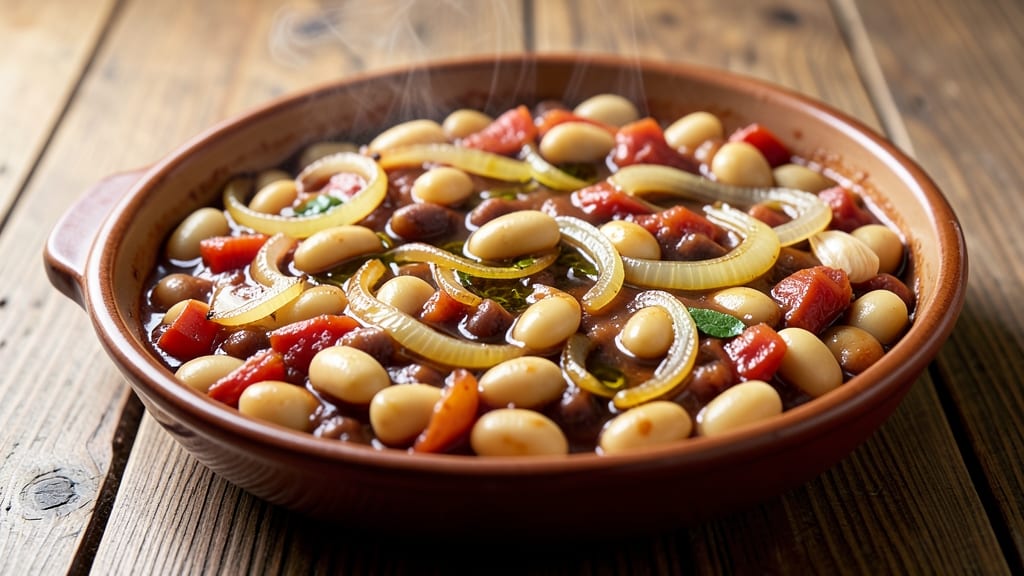
This bean ragu recipe transforms humble ingredients into a restaurant-quality vegetarian masterpiece that rivals traditional meat-based ragùs. The slow-simmered sauce develops deep, complex flavors as white beans break down into creamy perfection, while aromatic herbs and smoked paprika create layers of warmth.
I perfected this version after years of experimenting with bean-based dishes—it's the one my family requests every time.
The secret lies in proper technique: sautéing onions and garlic until golden, then deglazing with white wine to build flavor before adding crushed tomatoes and simmering for hours. This method creates a sauce that's rich yet balanced, with tender beans that hold their shape while absorbing all the savory goodness.
The result is a dish that's equally at home over pasta, polenta, or crusty bread.
What makes this ragu truly special is its versatility—it freezes beautifully for future meals and improves overnight as flavors meld. The texture is velvety yet substantial, with just enough bite from the beans to keep it interesting.
Each spoonful delivers that perfect harmony of smoky, herby, and slightly sweet notes that make it unforgettable.
For an extra touch of sophistication, finish with fresh basil or a sprinkle of grated pecorino. This recipe proves vegetarian meals can be just as satisfying as classic ragùs—without compromising on flavor or technique. Let's get cooking!
Ingredients for bean ragu
Sixteen ingredients elevate humble beans into a velvety, restaurant-worthy vegetarian ragu.
| Ingredient | Amount | Notes |
|---|---|---|
| Cannellini Beans (Dried) 🌾 | 1 ½ cups | Unsoaked, rinsed thoroughly |
| Onions (Yellow) 🧅 | 2 whole | Medium, thinly sliced |
| Garlic Cloves 🧄 | 6 cloves | Fresh, minced finely |
| Extra-Virgin Olive Oil 🫒 | ½ cup | High-quality, fruity |
| Dry White Wine 🍷 | ½ cup | Sauvignon Blanc preferred |
| Crushed Tomatoes (San Marzano) 🍅 | 28 oz | High-quality canned |
| Vegetable Broth 💧 | 2 cups | Low-sodium preferred |
| Smoked Paprika 🌶️ | 1 tbsp | Sweet, not hot |
| Fresh Rosemary 🌿 | ¼ cup | Chopped finely |
| Fresh Thyme 🌿 | ¼ cup | Leaves only, chopped |
| Bay Leaves 🍃 | 2 whole | Dried, removed after cooking |
| Pecorino Romano Cheese 🧀 | ½ cup | Freshly grated |
| Fresh Basil Leaves 🌿 | ¼ cup | Chopped for garnish |
| Salt 🧂 | 1 ½ tsp | Diamond Crystal kosher |
| Black Peppercorns 🌶️ | ½ tsp | Freshly cracked |
The quality of your beans and tomatoes makes all the difference. San Marzano crushed tomatoes are non-negotiable for their sweet, meaty texture—Whole Foods or Trader Joe's carry excellent brands. Cannellini beans should be plump and firm; if using dried, sort through for stones and rinse thoroughly before soaking. For the wine, a crisp Sauvignon Blanc adds brightness, but any dry white works. The pecorino romano should be freshly grated—pre-shredded lacks the sharp, salty punch that finishes the dish perfectly. I always buy mine in a wedge from the deli counter for maximum freshness.
No white wine? Vegetable broth with a splash of apple cider vinegar mimics the acidity beautifully. Fresh herbs can be swapped for dried at one-third the amount, but fresh rosemary and thyme add depth that dried simply can't match. If you're short on time, pre-minced garlic works, though freshly minced releases more flavor. For the smoked paprika, Penzeys or Goya brands deliver consistent quality—avoid the generic grocery store versions, which often taste bitter. The vegetable broth can be homemade or store-bought, but always opt for low-sodium to control seasoning.
This ragu develops richer flavors over time, so make a double batch—it reheats beautifully and tastes even better the next day. Store in airtight containers in the fridge for up to 5 days or freeze for 3 months. For serving, toss with al dente pasta or use as a hearty spread on crusty bread. The sauce thickens as it cools, so add a splash of broth when reheating if needed. Fresh basil should be added just before serving to preserve its vibrant color and aroma.
Why You'll Love This Recipe
- Weeknight-Friendly Simplicity: I swear by this for nights when I’m too tired to fuss—just soak the dried cannellinis overnight, then toss them with onions, garlic, and wine. The pot does all the work while I sip my coffee.
- Wine-Infused Depth: That splash of dry white wine? It’s the secret—it brightens the earthy beans and caramelized onions like magic. Rich, but not heavy; it’s the kind of flavor that lingers.
- Leftovers That Shine: Make a double batch and freeze half. Thaw it later for pasta, toast it with bread, or even stuff it into roasted peppers. It tastes just as good reheated as it does fresh.
- Budget Hero: Dried beans stretch this dish into a feast without breaking the bank. A few onions, garlic, and a bottle of wine go a long way—plus, it’s way cheaper than store-bought ragu.
Step-by-step instructions for crafting rich bean ragu
Transform simple ingredients into a velvety, aromatic bean ragu that clings perfectly to pasta.
Sauté Aromatics Until Deeply Fragrant
Heat the 0.5 cup extra-virgin olive oil in a heavy Dutch oven over medium-low heat. Add the 2 whole thinly sliced yellow onions and cook for 8-10 minutes until they soften and become translucent, stirring occasionally to prevent browning. This slow cook ensures sweetness develops rather than bitterness.
Add the 6 cloves minced garlic cloves and cook for 30 seconds until fragrant—you should smell that sweet garlic aroma before any color change appears. Immediately stir in the 1 tbsp smoked paprika and cook for another 15 seconds while watching closely. The paprika burns quickly, so don't walk away. This aromatic base forms the flavor foundation of your ragu.
Deglaze and Build the Sauce Base
Pour in the 0.5 cup dry white wine and scrape the bottom of the pot vigorously with a wooden spoon, collecting all those flavorful browned bits. Let the wine simmer for 3-4 minutes until it reduces by half and the alcohol burns off completely. You'll notice the aroma shift from sharp to mellow as the wine transforms.
Add the 28 oz crushed San Marzano tomatoes, 2 cups vegetable broth, 0.25 cup chopped fresh rosemary, 0.25 cup chopped fresh thyme, 2 whole bay leaves, 1.5 tsp salt, and 0.5 tsp cracked black peppercorns. Stir well to combine, then bring the mixture to a gentle simmer over medium heat. The liquid should bubble softly without vigorous boiling.
Simmer the Beans Until Tender and Rich
Add the 1.5 cups rinsed dried cannellini beans to the simmering liquid. Partially cover the pot and cook for 45-50 minutes over low heat, stirring occasionally. The beans should soften completely and absorb the flavors of the surrounding sauce. You'll know they're ready when they're fork-tender and the sauce has thickened noticeably from the beans' starch.
Here's the thing—don't rush this step. The beans need time to break down and release their natural sweetness into the sauce. If the liquid reduces too much before the beans are tender, add 2-3 tablespoons of water to maintain the proper consistency. The sauce should coat the back of a spoon but still be loose enough to cling to pasta.
Finish with Cheese and Fresh Herbs
Remove the 2 whole bay leaves and discard them. Stir in the 0.5 cup freshly grated Pecorino Romano cheese until fully melted and smooth. The cheese adds a salty, umami depth that balances the earthy bean flavors. Taste and adjust seasoning if needed—you might need a touch more salt to enhance the flavors.
Finally, stir in the 0.25 cup chopped fresh basil leaves just before serving. The basil adds a bright, fresh contrast to the rich, savory ragu. Keep the ragu warm over low heat until you're ready to serve, stirring occasionally to prevent a skin from forming. This dish tastes even better the next day as the flavors meld further.
Pro Tips For Making Bean Ragu
- SOAK BEANS OVERNIGHT: Dried cannellini beans double in size—skip the overnight soak and they’ll fight for space in the pot, turning your ragu into a mushy, waterlogged mess. Even 2 hours in warm water helps, but if you’re in a rush, at least cover them with cold water and add a pinch of baking soda to soften them faster.
- SWEEP THE BOTTOM: After deglazing with white wine, don’t just walk away—grab that wooden spoon and scrape every last bit of browned bits from the pan. Those bits are pure flavor, and letting them sit turns your ragu into a sad, thin sauce instead of a rich, velvety one.
- DON’T SKIP THE BLOOM: Sauté onions in olive oil until they’re golden, not just soft—about 10 minutes on medium heat. Rushed onions mean bland ragu. (Yes, even if you’re impatient like me, the extra 5 minutes make a real difference.)
- SIMMER LOW AND LONG: This isn’t a 20-minute weeknight dinner—crank the heat to medium-high to start, then drop it to a gentle simmer. Let those beans and wine marry for at least 45 minutes, stirring occasionally. The longer they cook, the deeper the flavor, and skimming the foam early keeps things clean.
Regional styles of this bean ragu
Italian Rustic Style
Inspired by Tuscany's heartland, this version swaps white beans for borlotti beans—their speckled skins and nutty flavor create a rustic texture. Add ½ cup diced pancetta (optional for vegetarians, use mushrooms) and 1 tbsp tomato paste to deepen the sauce's richness.
Finish with a sprinkle of fresh pecorino and a drizzle of extra-virgin olive oil straight from the bottle. Serve with pappardelle pasta for an authentic touch. 🍝
Spanish-Inspired Version
Transform your ragu into a Spanish-style fabada by adding ½ cup chorizo (for vegetarians, use smoked paprika and a pinch of cayenne). Simmer with 1 cup white beans and 1 diced potato until tender.
Deglaze with ½ cup dry sherry instead of wine, and finish with ½ cup chopped parsley and a squeeze of lemon. This version shines with crusty rustic bread for dipping. 🌶️
Mediterranean Twist
Brighten the ragu with 1 zucchini and 1 red bell pepper, diced and sautéed with the onions. Add 1 tsp ground coriander and ½ cup crumbled feta at the end for a tangy contrast.
Garnish with chopped mint and a drizzle of lemon-infused olive oil. This version pairs beautifully with couscous or grilled flatbread. ✨
Modern Fusion Approach
For a contemporary take, blend ½ cup of the cooked beans into the sauce for a creamy texture. Stir in 1 tbsp miso paste and 1 tsp sesame oil for umami depth.
Top with toasted sesame seeds and scallions. Serve over jasmine rice or udon noodles for an unexpected twist. 💫
Southern U.S. Adaptation
Give your ragu a Southern flair by adding ½ cup cooked okra and 1 smoked sausage (optional for vegetarians, use smoked gouda). Deglaze with ½ cup apple cider instead of wine, and finish with hot honey and crumbled bacon. This version is perfect over cornbread or buttery biscuits. 🍯
Nutrition facts
Frequently asked questions about bean ragu
Can I use canned beans instead of dried?
Yes, but adjust the cooking time! Use 2 (15 oz) cans of cannellini beans (drained and rinsed) and simmer for just 15-20 minutes after adding them to the sauce. Canned beans cook faster, so don't skip this step—they need time to absorb all those wonderful flavors. For best results, choose low-sodium beans and rinse thoroughly to control seasoning.
What's the best pasta to serve with this bean ragu?
This rich ragu pairs perfectly with pappardelle or fettuccine—their wide, flat surfaces catch every creamy bite. For extra texture, try rigatoni or penne. If you want to go beyond pasta, serve it over creamy polenta or with crusty sourdough bread for dipping. The beans hold their shape well, so avoid delicate noodles like angel hair.
Why does my bean ragu turn out watery?
Watery ragu usually means one of two things: either the beans weren't cooked long enough to release starch (simmer 45+ minutes for dried beans), or the sauce reduced too quickly. To fix it, remove the lid and simmer uncovered for 10-15 minutes to thicken naturally. If needed, stir in 1 tbsp cornstarch mixed with 2 tbsp water—this works like a magic thickener without altering flavor.
Can I make this ragu in a slow cooker? Follow the same steps for sautéing aromatics, then transfer everything to your slow cooker. Cook on low for 6-7 hours or high for 3-4 hours. The slow cooker's gentle heat enhances the beans' creaminess while developing deeper flavors. Just
How do I store and reheat leftovers?
Store in airtight containers in the fridge for up to 5 days or freeze for 3 months. When reheating, add 2-3 tablespoons of water or broth to prevent thickening. Warm over medium-low heat, stirring occasionally, until bubbly. For best texture, reheat gently—microwaving can make the beans mushy. This ragu actually tastes better the next day as flavors meld further!