
Main Courses
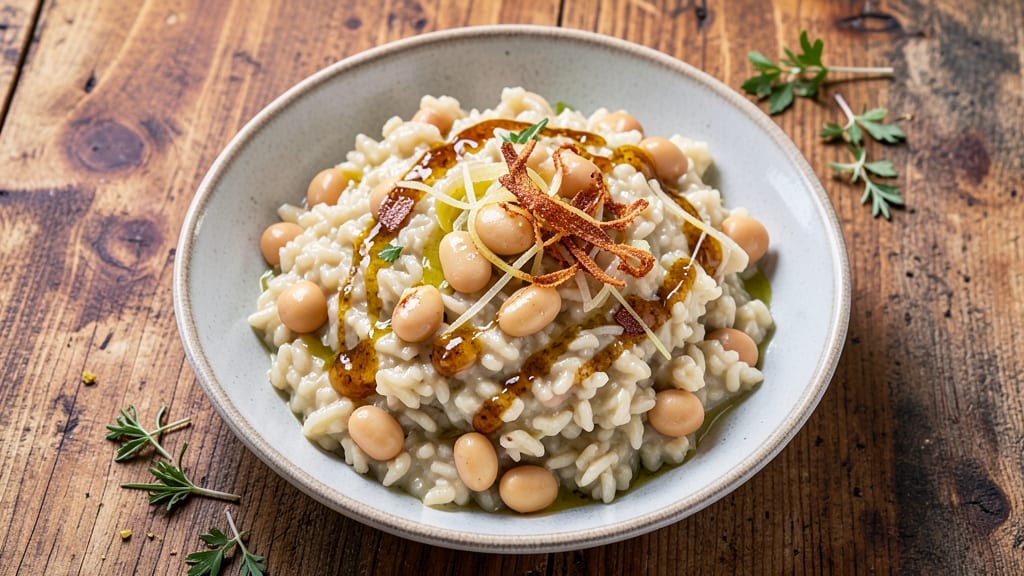
This bean risotto recipe delivers restaurant-quality creaminess in just 30 minutes—no complicated techniques required. The secret lies in combining tender white beans with Arborio rice, creating a velvety texture that's rich, satisfying, and packed with plant-based protein.
I've perfected this method to ensure every bite is perfectly balanced between earthy beans and aromatic broth, with just the right amount of umami depth.
The foundation starts with properly toasting the rice and beans in olive oil until fragrant, then deglazing with white wine to build flavor. As the rice absorbs the broth in gradual increments, the beans break down slightly, releasing their creamy starches that transform the dish into a luxurious, spoonable consistency.
This method eliminates the need for heavy cream while still achieving that signature risotto richness.
What you'll end up with is a dish that's creamy yet light, with tender rice grains and hearty white beans throughout. The texture is unmistakably risotto—silky, smooth, and just thick enough to cling to every forkful.
Garnish with fresh parsley, a sprinkle of parmesan (or nutritional yeast for vegan), and crispy shallots for added texture and flavor.
Perfect for vegetarian dinners, meal prep, or impressing guests with minimal effort. The recipe scales easily for crowds, and leftovers reheat beautifully with a splash of broth. Let's create this velvety bean risotto that tastes like it came from an Italian trattoria.
Ingredients for bean risotto
Arborio rice, tender white beans, and aromatic broth create velvety risotto with restaurant-quality depth.
| Ingredient | Amount | Notes |
|---|---|---|
| Arborio Rice 🍚 | 1 ½ cups | Unrinsed for optimal starch release |
| Canned Cannellini Beans 🥫 | 1 ½ cups | Drained, rinsed, and lightly mashed |
| Extra-Virgin Olive Oil 🫒 | ½ cup | For toasting rice and beans |
| Dry White Wine 🍷 | 1 cup | Sauvignon Blanc or Pinot Grigio |
| Vegetable Broth 💧 | 4 cups | Low-sodium preferred, homemade or high-quality |
| Shallots 🧅 | 2 whole | Finely minced for depth of flavor |
| Garlic Cloves 🧄 | 4 cloves | Minced for aromatic base |
| Fresh Parsley 🌿 | ¼ cup | Chopped for garnish and brightness |
| Parmesan Cheese 🧀 | ½ cup | Freshly grated for umami finish |
| Nutritional Yeast 🍞 | 2 tbsp | Vegan alternative for cheesy flavor |
| Salt 🧂 | 1 ½ tsp | Diamond Crystal preferred |
| Ground Black Pepper 🌶️ | ½ tsp | Freshly cracked for heat |
| Lemon Zest 🍋 | 1 tsp | Brightens the creamy texture |
The Arborio rice is non-negotiable—its high starch content creates that signature creamy texture. Barilla or Riso Scotti are my go-to brands, available at most grocery stores or specialty Italian markets. For the beans, cannellini offer the perfect balance of creaminess and texture, though butter beans work equally well. The vegetable broth should be low-sodium and high-quality—homemade or brands like Pacific Foods or Imagine elevate the dish significantly. Shallots add subtle sweetness, so don't skip the mincing step; they should be nearly invisible in the final dish. Store your Arborio rice in a cool, dark place for up to 12 months, and keep canned beans in the pantry for 2-3 years—just check for bloated cans as a safety measure.
White wine can be swapped for dry vermouth or additional broth if unavailable, though the acidity helps balance the richness. No fresh parsley? Dried parsley at one-third the amount works in a pinch, though fresh is ideal for that bright finish. The nutritional yeast is a game-changer for vegan versions—Bob's Red Mill or Bragg are widely available and add a nutty, cheesy depth. For extra umami, consider adding 1 tsp white miso paste to the broth. If you're using pre-minced shallots or garlic from a jar, toast them in olive oil for 30 seconds to revive their flavor before adding to the rice.
This risotto reheats beautifully—simply add a splash of broth and warm through gently. It keeps for 4-5 days in the fridge, though the texture may firm up slightly. For longer storage, freeze portions for up to 3 months; thaw overnight in the fridge and reheat with extra broth. To prep ahead, toast the rice and beans with olive oil, then store separately until ready to cook. The dish scales easily for crowds, so double the ingredients and adjust cooking times accordingly—just ensure you have enough broth to maintain the creamy consistency.
Why You'll Love This Recipe
- No Pantry Panic: I swear by this recipe when I forget to shop for fresh beans—canned cannellini work just as well, and no one can tell. The key is rinsing them well and crushing a few for that creamy texture without extra effort.
- Wine-Fueled Magic: That splash of dry white wine? It’s not just for flavor—it’s the secret to tender Arborio rice with a subtle brightness. The broth simmers into a rich, umami base that makes every bite feel like a little celebration.
- Leftovers That Don’t Suck: Unlike most risottos, this one reheats like a dream—just add a splash of broth and stir. I’ve turned day-old portions into lunches, salads, or even stuffed peppers without breaking a sweat.
- Budget-Friendly Luxury: Arborio rice and canned beans keep costs low, but the result tastes like a fancy dinner. Honestly, it’s my go-to when I want restaurant-quality without the price tag—especially when paired with a simple arugula salad.
Step-by-step instructions for creamy white bean risotto
Master this velvety technique and you'll achieve restaurant-quality risotto with perfect al dente texture.
Toast the Aromatics in Olive Oil
Heat the 0.5 cup extra-virgin olive oil in a heavy-bottomed pot over medium-low heat. Add the 2 whole shallots and 4 cloves garlic cloves, cooking for 5-6 minutes until the shallots soften and become translucent. You'll notice the garlic releases its aroma without browning—this foundational step builds flavor depth that carries through the entire dish.
Here's the thing—don't rush this step. The low heat ensures the shallots render their moisture gradually while the garlic develops its sweet, mellow flavor. If you see the garlic starting to brown too quickly, reduce the heat slightly. This aromatic base will become the flavor anchor for your risotto, so take your time to develop it properly.
Toast the Rice and Add Wine
Add the 1.5 cups unrinsed Arborio rice to the pot and stir to coat the grains thoroughly in the oil and aromatics. Toast the rice for 2-3 minutes until it becomes translucent at the edges. This toasting process, called "risottatura," creates the signature nutty flavor in risotto and prevents the grains from becoming mushy.
Pour in the 1 cup dry white wine and stir constantly until completely absorbed. You'll know it's ready when the wine has evaporated and the rice releases its starch, creating a thin, creamy coating on the grains. This deglazing step is crucial—it removes the alcohol's sharpness while incorporating its acidity that brightens the final dish. Don't walk away; the rice should never sit undisturbed in liquid at this stage.
Cook the Risotto with Broth
Add 1 cup of the vegetable broth to the pot and stir gently. Bring to a simmer, then reduce heat to medium-low and maintain a gentle bubble. The key to perfect risotto is patience—cook for 10-12 minutes, adding ½ cup broth at a time as it's absorbed. Each addition should be timed precisely when the previous portion has been completely incorporated.
After about 8 minutes, add the 1.5 cups lightly mashed cannellini beans and 2 tbsp nutritional yeast. The beans will begin to break down slightly, releasing their creamy texture into the risotto. Stir gently to distribute them evenly without mashing completely—you want some whole beans for texture contrast. This is when the risotto starts developing its signature velvety body from both the rice starch and bean puree.
Finish with Creamy Elements
Continue cooking for another 5-7 minutes until the rice is al dente—it should be tender but still have a slight resistance in the center. The total cooking time should be about 20 minutes from when you added the first broth. Taste the risotto and adjust seasoning with salt and ground black pepper as needed. The beans should contribute natural saltiness, but you may need to add some of the 1.5 tsp salt for balance.
Remove from heat and stir in the 0.5 cup freshly grated Parmesan cheese and 1 tsp lemon zest. Let the risotto sit for 2 minutes to thicken slightly from residual heat. The lemon zest brightens the rich flavors while the Parmesan adds umami depth. Here's the professional trick: cover the pot for 1 minute before serving to trap any remaining steam and create that perfect creamy finish.
Garnish and Serve Immediately
Transfer the risotto to serving bowls and garnish with the 0.25 cup chopped fresh parsley. The parsley adds freshness and visual contrast to the creamy dish. Serve immediately while still hot—risotto continues to thicken as it cools, so timing is everything. Each bite should deliver the perfect balance of creamy texture from the beans and rice, with bright acidity from the lemon and umami from the Parmesan.
This bean risotto achieves its signature creaminess through three key elements: the slow release of starch from Arborio rice during cooking, the natural creaminess of cannellini beans, and the proper balance of liquid additions. The result is a dish that's rich yet light, satisfying yet refined—perfect for any occasion where you want to impress without complicated techniques.
Pro Tips For Making Bean Risotto
- STIR CONSTANTLY, KEEP IT MOVING: I learned this the hard way—skipping the stir for even 30 seconds lets the rice stick and turn gummy. Use a wooden spoon and keep it in motion like you’re stirring oatmeal, especially when adding broth. The goal is to toast the Arborio rice evenly before it absorbs liquid.
- DRAIN AND RINSE BEANS: Canned beans? Drain them, then give them a quick rinse under cold water. The starchy coating clings to Arborio rice like glue, turning your creamy risotto into a thick, gluey mess. Pat them dry with a towel if you’re feeling fancy—it makes a real difference.
- USE COLD BROTH, NOT HOT: I was skeptical until I tried it: cold vegetable broth (straight from the fridge) heats up faster and keeps the risotto’s texture consistent. Pouring in boiling broth can shock the rice and make it release too much starch at once. Start with room-temp broth if you’re impatient, but cold works better.
- DEGLLAZE WITH WINE FIRST: Don’t just pour the wine in and forget about it. After toasting the rice in olive oil, add the white wine and let it sizzle for 30 seconds—this deglazes the pan and adds depth. Skipping this step means you’re missing out on the wine’s acidity cutting through the richness of the beans and rice.
Wine and beer pairings for this dish
White Wine Pairings
For this creamy bean risotto, I recommend a crisp Italian white wine like Vermentino or Pinot Grigio—both complement the dish's richness with their bright acidity and citrus notes. The acidity cuts through the velvety texture while enhancing the lemon zest finish.
A dry Sauvignon Blanc also works beautifully, especially if your risotto has a touch of garlic intensity. 🍷
Beer Complements
A light, crisp Italian lager like Peroni or Moretti pairs wonderfully, cleansing your palate between bites. For craft beer lovers, try a Belgian witbier—its peppery, citrusy notes mirror the lemon zest and fresh parsley.
Avoid heavy stouts or IPAs, which would overpower the delicate flavors. A German Helles with its subtle malt sweetness also works well.
Red Wine Options
If you prefer red, a light-bodied Chianti or Pinot Noir with bright acidity and earthy undertones can stand up to the dish. Look for wines with minimal tannins to avoid clashing with the creamy texture.
A Valpolicella with its cherry notes adds a fruity contrast that enhances the bean's natural sweetness.
Non-Alcoholic Pairings
For non-alcoholic options, a sparkling apple cider like Martinelli's adds effervescence that refreshes the palate. Alternatively, try a ginger beer with a hint of lime—its spicy kick complements the risotto's creaminess. For something more herbal, an iced hibiscus tea with a touch of honey provides a tart, floral contrast.
Seasonal Adaptations
In summer, opt for a chilled Riesling with its crisp acidity and stone fruit notes. During winter, a Viognier with its floral and peach aromas enhances the dish's warmth. For a festive touch, pair with a sparkling Prosecco—its bubbles and citrus flavors elevate the celebratory feel of the meal.
Nutrition facts
Frequently asked questions
Can I use different types of beans in this recipe?
While cannellini beans work beautifully, you can substitute with butter beans, chickpeas, or even black beans for a different flavor profile. For best results, lightly mash about half of your beans before adding them to the risotto to help create that signature creamy texture. Just remember that darker beans may give your risotto a slightly earthier taste.
Why does my bean risotto turn out too dry?
This usually happens when you add the broth too quickly or don't stir frequently enough. The key is to add broth ½ cup at a time only after the previous addition has been completely absorbed. Keep the heat at medium-low and stir constantly—this helps release the rice's natural starches gradually. If it gets dry, simply add a splash of warm broth and let it sit for a minute before stirring.
How do I make this risotto vegan?
Skip the Parmesan and use 2 tablespoons nutritional yeast instead for that cheesy flavor. Also, ensure your broth is vegetable-based and check that your wine is vegan-certified. The recipe already includes nutritional yeast, so you won't need any additional adjustments—just omit the cheese and you're good to go! This version will still be rich and creamy.
Can I make this risotto ahead of time?
While risotto is best served immediately, you can prep components ahead. Toast the rice and beans with olive oil, then store them separately in the fridge. When ready to cook, just add the wine and broth as directed. For leftovers, reheat with a splash of warm broth and stir gently over low heat. The texture will be slightly firmer but still delicious—just add a bit more broth when serving if needed.
What's the secret to getting that perfect creamy texture?
The creaminess comes from three things: Arborio rice (high starch content), lightly mashed beans, and constant stirring while cooking. The beans release their natural creaminess as they cook, while the rice starches thicken the broth. Never let the risotto boil—keep it at a gentle simmer and stir frequently to distribute the heat evenly. The final resting time also helps the starches set properly.