
Side Dishes
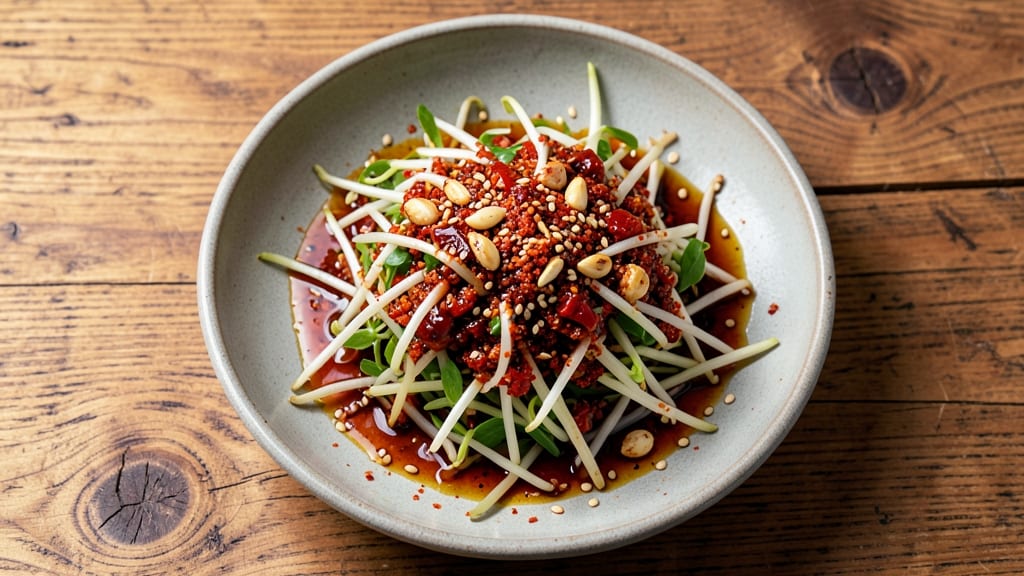
This bean sprout banchan Korean recipe delivers the perfect balance of crispy texture and bold flavors in just 15 minutes—a staple side dish that elevates any Korean meal. The secret lies in properly washing and blanching the bean sprouts to maintain their signature crunch while absorbing the savory-sweet seasoning.
I developed this version after realizing how often store-bought versions missed that essential texture contrast between tender sprouts and crispy edges.
What sets this recipe apart is the simple yet transformative seasoning—a harmonious blend of soy sauce, toasted sesame oil, minced garlic, and optional chili flakes that creates layers of umami and subtle heat.
The key technique is tossing the blanched sprouts immediately after cooking while they're still piping hot, ensuring they absorb every flavor without becoming soggy. This method transforms humble bean sprouts into a restaurant-quality side dish that's impossible to resist.
The result is a vibrant, crunchy-spiced banchan that's ready in record time—perfect for balancing richer main dishes like bulgogi or bibimbap. The dish maintains its texture even when served at room temperature, making it ideal for meal prep.
Each bite delivers that satisfying contrast of crispy edges and tender sprouts, all coated in a delicate balance of salty, nutty, and slightly spicy flavors.
Serve this alongside grilled meats, rice dishes, or as part of a full Korean spread. The beauty of this recipe lies in its versatility—it's simple enough for weeknight meals but impressive enough for gatherings. Here's how to make it perfectly every time.
Ingredients for bean sprout banchan korean
Fresh bean sprouts and toasted sesame oil create the perfect crunchy-spiced Korean banchan side dish.
| Ingredient | Amount | Notes |
|---|---|---|
| Fresh Bean Sprouts 🌱 | 8 oz | Trimmed and rinsed thoroughly |
| Toasted Sesame Oil 🫒 | 1 ½ tbsp | For nutty aroma and depth |
| Korean Soy Sauce (Ganjang) 🧂 | 2 tbsp | Rich umami foundation |
| Garlic Cloves 🧄 | 3 cloves | Finely minced for bold flavor |
| Gochugaru (Korean Chili Flakes) 🌶️ | 1 tbsp | Adjust for preferred spice level |
| Sesame Seeds 🌰 | 1 tbsp | Toasted for extra crunch |
| Rice Vinegar 🍶 | 1 tbsp | Brightens the flavor profile |
| Sugar 🍚 | 1 tsp | Balances saltiness |
| Vegetable Oil 🫒 | 1 tbsp | For high-heat cooking |
| Green Onion 🧅 | 2 whole | Thinly sliced for garnish |
| Salt 🧂 | ½ tsp | Diamond Crystal preferred |
The bean sprouts are the star here—look for vibrant, crisp varieties at Korean markets or the produce section of major grocery stores like Whole Foods or H Mart. Trim the ends and rinse thoroughly to remove any dirt or debris, which can affect the final texture. For the sesame oil, toasted varieties add depth of flavor, but regular sesame oil works in a pinch. If you can't find Korean soy sauce, regular soy sauce plus a pinch of sugar mimics its balance. The garlic should be fresh—no pre-minced jars—and the gochugaru is essential for that signature Korean heat.
No sesame seeds? Toasted sunflower seeds work as a neutral crunch alternative. Short on rice vinegar? Apple cider vinegar or lemon juice adds brightness, though the flavor won't be identical. The sugar can be swapped for honey or agave if preferred, but it's crucial for balancing the soy sauce's saltiness. For extra umami without soy sauce, a dash of mushroom powder or a splash of coconut aminos can help. The vegetable oil should have a high smoke point—avocado or peanut oil are excellent choices if you want to splurge.
This dish stays at its peak for 2 days in the fridge if stored in an airtight container, though the texture softens slightly over time. For meal prep, make the seasoning ahead and toss it with the sprouts just before serving to maintain that signature crunch. The green onions should be added fresh at the end—they wilt quickly when cooked. If you're serving this as part of a larger Korean spread, double the batch—it disappears fast during gatherings.
Why You'll Love This Recipe
- No-Chop Nightmare: Fresh bean sprouts need zero prep—just rinse and drain. That’s it. Honestly, I’ve made this mid-conversation with my partner while waiting for the rice to cook.
- Garlic-Chili Magic: The moment toasted sesame oil hits the pan with minced garlic and gochugaru? Chef’s kiss. That smoky, spicy, umami punch turns plain sprouts into something you’ll fight over at the table.
- Leftover Lifesaver: This keeps perfectly in the fridge for 4-5 days—toss it into fried rice, eggs, or even a quick noodle bowl. I’ve saved myself from takeout three times this month just with this one pan.
- Budget Powerhouse: A single bag of bean sprouts and a tiny bottle of sesame oil stretch to feed four for under $5. Between us, this is the only side dish I make when I’m pinching pennies but still want flavor.
Step-by-step instructions for crispy Korean bean sprouts banchan
Transform simple bean sprouts into a vibrant, spice-packed side dish with this quick Korean technique.
Prepare the Bean Sprouts
Begin by thoroughly trimming the ends of the 8 oz fresh bean sprouts to remove any woody stems. Rinse them under cold water and drain completely in a colander, giving them a gentle shake to remove excess moisture. This step is crucial—wet sprouts won't crisp properly during cooking.
Transfer the drained sprouts to a large mixing bowl. I like to use my hands to gently massage the sprouts with the 0.5 tsp salt for about 30 seconds. This helps season them evenly and prevents them from sticking together during cooking. Let them sit for 5 minutes while you prepare the remaining ingredients.
Create the Flavor Base
In a small bowl, combine the 2 tbsp Korean soy sauce (ganjang), 1 tbsp rice vinegar, and 1 tsp sugar. Mix well until the sugar dissolves completely. This mixture forms the umami-rich foundation of your banchan. The vinegar brightens the soy sauce while the sugar balances its saltiness.
Next, finely mince the 3 cloves garlic cloves and add them to the soy mixture. Stir in the 1 tbsp gochugaru (Korean chili flakes) and 1.5 tbsp toasted sesame oil. The chili flakes should be distributed evenly—this is where you can adjust the spice level to your preference. Set this mixture aside while you heat your pan.
Cook the Sprouts to Crispy Perfection
Heat a large skillet or wok over medium-high heat until hot. Add the 1 tbsp vegetable oil and swirl to coat the surface. When the oil shimmers (about 30 seconds), add the salted bean sprouts in a single layer. Don't overcrowd the pan—this prevents proper browning.
Cook the sprouts undisturbed for 3-4 minutes, stirring only once or twice. You're looking for deep golden brown spots and slightly crispy edges. The sprouts should be tender but still hold their shape. If they brown too quickly, reduce the heat slightly to prevent burning.
Finish with Aromatics and Garnish
Pour the prepared soy mixture over the cooked sprouts and toss gently to coat evenly. Cook for an additional 2-3 minutes until the liquid reduces slightly and the sprouts absorb all the flavors. The mixture should coat the sprouts but not make them soggy.
Remove the pan from heat and sprinkle with the 1 tbsp toasted sesame seeds. Thinly slice the 2 whole green onions and scatter them over the top. Give everything one final toss to distribute the seeds and green onions evenly. Serve immediately while the sprouts are still crisp and the flavors are vibrant.
Pro Tips For Making Bean Sprout Banchan Korean
- Blanch in batches: Bean sprouts release water when cooked—trust me, I’ve drowned pans doing this. Work in 2-cup portions over medium-high heat so they sizzle immediately. Crowd the pan, and you’ll end up with soggy, unevenly cooked sprouts.
- Toast garlic whole: Minced garlic burns fast and turns bitter. Keep those cloves intact until the very end, then smash them with the back of a spoon right in the pan. The aroma stays fresh, and you avoid that acrid aftertaste.
- Whisk ganjang first: Mix Korean soy sauce with a splash of water (about 1 tbsp per 1 tbsp ganjang) before tossing it in. This prevents clumping and ensures an even, glossy coating—no one likes lumpy banchan.
- Finish with oil: Toss in toasted sesame oil after the heat’s off. Stir immediately to coat the hot sprouts—this locks in flavor and gives that signature gloss. Drizzle too early, and it’ll burn.
Troubleshooting perfect results
Soggy Sprouts Fix
If your bean sprouts turn out mushy instead of crispy, it's likely from overcrowding the pan or using wet sprouts. Always cook in a single layer over medium-high heat and drain sprouts thoroughly before cooking.
For extra crispiness, I recommend blanching the sprouts first in boiling water for 30 seconds, then shocking in ice water before seasoning and pan-frying. This two-step method creates that perfect texture contrast. 💫
Seasoning Too Salty
The soy sauce can easily overpower if the balance isn't right. To fix overly salty banchan, add 1 tbsp rice vinegar or lemon juice and toss well. The acidity cuts through the salt while refreshing the flavor.
For future batches, taste your soy mixture before adding it to the sprouts—it should be seasoned but not overwhelming. I keep a small bowl of water nearby to dilute if needed.
Uneven Cooking
If some sprouts are undercooked while others burn, adjust your heat and cooking technique. Use medium heat instead of high to prevent burning, and stir the sprouts more frequently in 1-minute intervals instead of letting them sit undisturbed.
A well-seasoned cast iron skillet helps distribute heat evenly. For large batches, cook in two rounds rather than overcrowding the pan.
Missing Crunch
Lack of crispiness usually means the sprouts weren't cooked long enough or were overcrowded. For maximum crunch, cook the sprouts until they develop golden brown spots, then immediately transfer them to a serving dish.
The residual heat will continue cooking them slightly while absorbing the seasoning. If serving later, store in a single layer in an airtight container to maintain texture. 🌱
Spice Level Off
If your banchan lacks heat, add ½ tsp extra gochugaru and toss well. For milder versions, reduce the chili flakes to ½ tbsp total and add ½ tsp sugar to balance.
I like to keep a small bowl of plain cooked sprouts nearby to adjust spice levels individually at the table—just toss with extra chili flakes or a drizzle of sesame oil.
Flavor Fading Fast
This happens when the banchan sits too long after cooking. To preserve flavors, serve immediately after tossing with the seasoning. If making ahead, prepare the seasoning separately and store it in the fridge.
Toss with the sprouts just before serving to maintain that vibrant, restaurant-quality taste. The green onions should always be added last—they wilt quickly when exposed to heat. ✨
Nutrition facts
Frequently asked questions
Can I use dried bean sprouts instead of fresh?
Fresh bean sprouts are ideal for this recipe as they maintain the perfect texture. Dried sprouts will be too tough and won't achieve that signature crispy edge. If you must use dried, soak them for 8-12 hours in water with 1 tsp salt per quart, then rinse and drain thoroughly before cooking. However, the texture won't be identical to fresh.
How do I adjust the spice level for kids?
For milder versions, reduce the gochugaru to just ½ tbsp or omit it completely. Add ½ tsp extra sugar to balance the reduced saltiness. You can also serve the spicy version on the side with a small bowl of plain cooked sprouts for kids to mix in their preferred amount of chili flakes.
What's the best way to store leftovers?
Store in an airtight container in the fridge for up to 2 days. To maintain texture, spread the sprouts in a single layer before sealing. Reheat gently in a dry skillet over low heat for 2-3 minutes, adding a splash of sesame oil to restore crispiness. The flavor will be best when served fresh, though.
Can I make this gluten-free?
Yes! Simply substitute the Korean soy sauce with 2 tbsp gluten-free tamari or coconut aminos. The flavor will be slightly different but still delicious. For extra umami, add ½ tsp mushroom powder to the seasoning mixture. Always check labels to ensure all ingredients are certified gluten-free.
Why does my banchan lose crunch when reheated?
Bean sprouts release moisture when reheated, which is why they become soft. The solution is to cook them fresh whenever possible. If reheating is necessary, use a dry nonstick pan on low heat for just 1-2 minutes—no oil—and serve immediately. For best results, make only what you'll eat in one sitting.