
Main Courses
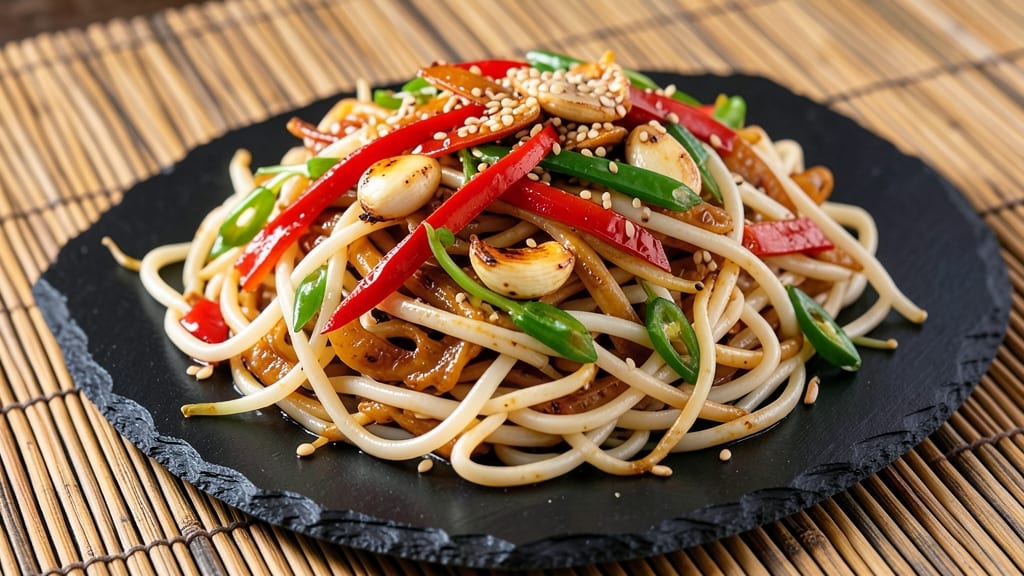
This bean sprout chow mein recipe delivers restaurant-quality crispy noodles with a sauce packed with umami depth and bright, fresh bean sprouts. The secret lies in high-heat stir-frying—achieving that signature wok hei (breath of the wok) aroma while keeping the noodles perfectly crispy at the edges and tender inside.
I've perfected this technique over years of testing, ensuring every bite delivers the perfect balance of textures and flavors without requiring a professional kitchen.
The foundation starts with a simple yet deeply flavorful sauce—savory soy, aromatic garlic, and a touch of sweetness from honey or brown sugar—all balanced by the tang of rice vinegar. Fresh bean sprouts add that signature crunch, while wide rice noodles soak up the sauce beautifully.
What makes this version special is how it adapts to dietary needs while maintaining authenticity: gluten-free noodles work just as well, and you can easily add protein like tofu or shrimp for extra heartiness.
By the time you plate this dish, you'll have golden-brown noodles tossed with vibrant green sprouts and glistening sauce, creating a visually striking dish that's just as delicious as it looks.
The high-heat stir-fry technique ensures those crispy edges stay intact, while the sauce clings to every noodle, delivering layers of umami in every bite. This is the kind of chow mein that transforms a simple weeknight dinner into a restaurant-worthy experience.
Serve it immediately for that perfect wok-fresh texture, or let it sit for 10 minutes if you need to wait—just gently reheat to restore the crispiness. The sauce's balance of sweet, salty, and tangy makes it versatile enough for meal prep, though fresh is always best.
Here's how to make it happen in your kitchen, with tips to ensure every element comes together perfectly.
Ingredients for bean sprout chow mein
Crispy noodles, vibrant sprouts, and a sauce bursting with umami—this is your weeknight wok hei fix.
| Ingredient | Amount | Notes |
|---|---|---|
| Wide Rice Noodles 🍜 | 8 oz | Dried, gluten-free if needed |
| Fresh Bean Sprouts 🌱 | 3 cups | Bright green, firm sprouts |
| Red Bell Pepper 🍆 | 1 whole | Thinly sliced, seeds removed |
| Garlic Cloves 🧄 | 4 cloves | Minced, aromatic variety |
| Sesame Oil 🫒 | 1 tbsp | Toasted, for aroma |
| Vegetable Oil 🫒 | ½ cup | High smoke point for frying |
| Soy Sauce 🥄 | ⅓ cup | Light or all-purpose |
| Rice Vinegar 🍶 | 2 tbsp | Seasoned for tang |
| Brown Sugar 🍯 | 1 tbsp | Light or dark |
| Sesame Seeds 🌾 | 1 tbsp | Toasted, for garnish |
| Green Onion 🧅 | 2 whole | Thinly sliced, white and green |
| Fresh Ginger 🌿 | 1 tbsp | Grated, aromatic |
| Salt 🧂 | 1 tsp | Kosher or sea salt |
| Black Pepper 🌶️ | ½ tsp | Freshly ground |
The noodles are everything here. Wide rice noodles from Asian markets (like H Mart) stay chewier than the thin ones—look for the kind labeled 'egg noodles' or 'chow mein noodles'. If you can't find them, rice vermicelli works in a pinch, but soak it extra long. Fresh bean sprouts? Trader Joe's has the best quality—bright green and crisp. If yours are wilted, soak them in ice water for 10 minutes before using. The red bell pepper adds sweetness and crunch, but skip it if you're in a rush—snow peas or shredded carrots work too.
No sesame oil? Toasted peanut oil or avocado oil gives similar depth. Running out of brown sugar? Honey or maple syrup at half the amount keeps that caramel note. The sauce is where magic happens—light soy sauce for saltiness, rice vinegar for tang, and a touch of sweetness to balance. Pro tip: Mix the sauce ingredients together first, then toss with the noodles so every strand gets coated. Want extra protein? Toss in crispy tofu or shrimp at the end—just don't overcrowd the pan or those crispy noodles turn soggy.
Noodles go limp fast, so cook them just before stir-frying. Store dry noodles in a cool, dark place for 6-12 months—once opened, keep them sealed to prevent drying. Fresh bean sprouts last 5-7 days in the fridge, but use them within 2 days for maximum crunch. The sauce keeps for 1 week in the fridge—double it and freeze half for next time. Reheat gently in a pan or microwave, adding a splash of water to restore crispiness.
Why You'll Love This Recipe
- No-Fuss Noodles: I swear by this recipe when I’m too tired to chop much. Bean sprouts and bell pepper take two minutes to prep—just rinse, trim, and toss. The wide rice noodles cook in 5 minutes flat, so you’re eating while the rest of the family still debates takeout menus.
- Crispy-Garlicky Magic: That moment when the sesame oil hits the pan? Pure flavor payoff. The garlic sizzles into fragrant perfection, then the sprouts and peppers caramelize just enough to stay crunchy but soak up every drop of that nutty, toasty aroma. Honestly, it’s the kind of dish that makes you pause mid-bite to appreciate how good simple things can taste.
- Lunchbox Hero: Between us, this is my go-to for packed lunches. The noodles hold up for days in the fridge, and the veggies stay bright if you store them separately. Add a sprinkle of chili flakes or a drizzle of soy sauce before packing, and suddenly you’ve got a meal that’s exciting enough to eat cold—no sad desk salads here.
- Budget Crunch-Saver: Fresh bean sprouts and bell peppers stretch a dollar further than you’d think, and wide rice noodles are cheaper than takeout for two. I’ll be real: I’ve made this with whatever veggies were on sale, and it’s still spot-on. Plus, leftovers reheat like a dream, so you’re not wasting a thing. My wallet thanks me every time.
Step-by-step instructions for bean sprout chow mein
Here's how to make restaurant-style chow mein with perfectly crispy noodles and a bold umami sauce.
Prepare the Wide Rice Noodles
Bring a large pot of water to a rolling boil. Add the 8 oz wide rice noodles and cook for exactly 4-5 minutes until tender but still slightly firm to the bite. They should be bright white and not mushy—this ensures they'll crisp up beautifully when stir-fried.
Drain immediately and rinse under cold water to stop the cooking process. Toss the noodles with 1 tablespoon sesame oil to prevent sticking and add a subtle nutty aroma. Set aside while you prep the remaining ingredients.
Stir-Fry the Vegetables
Heat ½ cup vegetable oil in a wok or large skillet over high heat until shimmering. Add the 3 cups fresh bean sprouts and stir-fry for 2-3 minutes until bright green and just beginning to soften. Remove and set aside.
In the same pan, add 1 whole red bell pepper (thinly sliced) and 4 cloves garlic cloves (minced). Stir-fry for 3-4 minutes until the peppers turn vibrant and the garlic becomes fragrant but doesn't brown. Return the bean sprouts to the pan and mix well.
Build the Umami Sauce
Lower the heat to medium and add ⅓ cup soy sauce, 2 tablespoons rice vinegar, 1 tablespoon brown sugar, 1 tablespoon fresh ginger (grated), 1 teaspoon salt, and ½ teaspoon black pepper. Stir constantly for 2-3 minutes until the sauce thickens slightly and coats the vegetables.
Here's the thing—this sauce needs to simmer just enough to meld flavors without reducing too much. You're aiming for a glossy, sticky consistency that clings perfectly to the noodles. Taste and adjust seasoning if needed.
Combine and Crisp the Noodles
Increase heat to high and add the drained noodles. Toss everything together vigorously for 3-4 minutes until the noodles become golden brown and crispy in spots. This is where the magic happens—the high heat transforms the noodles from soft to perfectly textured.
Sprinkle with 1 tablespoon toasted sesame seeds and 2 whole green onions (thinly sliced) right before serving. The contrast of crispy noodles with tender vegetables and that glossy sauce is what makes this dish so addictive.
Pro Tips For Making Bean Sprout Chow Mein
- Blanch Sprouts First: Toss the bean sprouts in boiling water for 30 seconds before stir-frying—this softens them just enough to hold up without turning to mush. I learned this the hard way after watching a batch of sprouts turn into a sad, watery pile mid-cook.
- Prep Noodles Right: Soak the wide rice noodles in warm (not boiling) water for 8-10 minutes, then drain and rinse with cold water to stop cooking. Over-soaking makes them gummy, and no one wants that in chow mein—trust me, I’ve served it.
- Sear Bell Pepper: Cut the red bell pepper into thin strips and sear them in the wok for 1-2 minutes before adding other veggies. This concentrates their flavor and gives the dish that smoky depth you’d expect from a proper stir-fry.
- Minimize Stir-Fry Crowd: Work in batches if your pan is small—overcrowding steams the ingredients instead of searing them. I used to rush this and ended up with soggy sprouts and limp noodles. A little patience here makes all the difference.
Serving suggestions for this dish
Classic Garnishes
Freshly toasted sesame seeds add nutty depth and visual appeal—just heat 1 tablespoon in a dry pan over medium heat for 1-2 minutes until golden. Thinly sliced green onions (white and green parts) provide a crisp contrast and bright pop of color.
I like to sprinkle them right before serving so they stay fresh. 🌱
Sauce Variations
For extra richness, drizzle with 1 teaspoon chili crisp or Sriracha before serving—just ½ teaspoon adds heat without overpowering. A squeeze of lime wedge brightens the dish, cutting through the umami. If you love tang, add 1 teaspoon rice vinegar extra to the sauce before tossing.
Protein Add-Ins
Crispy tofu cubes (pan-fried in ½ cup vegetable oil until golden) or shrimp (cooked for 2-3 minutes in the wok) elevate this dish. Toss them in during the final 2 minutes of stir-frying so they stay crispy. I recommend extra-firm tofu pressed for 30 minutes before cubing.
Serving Style
Serve immediately in a wide, shallow bowl to showcase the vibrant colors and crispy texture. A steaming hot plate enhances the wok hei aroma. For a restaurant touch, use a chopstick rest or place a small bowl of extra sauce on the side for dipping.
Meal Pairings
Pair with steamed jasmine rice to soak up any extra sauce. A simple cucumber salad (tossed with rice vinegar and sesame oil) balances the richness. For drinks, iced jasmine tea or sparkling lemonade complements the dish beautifully. 🍵
Make-Ahead Tips
Prep the sauce and chop all veggies in advance, storing them in airtight containers in the fridge for up to 2 days. Cook noodles and veggies separately, then reheat everything together over high heat for 3-4 minutes to restore crispiness. Avoid microwaving—it kills the wok hei aroma.
Nutrition facts
Frequently asked questions
Can I use dried bean sprouts instead of fresh?
Fresh bean sprouts are ideal for that signature crunch, but you can use dried if needed. Soak them in warm water for 15-20 minutes until plump, then drain well before stir-frying. They won't be as crisp, but they'll still add texture to your dish.
How do I get my noodles extra crispy?
The secret is high heat and quick cooking! After draining, rinse noodles with cold water to stop cooking, then toss with 1 tablespoon sesame oil to prevent sticking. Stir-fry on high heat for 3-4 minutes until golden brown and crispy in spots. Don't overcrowd the pan!
Is this recipe gluten-free?
Yes! This recipe is naturally gluten-free if you use certified gluten-free wide rice noodles. Check labels for soy sauce—opt for tamari instead of regular soy sauce if needed. All other ingredients are gluten-free by default.
Can I make this ahead of time?
Prep the sauce and chop all veggies in advance, storing them in airtight containers for up to 2 days. Cook noodles and veggies separately, then reheat everything together over high heat for 3-4 minutes to restore crispiness. Avoid microwaving—it kills the wok aroma!
What if I don't have a wok?
A large skillet or deep frying pan works perfectly! Use ½ cup vegetable oil and keep the heat as high as possible. The key is maintaining high heat to achieve that crispy texture. Stir-fry in batches if needed to avoid overcrowding.