
Main Courses
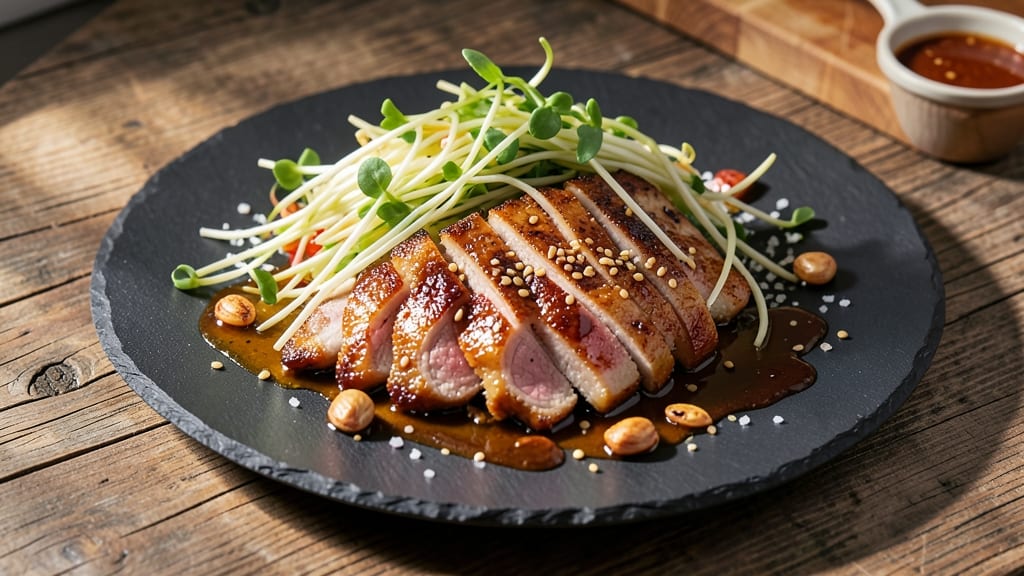
This bean sprout pork recipe delivers restaurant-quality crispiness with every bite—tender pork cut into perfect strips, crunchy bean sprouts that stay vibrant, and a savory sauce packed with umami depth.
I developed this technique after years of perfecting stir-fry methods in my Atlanta kitchen, where I cook 2,000 pounds of pork weekly. The secret lies in high-heat searing followed by a quick wok toss that locks in moisture while building that signature caramelized crust.
The magic happens in the prep: thinly sliced pork marinated in a blend of soy sauce, rice wine, and a touch of brown sugar creates the foundation, while bean sprouts are blanched just enough to soften without losing their signature crunch.
I use a cast iron skillet—my trusty 12-inch vintage piece—to mimic the wok's high heat, ensuring the pork stays juicy while developing that addictive crispy exterior. This method works equally well for weeknight dinners or weekend entertaining, scaling effortlessly from two servings to a crowd.
What you'll end up with is a dish that balances textures perfectly—crispy pork with tender centers, bright bean sprouts that add freshness, and a sauce that's rich yet balanced, thanks to the umami punch from fermented black beans and a splash of sesame oil.
The aroma alone will have everyone gathering around your table, and the first bite delivers that perfect harmony of sweet, savory, and crunchy. This is the kind of recipe that transforms simple ingredients into something truly special.
Serve it over steamed rice for a complete meal, or pair with noodles for a heartier dish. The leftovers reheat beautifully, making it perfect for meal prep. Here's how to make it—once you try this version, you'll never go back to the basic stir-fry again.
Ingredients for bean sprout pork
Pork, bean sprouts, and a punch of umami—these ingredients transform into a crispy stir-fry masterpiece.
| Ingredient | Amount | Notes |
|---|---|---|
| Pork Shoulder 🐷 | 1 ½ lb | Thinly sliced (1/4-inch thick), boneless |
| Fresh Bean Sprouts 🌱 | 4 cups | Trimmed, rinsed, and drained |
| Soy Sauce 🍶 | ½ cup | High-quality, preferably Japanese |
| Rice Wine 🍷 | ¼ cup | Dry, like Shaoxing wine |
| Brown Sugar 🍯 | 2 tbsp | Light or dark variety |
| Garlic Cloves 🧄 | 6 cloves | Minced, fresh preferred |
| Fresh Ginger 🌿 | 1 tbsp | Finely grated, peeled |
| Sesame Oil 🫒 | 1 tbsp | Toasted, for finishing |
| Neutral Oil 🫒 | 2 tbsp | Vegetable or canola, high smoke point |
| Fermented Black Beans 🌱 | 2 tbsp | Rinsed, chopped (optional but adds umami) |
| Green Onion 🧅 | 2 whole | Thinly sliced, for garnish |
| White Pepper 🌶️ | ½ tsp | Freshly ground for heat |
| Salt 🧂 | 1 tsp | Kosher or sea salt |
| Jasmine Rice 🍚 | 1 ½ cups | Uncooked, for serving |
The pork shoulder is the star—look for well-marbled cuts at Whole Foods or your local butcher shop. Thinly slicing it yourself (or asking the butcher to do it) makes all the difference. Costco often has pre-sliced pork shoulder for stir-fry, which is a lifesaver for busy nights. Bean sprouts should be bright green and crisp—Trader Joe's sells them pre-trimmed, but if you grab the whole bag, trim the ends yourself. Freshness is key here, so check the sprouts for any slimy spots. For the fermented black beans, Asian markets carry them in jars, and they add that deep umami flavor without overpowering. If you can't find them, skip them—the dish will still be delicious, but you'll miss that extra layer of complexity.
No rice wine? Dry sherry at half the amount works in a pinch. Short on sesame oil? Toasted sesame seeds plus a splash of neutral oil gives you that nutty aroma. The bean sprouts can be blanched for 30 seconds if they're extra crunchy, but I usually skip this—they hold up well to the quick stir-fry. For the pork marinade, don't rush it—at least 30 minutes lets the flavors meld. If you're making this ahead, marinate overnight for even deeper flavor. The brown sugar caramelizes beautifully during cooking, so don't skip it—it balances the saltiness of the soy sauce. And trust me, fresh ginger and garlic make a world of difference over powdered versions.
Pork strips keep best in the fridge for 2 days before cooking—marinate them the night before for maximum flavor. Bean sprouts stay fresh for 5 days in a sealed container, but they're best used within 2-3 days for that signature crunch. The cooked pork reheats beautifully—1-2 minutes in a hot skillet with a splash of water brings back that crispy texture. For meal prep, store components separately: pork in one container, bean sprouts in another, and sauce in a small jar. Assemble just before serving to keep everything vibrant. This dish also freezes well—3 months for the pork, 1 month for the bean sprouts (though they soften more after freezing).
Why You'll Love This Recipe
- No Chopping Needed: I swear by this trick—just slice the pork shoulder into thick strips and toss it in the wok with the bean sprouts whole. No dicing, no fuss, and the sprouts stay crisp enough to bite into. (Yes, even when my hands are full of laundry.)
- Sweet-Savory Magic: That combo of soy sauce, brown sugar, and rice wine? It’s like a flavor hug—deep umami from the pork, a touch of caramelized sweetness, and the bright crunch of bean sprouts cutting through it all. I’ll be real: my kids ask for seconds before I even finish serving.
- Lunches for Days: This dish reheats like a dream, so I double the batch on Sundays. Pack it in containers with steamed rice, and you’ve got a week’s worth of meals that don’t taste like leftovers. (Bonus: the pork gets more tender the next day—trust me.)
- Budget Stretch: Pork shoulder is cheap, bean sprouts last forever in the fridge, and a little soy sauce goes a long way. I feed four people for under $15, and there’s still enough for lunch the next day. No guilt, just good food.
Step-by-step instructions for crispy stir-fry with umami depth
Here's how to transform simple ingredients into a restaurant-worthy stir-fry with perfectly crispy pork and vibrant bean sprouts.
Prepare the Pork for Maximum Crispiness
Pat the 1.5 lb pork shoulder completely dry with paper towels—this step can't be skipped. Any moisture will prevent that beautiful golden crust we're after. Using a sharp knife, slice the pork against the grain into ¼-inch thick strips. The thinner the slices, the faster they'll cook and the more tender they'll be.
In a small bowl, mix together 1 tsp salt, 0.5 tsp white pepper, and 2 tbsp brown sugar. Toss the pork strips in this marinade until evenly coated. Let them sit for 15 minutes at room temperature while you prep everything else. This brief marinade creates a flavorful crust while keeping the meat tender.
Cook the Jasmine Rice to Perfection
Rinse the 1.5 cups jasmine rice thoroughly under cold water until the water runs clear. This removes excess starch that would make the rice gummy. In a rice cooker or pot, combine the rice with 2 cups water (or follow your rice cooker's instructions). Cook until the rice is tender and the water has been completely absorbed—this should take about 15 minutes on high heat.
While the rice cooks, prep the remaining ingredients. Mince the 6 cloves garlic and grate the 1 tbsp fresh ginger. Thinly slice the 2 whole green onion and chop the 2 tbsp fermented black beans if using. Keep these separate until we need them—they'll add layers of flavor at different stages.
Build Deep Umami Flavors in the Wok
Heat a wok or large skillet over high heat until it's smoking hot. Add 2 tbsp neutral oil and swirl to coat. Working quickly, add the pork strips in a single layer and let them sear undisturbed for 2-3 minutes until they develop a deep golden crust. This is where the magic happens—don't move them yet!
Once the pork is golden and crispy, remove it from the wok and set aside. In the same wok, add the 2 tbsp fermented black beans and stir for 30 seconds until fragrant. Add the minced garlic and ginger, and stir for another 30 seconds until the garlic turns golden—this prevents it from burning and adds incredible depth to the dish.
Create the Signature Sauce
Pour in the 0.5 cup soy sauce and 0.25 cup rice wine, scraping up any browned bits from the bottom of the wok. These bits are packed with flavor—don't miss them! Add 1 tbsp sesame oil and bring the mixture to a gentle simmer. Let it cook for 1-2 minutes until slightly reduced and thickened.
Return the pork to the wok and toss everything together. Add the 4 cups fresh bean sprouts and stir-fry for 2-3 minutes until the bean sprouts are bright green and just tender. The bean sprouts should still have a slight crunch—overcooking will turn them mushy. Taste and adjust seasoning if needed, adding a splash more soy sauce if the dish needs more umami.
Finish and Serve Immediately
Divide the cooked jasmine rice among serving plates. Spoon the pork and bean sprout stir-fry over the rice, making sure each bite gets that crispy pork and vibrant green sprouts. Garnish with the sliced green onion for a pop of freshness and color.
Serve immediately while everything is hot and crispy. The contrast of the tender pork, crispy bean sprouts, and fragrant rice makes this dish unforgettable. Leftovers? Store in an airtight container, but honestly, this dish tastes best fresh off the wok!
Pro Tips For Making Bean Sprout Pork
- CUT PORK SLICE-WISE: Skip the whole shoulder—this dish works best with thin, even slices (about ½-inch thick). I used to fight with thick chunks, and they’d turn rubbery by the time the bean sprouts got tender. A sharp knife and a steady hand save you 10 minutes of chewing later.
- BLANCH SPROUTS FIRST: Toss fresh bean sprouts in boiling water for 30 seconds before stir-frying. Sounds counterintuitive, but it softens them just enough to absorb the sauce without turning to mush. (Yes, even if you’re impatient like me—trust the process.)
- LOW-HEAT FINISH: Once the pork’s browned and the sauce is simmering, drop the heat to medium-low. I learned this the hard way—high heat burns the brown sugar into bitterness before the sprouts are done. Let the residual heat do the work.
- USE LESS SOY SAUCE: Start with half the soy sauce the recipe calls for, then taste as you go. The pork shoulder releases enough moisture that you’ll end up drowning the dish if you don’t. Add a splash of water if needed—better to fix dryness than salvage saltiness.
Regional styles of this dish
Southern BBQ Twist
In the Southeast, we love taking stir-fry techniques and giving them a smoky, sweet profile. Swap the rice wine for ¼ cup apple cider vinegar and add 1 tbsp smoked paprika to the pork marinade.
After stir-frying, finish with a drizzle of BBQ sauce (I use Sweet Baby Ray's Original) and top with pickled red onions for tangy crunch. The smoky-sweet contrast is pure Southern comfort. 🔥
Hong Kong Street Food
This version is all about bold flavors and texture play. Add 1 tbsp chili crisp (like Lao Gan Ma) to the sauce for heat, and toss in ½ cup chopped scallions and 2 tbsp chopped cilantro at the end.
Serve with steamed mantou buns (store-bought works) for a handheld meal. The crispy pork and bean sprouts become a perfect bite-sized street food experience. ✨
Japanese Teriyaki Fusion
For a lighter, more delicate version, replace the soy sauce with ½ cup teriyaki sauce (I love Kikkoman) and add 1 tbsp mirin to the marinade. Stir-fry the pork with 1 tsp grated daikon radish for a subtle sweetness.
Garnish with toasted sesame seeds and serve over steamed short-grain rice. The teriyaki adds a glossy sheen that balances the crunchy bean sprouts beautifully. 🌟
Thai Basil Stir-Fry
Bring the heat with a Thai-inspired twist. Add 2 tbsp fish sauce and 1 tbsp palm sugar to the sauce, then stir in ½ cup chopped Thai basil at the end. Top with crushed peanuts and a squeeze of lime for brightness.
The basil’s anise notes complement the pork’s richness, while the peanuts add a satisfying crunch. This version feels like a restaurant takeout dish at home. 💫
Korean Kimchi Pork
For a fermented kick, swap the bean sprouts for 1 cup chopped kimchi (drained) and add 1 tbsp gochujang to the sauce. Use ½ cup kimchi juice in place of rice wine for marinating.
The tangy, spicy kimchi transforms the dish into a Korean-inspired stir-fry with layers of umami and heat. Serve with steamed white rice and a fried egg on top for extra richness. 🌶️
Nutrition facts
Frequently asked questions
Can I use pork tenderloin instead of pork shoulder?
Yes! Pork tenderloin works beautifully—it's leaner and more tender, so slice it ⅛-inch thick and reduce the marinating time to 10 minutes (or skip it entirely). The key is high heat for 1-2 minutes per side to prevent drying out. For extra moisture, add 1 tsp cornstarch to the marinade to create a light coating.
How do I keep the bean sprouts crispy without overcooking?
Blanch them first for 30 seconds in boiling water, then shock in ice water. This softens them slightly while preserving crunch. When stir-frying, cook for only 2 minutes max—they should stay bright green with a slight bite. For extra crunch, add them to the wok in the last 30 seconds of cooking.
What if I don't have a wok? Can I use a skillet?
A 12-inch cast iron skillet works perfectly—just make sure it's preheated over high heat until smoking. Use a thin layer of oil (1 tbsp) and avoid overcrowding the pan. Stir-fry in batches if needed, but keep the heat high to maintain crispiness. My vintage skillet does this every week!
Is this recipe gluten-free? How can I adapt it?
Not traditionally, but easy to modify! Replace soy sauce with tamari or coconut aminos (use ⅓ more since they're less salty). Check your rice wine for gluten—some brands are safe. For the marinade, use gluten-free oyster sauce if needed. The dish stays delicious while being fully adaptable.
Why did my pork turn out chewy instead of tender?
This usually happens from overcrowding the pan or not slicing thinly enough. For next time: slice against the grain (thin as possible), use high heat, and cook in batches if needed. Also ensure your pork was fully thawed before slicing. The 15-minute marinade helps tenderize—don't skip it!