
Side Dishes
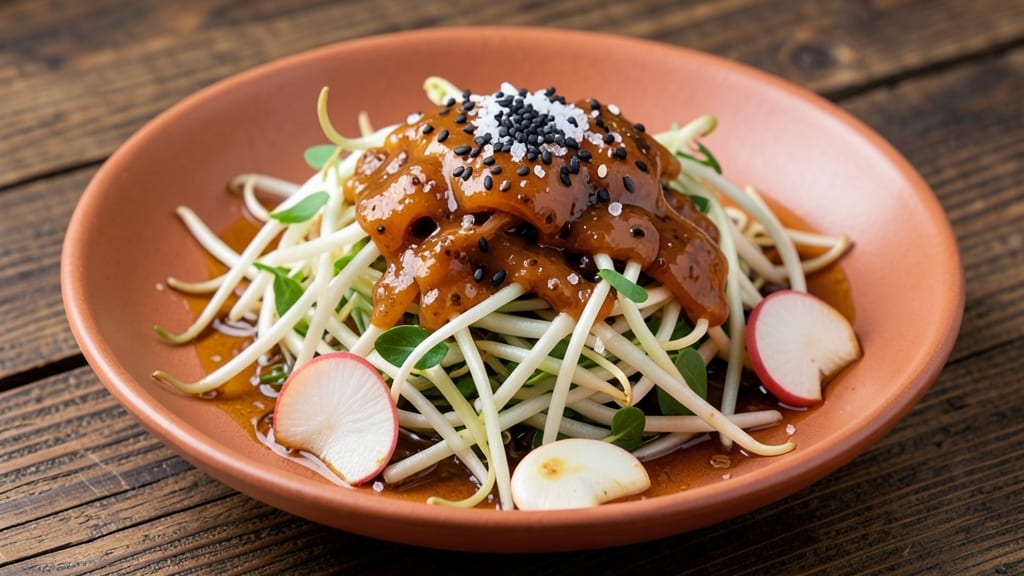
This Japanese-style bean sprout recipe delivers the perfect balance of crisp-tender texture and bold soy-ginger flavor that makes every bite satisfying. The secret lies in quick stir-frying with just the right amount of heat, preserving that signature moyashi crunch while infusing the delicate sprouts with umami-rich seasoning.
What sets this dish apart is how simple ingredients—soy sauce, mirin, and garlic—transform ordinary bean sprouts into a restaurant-worthy side.
The technique is straightforward but precise: blanching the sprouts briefly ensures they stay crisp rather than mushy, while high-heat stir-frying with a splash of sesame oil creates that signature caramelized aroma. A touch of grated ginger and minced garlic adds depth, balancing the salty soy notes with bright, fresh complexity.
This method works equally well as a side dish or light main course—ideal for pairing with rice, grilled fish, or noodles.
What you'll achieve is a vibrant, flavorful dish with perfectly textured sprouts—crisp at the edges, tender in the center—coated in a glossy, aromatic sauce.
The aroma alone will have everyone at the table reaching for seconds, while the visual presentation of bright green sprouts against a dark soy glaze makes it as appealing to the eyes as it is to the palate.
Ready in just 10 minutes, this recipe proves you don't need complicated techniques to create something extraordinary.
For added versatility, serve it warm or at room temperature, and adjust the spice level to suit your taste.
The beauty of this dish lies in its adaptability—whether you're preparing a quick weeknight meal or elevating a special dinner, these soy-ginger bean sprouts will bring authentic Japanese flavor to your table. Let's get started on creating this classic side dish.
Ingredients for bean sprout recipe japanese style
Nine essential ingredients transform ordinary bean sprouts into a restaurant-worthy Japanese side dish.
| Ingredient | Amount | Notes |
|---|---|---|
| Fresh Bean Sprouts 🌱 | 4 cups | Tightly packed, rinsed thoroughly |
| Soy Sauce 🍶 | ¼ cup | Japanese-style preferred |
| Mirin 🍶 | 2 tbsp | Sweet cooking rice wine |
| Sesame Oil 🫒 | 1 tbsp | Toasted, for aroma |
| Fresh Ginger 🧄 | 1 tbsp | Finely grated, fresh preferred |
| Garlic Cloves 🧄 | 3 cloves | Minced, fresh preferred |
| Neutral Oil 🫒 | 1 tbsp | Vegetable or canola |
| Sesame Seeds 🌾 | 1 tsp | Toasted, for garnish |
| White Sugar 🍯 | 1 tsp | Or substitute maple syrup |
| Red Pepper Flakes 🌶️ | ½ tsp | Adjust for spice preference |
| Salt 🧂 | ½ tsp | Diamond Crystal preferred |
The bean sprouts are the star here—look for vibrant green, tightly packed sprouts at the produce section, ideally in a sealed bag for freshness. Trader Joe's and Whole Foods often carry the best quality, but any reputable grocery store's refrigerated section should work. If you can't find fresh ginger, powdered works at half the amount, though fresh delivers that signature bright zing. For the soy sauce, Japanese-style like Kikkoman or Yamasa adds authentic depth—don't substitute regular soy sauce unless you're in a pinch. The mirin should be real mirin, not sweetened rice wine, as it balances the soy's saltiness perfectly.
No mirin? Substitute 1 tbsp sugar plus 1 tbsp dry white wine—it won't be identical, but it works in a bind. Fresh ginger and garlic are non-negotiable for authentic flavor, but if you're short on time, powdered ginger and garlic powder at half the amount will suffice. The sesame oil should be toasted, not the cheap, odorless kind—it's what gives the dish its signature aroma. For extra heat, goji berries or chili crisp add complexity, though red pepper flakes are the simplest solution. The neutral oil should have a high smoke point—avocado or grapeseed oil are excellent choices if you want to splurge.
Prep the sprouts last minute—they wilt fast. Store unused sprouts in an airtight container with a paper towel for up to 5 days in the fridge. The sesame seeds keep indefinitely in a cool, dark place, while ginger and garlic last 2 weeks in the fridge. This dish reheats beautifully—just toss with a splash of water and a pinch of salt. For meal prep, make the sauce ahead and store it separately, then toss with fresh sprouts when ready to serve. The flavors actually improve overnight as the soy and ginger meld together.
Why You'll Love This Recipe
- No-Chop Necessary: I swear by this one—just rinse the sprouts, slice the ginger thin, and toss it all in a pan. Five minutes tops, and honestly? That’s my kind of dinner when I’m too tired to chop anything.
- Umami Bomb: The combo of soy sauce, mirin, and sesame oil? It’s like a flavor explosion in your mouth. The ginger adds a little kick, and suddenly, something as simple as bean sprouts tastes like a fancy izakaya dish.
- Lunchbox Hero: Between us, this is my go-to for packed lunches. Cold or warm, it holds up perfectly—just add rice or noodles, and you’ve got a meal that’s both satisfying and weirdly elegant.
- Pantry Staple Magic: I keep these ingredients stocked because they never let me down. A handful of sprouts, a splash of soy, a drizzle of oil—it’s cheap, it’s fast, and it turns into something that feels special without trying too hard.
Step-by-step instructions for crisp-tender soy-ginger bean sprouts
This Japanese-inspired technique delivers perfectly tender sprouts with vibrant flavor and satisfying texture.
Prepare the Sprouts and Aromatics
Rinse the 4 cups of fresh bean sprouts thoroughly under cold water to remove any dirt or debris. Gently pat them dry with paper towels and trim the ends of any sprouts that appear wilted or discolored. This preparation ensures even cooking and prevents a watery texture.
In a small bowl, combine the 1 tablespoon of finely grated fresh ginger and 3 minced garlic cloves. Set aside—the aromatic intensity will deepen as they sit. The ginger should be minced finely enough to dissolve completely into the sauce, while the garlic should be small enough to distribute evenly without overpowering the dish.
Build the Flavorful Sauce
In a large skillet or wok, heat the 1 tablespoon of neutral oil over medium heat until shimmering. Add the ginger-garlic mixture and sauté for 30 seconds until fragrant—you should smell the bright, citrusy notes of ginger and the sweet, pungent aroma of garlic.
Pour in the 0.25 cup soy sauce, 2 tablespoons mirin, and 1 teaspoon white sugar. Stir continuously for 2 minutes until the mixture reduces slightly and thickens into a glossy, syrupy consistency. This reduction concentrates the flavors and creates the perfect base for coating the sprouts.
Cook the Sprouts to Perfect Tenderness
Add the 4 cups of bean sprouts to the skillet, spreading them in an even layer. Stir-fry over medium-high heat for 4-5 minutes, tossing frequently, until the sprouts are bright green and just beginning to soften at the edges. The key is to maintain constant motion—this ensures even cooking and prevents overcrowding, which can lead to steaming instead of searing.
When the sprouts are tender-crisp (they should yield slightly when pressed with chopsticks but still retain a slight crunch), remove the skillet from heat. Stir in the 1 tablespoon sesame oil and 0.5 teaspoon red pepper flakes, tossing to coat everything evenly. The sesame oil adds a nutty aroma, while the red pepper flakes introduce subtle heat that complements the dish's umami profile.
Finish and Garnish
Transfer the cooked sprouts to a serving platter and sprinkle with the 1 teaspoon toasted sesame seeds and remaining 0.5 teaspoon salt. The sesame seeds add a satisfying crunch and visual contrast, while the salt enhances the overall flavor balance. Toss gently to distribute the seeds and salt evenly.
Serve immediately while the sprouts are still vibrant and the sauce clings to each sprout. The dish should be bright green with a glossy sheen from the sauce, and each bite should offer a satisfying contrast of tender sprouts, crisp seeds, and a well-balanced flavor profile. For best results, serve as a side dish or light main course with steamed rice or grilled fish.
Pro Tips For Making Bean Sprout Recipe Japanese Style
- STIR-FRY FAST: Use a screaming-hot wok or skillet—get it so hot you can see the steam rise when you add the bean sprouts. I learned this the hard way: lukewarm pans mean soggy sprouts and a dish that tastes like it’s been simmering in its own sadness.
- GINGER SLICE THIN: Shave the ginger with a mandoline or the thinnest knife you own—no need to chop. Thin slices cook instantly and dissolve into the sauce without leaving chewy bits. (Yes, even if you’re impatient like me.)
- SALT THE SPROUTS: Toss the raw bean sprouts with a pinch of salt and let them sit for 5 minutes before cooking. This removes excess moisture so they crisp up instead of turning into a sad, limp pile. My grandmother swore by this, and she was right.
- MIRIN LAST: Add the mirin and soy sauce only in the final 30 seconds of cooking—after the ginger has softened but before the sprouts release their starch. This keeps the sauce bright and glossy, not murky. (Your future self will thank you.)
Troubleshooting this dish
Mushy Sprouts Fix
Overcooking is the #1 reason for mushy sprouts. The moment they turn from bright green to dull, they're done. I recommend setting a timer for 4-5 minutes max and checking at 3 minutes.
If your pan isn't hot enough, the sprouts will steam instead of sear—keep your heat at medium-high and use a wok or large skillet for better heat distribution. 🔥
Sauce Too Thin?
If your sauce ends up watery, it's likely because the bean sprouts released too much moisture. To prevent this, pat them very dry before cooking and avoid overcrowding the pan. For extra insurance, reduce the sauce by 1 additional minute before adding the sprouts.
I've also found that using Kikkoman soy sauce (which is slightly thicker) helps create a better coating.
Ginger-Garlic Burn Risk
Burning your aromatics ruins the dish's delicate balance. Sauté the ginger and garlic over medium heat for just 30 seconds—any longer and they'll turn bitter. If you're using a non-stick pan, reduce heat slightly to medium-low to prevent scorching.
Pro tip: Use a smaller skillet for the aromatics first, then pour into the wok for cooking the sprouts.
Uneven Cooking
Uneven cooking happens when sprouts clump together or sit too long in the pan. Break up any large clumps before adding to the pan, and stir every 30 seconds during cooking.
For extra even cooking, spread the sprouts in a single layer before adding the sauce. I also recommend using long-handled chopsticks for better control when tossing.
Lacking Umami Depth
If your dish tastes flat, it's likely missing that essential umami punch. Boost flavor by adding ½ teaspoon fish sauce (trust me, it disappears but makes a difference) or 1 teaspoon dashi powder to the sauce.
For a vegetarian option, add 1 teaspoon mushroom powder. Another trick: Let the cooked sprouts sit for 5 minutes before serving—the flavors meld together beautifully. 💡
Sesame Oil Overpowering
Too much sesame oil can make the dish taste bitter. Start with just 1 teaspoon and adjust to taste. For a more balanced flavor, use light toasted sesame oil instead of the stronger toasted variety.
If you're sensitive to sesame, you can substitute with 1 teaspoon neutral oil plus ½ teaspoon toasted sesame seeds** for garnish only.
Nutrition facts
Frequently asked questions
Can I use dried bean sprouts instead of fresh?
Fresh bean sprouts are ideal for this recipe—they hold their crisp texture and vibrant color. Dried sprouts won't work because they're too tough and lack the delicate flavor. If you can't find fresh, look for mung bean sprouts in sealed bags at the grocery store's refrigerated section. They should be bright green and tightly packed.
Is this recipe vegetarian?
Yes, this dish is completely vegetarian. The flavor profile comes from soy sauce, mirin, ginger, and garlic—no animal products are used. For added umami, you can boost the sauce with ½ teaspoon fish sauce (though it's optional) or use mushroom powder for a vegetarian alternative. The dish pairs perfectly with tofu or vegetable-based main courses.
How do I make this dish spicier?
Start with the 0.5 teaspoon red pepper flakes in the recipe, but for more heat, add 1 teaspoon chili crisp or ½ teaspoon gochugaru (Korean chili flakes) at the end. For a smoky kick, sprinkle with ½ teaspoon smoked paprika before serving. Adjust gradually—these sprouts cook quickly, so you can always add more spice after tasting.
Can I prepare this ahead of time?
This dish is best served fresh, but you can prep components ahead: make the sauce (soy, mirin, ginger, garlic) up to 2 days** in advance and store it in the fridge. Keep the bean sprouts separate until ready to cook. Reheat the sauce gently, then toss with freshly cooked sprouts. For meal prep, store sauce and seeds separately and assemble just before serving to maintain crispness.
What's the difference between Japanese-style and Chinese-style bean sprouts?
Japanese-style (like this recipe) focuses on delicate flavors—soy, ginger, and sesame—while Chinese-style often includes garlic, chili, and sometimes fermented bean paste. The texture differs too: Japanese methods preserve crispness, while Chinese stir-fries often cook sprouts slightly longer for a softer bite. This recipe's light, umami-rich sauce contrasts with the bold, spicy Chinese versions.