
Sauces & Condiments
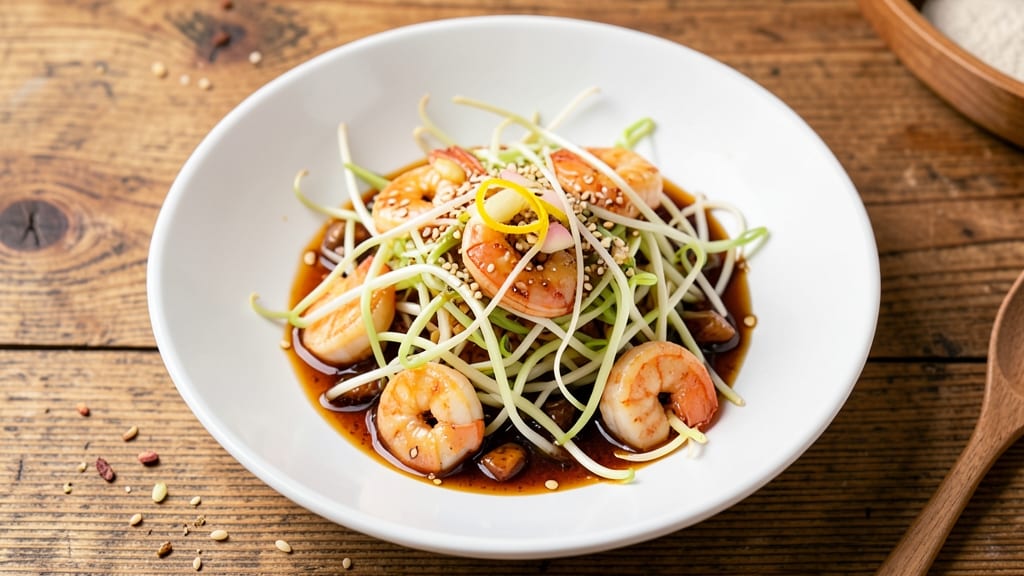
This quick stir-fry with bean sprouts and oyster sauce delivers restaurant-quality umami in under 15 minutes. The secret lies in high-heat cooking that keeps the bean sprouts crisp-tender while letting the oyster sauce caramelize into a glossy, savory glaze.
I developed this recipe after realizing how often bean sprouts get overcooked—this method guarantees perfect texture every time.
What sets this dish apart is the balance of textures and flavors: the snap of fresh bean sprouts contrasts beautifully with the rich, slightly sweet oyster sauce.
You can customize it with protein like shrimp, chicken, or tofu, but the core technique remains the same—quick stir-frying over high heat preserves the natural crunch while developing deep umami flavor. The sauce's natural thickness clings perfectly to the sprouts without making them soggy.
The result is a dish that's both elegant and effortless—ideal for weeknight dinners or as a side for grilled meats. Garnish with toasted sesame seeds and sliced green onions for extra color and crunch. This stir-fry proves you don't need complicated techniques to create restaurant-quality flavor at home.
Serve immediately over steamed rice or noodles to capture that fresh-off-the-wok appeal. The recipe scales easily for larger gatherings while maintaining its simplicity. Here's how to make it perfectly every time.
Ingredients for bean sprout with oyster sauce
High-heat stir-fry essentials with umami-rich oyster sauce for restaurant-quality texture in minutes.
| Ingredient | Amount | Notes |
|---|---|---|
| Fresh Bean Sprouts 🌱 | 6 cups | Trimmed and rinsed thoroughly |
| Oyster Sauce 🍜 | ½ cup | High-quality, reduced variety |
| Sesame Oil 🫒 | 1 tbsp | Toasted for aroma |
| Low-Sodium Soy Sauce 🥢 | 1 tbsp | For depth of flavor |
| Garlic Cloves 🧄 | 4 cloves | Minced for aromatic base |
| Fresh Ginger 🌿 | 1 tbsp | Finely grated, peeled |
| Vegetable Oil 🫒 | 2 tbsp | High smoke point preferred |
| Green Onions 🧅 | 3 whole | Sliced into 1/4-inch pieces |
| Toasted Sesame Seeds 🌰 | 1 tbsp | For garnish and crunch |
| Shrimp (Optional Protein) 🦐 | ½ lb | Peeled, deveined, medium size |
| White Rice 🍚 | 1 ½ cups | Uncooked, jasmine preferred |
| Salt 🧂 | ½ tsp | Kosher or sea salt |
| Black Pepper 🌶️ | ¼ tsp | Freshly ground preferred |
| Honey 🍯 | ½ tsp | For sauce balance |
The bean sprouts are the star here—opt for fresh, vibrant green sprouts with crisp stems, not wilted or yellowing ones. Trader Joe's or Asian markets carry the best quality, often pre-washed and ready to use. If using optional shrimp, frozen works fine—thaw in cold water for 10 minutes before cooking. The oyster sauce should be reduced, like Lee Kum Kee, which has a deeper flavor than lighter varieties. For the garlic and ginger, mince finely—this releases their oils for maximum aroma during the quick stir-fry. If you're short on time, pre-minced garlic from a jar works, but fresh is always preferable for that bright, fresh flavor.
No oyster sauce? Soy sauce with a splash of fish sauce (if pescatarian) or mushroom sauce for a vegetarian alternative. Short on sesame oil? Toasted peanut oil adds a similar nutty depth. The shrimp can be swapped for chicken breast cutlets or extra-firm tofu—just ensure proteins are pre-cooked if needed. For the rice, jasmine rice is ideal, but basmati or short-grain also work well. If you're making this ahead, store the sauce separately and toss with the sprouts just before serving to maintain crispness. The honey in the sauce balances the saltiness—substitute maple syrup if needed for a vegan option.
Bean sprouts wilt quickly once cooked, so serve immediately over hot rice for the best texture. Store any leftover sauce in an airtight container in the fridge for up to 5 days, or freeze for 3 months. The sprouts themselves keep for 3-4 days in the fridge, but they're best used fresh. For extra crunch, toast the sesame seeds in a dry pan over medium heat for 1-2 minutes until fragrant—this enhances their aroma significantly. If doubling the recipe, increase the oil slightly to prevent sticking, as more ingredients will release moisture.
Why You'll Love This Recipe
- Five-Ingredient Magic: I swear by this one—just sprouts, garlic, and three pantry staples. No chopping, no fuss, just toss and stir. My lazy Sundays just got a whole lot easier.
- Umami Bomb: That oyster sauce? It’s the MVP here, turning simple sprouts into something dangerously addictive. The sesame oil finish ties it all together—salty, sweet, and so satisfying.
- Lunchbox Hero: Pack it cold or at room temp—it’s perfect for work lunches or kids’ school meals. Honestly, my kid devours it straight from the fridge, no complaints.
- Budget Win: Fresh sprouts are cheap, and oyster sauce lasts forever. I make this twice a week and still have leftovers for days. Zero waste, all flavor.
Step-by-step instructions for bean sprouts stir-fry with umami depth
Master this quick stir-fry technique for vibrant bean sprouts with rich oyster sauce flavor.
Prepare the Protein and Aromatics
If using shrimp, pat the 0.5 lb shrimp dry with paper towels and season lightly with 0.25 tsp black pepper and 0.25 tsp salt (half the total amounts). Set aside. In a small bowl, combine 4 cloves garlic cloves (finely minced) and 1 tbsp fresh ginger (finely grated) with 1 tbsp low-sodium soy sauce. Let this mixture sit for 5 minutes to allow the flavors to meld.
This preparation ensures your aromatics develop depth before hitting the pan. The shrimp should be thoroughly dried to prevent steaming during cooking - any moisture will dilute the sauce. I find that marinating the aromatics briefly enhances their flavor impact in the stir-fry.
Cook the Shrimp and Build the Sauce Base
Heat 2 tbsp vegetable oil in a large wok or skillet over medium-high heat until shimmering. Add the shrimp and cook for 1-2 minutes per side until just opaque. Remove shrimp and set aside. In the same pan, add the garlic-ginger mixture and stir for 30 seconds until fragrant - you should smell the aromatics immediately.
Here's where the umami magic begins: Add 0.5 cup oyster sauce and 0.5 tsp honey to the pan, stirring constantly for 1 minute until the sauce begins to thicken slightly. The high heat helps develop the sauce's depth while preventing it from becoming overly sweet. If using shrimp, return them to the pan now to coat in the sauce.
Stir-Fry the Bean Sprouts
Add the 6 cups fresh bean sprouts to the pan in batches if needed to avoid overcrowding. Stir-fry for 3-4 minutes over high heat, constantly tossing with tongs, until the sprouts are vibrant green and just beginning to wilt. The high heat is crucial here - it preserves the sprouts' crisp texture while developing their flavor.
Watch closely as the sprouts cook - they should maintain their bright color and slight crunch. If they begin to brown too quickly, reduce heat slightly but keep moving them constantly. This is the moment that matters: the sprouts should be tender-crisp, not mushy.
Finish and Serve
Return the shrimp to the pan (if using) and toss everything together for 1 minute to combine. Remove from heat and stir in 1 tbsp sesame oil and 1 tbsp toasted sesame seeds. Garnish with 3 whole green onions (sliced) and additional sesame seeds if desired.
Serve immediately over 1.5 cups cooked white rice (jasmine preferred) to capture the perfect texture contrast. The dish should have a balance of sweet, salty, and umami flavors with a satisfying crunch from the bean sprouts. For best results, serve while hot to maintain the vibrant colors and crisp texture.
Optional Protein Preparation
If you chose to include the optional shrimp, pat them dry thoroughly before cooking. This step is critical - any moisture will cause the shrimp to steam rather than sear. Season lightly with half the total salt and pepper to prevent over-seasoning before they absorb the sauce's flavors.
The shrimp should cook in just 1-2 minutes per side - overcooking will make them rubbery. Remove them as soon as they turn opaque and set them aside while you prepare the aromatics. This staged cooking ensures each component reaches optimal doneness without overcooking any element.
Pro Tips For Making Bean Sprout With Oyster Sauce
- Blanch the Sprouts First: Toss fresh bean sprouts in boiling water for 30 seconds, then plunge into ice water—this kills any hidden bacteria and keeps them crisp. I learned this the hard way after a batch turned mushy; trust me, it’s worth the extra 2 minutes.
- Minced Garlic, Not Sliced: Use freshly minced garlic instead of pre-chopped or sliced cloves—it releases flavor faster and doesn’t burn before the sprouts are done. I used to slice mine, and the dish always tasted underwhelming until I switched.
- Deglaze with Soy Sauce: After frying garlic, splash in 1 tablespoon of low-sodium soy sauce before adding oyster sauce—this loosens the fond and builds depth. Skipping this step means your dish will taste flat, no matter how much oyster sauce you add.
- Toss with Sesame Oil Last: Stir in sesame oil right before serving—it’s delicate and burns off if left in the pan too long. I used to add it early, and the aroma would vanish, leaving the dish tasting one-dimensional.
Serving suggestions for this bean sprout with oyster sauce
Rice Pairings
Jasmine rice is my go-to base for this dish—its delicate floral aroma complements the umami depth of the oyster sauce beautifully. Cook 1.5 cups uncooked jasmine rice according to package instructions (usually 1:1.5 rice-to-water ratio) and fluff with a fork before serving.
The warm, slightly sticky texture soaks up the sauce perfectly while maintaining separation from the crisp sprouts. 🍚
For a heartier option, try short-grain sushi rice, which holds its shape better and adds a subtle sweetness. If you prefer a nuttier profile, brown rice works well (just increase cooking time by 20-30 minutes), though it may absorb more sauce.
I always recommend serving rice at room temperature or slightly warm to avoid cooling the stir-fry too quickly.
Noodle Alternatives
Swap rice for rice noodles (like vermicelli or pad thai noodles) for a lighter, gluten-free option. Cook the noodles according to package instructions, rinse with cold water, and toss with a bit of sesame oil before adding the stir-fry.
The noodles will soak up the sauce while adding a satisfying chewiness. 🍜
For a more substantial base, use udon or soba noodles—their thicker texture holds up well to the crisp sprouts. Just ensure they're cooked al dente and drained thoroughly to prevent a soggy dish.
I like to serve the stir-fry over the noodles and drizzle with extra sauce for maximum flavor impact.
Garnish Ideas
Fresh green onions sliced into ¼-inch pieces add a bright, crisp contrast to the rich sauce. Toast 1 tbsp sesame seeds in a dry pan over medium heat for 1-2 minutes until fragrant—they add nutty depth and visual appeal.
For extra freshness, toss in cilantro leaves or Thai basil just before serving. 🌿
If you want to add a spicy kick, sprinkle with ½ tsp chili crisp or red pepper flakes. For a touch of sweetness, drizzle with a few drops of chili oil or honey. The key is balance—garnishes should enhance, not overpower, the dish's natural flavors.
Protein Pairings
The shrimp in this recipe adds a delicate sweetness, but you can easily swap in chicken breast cutlets or extra-firm tofu. For chicken, cut ½ lb breast into thin strips and marinate in 1 tbsp soy sauce and ½ tsp cornstarch for 15 minutes before cooking.
Tofu should be pressed, cubed, and pan-fried until golden before adding to the stir-fry. 🍗
For a seafood twist, try scallops or squid—their natural sweetness pairs beautifully with the oyster sauce. Just sear them separately over high heat for 1-2 minutes per side before combining with the sprouts. The goal is to keep proteins tender while letting the sauce shine.
Dipping Sauces
A simple soy-ginger dipping sauce elevates the dish—mix 2 tbsp soy sauce, 1 tbsp rice vinegar, 1 tsp grated ginger, and ½ tsp honey. This bright, tangy sauce cuts through the richness of the oyster sauce while adding another layer of flavor. 🥢
For a spicy option, blend 2 tbsp hoisin sauce, 1 tbsp sriracha, and 1 tsp lime juice** for a sweet-heat contrast. Serve in small bowls alongside the stir-fry for dipping or drizzling. The sauce should complement, not compete with, the dish's natural flavors.
Nutrition facts
Frequently asked questions
Can I use dried bean sprouts instead of fresh?
Fresh bean sprouts are ideal for this recipe—they provide the perfect crisp-tender texture. Dried sprouts will be much tougher and require much longer cooking, which can turn them mushy. If you must use dried, soak them for 30 minutes in cold water, then rinse thoroughly before stir-frying. However, the texture won't match fresh sprouts.
How do I make this recipe vegetarian?
Swap the shrimp for extra-firm tofu or chicken breast (if vegetarian). For tofu, press and cube it, then pan-fry until golden before adding to the stir-fry. Use vegetarian oyster sauce (made from mushrooms) or sub 1 tbsp soy sauce + ½ tsp fish sauce substitute for the oyster sauce. The dish will still have rich umami flavor!
Why does my stir-fry turn out soggy?
Overcooking the bean sprouts is the most common cause. They should cook for just 3-4 minutes over high heat—any longer and they'll wilt completely. Also, avoid adding too much sauce at once; the oyster sauce will thicken as it cooks. If using rice, serve it slightly warm (not hot) to prevent cooling the stir-fry too quickly.
Can I make this ahead of time?
Store the sauce separately in an airtight container in the fridge for up to 5 days, or freeze for 3 months. Keep the bean sprouts raw until ready to cook—toss them with the sauce just before serving to maintain crispness. Reheat the sauce separately and combine with fresh sprouts over high heat for 2-3 minutes to revive their texture.
What's the best way to reheat leftovers?
Reheat only the sauce portion in a small pan over medium heat until warm. Then, quickly stir-fry fresh bean sprouts (or leftover sprouts) with the reheated sauce for 2 minutes over high heat. Never reheat the sprouts directly—they'll turn mushy. For best results, cook fresh sprouts each time and use the leftover sauce as a base.