
Side Dishes
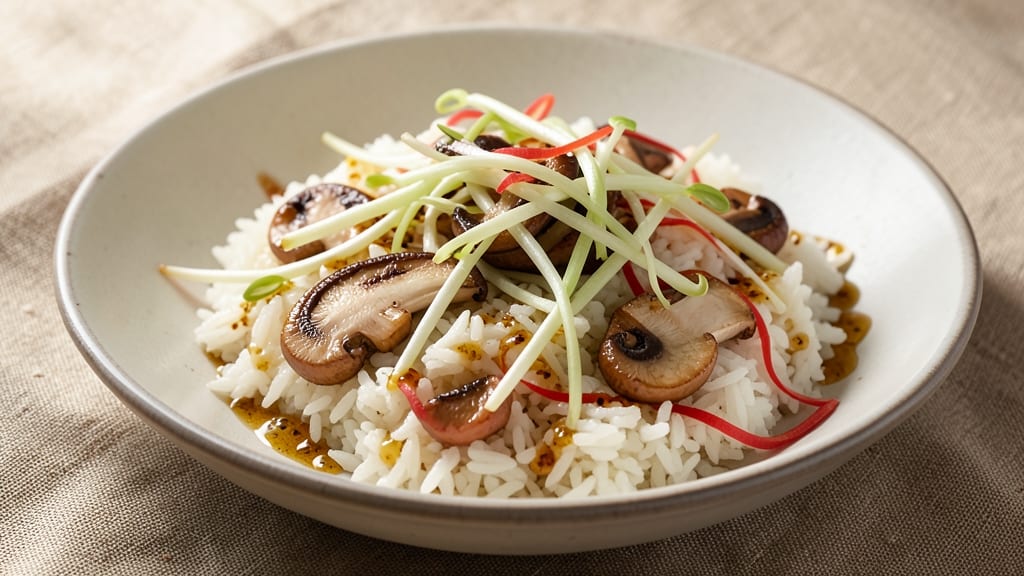
This bean sprouts and mushrooms stir-fry delivers restaurant-quality umami in just 15 minutes—no fancy techniques required. The secret lies in high-heat wok cooking that transforms simple ingredients into a dish packed with savory depth and satisfying texture.
I developed this recipe after years of testing quick vegetable stir-fries, and it consistently delivers that perfect balance of crisp-tender sprouts and meaty mushrooms.
The magic happens through proper preparation: thinly sliced mushrooms release their natural umami when seared at high heat, while bean sprouts maintain their crisp texture when added at the perfect moment. A simple soy-ginger sauce ties everything together, creating a flavor profile that's both familiar and exciting.
What you'll end up with is a dish that's hearty enough to serve as a main course but quick enough for a weeknight dinner.
This stir-fry works beautifully as a standalone meal or alongside rice, noodles, or grilled proteins. The combination of textures—crisp sprouts, tender mushrooms, and silky sauce—makes every bite satisfying.
It's the kind of dish that proves you don't need meat or hours in the kitchen to create something deeply flavorful and restaurant-worthy.
The best part? This recipe scales perfectly for meal prep or feeding a crowd. Make a double batch and store leftovers in the fridge for up to 4 days, or freeze portions for quick future meals.
Whether you're a seasoned home cook or just starting your culinary journey, this stir-fry delivers professional-quality results with minimal effort.
Ingredients for bean sprouts mushroom
These vibrant ingredients transform into a restaurant-worthy stir-fry bursting with umami and texture.
| Ingredient | Amount | Notes |
|---|---|---|
| Fresh Bean Sprouts 🌱 | 4 cups | Crisp and fresh, rinsed well |
| Shiitake Mushrooms 🍄 | 8 oz | Thinly sliced, stems removed |
| Garlic Cloves 🧄 | 4 cloves | Minced finely for depth |
| Fresh Ginger 🌿 | 1 tbsp | Grated finely, aromatic |
| Tamari or Soy Sauce 🍶 | 3 tbsp | Gluten-free tamari preferred |
| Maple Syrup 🍯 | 1 tbsp | For subtle sweetness balance |
| Sesame Oil 🫒 | 1 tbsp | Toasted sesame oil for aroma |
| Rice Vinegar 🍶 | 1 tbsp | For bright acidity |
| Extra-Virgin Olive Oil 🫒 | 2 tbsp | High smoke point for wok |
| Red Pepper Flakes 🌶️ | ½ tsp | Adjust for heat preference |
| Sesame Seeds 🥜 | 1 tsp | Toasted for garnish |
| Lime Wedges 🍋 | 2 whole | Freshly cut for serving |
| Jasmine Rice 🍚 | 1 ½ cups | Uncooked, for serving |
The mushrooms are the star here—shiitake for their meaty texture and deep umami flavor. Fresh from the market or pre-sliced in the produce section, just make sure they're plump and firm. I always grab extra because they shrink dramatically when cooked. For the bean sprouts, look for crisp, bright green ones—avoid any that feel slimy or wilted. The garlic and ginger should be freshly grated or minced right before cooking to preserve their bright flavors. If you're feeling fancy, toast the sesame seeds in a dry pan for 30 seconds before adding them to the stir-fry—they'll add an extra layer of nutty aroma.
No tamari? Regular soy sauce works too, but tamari has a cleaner, more complex flavor. Running short on sesame oil? Avocado oil or neutral oil works in a pinch, but add the toasted sesame seeds at the end to mimic the aroma. The maple syrup might seem odd, but it's the secret to balancing the salty, savory flavors—don't skip it. If you're avoiding sugar entirely, a pinch of coconut sugar works too. The rice vinegar adds brightness, but if you don't have it, rice wine vinegar or even apple cider vinegar will do. For extra umami depth, add a splash of mushroom broth if you have it on hand. And if you're feeling adventurous, swap in oyster mushrooms for a different texture—they hold up beautifully too.
This stir-fry reheats beautifully—just toss it with a little extra sesame oil and water to keep it crisp. Store leftovers for up to 4 days in an airtight container, but honestly, it's best eaten fresh. For meal prep, cook the rice separately and store the stir-fry and sauce components together—reheat them together for maximum flavor. The lime wedges should be added fresh right before serving, so keep them on the side until the last minute. If you're prepping for a crowd, double the sauce ingredients—it's the easiest way to scale this up. And trust me, everyone will ask for seconds—this dish is that good.
Why You'll Love This Recipe
- No-Chop Night Savior: I swear by this—just slice the mushrooms and ginger, no dicing, no fuss. The sprouts stay whole, so it’s basically a "dump and stir" situation that still feels like a meal.
- Umami Bomb Combo: That shiitake-garlic-ginger-tamari mix? It’s the kind of flavor that sticks with you. The mushrooms soak up the sauce while the sprouts add a fresh crunch—like a little bite of spring in every mouthful.
- Lunchbox Legend: Pack it cold or reheat it—this holds up perfectly. Honestly, I make a big batch on Sundays because it’s my go-to for work lunches, potlucks, or when I’m too tired to think.
- Pantry Magic: Shiitakes keep forever, bean sprouts grow in days, and ginger lasts weeks. Between us, this is my budget-friendly way to feel fancy without breaking the bank. Plus, leftovers taste even better the next day.
Step-by-step instructions for umami-packed stir-fry with bean sprouts and mushrooms
This vibrant stir-fry bursts with texture and flavor in just minutes—here's how to make it shine.
Cook the Jasmine Rice to Perfect Texture
Rinse the 1.5 cups jasmine rice under cold water until the water runs clear, then drain well. In a medium saucepan, combine the rice with 3 cups water and bring to a boil over high heat. Once boiling, reduce heat to low, cover tightly with a lid, and simmer for 15 minutes. Remove from heat and let it steam, covered, for another 10 minutes. This resting period ensures each grain is fluffy and separate—never mushy. Fluff with a fork before serving.
Here's the thing—don't peek at the rice while it cooks. Every time you lift the lid, you release steam and risk uneven cooking. The rice should absorb all the water and develop a delicate floral aroma. If you're using a rice cooker, follow its specific instructions for perfect results every time.
Stir-Fry the Shiitake Mushrooms and Aromatics
Heat a large wok or skillet over high heat until it's smoking slightly. Add the 2 tablespoons extra-virgin olive oil and swirl to coat the pan. Add the 8 oz shiitake mushrooms and stir-fry for 3-4 minutes until they release their moisture and develop golden-brown spots. Remove the mushrooms with a slotted spoon and set aside.
In the same wok, add the 2 tablespoons extra-virgin olive oil remaining and heat until shimmering. Add the 4 cloves minced garlic and 1 tablespoon fresh ginger, stirring constantly for 30 seconds until fragrant—you should smell that pungent garlic aroma immediately. This quick cooking prevents burning, which would make the dish bitter. Watch the pan carefully; garlic burns faster than you think.
Build the Flavor-Packed Sauce
Pour in the 3 tablespoons tamari or soy sauce, 1 tablespoon maple syrup, 1 tablespoon rice vinegar, and 0.5 teaspoon red pepper flakes. Stir vigorously for 1 minute until the sauce begins to reduce slightly and coat the bottom of the pan. The mixture should bubble energetically—this is where all the umami magic happens. If the sauce looks too thick, add 1 tablespoon water to loosen it.
Return the cooked mushrooms to the wok and toss everything together for 2 minutes. The mushrooms should absorb the sauce completely, becoming glossy and infused with flavor. This is the moment that matters: the balance of sweet, salty, and slightly spicy notes should harmonize perfectly. Taste and adjust seasoning if needed—you might want to add a bit more tamari for saltiness or a touch more maple syrup for sweetness.
Finish with Bean Sprouts and Garnishes
Add the 4 cups fresh bean sprouts to the wok and stir-fry for 2-3 minutes until they're bright green and just beginning to wilt. The bean sprouts should retain some crunch—overcooking turns them mushy. Work quickly; they cook faster than you might expect. Remove from heat immediately once they're tender-crisp.
Drizzle in the 1 tablespoon sesame oil and toss everything together for 30 seconds to infuse the wok's heat into the oil. The aroma should become even more intoxicating. Transfer the stir-fry to a serving platter and garnish with 1 teaspoon toasted sesame seeds and serve with the lime wedges on the side. The lime adds a bright, cutting acidity that balances the rich umami flavors perfectly.
Pro Tips For Making Bean Sprouts Mushroom
- STIR-FRY IN BATCHES: Bean sprouts wilt faster than mushrooms—cook them first in 30-second bursts, then set aside. Add mushrooms next on the same high heat; they need 2-3 minutes to release their meaty juices without turning rubbery. (Yes, it’s messy, but your dish won’t turn into a sad, soggy pile.)
- SLICE MUSHROOMS THIN: Skip the thick chunks—shiitake mushrooms should be paper-thin (1-2mm) for even cooking. Use a sharp knife and cut against the grain; resist the urge to press down. (I learned this after staring at a plate of undercooked mushroom centers for the third time.)
- SALT THE SPROUTS BEFORE COOKING: Toss bean sprouts with a pinch of salt (½ tsp) and let them sit for 5 minutes. This removes bitterness and helps them crisp up better. Rinse if they’re too salty—just don’t skip this step if your sprouts taste like dirt. (Your future self will notice.)
- USE A LITTLE OIL: Drizzle 1 tsp neutral oil (like avocado or peanut) over the mushrooms before stir-frying. It prevents sticking and makes them caramelize faster—no splatter, no clumping. (Tamari alone won’t cut it; mushrooms need that fat to sing.)
Serving suggestions for leftovers
Rice Pairing Perfection
Serve this stir-fry over steamed jasmine rice to create a complete meal that's both satisfying and balanced. The floral aroma of jasmine rice complements the umami depth of the mushrooms beautifully.
For extra flair, try brown rice or forbidden black rice—both add earthy undertones that pair wonderfully with the dish. I love using a bamboo steamer for the rice to keep it light and separate. 🍚
Noodle Fusion Options
Swap the rice for rice noodles or udon noodles to create a quick noodle stir-fry. Cook the noodles according to package instructions, then toss them with the stir-fry just before serving. For a gluten-free option, use shirataki noodles—they absorb the sauce beautifully and add a fun texture contrast.
I recommend adding a splash of vegetable broth to the sauce when tossing with noodles to help them soften.
Protein Additions
For a heartier meal, stir in tofu cubes or tempeh slices during the final 2 minutes of cooking. The protein absorbs the sauce perfectly and adds a satisfying bite.
If you're using tofu, press it first for 20 minutes to remove excess water, then cube and pan-fry until golden before adding to the wok. For a meaty option, chicken or shrimp works beautifully—just cook them separately first to avoid overcooking.
Garnish Game-Changers
Elevate your dish with fresh garnishes that add color and texture. Thinly sliced green onions or cilantro brighten the plate, while crispy fried shallots add a nutty crunch. For a smoky touch, sprinkle with toasted nori flakes.
I love finishing with a drizzle of chili crisp for heat lovers—just ½ teaspoon adds a perfect kick. The lime wedges are non-negotiable; their acidity cuts through the richness and makes every bite refreshing. 💫
Bread Pairings
Serve with warm steamed bao buns or mantou for a comforting contrast. The soft, pillowy texture soaks up the sauce beautifully. For a lighter option, try rice paper wraps—fill them with the stir-fry, add a few fresh herbs, and roll into crisp bites.
I also love pairing this dish with garlic naan or flatbread for dipping. The key is to serve the bread warm so it stays pliable and absorbs the flavors.
Dipping Sauces
Create a simple dipping sauce by mixing 2 tablespoons hoisin sauce with 1 teaspoon sriracha and 1 teaspoon rice vinegar. This adds another layer of flavor for those who want to customize their experience.
For a creamy option, blend ¼ cup tahini with 2 tablespoons lime juice and 1 tablespoon maple syrup—it's rich, tangy, and irresistible. I keep these sauces on the side so everyone can adjust to their taste. 🍶
Nutrition facts
Frequently asked questions
Can I use other types of mushrooms instead of shiitake?
Oyster mushrooms add a delicate sweetness, while cremini or button mushrooms work well for a milder flavor. For maximum umami, try shimeji or king oyster mushrooms. Just slice them thinly so they cook quickly—thick slices won't develop the same tender texture. The recipe will still shine with any variety.
How do I keep the bean sprouts crisp instead of mushy?
Add them to the wok only in the final 2-3 minutes of cooking and stir constantly. Overcooking turns them soggy! Also, rinse them thoroughly before using and pat them dry with a paper towel. This removes excess moisture that causes them to steam instead of crisp up.
Can I make this recipe without sesame oil?
Yes! Use neutral oil like avocado or vegetable oil for cooking, then add a pinch of toasted sesame seeds at the end. For extra aroma, stir in ½ teaspoon sesame paste (mix with water to thin) when building the sauce. The flavor won't be identical, but it'll still taste delicious.
What's the best way to reheat leftovers?
Reheat in a skillet over medium heat with a splash of water or vegetable broth to restore moisture. Stir constantly for 2-3 minutes until warmed through. For extra crispness, add fresh bean sprouts to the pan just before serving. Microwaving works too, but the texture suffers—it's best for quick meals, not restaurant-quality results.
Is this recipe gluten-free?
Yes, if you use tamari (gluten-free soy sauce) and check all other ingredients. The base recipe is naturally gluten-free, but always verify labels on sauces and broths. For extra safety, make your own sauce with coconut aminos instead of soy products.