
Main Courses
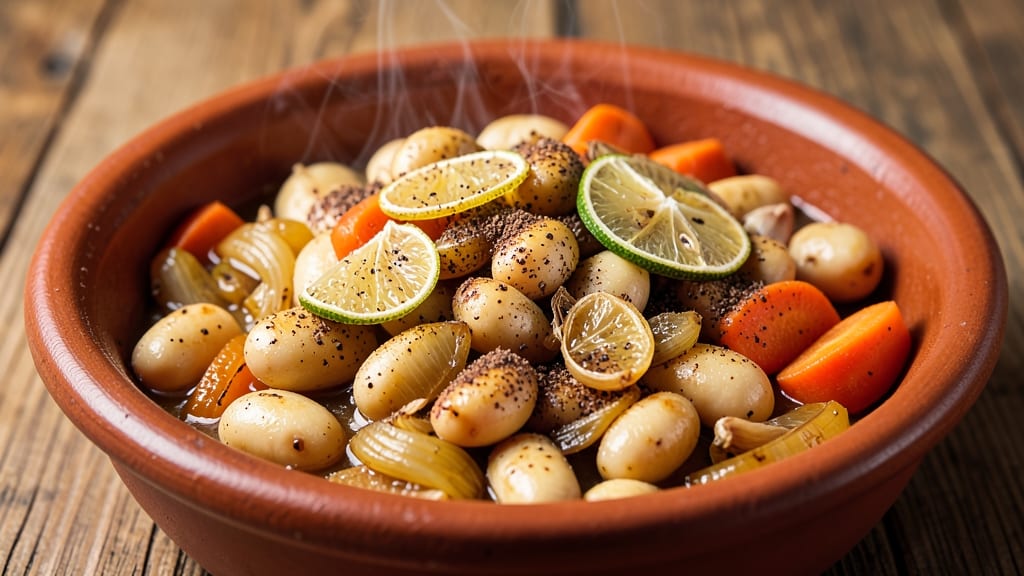
This bean tagine recipe transforms humble ingredients into a fragrant, slow-cooked masterpiece that transports you to a bustling Marrakech marketplace. 🌟 The secret lies in layering warm spices like cinnamon, cumin, and coriander with sweet preserved lemons and tender beans, creating a dish that's both comforting and sophisticated.
What makes this recipe special is its adaptability—whether you're using white beans, chickpeas, or lentils, the technique remains the same, delivering restaurant-quality results in your own kitchen.
The beauty of this tagine is in its simplicity and depth of flavor. You'll start by building a fragrant spice blend that infuses the beans and vegetables as they simmer slowly, developing complex notes that are both earthy and sweet.
The preserved lemons add a bright, tangy contrast that cuts through the richness, while the cinnamon and ginger bring warmth that lingers on the palate.
This dish is perfect for a cozy weeknight dinner or an impressive meal for guests, requiring just a Dutch oven or tagine and about 1 hour and 15 minutes of hands-off cooking time.
By the time you serve this bean tagine, your kitchen will be filled with an intoxicating aroma of spices and citrus, and your table will be graced with a dish that's rich, hearty, and full of character.
The beans will be tender yet hold their shape, the vegetables caramelized and sweet, and the sauce thickened just enough to coat every spoonful. It's the kind of meal that pairs beautifully with fluffy couscous or warm flatbread, making it a complete dining experience that feels both rustic and refined.
Whether you're a seasoned home cook or new to Moroccan cuisine, this bean tagine is a foolproof way to bring the flavors of North Africa to your dinner table.
The recipe scales effortlessly, so you can make it for two or feed a crowd, and the leftovers reheat beautifully, making it ideal for meal prep. Let's get started on creating this aromatic, spice-infused masterpiece that's sure to become a staple in your recipe rotation.
Ingredients for bean tagine
Humble ingredients meet Moroccan magic—spices, citrus, and tender beans transform into aromatic tagine perfection.
| Ingredient | Amount | Notes |
|---|---|---|
| Dried White Beans 🌱 | 1 ½ cups | Soaked overnight or quick-soaked |
| Sweet Preserved Lemons 🍋 | ½ cup | Chopped, skin and all |
| Yellow Onions 🧅 | 1 whole | Thinly sliced |
| Carrots 🥕 | 1 ½ cups | Thinly sliced, medium size |
| Garlic Cloves 🧄 | 6 cloves | Minced |
| Ground Cumin 🌿 | 1 tbsp | Toasted for depth |
| Ground Coriander 🌿 | 1 tbsp | Freshly ground preferred |
| Ground Turmeric 🌶️ | ½ tsp | Bright yellow color |
| Ground Cinnamon 🌿 | ½ tsp | Ceylon preferred |
| Fresh Ginger 🌿 | 1 tbsp | Finely grated |
| Canned Diced Tomatoes 🍅 | 1 can | San Marzano preferred |
| Vegetable Broth 💧 | 2 cups | Low-sodium preferred |
| Olive Oil 🫒 | ½ cup | Extra-virgin for richness |
| Fresh Cilantro 🌿 | ¼ cup | Chopped, for garnish |
| Sea Salt 🧂 | 1 ½ tsp | Diamond Crystal preferred |
The preserved lemons are non-negotiable—they bring that signature tangy-sweet brightness. Look for them at Middle Eastern markets or the international aisle at Whole Foods. If you can't find them, zest of 2 lemons plus 1 tbsp salt is a decent swap, but it won't be the same. The beans? Cannellini or butter beans work beautifully too. For the spices, Penzeys Spices has the best quality, but any reputable grocery store's ground spices will do—just make sure they smell fresh. Toast your cumin and coriander in a dry pan for 30 seconds before adding to the pot—that extra step makes all the difference.
No preserved lemons? Substitute with lemon zest plus a pinch of salt, but it won't be identical. Short on fresh ginger? Powdered ginger at half the amount works, though it lacks the same complexity. The tomatoes can be fresh if you're feeling fancy—just chop them finely. Trader Joe's has great canned tomatoes if you want to skip the fresh version. For the broth, low-sodium is key—you don't want to overpower the delicate flavors. The carrots can be baby carrots if that's what you've got, but thinly sliced regular carrots caramelize better.
This tagine gets better the next day—plan ahead. Store in an airtight container in the fridge for 4-5 days, or freeze portions for 3 months. I like to portion it into individual containers so I can grab a ready-made meal. The preserved lemons keep for months in the fridge once opened, so buy extra if you love the flavor. The spices? Store them in a cool, dark place—they'll last for months, but their potency fades over time. Double the recipe if you're feeding a crowd—it's that good.
Why You'll Love This Recipe
- No-Soaking Needed: I’ll admit, I used to dread soaking beans—but these dried white beans? Just an overnight soak in cold water, then simmer. No fancy tricks, no waiting forever. They soften beautifully while you prep the onions and carrots, so by the time the tagine starts bubbling, everything’s ready to go.
- Bright & Tangy Magic: That preserved lemon—honestly, it’s the star. The citrusy punch cuts through the richness of the beans and caramelized onions, while the garlic cloves add a slow-building warmth. It’s the kind of flavor that makes you reach for seconds without even thinking.
- Weeknight to Weekend: Between us, this tagine is my go-to for busy nights and impressing guests. Serve it over couscous for a quick weeknight meal, or pile it onto crusty bread with a side salad for a weekend spread. The same base dish, but it feels different every time.
- Budget-Friendly Leftovers: Dried beans stretch for days, and the preserved lemon adds a gourmet touch without breaking the bank. I make a big batch on Sundays, and by Wednesday, I’m still reheating it—always better the second time around. Plus, it freezes like a dream for those lazy days.
Step-by-step instructions for Moroccan-spiced stew with fragrant cinnamon
Here's how to craft this aromatic North African masterpiece—layered flavors that build with every simmer.
🍳 Step 1: Sauté Aromatics Until Golden and Fragrant
Heat the 0.5 cup olive oil in a large, heavy-bottomed pot over medium heat. Add the 1 whole yellow onions and 1.5 cups carrots, cooking for 8-10 minutes until the onions become translucent and the carrots soften slightly. You'll notice the onions caramelizing at the edges—that's your signal to add the 6 cloves garlic cloves and 1 tbsp fresh ginger.
Cook these together for another 2 minutes until the garlic turns golden and releases its pungent aroma. Here's the thing—don't let it burn. Garlic turns bitter quickly, and you want that sweet, nutty flavor to shine through. If it starts to darken too fast, reduce the heat slightly. This aromatic base is the foundation of your tagine's complexity.
👨🍳 Step 2: Toast Spices for Maximum Depth
Add the 1 tbsp ground cumin, 1 tbsp ground coriander, 0.5 tsp ground turmeric, and 0.5 tsp ground cinnamon to the pot. Stir constantly for 1 minute until the spices release their essential oils and fill your kitchen with that warm, earthy Moroccan scent. You'll see the spices darken slightly—that's perfect.
I press the spices into the vegetables using a wooden spoon, making sure they coat everything evenly. This ensures every bite gets that spiced goodness. Here's where it gets fun—toss in the 0.5 cup chopped sweet preserved lemons (skin and all) and stir for 30 seconds. The citrus will brighten the spices and add that signature tangy depth that makes this dish special.
🥘 Step 3: Build the Stew with Beans and Tomatoes
Add the drained 1.5 cups dried white beans (if quick-soaked) and the 1 can diced tomatoes to the pot. Pour in the 2 cups vegetable broth and bring everything to a gentle boil. Once boiling, reduce heat to low and let it simmer uncovered for 45-50 minutes, stirring occasionally.
You're looking for the beans to become tender but still hold their shape—when a bean slides easily between your fork and knife, it's ready. The sauce should thicken slightly as it reduces, creating that perfect stew consistency. If it gets too thick before the beans are done, add a splash of water or broth to loosen it. This is where patience pays off—the longer it simmers, the more the flavors meld together.
⏰ Step 4: Season and Rest for Perfect Balance
When the beans are tender, stir in the 1.5 tsp sea salt and taste. Adjust the seasoning if needed—you want the salt to enhance all the flavors without overpowering them. Let the stew rest off the heat for 10 minutes before serving. This resting period allows all the flavors to settle and intensify.
Real talk: the first taste might seem too bright or spicy, but give it a minute. The flavors will come together beautifully. The preserved lemons will mellow slightly, the spices will deepen, and the beans will soak up all that delicious liquid. This is the moment that matters—don't rush it. The tagine should have a rich, velvety texture with chunks of tender beans, sweet carrots, and that signature Moroccan spice profile.
🍽️ Step 5: Finish and Serve with Fresh Herbs
Before serving, stir in the 0.25 cup chopped fresh cilantro. This adds a bright, fresh contrast to the warm, spiced stew. The cilantro should wilt slightly from the heat but still retain its vibrant color. Serve the tagine hot, either as a main dish with crusty bread or over couscous for a complete Moroccan meal.
Each spoonful should deliver layers of flavor: the sweetness of carrots and preserved lemons, the earthiness of the spices, the warmth of the cinnamon, and the freshness of the cilantro. The beans should be tender but still hold their shape, soaking up all that aromatic broth. This is the kind of dish that tastes even better the next day as the flavors continue to develop.
Pro Tips For Making Bean Tagine
- SOAK BEANS OVERNIGHT: I learned this the hard way—rushing beans with a quick soak leaves them tough and underwhelming. Use 4 cups water per cup of dried white beans, let them sit 12+ hours, then drain. The longer they soak, the creamier the final texture, and you’ll skip the bloated, split-open mess that ruins a tagine’s elegance.
- PEEL PRESERVED LEMONS: Sweet preserved lemons add brightness, but the thick rind can turn bitter if left whole. Use a paring knife to scrape off the outer peel (not the pith) and chop just the flesh into tiny cubes—this way, the flavor infuses without overpowering. (Yes, even if you’re impatient like me, resist the urge to skip this step.)
- CARAMELIZE ONIONS LOW: After burning three batches, I finally figured out: low heat is your friend. Slice onions thin, cook them in a dry tagine or pot for 20-25 minutes until deep amber, stirring only every 5 minutes. The patience pays off—sweet, jammy onions are the backbone of this dish, not a rushed afterthought.
- ADD GARLIC LATE: Sounds weird, but it works: crush garlic cloves right before serving instead of cooking them down with the beans. The raw aroma hits harder, cutting through the richness of the preserved lemons and caramelized onions. If you must cook it, add it in the last 10 minutes—but don’t skip the fresh option entirely.
Common mistakes when making perfect results
Over-Soaking Beans
Never soak your beans for more than 8 hours—they’ll absorb too much water and become mushy. I’ve ruined a tagine this way, and it’s a tragedy. For quick soaking, use boiling water for 2 minutes, then let them sit for 1 hour.
Drain and rinse well before adding to the pot. 🌱
Skipping Spice Toasting
Toasting your spices is non-negotiable—it releases their essential oils for maximum flavor. I’ve made this mistake, and the difference is night and day. Toast the cumin and coriander in a dry pan for 30 seconds until fragrant. If you skip this, your tagine will taste flat and underwhelming.
Using Fresh Lemons Instead
Fresh lemons won’t give you that signature preserved lemon flavor—it’s all about the salt-cured peel. If you can’t find preserved lemons, try lemon zest plus 1 tsp salt per lemon, but it’s not the same. The skin adds a unique texture and depth that fresh lemons can’t replicate. 🍋
Rushing the Simmering Time
This isn’t a dish you can rush. Simmering for 45-50 minutes is crucial for tender beans and deep flavor development. I’ve tried cutting it to 30 minutes, and the beans were tough, and the sauce lacked complexity. Patience here makes all the difference.
Ignoring the Resting Period
Skipping the 10-minute rest after cooking is a big mistake. This lets the flavors meld and the beans absorb the sauce properly. I’ve served it immediately, and the texture was always off—too loose, not cohesive. Let it rest, and you’ll notice the difference in every bite.
Over-Salting the Dish
The preserved lemons and broth already contain salt, so go easy with the 1.5 tsp sea salt**. Taste before adding more—you can always adjust, but you can’t unsalt a tagine. I’ve overdone it before, and the dish became unbalanced. Start with the full amount, then taste and adjust carefully.
Nutrition facts
Frequently asked questions
Can I use canned beans instead of dried for this tagine?
Yes, you can absolutely use canned beans for convenience! Just drain and rinse them well before adding to the pot. For best texture, choose low-sodium beans and add them during the last 15 minutes of simmering. This prevents them from becoming too soft.
What makes preserved lemons essential in this recipe?
Preserved lemons add the signature tangy-sweet depth that defines Moroccan tagines. The salt-cured peel provides a unique texture and bright acidity that fresh lemons can't replicate. If you can't find them, try lemon zest plus 1 tsp salt per lemon, but it won't be identical.
How do I know when the beans are perfectly cooked?
Test for doneness by pressing a bean between your fork and knife—it should be tender but still hold its shape. The beans should be fully cooked after 45-50 minutes of simmering. If they're still firm, add 1/2 cup more broth and cook another 10 minutes.
Can I make this tagine in an Instant Pot or pressure cooker?
Yes! Sauté the aromatics first, then add all ingredients and pressure cook for 15 minutes on high. Release pressure naturally, then finish with fresh cilantro. The beans will be tender, though the sauce will be slightly thinner than traditional stovetop method.
What's the best way to reheat leftover tagine?
Gently reheat on the stovetop over low heat with a splash of water or broth to prevent drying. Microwave in 30-second intervals, stirring between each, until heated through. Leftovers actually improve as flavors meld further!