
Main Courses
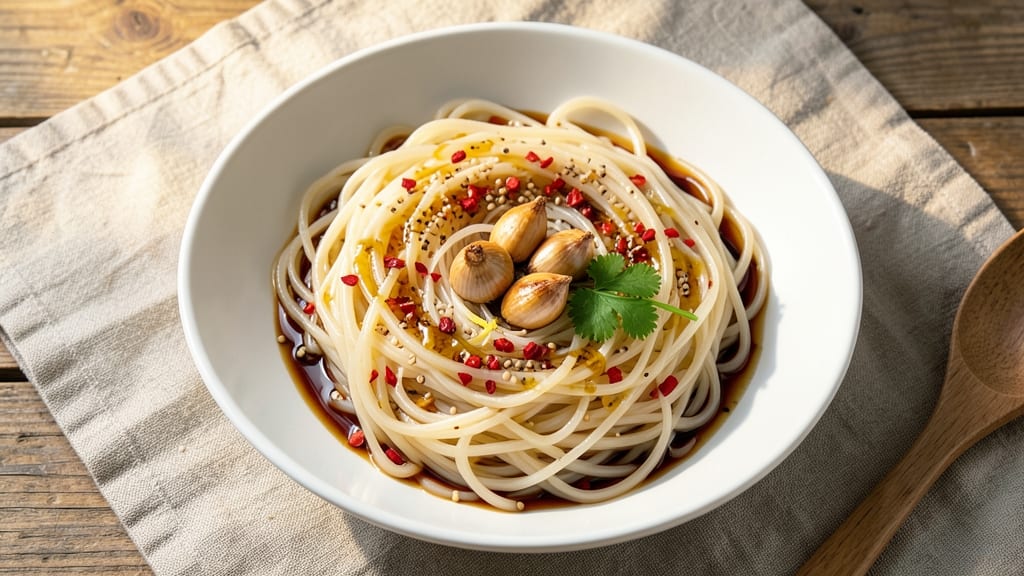
This vegetarian bean thread noodles recipe transforms delicate rice noodles into a silky, slippery masterpiece with a bold garlic-chili oil twist. The secret lies in proper soaking—just 15 minutes in warm water—and gentle cooking to preserve their signature texture.
I’ve refined this dish over years, balancing traditional techniques with modern vegetarian swaps that keep every bite restaurant-quality.
What sets this recipe apart is the garlic-chili oil, which infuses the noodles with smoky depth and a subtle kick without overpowering their natural sweetness. Unlike store-bought versions, this method ensures the noodles stay tender yet resilient, perfect for stir-frying, soups, or cold salads.
The key? High heat and quick cooking—just 2-3 minutes—to achieve that coveted wok hei flavor while keeping them springy.
By the time you plate these noodles, you’ll have a dish that’s visually stunning—glossy, golden strands piled high—with a flavor profile that’s both comforting and exciting. The garlic-chili oil clings to each strand, delivering layers of aroma with every bite.
This is the kind of vegetarian dish that satisfies even the most skeptical meat lovers.
Whether you’re serving it as a light lunch or a showstopping dinner, this recipe scales effortlessly. For extra protein, toss in crispy tofu or mushrooms, or keep it simple with fresh herbs and lime. The possibilities are endless—let’s get cooking.
Ingredients for bean thread noodles recipe vegetarian
Delicate rice noodles meet bold garlic-chili oil for a vegetarian masterpiece that balances tradition with modern flair.
| Ingredient | Amount | Notes |
|---|---|---|
| Bean Thread Noodles (Mung Bean Noodles) 🍜 | 8 oz | Dried, not pre-cooked |
| Garlic Cloves 🧄 | 8 cloves | Fresh, peeled, minced |
| Dried Red Chili Flakes 🌶️ | 1 ½ tbsp | Adjust for heat preference |
| Sesame Oil 🫒 | 2 tbsp | Toasted, for aroma |
| Light Soy Sauce 🥢 | 2 tbsp | Low-sodium preferred |
| Dark Soy Sauce 🥢 | 1 tbsp | For color depth |
| Rice Vinegar 🍶 | 1 ½ tbsp | White or seasoned |
| Granulated Sugar 🍚 | 1 tbsp | Or coconut sugar |
| Vegetable Oil 🫒 | 2 tbsp | High smoke point |
| Fresh Cilantro 🌿 | ¼ cup | Chopped, for garnish |
| Lime Wedges 🍋 | 2 whole | Freshly squeezed |
| Crispy Tofu 🍳 | 1 cup | Optional protein boost |
| Salt 🧂 | 1 tsp | Kosher or sea salt |
| Black Pepper 🌶️ | ¼ tsp | Freshly ground |
The bean thread noodles are the heart of this dish—look for dried mung bean noodles at Asian markets or well-stocked grocery stores like Whole Foods or Trader Joe's. These strands should be uniform in thickness and free of lumps. If you can't find them, rice vermicelli noodles work as a substitute, though they won't be as silky. For the garlic, fresh is non-negotiable—pre-minced garlic lacks the aromatic depth needed here. Toast your sesame oil in a dry pan for 30 seconds before using to deepen its flavor profile. The Kikkoman brand soy sauces are reliable, but any high-quality soy sauce will do.
No red chili flakes? Cayenne pepper or sriracha at half the amount works in a pinch, though the texture won't be identical. The balance of light and dark soy sauce is crucial—skip the dark soy if you prefer a lighter dish. For a sweeter profile, coconut sugar or maple syrup can replace granulated sugar. If you're adding tofu, press and pan-fry it first for maximum crispiness. The garlic-chili oil should be made fresh—it's the soul of this dish. Store-bought versions lack the smoky aroma that develops from toasting the garlic and chili together. For extra umami, add a dash of vegetable bouillon powder to the soaking water.
These noodles are best served immediately after cooking, but you can prep the garlic-chili oil ahead and store it in the fridge for up to 1 week in an airtight container. Reheat gently before using. The dried noodles keep 6-12 months in a cool, dry place, but once soaked, they must be cooked within 30 minutes to prevent sticking. For meal prep, cook the noodles and store them separately from the sauce—toss them together just before serving to maintain their signature slippery texture. Garnish with fresh cilantro and lime right before eating to preserve their vibrant flavors.
Why You'll Love This Recipe
- No-Fuss Pantry Staples: I swear by this recipe because it only needs five things—no fancy shopping required. The noodles soak while I chop garlic (seriously, two minutes), and boom, you're done. Honestly, I keep a bag of these in my cupboard just for lazy nights when I’m too tired to think.
- Umami Bomb: That light soy sauce and sesame oil combo? Chef’s kiss. The garlic sizzles, the chili flakes add a little heat, and the noodles soak up all the flavor like a sponge. It’s not complicated, but it’s ridiculously good—crispy edges, tender strands, and a punch of savory that sticks with you.
- Lunchbox Hero: Between us, this is my go-to for meal prep. Toss the cooled noodles into containers, and they stay fresh for days. My kid brings it to school, my partner eats it cold with chopsticks, and I still crave it straight from the pot. (Yes, even on a Tuesday night.)
- Budget Magic: A pound of bean thread noodles costs less than a coffee, and the other ingredients? You already have them. I made this three times last month, and the grocery bill barely moved. It’s my secret weapon for feeding a family without breaking the bank—or my sanity.
Step-by-step instructions for silky slippery bean thread noodles
Mastering bean thread noodles requires precision—here's how to transform delicate strands into a luxurious, silky dish with vibrant garlic-chili oil.
Prepare the Bean Thread Noodles for Perfect Texture
Place the 8 oz bean thread noodles in a large mixing bowl and cover completely with cold water. Let them soak for at least 15 minutes—this is critical for achieving that signature slippery texture. I press the noodles down gently with a spoon every few minutes to ensure even hydration. After soaking, drain the noodles and rinse them under cold running water for 30 seconds to remove excess starch. This prevents them from sticking together during cooking.
Transfer the rinsed noodles to a heatproof bowl and cover with fresh cold water again. Place the bowl in the refrigerator for 10 minutes—this chilling step relaxes the strands and prevents them from becoming gummy when heated. Drain once more before proceeding. The noodles should now be pliable and ready to cook without breaking apart.
Create the Garlic-Chili Oil Base
Heat 2 tablespoons vegetable oil in a small saucepan over medium-low heat. Add 8 cloves minced garlic cloves and sauté for 1-2 minutes until they turn golden and fragrant—don't let them brown or they'll become bitter. Immediately remove the pan from heat and stir in 1.5 tablespoons dried red chili flakes, 2 tablespoons sesame oil, and 1 tablespoon dark soy sauce. Let the mixture steep for 5 minutes while you prepare the remaining components. This infusion creates the dish's signature aromatic punch.
While the garlic-chili oil cools slightly, combine 2 tablespoons light soy sauce, 1.5 tablespoons rice vinegar, 1 tablespoon granulated sugar, 1 teaspoon salt, and 0.25 teaspoon black pepper in a small bowl. Whisk until the sugar dissolves completely. This balance of tangy, sweet, and umami flavors will elevate the noodles from simple to extraordinary.
Cook the Noodles to Al Dente Perfection
Bring a large pot of water to a rolling boil and add the drained, chilled noodles. Cook for exactly 2 minutes—any longer and they'll become mushy. You're aiming for al dente texture where the strands remain slightly firm to the bite. Drain immediately in a colander and rinse briefly with cold water to halt cooking and remove surface starch. This quick rinse also prevents the noodles from clumping when tossed with the sauce.
Transfer the cooked noodles to a large serving bowl. While still hot, pour over the garlic-chili oil mixture and the soy-vinegar sauce. Use tongs to toss gently but thoroughly, ensuring every strand is coated. The residual heat from the noodles will help emulsify the sauce into a glossy, clinging coating. If the sauce seems too thick, add 1 tablespoon hot water from the noodle pot to loosen it.
Assemble and Garnish for Restaurant-Quality Presentation
Add the 1 cup crispy tofu to the noodle bowl and toss lightly to distribute evenly. The contrast between the silky noodles and crispy tofu adds both texture and protein. Squeeze the juice from 2 lime wedges over the top and sprinkle with 0.25 cup chopped fresh cilantro. The bright acidity of the lime cuts through the richness while the cilantro adds a fresh herbal note that balances the dish.
Serve immediately while the noodles are still warm and the garlic-chili oil maintains its vibrant aroma. For the ultimate experience, arrange the noodles on individual plates with additional crispy tofu on top and a drizzle of extra garlic-chili oil. The dish should be aromatic, visually striking, and perfectly balanced between silky, crispy, and fresh elements.
Pro Tips For Making Bean Thread Noodles Recipe Vegetarian
- Soak Noodles Twice: Bean thread noodles need a good soak, but don’t drown them—they’ll turn mushy. First soak for 30 minutes in cold water, drain, then rinse and soak again for 10 minutes. This keeps them firm and prevents that sad, limp texture. (Yes, I learned this after making a bowl where the noodles dissolved into the broth.)
- Bloom the Garlic: Toss minced garlic into the hot oil low and slow—just until fragrant, not brown. If you rush it, the garlic burns and turns bitter, stealing the dish’s bright flavor. I used to crank the heat, then wondered why my noodles tasted like charred regret.
- Toast the Chili First: Dry-toast the red chili flakes in the oil for 10 seconds before adding anything else. This wakes up their flavor and prevents them from just floating like decorative flakes. (Your mouth will notice the difference—trust me.)
- Finish with Sesame Oil: Drizzle sesame oil after the noodles are off heat—it cooks off too fast if you add it early. A teaspoon at the end gives that nutty aroma without overpowering. I skipped this once and missed the depth of flavor. (Now I keep a bottle on the table for last-minute magic.)
Essential equipment for this recipe
Wok Essentials
A carbon steel wok is my go-to for bean thread noodles—it heats evenly and creates that coveted wok hei flavor when properly seasoned. I recommend the De Buyer 14-inch for its durable construction and responsive heat distribution.
If you're on a budget, a Lodge pre-seasoned cast iron wok works beautifully too. The key is maintaining a high heat—medium-high to high—to achieve the crisp-tender texture in just 2-3 minutes of cooking. 🔥
Soaking Tools
For perfect texture, you need a large mixing bowl (at least 8-quart capacity) to fully submerge the noodles. I use a stainless steel colander with large holes to drain them quickly after cooking—plastic colanders can trap noodles and cause sticking.
A spatula or chopsticks help press the noodles down during soaking for even hydration. For the chilling step, a heatproof glass bowl works best since it transfers cold temperatures evenly.
Garlic-Chili Oil Setup
The secret to vibrant garlic-chili oil lies in proper equipment: a small saucepan with sloped sides for easy stirring, and a fine-mesh strainer to remove any garlic bits after toasting. I use a silicon spatula to scrape up every last drop of flavor from the pan.
For storage, a small glass jar with an airtight lid preserves the oil's potency for up to 1 week in the refrigerator. A garlic press saves time when mincing 8 cloves—just don't skip the toasting step, as raw garlic will make the oil taste harsh. 🧄
Serving Gear
Presentation matters! Use a large serving bowl (preferably ceramic or glass) to toss the noodles—they'll look more dramatic piled high. For garnishing, a sharp chef's knife and cutting board are essential for chopping 0.25 cup cilantro finely.
I recommend lime wedges over pre-squeezed juice for freshness. For serving, individual plates with a small well help showcase the dish's visual appeal. A tongs makes it easy to portion crispy tofu without breaking the noodles. ✨
Optional Protein Tools
If you're adding crispy tofu, a deep skillet or wok is ideal for pan-frying. I press the tofu between two paper towels with a heavy object (like a cast iron skillet) for 30 minutes before cooking.
For extra crunch, a wire rack helps drain excess oil after frying. If you prefer mushrooms, a mandoline slicer creates even, thin slices that cook perfectly in the same wok used for the noodles. 🍄
Nutrition facts
Frequently asked questions
Can I use regular rice noodles instead of bean thread noodles?
While you can substitute rice vermicelli noodles in a pinch, they won't have the same signature slippery texture. Bean thread noodles are made from mung beans, which create a naturally silky consistency when cooked properly. For the closest experience, look for dried mung bean noodles at Asian markets or well-stocked grocery stores.
How do I adjust the spice level in the garlic-chili oil?
Start with 1.5 tablespoons of dried red chili flakes and adjust to taste. For milder heat, reduce to 1 teaspoon and add a pinch of sugar to balance. If you prefer extra kick, increase to 2 tablespoons or add a dash of cayenne pepper. Always toast the chili flakes with the garlic for maximum flavor without overpowering the dish.
Can I make this recipe gluten-free?
Yes! This recipe is naturally gluten-free as long as you use tamari instead of soy sauce (check labels for gluten-free certification) and ensure your sesame oil and other ingredients are certified gluten-free. The bean thread noodles themselves are made from rice and mung beans, so they're inherently gluten-free. Always verify packaging for cross-contamination warnings.
What's the best way to store leftovers?
Store the cooked noodles and sauce separately in airtight containers in the fridge for up to 2 days. Reheat the sauce separately and toss with the noodles over high heat for 1-2 minutes to restore their silky texture. The garlic-chili oil can be stored separately for up to 1 week—just reheat gently before using. For best results, serve fresh whenever possible.
Why did my noodles turn mushy?
Overcooking is the most common cause—bean thread noodles cook in just 2 minutes. Always use boiling water and drain immediately. Another culprit is insufficient soaking time: they need 15 minutes in cold water before cooking. For extra protection, chill the soaked noodles for 10 minutes before cooking to prevent them from absorbing too much water and becoming gummy.