
Soups & Stews
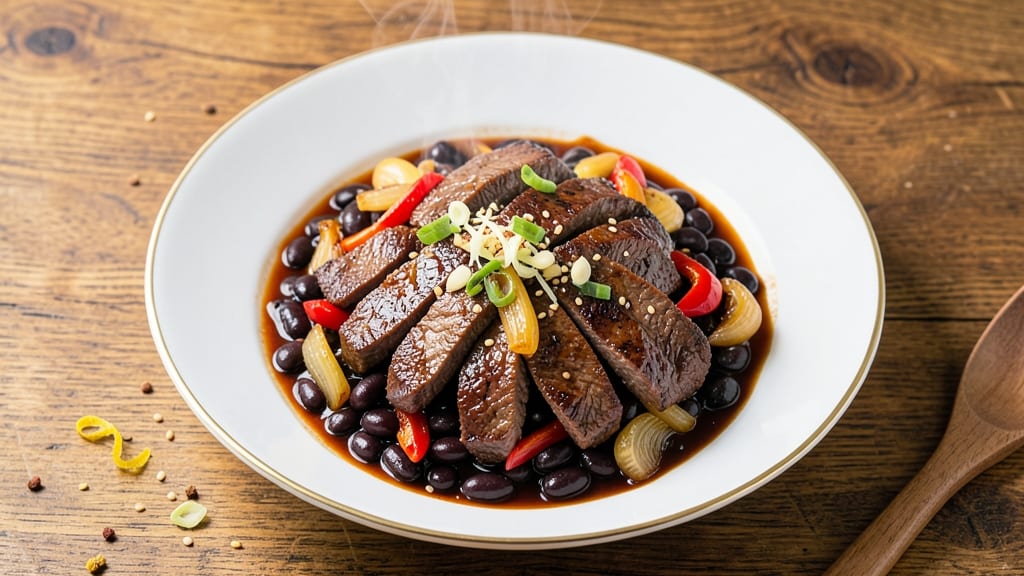
This beef and black bean stir fry delivers bold flavors in under 30 minutes with a perfect balance of spicy, savory, and umami notes. The technique transforms tender beef strips and hearty black beans into a restaurant-quality one-pan dish that's ready in minutes.
I developed this recipe after years of perfecting stir-fry timing—where the beef stays juicy while the beans absorb all those rich, caramelized flavors.
The magic happens in the wok or large skillet, where high heat sears the beef quickly before adding the beans and aromatic vegetables. A simple marinade of soy sauce, garlic, and ginger builds the foundation, while chili flakes and sesame oil add depth.
The key is constant stirring to prevent sticking and ensure even cooking—this isn't just a recipe, it's a technique you'll want to master.
What you'll end up with is a dish that's packed with protein and fiber, yet feels indulgent thanks to that perfect spicy-savory balance. The beef remains tender with just a hint of char, while the black beans soak up all the flavorful sauce.
Serve it over steamed rice for a complete meal that's hearty enough for dinner but quick enough for weeknights.
This stir fry adapts beautifully to your preferences—add more chili for heat, swap in bell peppers for extra crunch, or drizzle with sesame seeds for texture.
The one-pan method means minimal cleanup, and the flavors only get better as they sit, making it perfect for meal prep or leftovers. Let's get cooking!
Ingredients for beef and black bean stir fry
Bold flavors, minimal cleanup—this stir fry packs restaurant-quality protein in one pan!
| Ingredient | Amount | Notes |
|---|---|---|
| Flank Steak 🥩 | 1 ¼ lb | Thinly sliced against grain |
| Black Beans 🫘 | 1 ½ cups | Cooked or canned, drained |
| Red Bell Pepper 🌶️ | 1 whole | Sliced into thin strips |
| Yellow Onion 🧅 | 1 whole | Thinly sliced, ~1 cup |
| Garlic Cloves 🧄 | 4 cloves | Minced for marinade |
| Fresh Ginger 🌿 | 1 tbsp | Grated, or 1 tsp powdered |
| Soy Sauce 🍶 | ⅓ cup | Low-sodium preferred |
| Sesame Oil 🫒 | 1 tbsp | Toasted for aroma |
| Chili Flakes 🔥 | 1 tbsp | Adjust for heat preference |
| Vegetable Oil 🫒 | 2 tbsp | High smoke point |
| Green Onions 🧅 | 3 whole | Sliced for garnish |
| Sesame Seeds 🌾 | 1 tbsp | Toasted for crunch |
| White Rice 🍚 | 2 cups | Uncooked, for serving |
| Salt 🧂 | 1 tsp | Kosher or sea salt |
| Black Pepper 🌶️ | ½ tsp | Freshly ground |
The flank steak is your secret weapon here—it's lean but tender when sliced thin against the grain. Costco or Whole Foods usually have pre-sliced packages, but if you're cutting it yourself, freeze it 30 minutes first for easier slicing. Look for bright red, well-marbled meat—none of that pale, rubbery stuff. Black beans? Canned is fine, but if you're using dried, soak them overnight. The bell pepper should be crisp and vibrant—skip the sad, limp ones. For the soy sauce, Kikkoman or La Choy are reliable, but if you're using low-sodium, add a pinch of salt to compensate.
No flank steak? Sirloin strips or flank steak from the butcher counter work too—just ask for thin cuts. Short on black beans? Kidney beans or pinto beans swap right in. The chili flakes are non-negotiable for that signature heat, but if you want to dial it back, half the amount of cayenne powder works. Sesame oil? Kadoya or Bar-Kee brands are my go-tos—they've got that authentic toasted aroma. And if you're missing the sesame seeds, toasted peanuts or crushed cashews add a similar crunch. The rice? Jasmine or basmati steams up beautifully—anything but that sticky white stuff.
This stir fry tastes even better the next day—honestly, the flavors meld into something magical. Store leftovers in an airtight container for up to 4 days, or freeze for 3 months in portion-sized containers. I always double the batch because it reheats perfectly—just toss it in a hot skillet with a splash of water to revive the crispiness. The rice? Cook extra and freeze portions—it's perfect for quick lunches all week. And if you're prepping ahead, marinate the beef overnight for even more tender results.
Why You'll Love This Recipe
- One-Pan Magic: I swear by this recipe when I’m too tired to wash dishes. The flank steak, black beans, and peppers all hit the same pan—no extra bowls, no stress. Just slice, stir, and walk away while it sizzles.
- Umami Bomb: That first bite? The garlic and black beans caramelizing against the seared beef edge is next level. Honestly, the smoky depth from the steak and the earthy beans make this taste like it simmered for hours—even though it’s ready in 25 minutes.
- Lunchbox Hero: Between us, this is my go-to for meal prep. The flavors only get better the next day, and it reheats like a dream. Pack it cold with rice for work or toss it straight from the pan into a tortilla for a quick dinner.
- Budget Powerhouse: Flank steak stretches far with black beans and peppers—no wasted leftovers here. I’ve fed four people for under $15, and they always ask for seconds. Plus, the onions and garlic are the cheapest pantry staples around.
Step-by-step instructions for spicy-savory beef and black bean stir fry
Here's how to create a restaurant-quality stir fry with bold flavors and tender beef every time.
Prep the Flank Steak for Maximum Tenderness
Slice the 1.25 lb flank steak thinly against the grain into ¼-inch strips—this is crucial for tender bites. I like to cut it while still partially frozen for cleaner slices. Place the sliced steak in a bowl and add 4 cloves minced garlic, 1 tbsp grated fresh ginger, 0.33 cup soy sauce, 0.5 tsp black pepper, and 1 tbsp sesame oil. Mix gently to coat, then let it marinate for at least 20 minutes (30 minutes is even better). The acid in the soy sauce and ginger will tenderize the meat while infusing it with flavor.
While the steak marinates, prep the vegetables. Thinly slice the 1 whole red bell pepper into strips and slice the 1 whole yellow onion into half-moons. Keep them separate—they'll cook at different rates. The goal is even-sized pieces so everything cooks uniformly. If using canned black beans, drain and rinse them thoroughly to remove excess sodium.
Cook the Beef to Perfect Doneness
Heat 2 tablespoons vegetable oil in a large skillet or wok over high heat until shimmering. Add the marinated steak in a single layer—don't overcrowd the pan or it'll steam instead of sear. Cook undisturbed for 1-2 minutes until the edges are deep brown and crispy. Flip and cook another 1-2 minutes until the steak reaches 145°F internally (it'll carry over to 155°F while resting). Remove the steak and set aside—it'll continue cooking slightly when everything returns to the pan.
Here's the thing—don't walk away. The steak cooks fast at high heat, and overcooking turns tender flank steak to shoe leather. You want it just barely pink in the center when you remove it. If you're unsure, use an instant-read thermometer to check the thickest piece.
Build the Stir Fry Base with Aromatics
In the same skillet (no need to clean it—the browned bits add flavor), reduce heat to medium-high. Add the 1 whole sliced yellow onion and cook for 3-4 minutes until softened but not browned. Add the 1 whole sliced red bell pepper and cook another 3-4 minutes until slightly blistered. Stir occasionally to prevent burning.
Now add the 1.5 cups black beans and cook for 2 minutes to heat through. The beans should be warm but still hold their shape. If they start to break apart too much, reduce heat slightly. This is where the stir fry comes together—each component needs its own cooking time to develop flavor without overcooking.
Finish with Spicy-Savory Sauce
Return the cooked beef to the skillet along with any accumulated juices. Add 1 tbsp chili flakes and stir to distribute evenly. The chili flakes will bloom and infuse the entire dish with heat. Cook everything together for 1-2 minutes just to meld the flavors—no need to overcook the beef again.
Taste and adjust seasoning. You might need a splash more soy sauce or a pinch of salt to balance flavors. The dish should be spicy, savory, and slightly sweet from the caramelized onions and peppers. If it's too dry, add 1-2 tablespoons water to loosen the stir fry.
Serve Over Steamed Rice with Fresh Garnishes
Cook the 2 cups white rice according to package instructions—it should be fluffy and separate. Divide the rice among serving plates and spoon the beef and black bean stir fry generously over the top. Garnish with 3 whole sliced green onions and 1 tbsp toasted sesame seeds for texture and aroma.
Serve immediately while everything is hot. The contrast of warm rice with the spicy-savory stir fry makes this dish irresistible. The sesame seeds add a nutty crunch that cuts through the richness of the beef, while the green onions provide a fresh finish. This one-pan meal delivers big flavor with minimal cleanup—perfect for weeknight dinners!
Pro Tips For Making Beef And Black Bean Stir Fry
- Slice Steak Against Grain: Flank steak’s fibers run long, and cutting with them makes it chewy—no one wants that. Grab a sharp knife, angle it low, and slice at a 45-degree angle after resting. (Yes, even if you’re impatient like me.) The strips should separate cleanly, not fight you.
- Drain and Rinse Beans: Canned black beans taste like tin if you skip this. Drain them, then rinse under cold water to wash off that metallic aftertaste. Pat them dry with a towel—wet beans steam instead of sizzle, and you’ll end up with soggy stir-fry. (Your future self will notice.)
- Start High, End Low: The wok or pan needs to be screaming hot before beef hits it—otherwise, you’re steaming meat, not searing. Once the onions are translucent and the garlic’s golden, lower the heat to medium. High heat at the end makes everything bitter. (I learned this the hard way with charred bell peppers.)
- Prep Onions First: Thinly slice the onion before anything else—it’s the base, and you’ll need it. While it cooks, chop the bell pepper and garlic. Crowding the pan with raw veggies later turns your stir-fry into a sad, uneven mess. (Sounds weird, but it works: onions soften first, so they’re ready when the beef is.)
Essential equipment for this dish
Wok or Skillet
A wok is ideal for this stir fry because its sloped sides and high heat distribution create the perfect searing environment for beef while allowing you to toss ingredients quickly.
I use a 14-inch carbon steel wok from Made In—it retains heat beautifully and develops a natural nonstick patina over time. If you don’t have a wok, a 12-inch cast iron skillet (like Lodge) works just as well.
The key is using high heat to get that signature char on the beef while keeping everything moving. 🔥
High Heat Oil
You’ll need an oil with a high smoke point (above 400°F) to prevent burning. I recommend avocado oil or refined peanut oil—both handle the heat without imparting strong flavors. Vegetable oil works too, but it lacks the neutral profile of avocado oil.
Use 2 tablespoons total, enough to coat the bottom of your pan but not drown the ingredients. Keep a small bottle of oil nearby to add as needed while cooking.
Tongs and Spatula
A pair of heat-resistant tongs (like OXO Good Grips) is essential for tossing the beef and vegetables without overcrowding the pan. I also keep a flat-bottomed spatula (about 10 inches long) handy for scraping up any stuck-on bits.
The tongs help you flip the beef quickly, while the spatula ensures you don’t lose any flavorful browned bits at the bottom of the pan. Both tools should be made of stainless steel for durability and easy cleaning.
Instant-Read Thermometer
An instant-read thermometer (I use the ThermoWorks ThermoPop) is a game-changer for cooking flank steak to perfection. It ensures the beef reaches 145°F internal temperature without overcooking. The thermometer also helps gauge when the onions and peppers are tender-crisp—no more guessing.
For stir fries, accuracy is key, and this tool takes the guesswork out of timing. It’s a small investment that makes a big difference in texture and safety. 🌡️
Cutting Board and Knife
A sharp chef’s knife (like the Wüsthof Classic) and a large cutting board (I prefer Teak or bamboo for grip) are non-negotiable for prepping ingredients evenly. Thinly slicing the beef against the grain is critical for tenderness, and a sharp knife makes this task effortless.
For the onions and bell peppers, aim for uniform strips—this ensures everything cooks at the same rate. A mandoline (like Benedict) can speed up the process if you’re prepping large batches.
Mixing Bowls and Measuring Tools
Use a large mixing bowl (at least 3 quarts) for marinating the beef, and a small bowl for tossing the black beans and vegetables. A measuring spoon set (like OXO Good Grips) ensures precise amounts of soy sauce, sesame oil, and chili flakes.
I also keep a small whisk** on hand for quickly combining the marinade ingredients. Having the right tools makes prep faster and more accurate, so don’t skimp on these basics. ✨
Nutrition facts
Frequently asked questions
Can I use ground beef instead of flank steak?
Yes, but the texture will differ slightly. For 1.25 lb ground beef, brown it first with 1 tsp cornstarch to help it hold its shape better. Cook it until 160°F internal temperature, then proceed with the recipe. The result will be heartier but less tender than flank steak strips.
How do I make this dish less spicy?
Reduce the chili flakes to ½ tbsp or omit them entirely. For extra mildness, add 1 tbsp honey or maple syrup at the end to balance flavors. If you prefer no heat, swap chili flakes for ½ tsp smoked paprika instead.
Can I make this stir fry ahead of time?
Cook the beef and vegetables as directed, then store in an airtight container for up to 4 days in the fridge. Reheat in a skillet with 1 tbsp water over medium heat for 3-4 minutes to restore crispiness. The flavors actually improve overnight!
What if I don't have sesame oil?
Don't worry—use 1 tsp toasted vegetable oil or even ½ tsp olive oil as a substitute. While it won't have the same nutty aroma, it'll still work. For extra flavor, add ½ tsp toasted sesame seeds to the marinade instead. The dish will still taste delicious!
How do I prevent the beef from drying out?
Keep the heat high but never overcrowd the pan—cook in two batches if needed. Also, marinate the beef for at least 30 minutes before cooking. The soy sauce and ginger in the marinade help retain moisture. Remove the beef when it reaches 145°F and let it rest 2 minutes before adding back to the pan.