
Sauces & Condiments
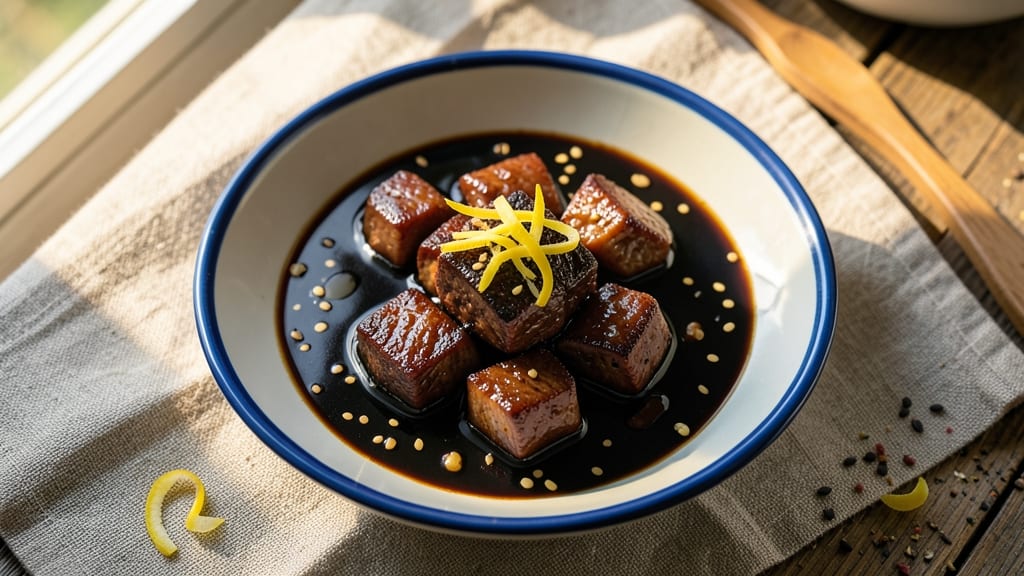
This Chinese beef in blackbean sauce recipe delivers the deep, complex flavors of a classic Cantonese home-style dish—where tender beef braises in a glossy, umami-rich sauce that balances sweet, salty, and earthy notes. After years of perfecting the technique (and a few burned batches in my early attempts), I've developed a method that captures the restaurant-quality richness without requiring a wok or specialized equipment. The secret lies in caramelizing the black bean paste and letting the beef absorb the sauce slowly, creating layers of flavor that transform simple ingredients into something extraordinary.
The dish begins with beef that's seared to develop a deep mahogany crust, then simmers in a sauce where fermented black beans, soy sauce, and a touch of sugar work together to create that signature glossy sheen.
What makes this recipe special is how it balances textures—tender beef against the slightly sticky sauce, with just enough crispness from the seared edges. I've included a step-by-step process that ensures the sauce reduces properly, concentrating those flavors into every bite without becoming overly sweet or salty.
By the time you plate this dish, you'll have a restaurant-worthy meal that's rich in both flavor and visual appeal. The sauce clings beautifully to the beef, creating dark, glossy strands that make each bite look as good as it tastes.
Serve it over steamed jasmine rice with a side of quick-pickled vegetables or steamed bok choy to balance the richness, and you'll have a complete meal that feels like a celebration on your dinner table.
This recipe is designed to be approachable yet impressive, perfect for weeknight dinners when you want to impress without stress. The flavors develop as you cook, so don't rush the process—patience is key to achieving that authentic depth.
Whether you're serving it to family or hosting a dinner party, this beef in blackbean sauce will be the star of the meal, delivering the kind of satisfaction that comes from a dish made with care and tradition.
Ingredients for beef in blackbean sauce recipe chinese
Nine essential ingredients transform simple beef into restaurant-worthy Cantonese richness.
| Ingredient | Amount | Notes |
|---|---|---|
| Beef Chuck Roast 🥩 | 1 ½ lb | Cut into 1-inch cubes |
| Black Bean Paste 🫘 | ¼ cup | Fermented, Asian variety |
| Soy Sauce 🥄 | ½ cup | Light or dark preferred |
| Brown Sugar 🍯 | 2 tbsp | Packed lightly |
| Garlic Cloves 🧄 | 6 cloves | Minced for sauce |
| Fresh Ginger 🌿 | 1 ½ tbsp | Grated finely (peeled) |
| Green Onions 🧅 | 3 whole | Sliced thin for garnish |
| Sesame Oil 🫒 | 1 tbsp | Toasted for aroma |
| Cornstarch 🌾 | 1 tbsp | For thickening sauce |
| Vegetable Oil 🫒 | 3 tbsp | High smoke point |
| Salt 🧂 | 1 tsp | Kosher or sea salt |
| White Pepper 🌶️ | ½ tsp | Freshly ground |
| Jasmine Rice 🍚 | 1 ½ cups | Uncooked, for serving |
| Water 💧 | 2 ½ cups | For rice cooking |
The beef makes this dish—chuck roast is non-negotiable for that melt-in-your-mouth texture. Ask your butcher to cut it into 1-inch cubes if they won't do it for you. Black bean paste is the flavor bomb here. La Choy or Lee Kum Kee are my go-tos, but any fermented black bean paste works. Fresh ginger and garlic are key—don't use the jarred minced stuff (it's flavorless). For the best results, buy whole ginger root and grate it fresh. The sesame oil might seem small, but it adds that authentic aroma—Trader Joe's has a great toasted version.
No black bean paste? Double the soy sauce and add 1 tsp molasses for depth. Short on brown sugar? Honey or maple syrup works in a pinch, but the caramelization won't be quite the same. The cornstarch is crucial for that glossy finish—don't skip it. For a quicker version, use pre-minced garlic and ginger (just add a pinch more salt). The green onions are purely for garnish, so you can skip them if you're in a rush. Pro tip: Toast your sesame oil in a dry pan for 30 seconds before adding to the sauce—amplifies the flavor instantly.
This sauce gets better with time, so make it a day ahead if possible. Reheats beautifully—just add a splash of water to loosen the sauce. The beef stays tender for 3-4 days in the fridge, but the sauce can be made separately and stored for up to 1 week. For leftovers, I portion the beef and sauce separately—freeze the sauce in ice cube trays for easy reheating. The rice? Cook it fresh or use day-old rice—it absorbs the sauce better.
Why You'll Love This Recipe
- One-Pot Magic: I swear by this—no chopping mountains of veggies, no multiple pans. Toss the beef, black bean paste, and garlic in one deep skillet, let it simmer, and you’re done. The sauce thickens right there, coating everything in that deep, savory blanket.
- Sweet-Savory Balance: That brown sugar and soy sauce combo? It’s the kind of harmony you didn’t know you needed. The black bean paste adds this earthy richness, while the garlic hits like a warm hug. Honestly, the first bite makes me close my eyes—it’s that good.
- Leftover Hero: This dish begs to be made in bulk. Reheat it for lunch, toss it into rice bowls, or even freeze portions. My freezer is stocked with it because it’s the only thing my picky teenager will eat after school. (Yes, even on a Tuesday night.)
- Budget Beef Boost: Chuck roast is cheap, and a little goes a long way here. The black bean paste stretches the flavor, so you’re not drowning in expensive ingredients. I’ll be real: this is how I feed my family well without breaking the bank—no guilt, just great food.
Step-by-step instructions for beef in blackbean sauce
Here's how to create restaurant-quality beef in blackbean sauce with deep umami flavors.
Prepare the Beef and Seasoning
Cut the 1.5 lb beef chuck roast into 1-inch cubes and pat them completely dry with paper towels. This step is crucial—any moisture will prevent proper searing. In a small bowl, mix together 1 tsp salt, 0.5 tsp white pepper, 2 tbsp brown sugar, and 1 tbsp cornstarch. Toss the beef cubes in this mixture until they're evenly coated.
Let the seasoned beef sit at room temperature for 15-20 minutes while you prepare the rest. This ensures even cooking and maximum flavor penetration. I like to spread them out on a plate so they don't steam, which keeps them firm for that perfect wok sear.
Sear the Beef in High Heat
Heat 3 tbsp vegetable oil in a large wok or deep skillet over high heat until it shimmers. Add the beef in a single layer and let it sear undisturbed for 2-3 minutes until deep golden brown on one side. You'll see those beautiful crusty edges form—that's when you know it's ready. Flip the beef and repeat on the other side.
Once all sides are seared, remove the beef from the wok and set it aside. Don't be tempted to overcrowd the pan—this prevents proper browning. If you have multiple batches, let the wok cool slightly between searing sessions to maintain high heat. The beef should be cooked to medium-rare at this stage—it'll finish cooking in the sauce.
Build the Blackbean Sauce
In the same wok, reduce the heat to medium and add 1.5 tbsp fresh ginger and 6 cloves garlic cloves. Stir-fry for 30 seconds until fragrant—you should smell that fresh, zesty aroma. Add 0.25 cup black bean paste and stir continuously for 1-2 minutes until it darkens and releases its rich, earthy flavors.
Pour in 0.5 cup soy sauce and 1 tbsp sesame oil, scraping up any browned bits from the bottom. These bits are packed with flavor—don't miss them! Let the sauce simmer gently for 3-4 minutes until it thickens slightly. Here's where the magic happens—the black bean paste develops that signature glossy, glossy sheen that makes this dish so special.
Finish the Beef and Sauce
Return the seared beef to the wok along with any accumulated juices. Stir everything together and bring to a gentle simmer. Cover and cook for 5-7 minutes until the beef reaches medium doneness (about 160°F internal temperature). The sauce should coat the beef beautifully, creating that signature glossy finish.
Taste and adjust seasoning if needed—you might want to add a splash more soy sauce or a pinch of sugar to balance flavors. The sauce should be rich, slightly sweet, and packed with umami depth. If it's too thick, add 1-2 tablespoons water to reach your desired consistency.
Serve Over Jasmine Rice
While the beef finishes cooking, prepare the 1.5 cups jasmine rice according to package instructions using 2.5 cups water. Fluff the rice gently with a fork and divide it among serving bowls. Spoon the beef and sauce over the rice, garnishing with 3 whole green onions sliced thin.
Serve immediately while hot—this dish is best enjoyed fresh from the wok. The contrast of tender beef with that glossy blackbean sauce over fragrant jasmine rice makes every bite worth savoring. The flavors only get better as they meld together, so don't wait too long to eat!
Pro Tips For Making Beef In Blackbean Sauce Recipe Chinese
- BLOOM THE BEAN PASTE: Stir-fry the black bean paste in oil for 30 seconds before adding anything else—this breaks down the raw starch and makes the sauce glossy. I used to skip this, and the sauce always ended up clumpy and dull. Trust me, that extra 30 seconds changes everything.
- SALT THE BEAN PASTE: Mix ½ teaspoon salt into the black bean paste before cooking. The paste absorbs it better than sprinkling later, and the salt helps balance the sweetness. My grandmother swore by this, and she was right: the flavor’s deeper right from the start.
- DON’T BOIL THE GARLIC: Add minced garlic to the sauce after the beef is mostly cooked, and keep the heat medium-low. Garlic burns fast, and burnt garlic ruins the whole dish. I learned this the hard way—now I add it last and stir it in just until fragrant.
- SEAR THE BEEF IN BATCHES: Cut the beef chuck roast into 1-inch chunks, then brown them in two batches if your pan is crowded. Overcrowding steams the meat instead of searing, and you’ll end up with soggy beef. A hot pan and patience here make the dish taste restaurant-worthy.
Pro cooking tips for perfect results
High-Heat Searing Secrets
That deep mahogany crust on your beef isn't just for looks—it's where the Maillard reaction creates complex flavors that form the foundation of this dish. I use high heat and vegetable oil (high smoke point) to achieve that perfect sear.
The key is patience: let each piece develop that crust for 2-3 minutes undisturbed before flipping. I've found that Lodge cast iron skillets work best—they retain heat beautifully and create those coveted browned edges. 🔥
Sauce Thickening Tricks
The glossy sheen of the blackbean sauce comes from proper thickening, and cornstarch is your secret weapon. I mix it directly with the beef before searing so it cooks into the sauce naturally. For extra richness, I always scrape up those browned bits from the wok—these contain concentrated flavor.
If your sauce is too thin, add 1 tbsp cornstarch slurry (mixed with water) and simmer for 1-2 minutes until it thickens. The sauce should coat the back of a spoon but still be silky, not gluey.
Beef Doneness Mastery
This dish balances tender beef with rich sauce, so timing is everything. I pull the beef from the wok when it reaches medium-rare (145°F internal temp)—it'll finish cooking in the sauce. Use a meat thermometer for accuracy, especially if you're new to this.
The sauce's residual heat will carry it to medium doneness (160°F). Pro tip: I like to rest the beef for 5 minutes after cooking before serving—this lets the juices redistribute, keeping each bite moist and flavorful.
Flavor Layering Technique
The magic happens in the order of ingredients. I always add ginger and garlic first to build the aromatic base, then the black bean paste to develop its deep umami notes, and finally the soy sauce and sesame oil to round out the flavors.
Each ingredient transforms in the wok—ginger softens, garlic mellows, and the black bean paste darkens beautifully. I taste as I go, adjusting with a pinch of sugar or extra soy sauce if needed. The goal is that perfect balance of sweet, salty, and earthy that defines this dish. ✨
Equipment Shortcuts
Don't have a wok? No problem. A large deep skillet or even a Dutch oven works perfectly. The key is maintaining high heat—if your pan loses heat too quickly, you'll lose that crucial crust.
I've made this dish successfully in a nonstick skillet (though I avoid nonstick for searing), but always use medium-high heat and keep the beef in a single layer.
For extra flavor, I toast my sesame oil in a dry pan for 30 seconds before adding it to the sauce—this amplifies its nutty aroma instantly.
Make-Ahead Pro Tips
This dish actually tastes better the next day as the flavors meld! I recommend making the sauce a day ahead and storing it separately from the beef. Reheat both components gently in a skillet with a splash of water to restore moisture.
For leftovers, I portion the beef and sauce separately—freezing the sauce in ice cube trays makes reheating a breeze. The beef stays tender for 3-4 days in the fridge, but the sauce can be stored for up to 1 week. Just
Nutrition facts
Frequently asked questions
Can I substitute black bean paste with something else?
Yes! If you can't find black bean paste, try doubling the soy sauce and adding 1 teaspoon molasses or 1 tablespoon dark soy sauce for depth. For a vegetarian version, use 1/4 cup fermented black beans (soaked and mashed) plus an extra 1/2 teaspoon sugar to balance flavors. The key is replicating that earthy umami richness.
How do I adjust the recipe for a larger group?
Double all ingredients, but sear the beef in batches to maintain high heat. Use a 12-inch skillet or wok for each batch, and don't crowd the pan—this prevents proper browning. For 8 servings, you'll need 3 lbs beef and 1 cup black bean paste. Cook the sauce in the same pan, adding ingredients in the same order to preserve flavor development.
Why does my sauce turn out too thin or too thick?
The sauce consistency depends on cornstarch and simmering time. For a thicker sauce, add 1 tablespoon cornstarch slurry (mixed with water) and simmer for 1-2 minutes. If it's too thick, thin with 1-2 tablespoons water or beef broth. The perfect sauce should coat the back of a spoon but still be silky. Pro tip: Always scrape up those flavorful browned bits from the pan—they're packed with concentrated taste!
Can I make this dish in an Instant Pot or slow cooker?
Yes, but with adjustments! For the Instant Pot, sear the beef first, then add all sauce ingredients and cook on high pressure for 15 minutes. For a slow cooker, combine everything and cook on low for 4-5 hours or high for 2-3 hours. The sauce may need extra cornstarch to thicken. The texture will be different (more tender beef, less caramelized sauce), but the flavors will still be delicious.
What's the best way to reheat leftovers?
Reheat gently in a skillet with 1 tablespoon water or beef broth over medium-low heat until warmed through. For extra richness, add a splash of sesame oil at the end. The sauce may thicken when cold, so thin with a little liquid if needed. Never microwave—it makes the sauce watery and ruins the texture. This dish actually tastes better reheated as flavors meld together!