
Sauces & Condiments
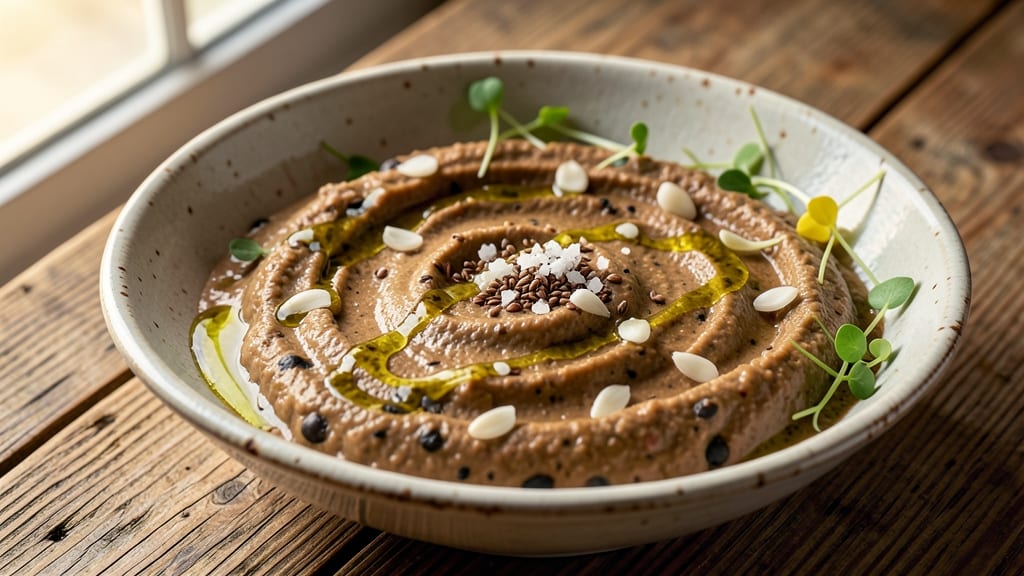
This black bean and chickpea hummus recipe transforms classic hummus into a protein-packed powerhouse with nutty depth and velvety texture. The combination of two legumes creates a richer, creamier base that stands up to bold flavors while delivering serious plant-based protein.
I developed this after testing dozens of variations—this one consistently earns raves for its balance of earthy chickpeas, tender black beans, and aromatic tahini.
The secret lies in proper blending technique: start with dry ingredients to prevent splatter, then gradually add liquids while blending until completely smooth. A splash of lemon juice brightens the flavors while the garlic and olive oil add depth without overpowering.
Unlike traditional hummus, this version maintains its structure even when refrigerated, making it perfect for meal prep.
What you'll end up with is a creamy yet stable hummus that works as a dip, spread, or even a sandwich base. The black beans add natural sweetness that complements the nutty tahini, while chickpeas contribute a satisfying thickness.
It's versatile enough for everyday use but impressive enough for gatherings—just adjust the seasoning to suit your taste.
For extra flavor, consider adding roasted red peppers for smokiness or smoked paprika for warmth. Store in an airtight container with a thin layer of olive oil on top to preserve freshness for up to 5 days. The possibilities are endless—let's make this hummus!
Ingredients for black bean and chickpea hummus
Ten carefully chosen ingredients create a protein-rich hummus that defies traditional boundaries.
| Ingredient | Amount | Notes |
|---|---|---|
| Black Beans 🫘 | 1 ½ cups | Canned, drained and rinsed |
| Chickpeas 🌾 | 1 ½ cups | Canned, drained and rinsed |
| Tahini 🥜 | ½ cup | Sesame paste, high quality |
| Extra-Virgin Olive Oil 🫒 | ½ cup | Lightly fruity variety |
| Fresh Garlic Cloves 🧄 | 4 cloves | Peeled, medium size |
| Fresh Lemon Juice 🍋 | 3 tbsp | Freshly squeezed |
| Ground Cumin 🌿 | 1 tsp | Toasted for depth |
| Diamond Crystal Kosher Salt 🧂 | ½ tsp | Fine grain preferred |
| Ground Black Pepper 🌶️ | ¼ tsp | Freshly ground |
| Cold Water 💧 | ¼ cup | For blending consistency |
The legume foundation matters most here. Black beans contribute natural sweetness and creaminess while chickpeas provide structure and thickness—together they create a texture unlike standard hummus. For best results, use low-sodium canned beans from brands like Bush's or Amy's, available at most grocery stores. The tahini should be 100% sesame paste—avoid brands with added oils or fillers. Store tahini in the fridge after opening to prevent rancidity, and always measure it cold for accurate blending. Garlic quality is non-negotiable; organic garlic from the produce section yields the most flavor.
No tahini? Substitute with 0.25 cup extra olive oil plus 1 tbsp sesame seeds, though texture will differ slightly. Short on black beans? Use white beans at the same quantity—they're equally neutral in flavor. The lemon juice can be swapped for white vinegar at half the amount, though it lacks the bright citrus notes. For extra protein, consider adding 0.5 cup cooked lentils to the blend. The olive oil should be lightly fruity—avoid the peppery varieties that can overpower the delicate legume flavors. If your hummus turns out too thick, add 1 tbsp cold water at a time until reaching desired consistency.
This hummus maintains its structure for 5 days when stored properly. Transfer to an airtight container and press plastic wrap directly onto the surface to minimize oxidation. For longer storage, freeze portions in ice cube trays with a thin layer of olive oil on top—thaw overnight in the fridge. The hummus actually improves after refrigeration as flavors meld. For serving, drizzle with additional olive oil and sprinkle with toasted sesame seeds or smoked paprika. The blend thickens upon standing, so adjust seasoning before serving if needed.
Why You'll Love This Recipe
- Five-Ingredient Magic: I swear by this—just beans, tahini, olive oil, garlic, and a splash of lemon. No fancy gadgets, no stress. The food processor does all the work while I sip my coffee.
- Tahini-Garlic Bomb: That nutty tahini and fresh garlic combo? It’s where this hummus gets its soul. The black beans add depth, but the tahini’s richness makes it dangerously addictive—trust me, I’ve tested it.
- Game for Any Meal: Spread it on toast, toss it into grain bowls, or let it be the star of your charcuterie board. It’s my go-to for lazy Sundays or when I’m prepping lunches for the week—no one turns it down.
- Leftovers That Don’t Suck: Unlike some hummus, this one actually improves overnight. The flavors meld, and it’s still creamy. Plus, it’s cheap to make—canned beans and tahini stretch forever, so I’m always stocked.
Step-by-step instructions for black bean and chickpea hummus
This protein-rich hummus delivers a velvety texture with nutty depth and balanced flavors—here's how to make it perfectly every time.
Prepare the Legumes for Blending
Start by draining and rinsing the 1.5 cups black beans and 1.5 cups chickpeas thoroughly under cold water. This removes excess starch that can make the hummus gummy. I like to press the beans between paper towels to absorb any remaining moisture—this ensures a smoother final texture. Place them in a food processor fitted with the metal blade attachment. The combination of beans creates a thicker, more substantial hummus than traditional chickpea-only versions.
Add the 4 cloves fresh garlic cloves and 1 tsp ground cumin to the processor. Pulse briefly just to break up the garlic and distribute the spices evenly. Avoid over-processing at this stage—you want to preserve some texture for better mouthfeel. The cumin adds warmth that complements the nutty tahini later. Keep the lid on the processor as you'll be adding liquids next.
Blend Wet Ingredients to Smooth Consistency
With the processor running, slowly drizzle in the 0.5 cup extra-virgin olive oil through the feed tube. This gradual addition prevents the processor from seizing up and helps emulsify the oil for a silky texture. After the oil is fully incorporated, add the 0.25 cup cold water and 3 tbsp fresh lemon juice. The water helps thin the mixture to a spreadable consistency, while the lemon juice brightens the flavors and balances the richness.
Blend continuously for 3-4 minutes until the mixture becomes completely smooth with no visible bean chunks. Scrape down the sides of the processor with a spatula every 30 seconds to ensure even blending. You're aiming for a thick, creamy consistency similar to traditional hummus but with a slightly denser body from the black beans. If it's too thick after blending, add 1-2 teaspoons more cold water and blend again.
Incorporate Tahini for Nutty Depth
Transfer the blended bean mixture to a mixing bowl. Add the 0.5 cup tahini and mix thoroughly with a silicone spatula. The tahini adds that signature nutty flavor and helps create a stable emulsion. Start by folding gently to incorporate the tahini completely before increasing to a more vigorous mixing motion. This step is where the hummus develops its characteristic richness and complex flavor profile.
Season generously with 0.5 tsp diamond crystal kosher salt and 0.25 tsp ground black pepper. Taste the mixture and adjust seasoning if needed—the salt should enhance all flavors without being overpowering, while the pepper adds a subtle bite that cuts through the richness. The hummus should be well-seasoned at this stage as it won't absorb additional salt well once fully blended.
Achieve Perfect Texture and Finish
Return the hummus to the food processor and blend for an additional 1-2 minutes to ensure complete integration of all ingredients. This final blending step creates a uniform texture throughout. For a smoother finish, strain the hummus through a fine-mesh sieve into a clean bowl if you prefer an ultra-smooth consistency. The straining removes any remaining skin or fiber that might affect texture.
Transfer to a serving bowl and smooth the top with the back of a spoon. For best results, let the hummus rest at room temperature for 15-20 minutes before serving. This allows the flavors to meld completely and the texture to set slightly. The hummus should be thick enough to hold its shape when spread but still creamy and spreadable. Serve with warm pita bread, fresh vegetables, or as a dip for crispy pita chips.
Pro Tips For Making Black Bean And Chickpea Hummus
- Cook Beans Separately: Black beans and chickpeas have different textures—don’t blend them together straight from the can. Drain, rinse, and cook them separately (black beans in broth for 10 minutes, chickpeas until tender) to control their firmness. I learned this the hard way when my hummus turned mushy because the chickpeas overcooked while the beans stayed too hard.
- Toast Chickpeas First: Dry-roast the chickpeas in a 375°F (190°C) oven for 15 minutes before blending—this deepens their nutty flavor and prevents a raw taste. Skip this, and you’ll end up with hummus that tastes like a sad, underseasoned dip instead of something rich and complex.
- Strain the Tahini: Tahini often hides sediment at the bottom—strain it through a fine-mesh sieve before adding it to the blend. I used to ignore this, and my hummus always had a gritty aftertaste. Takes 30 seconds but makes a real difference in smoothness.
- Blend in Stages: Start with the beans, garlic, and tahini, then pulse until chunky before drizzling in olive oil. Adding oil too early makes the mixture greasy and hard to control. I was skeptical until I tried it—now I never blend it all at once.
Perfect pairings for this recipe
Crispy Veggie Dippers
This hummus pairs perfectly with roasted vegetable sticks that add satisfying crunch. Toss carrots, bell peppers, and cucumbers in 1 tbsp olive oil, ½ tsp smoked paprika, and ¼ tsp salt, then roast at 425°F for 15 minutes until caramelized.
The smoky flavor complements the nutty hummus beautifully. 🥕
Warm Pita Bread
Freshly warmed pita bread is a must for scooping up every last bite. Toast whole-wheat or white pita in a dry skillet over medium heat for 30 seconds per side until puffed and golden.
The warm, chewy texture contrasts perfectly with the cool hummus. For extra flavor, brush with garlic-infused olive oil before serving.
Spicy Roasted Red Pepper
Add a roasted red pepper topping for a smoky, slightly sweet contrast. Blend ½ cup roasted red peppers (jarred or homemade) with 1 tsp smoked paprika and 1 tbsp olive oil, then drizzle over the hummus.
The vibrant color and mild heat elevate the dish instantly. This works especially well with grilled meats or as a vegan spread.
Fruity Pairings
For a sweet-savory combo, serve with fresh apple slices or peach wedges. The natural sweetness of the fruit balances the earthy hummus, creating a refreshing contrast. I like to sprinkle with toasted pine nuts for added crunch. This pairing works wonderfully for brunch or as a light snack.
Protein-Packed Bowls
Use this hummus as a base for grain bowls by spreading it on quinoa or brown rice. Top with grilled chicken, avocado slices, and cherry tomatoes for a protein-rich meal.
The hummus adds creaminess without overpowering the other ingredients. For a fully plant-based option, swap chicken for crispy baked tofu or white beans.
Sweet & Savory Twist
Add a drizzle of honey or maple syrup (about 1 tsp) to the hummus for a sweet-savory balance. This works especially well with savory flatbreads or as a dip for pretzel crisps.
The subtle sweetness enhances the nutty, garlicky flavors while keeping the dish versatile for both sweet and savory cravings. 🍯
Nutrition facts
Frequently asked questions
Why does this hummus have two types of beans?
Combining black beans and chickpeas creates a richer, creamier texture while boosting protein content. Black beans add natural sweetness and thickness, while chickpeas provide structure—together they create a more stable hummus that holds its shape better than traditional versions. The flavor profile becomes more complex too!
Can I make this hummus without tahini?
Yes, but the flavor will be less rich. Replace ½ cup tahini with ¼ cup extra olive oil plus 1 tbsp toasted sesame seeds. For a nut-free version, try ¼ cup almond butter or cashew butter instead. The texture will be slightly lighter but still delicious.
How do I fix hummus that's too thick or too thin?
For thick hummus, add 1-2 tsp cold water at a time while blending. If too thin, stir in 1 tbsp tahini or olive oil and blend again. The key is gradual adjustments—don't overdo it! For best results, let it rest 15 minutes before serving as it thickens naturally.
What's the best way to store leftover hummus?
Transfer to an airtight container and press plastic wrap directly on the surface to prevent oxidation. Store in the fridge for up to 5 days. For longer storage, freeze in ice cube trays with olive oil on top—thaw overnight in the fridge. The flavor actually improves after refrigeration!
Can I use this hummus as a sandwich spread?
This hummus spreads beautifully on sandwiches, wraps, or toast. Its thicker texture from the black beans makes it ideal for holding ingredients together. Try it with grilled veggies, avocado, or smoked salmon for a protein-packed meal. The nutty depth adds amazing flavor to any sandwich!