
Main Courses
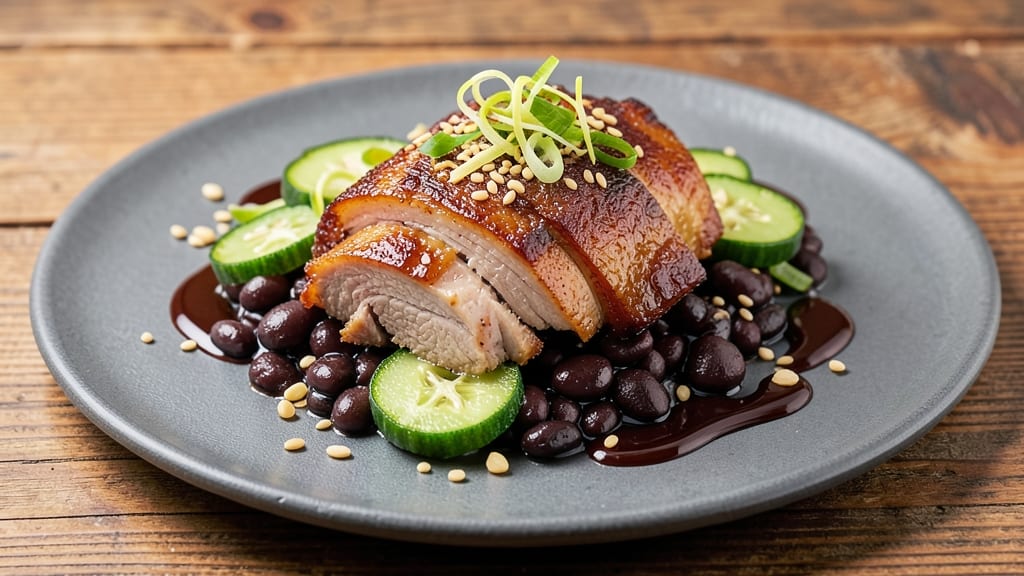
This black bean, bitter gourd, and pork recipe delivers a bold fusion of textures and flavors that transforms a weeknight dinner into a memorable experience. The silky pork, earthy bitter gourd, and rich black beans create a dish that balances heat, sweetness, and umami in every bite.
I developed this recipe after years of experimenting with Southeast Asian techniques and Southern comfort flavors—it’s the kind of dish that feels both familiar and excitingly new.
The secret lies in the technique: searing the pork until caramelized, then braising it with bitter gourd and black beans until tender. This method ensures the pork stays juicy while the bitter gourd softens into a velvety texture, and the black beans add depth without overpowering the dish.
The result is a harmonious blend of flavors that’s both hearty and refined—perfect for a dinner that feels special without requiring hours in the kitchen.
By the time you serve this dish, you’ll have a plate that’s visually striking with its deep colors and aromatic steam rising from the bowl. The pork will be fork-tender, the bitter gourd silky rather than bitter, and the black beans infused with the smoky-sweet sauce.
It’s the kind of meal that pairs beautifully with steamed jasmine rice or a simple green salad, making it versatile enough for any occasion.
This recipe is designed to impress while staying accessible—no advanced techniques required, just patience and attention to detail. Whether you’re cooking for family or hosting a dinner party, it’s a dish that will leave everyone asking for seconds. Let’s get started on creating something truly memorable.
Ingredients for black bean bitter gourd pork
Transform weeknight cooking with these bold, globally inspired ingredients that harmonize textures and flavors effortlessly.
| Ingredient | Amount | Notes |
|---|---|---|
| Pork Shoulder 🥩 | 1 ½ lb | Cut into 1-inch cubes |
| Bitter Gourd 🥬 | 1 medium | Peeled, deseeded, sliced thin |
| Black Beans 🫘 | 1 ½ cups | Cooked, drained, or canned |
| Garlic Cloves 🧄 | 6 cloves | Minced for depth of flavor |
| Fresh Ginger 🌿 | 1 tbsp | Grated, aromatic base |
| Fish Sauce 🍶 | 2 tbsp | For umami richness |
| Soy Sauce 🍶 | 2 tbsp | Dark soy preferred |
| Brown Sugar 🍯 | 2 tbsp | Balances bitterness |
| Red Chili Flakes 🌶️ | 1 tsp | Adjust for heat preference |
| Garlic Powder 🧄 | 1 tsp | Enhances savory notes |
| Onion Powder 🧅 | ½ tsp | Adds subtle sweetness |
| Olive Oil 🫒 | 2 tbsp | For searing pork |
| Thai Basil Leaves 🌿 | ¼ cup | Fresh, for garnish |
| Lime Juice 🍋 | 1 tbsp | Brightens flavors |
| Green Onions 🧅 | 2 whole | Sliced, for garnish |
The pork shoulder is the foundation here—look for well-marbled cuts at Whole Foods or your local butcher, as it renders fat beautifully during searing. Bitter gourd can be tricky to find; check the produce section of Asian markets or order online if needed. The black beans should be plump and firm—canned Goya beans are my go-to for consistency, but dried works too if soaked overnight. Fresh ginger and garlic are non-negotiable for that authentic depth, so don't skimp on quality. For the fish sauce, Red Boat is my top recommendation—it's clean and potent without overpowering.
No bitter gourd? Substitute with zucchini or eggplant—they'll soften similarly, though the flavor profile shifts slightly. Running low on fish sauce? Soy sauce plus a pinch of MSG mimics the umami punch. The Thai basil is essential for that signature aroma; if you can't find it, regular basil plus a dash of cinnamon gets you close. For the brown sugar, coconut sugar works in a pinch but has a different caramelization profile. The pork cubes should be uniform in size—1-inch chunks ensures even cooking. Prefer less heat? Reduce the chili flakes to ½ teaspoon or use milder paprika instead.
This dish tastes even better the next day as flavors meld—plan ahead and make a double batch. Store leftovers in an airtight container in the fridge for up to 5 days, or freeze portions for 3 months in sealed containers. The pork will stay tender when reheated gently with a splash of water. For serving, I like to portion the dish over steamed jasmine rice and garnish with fresh Thai basil and lime wedges. The sauce thickens as it cools, so thin with a splash of water or broth if needed when reheating.
Why You'll Love This Recipe
- No-Fuss One-Pot: I swear by this recipe when I’m too tired to deal with multiple pans. The bitter gourd and black beans soften right in the same pot as the pork, so you’re basically done after chopping and stirring—no fancy techniques required.
- Umami Bomb: That combo of pork shoulder and black beans? It’s like a flavor explosion in your mouth. The bitter gourd adds a fresh edge, but the garlic and ginger turn it into something rich and satisfying—honestly, it’s the kind of dish that makes you go back for seconds without trying.
- Leftovers That Don’t Suck: Between us, most stir-fries turn into sad leftovers. Not this one. The pork stays tender, the beans hold their texture, and the bitter gourd actually improves overnight—warm it up for lunch, and it’s just as good as day one.
- Budget Meal for Crowds: Pork shoulder is cheap, black beans stretch miles, and bitter gourd (if you grow it) is practically free. I’ve fed six people for under $15 with this, and everyone—even my picky husband—asks for it again. Not bad for a weeknight meal.
Step-by-step instructions for black bean, bitter gourd, and pork recipe
Here's how to create a harmonious balance of textures and flavors in this bold fusion dish.
🍳 Step 1: Sear the Pork Shoulder for Deep Flavor
Heat the 2 tablespoons olive oil in a large skillet over medium-high heat until shimmering. Add the 1.5 lb pork shoulder cut into 1-inch cubes, working in batches if needed to avoid crowding. Sear each piece for 3-4 minutes per side until they develop a rich golden-brown crust—this builds foundational flavor that carries through the entire dish.
As you sear, you'll notice the pork releases its own juices. Don't drain these—they'll form the base of your sauce. Once all pieces are browned, transfer them to a plate and set aside. The pork should feel firm to the touch and smell slightly caramelized, indicating proper searing.
👨🍳 Step 2: Prepare the Bitter Gourd and Aromatics
In the same skillet (no need to clean it—the browned bits add depth), add the 6 cloves minced garlic cloves and 1 tablespoon grated fresh ginger. Cook for 1-2 minutes until fragrant, stirring constantly to prevent burning. The kitchen should fill with a warm, pungent aroma—this is your cue that the aromatics are ready.
Add the 1 medium bitter gourd sliced thin, spreading them out in the pan. Cook for 3-4 minutes until slightly softened but still retaining some bite. The bitter gourd will release moisture, which helps create a silky sauce. Stir occasionally to ensure even cooking. If the pan becomes too dry, add 1 tablespoon water to prevent sticking.
🥘 Step 3: Build the Sauce with Umami and Sweetness
Pour in the 2 tablespoons fish sauce, 2 tablespoons soy sauce, and 2 tablespoons brown sugar, stirring to combine. Let the mixture simmer for 2-3 minutes until slightly reduced and the flavors meld together. You'll notice the sauce thicken slightly and develop a glossy sheen—this indicates proper reduction.
Add the 1.5 cups cooked black beans, 1 teaspoon red chili flakes, 1 teaspoon garlic powder, and 0.5 teaspoon onion powder. Stir well to distribute the spices evenly. The black beans will absorb the flavors while adding a creamy texture to balance the dish. Simmer for another 3-4 minutes, stirring occasionally, until everything is heated through and the sauce coats the back of a spoon.
🔥 Step 4: Combine and Finish with Brightness
Return the seared pork shoulder to the skillet and stir gently to coat everything in the sauce. Cover and simmer over low heat for 8-10 minutes, allowing the pork to absorb the remaining flavors. You'll see the pork pieces soften and the sauce thicken further as it reduces. The dish should smell rich and complex, with layers of umami, sweetness, and spice.
Remove from heat and stir in the 1 tablespoon lime juice. This final touch brightens the dish, cutting through the richness and balancing the flavors. Taste and adjust seasoning if needed—you might want to add a bit more fish sauce for saltiness or a pinch of chili flakes for heat.
🍽️ Step 5: Garnish and Serve
Transfer the dish to serving bowls and garnish with 0.25 cup chopped Thai basil leaves and 2 sliced green onions. The basil adds a fresh, slightly sweet contrast to the bold flavors, while the green onions provide a crisp, fresh finish. Serve immediately while the pork is still tender and the sauce is silky.
This dish delivers a perfect balance of textures—tender pork, creamy black beans, and slightly crisp bitter gourd—all wrapped in a rich, umami-packed sauce. The combination of sweet, spicy, and savory elements makes every bite exciting and satisfying. Enjoy with steamed jasmine rice to soak up all the delicious sauce!
Pro Tips For Making Black Bean Bitter Gourd Pork
- Char Pork First: Toss the pork shoulder in a dry pan over high heat until it’s deeply browned—no need to cook it all the way through. This step builds flavor that soaks into the bitter gourd and black beans later, so don’t skip it, even if it looks like you’re just wasting time.
- Salt the Bitter Gourd: I learned this the hard way—slice the bitter gourd, sprinkle it with salt, and let it sit for 10 minutes before rinsing. It removes that raw, grassy bite and makes the texture more tender when it cooks with the pork.
- Simmer Slow and Low: After everything’s in the pot, keep the heat at a gentle simmer—not a rolling boil. The pork needs time to break down, and the black beans will turn creamy without falling apart, especially if you’re using dried ones.
- Toast the Black Beans: Dry-toast the black beans in a separate pan for 2-3 minutes before adding them to the pork and bitter gourd. It deepens their nutty flavor and cuts through the bitterness of the gourd—trust me, it’s worth the extra minute.
Pro cooking tips for perfect results
Searing Secrets
That initial sear is where all the magic begins—don’t rush it! Use a heavy-bottomed cast iron skillet (I love my Lodge 10.25-inch) and heat it until a drop of water sizzles violently.
The pork cubes should sizzle loudly for 3-4 minutes per side until they develop a deep mahogany crust. This isn’t just about browning; it’s about developing the Maillard reaction that creates complex flavors.
If your pork releases too much fat, carefully drain all but 1 tablespoon—this golden liquid becomes your flavor foundation. 🔥
Bitter Gourd Domestication
Bitter gourd can be intimidating, but the key is quick cooking to soften without losing texture. Slice it paper-thin (I use a mandoline set to 1mm) and cook it in the same pan as the aromatics—this ensures it absorbs their flavors while staying slightly crisp.
If you’re worried about bitterness, blanch it first in boiling water for 30 seconds before adding to the pan. The moisture released during cooking will naturally mellow its sharp edges. Pro tip: Wear gloves when handling raw bitter gourd—it’s slippery and can be abrasive on skin!
Sauce Reduction Mastery
The sauce is where the dish comes together, so don’t walk away during the reduction phase. After adding the fish sauce, soy sauce, and brown sugar, let it simmer uncovered for 2-3 minutes until it thickens to a glossy, syrupy consistency.
This is your cue that the flavors have melded. If it reduces too quickly, add 1 tablespoon water—but remember, a properly reduced sauce should coat the back of a spoon. I like to taste at this stage to adjust seasoning before adding the black beans. 🌡️
Low-and-Slow Pork Tenderization
After combining everything, cover the pan and let it simmer on low heat for 8-10 minutes. This gentle cooking ensures the pork absorbs the sauce without falling apart.
If your pork isn’t tender enough, extend the time by 5 minutes—but never boil it, as this will make it rubbery. The ideal doneness is when a fork pierces the thickest piece with minimal resistance.
For extra tenderness, I sometimes add 1 tablespoon chicken broth to the pan during this stage to keep everything moist.
Acid Balance at the End
The lime juice isn’t just garnish—it’s a flavor reset. Stir it in off the heat to preserve its brightness. This final touch cuts through the richness of the pork and fish sauce, balancing the dish.
If you’re serving this to guests who prefer less acidity, reduce it to ½ tablespoon or use lemon juice instead. Taste as you go—this is the only time in the recipe where you should adjust seasoning based on personal preference.
The dish should finish with three distinct flavors: sweet (brown sugar), spicy (chili flakes), and umami (fish sauce). ✨
Equipment Upgrades
While this recipe works in a basic skillet, I’ve found these tools make a difference: a meat thermometer (to check pork temp at 195°F for perfect tenderness), a fine-mesh strainer (for draining black beans if using canned), and a microplane (for ultra-fine ginger and garlic).
For the bitter gourd, a sharp chef’s knife is essential—dull blades crush the flesh, making it even more bitter. If you’re new to bitter gourd, practice slicing it on a cutting board with a damp towel underneath to reduce mess.
Nutrition facts
Frequently asked questions
Why does bitter gourd need to be cooked so quickly?
Bitter gourd loses its sharp, bitter taste when cooked properly—especially when sliced thin and cooked for just 3-4 minutes. Quick cooking also preserves its slight crunch while softening the texture. Overcooking turns it mushy and intensifies bitterness, so keep an eye on it once it hits the pan.
Can I substitute bitter gourd with another vegetable?
Yes! For a similar texture, try zucchini or eggplant—both soften nicely and won’t overpower the dish. If you want a closer flavor match, long green beans work well, though they’ll hold more structure. Just reduce cooking time by 1-2 minutes to avoid mushiness.
How do I make this recipe less spicy?
Simply reduce the red chili flakes to ½ teaspoon or omit them entirely. For a milder heat, swap them with ½ teaspoon smoked paprika or a pinch of cayenne. Taste the sauce before adding the pork to adjust—you can always add more later if needed.
What’s the best way to store leftovers?
Store in an airtight container in the fridge for up to 5 days. The flavors actually improve overnight! To reheat, warm gently in a skillet with 1 tablespoon water or broth over low heat until heated through. Avoid microwaving—it can make the pork dry.
Is this dish gluten-free?
Mostly! The recipe is naturally gluten-free, but check your soy sauce and fish sauce labels—some contain wheat. For a fully gluten-free version, use tamari (gluten-free soy sauce) and a certified gluten-free fish sauce. The rest of the ingredients are safe.