
Soups & Stews
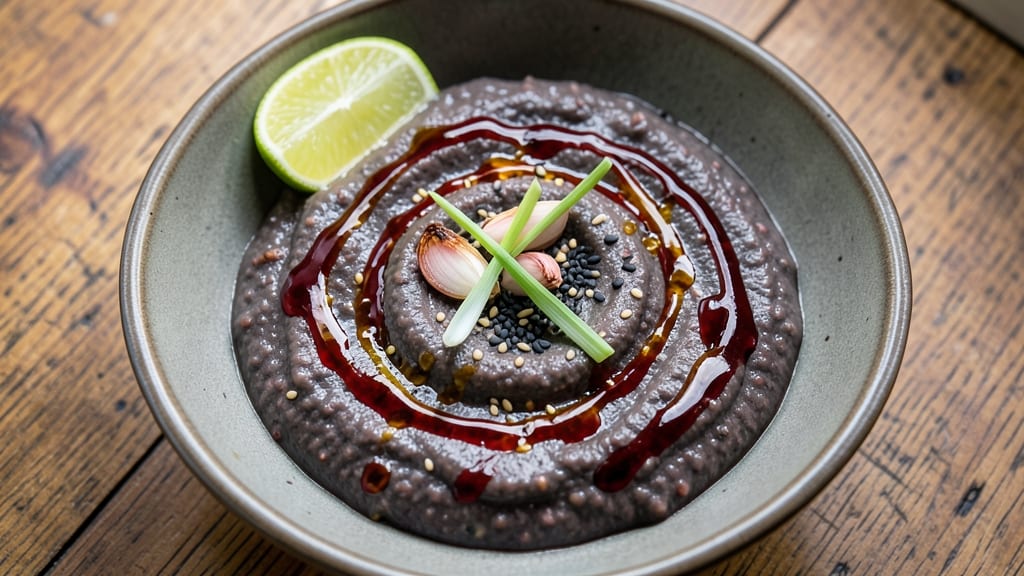
This black bean chili oil recipe transforms simple ingredients into a bold, umami-packed condiment that adds depth to any dish. The combination of smoky chili oil, tender black beans, and aromatic garlic creates a sauce that's rich, slightly spicy, and impossible to resist.
What makes this recipe special is its versatility—drizzle it over noodles, rice, or salads for an instant flavor boost that elevates even the simplest meal.
The process is straightforward: blend cooked black beans with chili oil, garlic, and a touch of soy sauce for balance, then simmer until the flavors meld into a smooth, velvety texture.
No fancy equipment is needed—just a blender and a saucepan. The result is a vegan-friendly, restaurant-quality sauce that delivers layers of smoky, spicy, and savory notes in every bite.
What you'll end up with is a versatile condiment that's as easy to make as it is to use. The black beans add body and protein, while the chili oil brings heat and smokiness.
This isn't just a sauce—it's a flavor enhancer that turns ordinary dishes into something extraordinary. Perfect for meal prep or last-minute dinners, it keeps well in the fridge for up to a week.
Whether you're drizzling it over ramen, mixing it into dressings, or using it as a dip, this black bean chili oil will become a staple in your kitchen. The best part? It's foolproof, requiring just 15 minutes of active time and minimal ingredients. Let's get started!
Ingredients for black bean chili oil
Nine simple ingredients create a bold, umami-rich condiment perfect for elevating any dish.
| Ingredient | Amount | Notes |
|---|---|---|
| Cooked Black Beans 🫘 | 1 ½ cups | Canned or cooked from dry |
| Chili Oil 🌶️ | 1 cup | Homemade or store-bought |
| Garlic Cloves 🧄 | 4 cloves | Freshly minced for aroma |
| Soy Sauce 🍶 | 1 tbsp | Tamari for gluten-free option |
| Sesame Oil 🫒 | 1 tbsp | Toasted for nutty depth |
| Lime Juice 🍋 | 1 tbsp | Freshly squeezed for brightness |
| Ginger Root 🌿 | ½ tsp | Freshly grated for warmth |
| Red Chili Flakes 🌶️ | ½ tsp | Adjust for heat preference |
| Maple Syrup 🍯 | ½ tsp | Balances heat and sweetness |
| Water 💧 | ¼ cup | For blending consistency |
The chili oil is the backbone of this sauce—homemade works best for smoky depth, but store-bought brands like La Choy or Lee Kum Kee cut it if you're short on time. For the black beans, canned low-sodium varieties save prep time, but cooked from dry offers richer flavor. Look for firm, plump beans with no soft spots. Garlic and ginger should be fresh—no musty smells, and sesame oil? Toasted makes all the difference. Grab these at the Asian market for the freshest options, or the world foods aisle at Whole Foods if you're shopping mainstream.
No chili oil? Sriracha mixed with olive oil works in a pinch (1:1 ratio), though it lacks the authentic smokiness. Short on sesame oil? Avocado oil or neutral oil keeps the texture smooth. The maple syrup balances heat—agave or coconut sugar are fine swaps. For extra umami, add 1 tsp miso paste to the blend. If your beans are dry, soak them first. And yes, lime zest can replace juice if you prefer—just use half the amount. The sauce thickens as it cools, so add a splash of water if needed during blending.
Store in an airtight jar in the fridge for up to 1 week, or freeze for 3 months in ice cube trays for single servings. The flavors deepen over time, so make extra—it disappears fast. Drizzle over ramen, mix into dressings, or use as a dip for veggie sticks. For a smoother texture, strain through a fine-mesh sieve after blending. And if it gets too thick, thin with vegetable broth or a splash of water.
Why You'll Love This Recipe
- No-Chop Necessary: I swear by this one—just mash those cooked black beans with a fork, mix in store-bought chili oil (because who’s chopping chilies?), and toss in minced garlic. Honestly, the hardest part is deciding whether to drizzle it over rice or noodles first.
- Umami Bomb: That combo of soy sauce and sesame oil? It turns simple beans into something ridiculously good. The chili oil adds heat, but the garlic and beans keep it from being one-note—more like a full orchestra in your mouth.
- Game for Any Meal: Between us, this is my lazy Sunday brunch dip, my weeknight stir-fry upgrade, and even my go-to for game day snacks. Slather it on toast, toss it with eggs, or let it sit in a bowl for dipping—it’s that flexible.
- Pantry Magic: I make a big batch (it keeps for weeks in the fridge) and use it like ketchup—except way better. Uses up leftover beans, costs next to nothing, and saves me from takeout when I’m too tired to think. That’s real savings.
Step-by-step instructions for black bean chili oil
Transform simple ingredients into a complex, flavor-packed condiment with this straightforward method.
Prepare the Black Bean Base
In a high-speed blender, combine the 1.5 cups cooked black beans with the 0.25 cup water. This liquid helps create a smooth, blendable texture without making the mixture too thick. Blend until completely smooth—you should have a thick, paste-like consistency. If any lumps remain, strain the mixture through a fine-mesh sieve to achieve a silky texture.
This step is crucial for balancing the flavors later. The black beans provide umami depth and a natural sweetness that complements the heat and smokiness of the chili oil. Don't skip the blending process—it ensures even distribution of flavors in the final product.
Toast the Aromatics
Heat a small skillet over medium heat and add the 4 cloves minced garlic cloves and 0.5 tsp grated ginger root. Toast for 1-2 minutes until fragrant and just beginning to turn golden. Be careful not to let them burn—garlic burns quickly and turns bitter. Immediately transfer the toasted aromatics to a small bowl and set aside.
The toasting process enhances the natural flavors of the garlic and ginger, adding complexity to the finished oil. This step is where the foundation of your chili oil's aroma is built. If you're sensitive to raw garlic flavor, this toasting step will mellow it out beautifully.
Infuse the Chili Oil
In the same skillet (cleaned if needed), heat the 1 cup chili oil over low heat. Add the toasted garlic and ginger mixture, along with the 0.5 tsp red chili flakes. Stir constantly for 2-3 minutes until the chili flakes darken slightly and the oil becomes infused with their color and heat. Remove from heat immediately to prevent burning.
The low heat is key here—it allows the chili flakes to release their oils and aroma without scorching. You'll see the oil take on a deep red hue and smell intensely spicy. This infusion process creates the signature heat and smoky depth of chili oil.
Combine and Balance Flavors
Add the blended black bean mixture to the infused chili oil. Stir in the 1 tbsp soy sauce, 1 tbsp sesame oil, 1 tbsp lime juice, and 0.5 tsp maple syrup. Cook over very low heat for 3-4 minutes, stirring constantly, until everything is fully incorporated and heated through. The mixture should be smooth and well-combined, with a glossy sheen.
This is where all the flavors come together. The soy sauce adds saltiness, the sesame oil contributes nutty depth, the lime juice brightens everything up, and the maple syrup balances the heat. Taste as you go—you may need to adjust seasoning slightly. The final product should be rich, slightly sweet, and properly spicy.
Cool and Store
Transfer the black bean chili oil to a clean, airtight container. Let it cool completely to room temperature before sealing. Store in the refrigerator for up to 2 weeks or freeze for longer storage. The flavors will continue to meld and deepen as it sits, making it even more complex over time.
This chili oil is incredibly versatile—use it as a dipping sauce, drizzle over noodles, or finish dishes for an extra layer of flavor. The black beans add a unique, velvety texture that sets this chili oil apart from traditional versions. Enjoy immediately or let it sit for a day to develop even more depth of flavor.
Pro Tips For Making Black Bean Chili Oil
- CRUSH THE GARLIC: Mince it finely—not just chopped, but almost paste-like—so it blends smoothly into the oil without clumping. I used to leave it in big chunks, and it’d just sit there like a textured afterthought. A quick pulse in the food processor does the job faster than a knife, and the flavor distributes evenly.
- SALT THE BEANS FIRST: Toss the cooked black beans with a pinch of salt before adding them to the chili oil mixture. This balances their natural starchiness and prevents the soy sauce from tasting flat later. I learned this the hard way—plain beans in a salty sauce always feel off.
- LOW AND SLOW: Simmer the whole thing on medium-low for 8–10 minutes, not a rolling boil. High heat burns the garlic and turns the sesame oil bitter. Stir occasionally to keep the beans from sticking—this isn’t a race, and patience here makes the difference.
- TOAST THE SESAME OIL: Warm the sesame oil alone in the pan for 30 seconds before adding anything else. This deepens its nutty aroma and prevents it from competing with the garlic’s flavor. Skip this, and the dish just smells like soy sauce with a hint of oil.
Essential equipment for perfect results
Blender Essentials
You’ll need a high-speed blender to achieve that silky, lump-free texture. I swear by the Ninja BN601—it handles thick bean blends effortlessly. If you’re on a budget, the Hamilton Beach 58340 works too, though you might need to pulse and rest the mixture.
Avoid cheap blenders; they’ll leave you with a grainy, unsatisfying sauce. 💫
Skillet Requirements
A small, heavy-bottomed skillet (8-inch) is ideal for toasting aromatics and infusing the chili oil. My go-to is a Lodge cast iron—it distributes heat evenly and prevents burning.
For non-stick convenience, a Calphalon stainless steel pan works well too. Just keep heat low to medium to avoid scorching garlic or chili flakes.
Storage Containers
Use airtight glass jars (like Le Parfait 16-ounce mason jars) to preserve freshness and prevent oxidation. The glass keeps flavors pure and makes it easy to spot any separation.
For freezing, opt for silicone ice cube trays—they’re perfect for portion control and thaw quickly. Label containers with the date to track freshness.
Fine-Mesh Sieve
A fine-mesh strainer (like the OXO Good Grips) is your secret weapon for ultra-smooth chili oil. If you skip blending or straining, you’ll end up with a chunky, uneven texture.
I strain my mixture twice for that restaurant-quality finish. For a budget option, a collapsible nylon strainer from Amazon works just as well.
Measuring Tools
Precision matters! Invest in a stainless steel measuring spoons set (like OXO’s) for accurate spice and liquid measurements. A digital kitchen scale (e.g., Escali Primo) is a game-changer for weighing ginger or chili flakes if you prefer grams.
Avoid plastic spoons—they can absorb flavors and throw off your balance.
Nutrition facts
Frequently asked questions
Can I make this black bean chili oil without a blender?
Yes, but the texture will be thicker and chunkier. Mash the cooked black beans with a fork or potato masher until smooth, then strain through a fine-mesh sieve to remove any lumps. For a smoother result, press the mashed beans through the sieve using a spoon. The sauce will still taste delicious but won't have that silky, restaurant-quality consistency.
How can I adjust the heat level in this chili oil?
Start by reducing the red chili flakes to 0.25 tsp for mild heat, or increase to 1 tsp for extra spice. For a smoky kick without heat, swap chili flakes for 1 tsp smoked paprika. Taste as you go—you can always add more chili flakes later if needed, but you can't remove excess heat once it's in!
What are the best ways to use this chili oil?
Drizzle it over steamed rice, ramen, or noodles for instant flavor. Use it as a dip for spring rolls or veggie sticks, or mix it into dressings for salads. It also elevates grilled meats, tofu, or even popcorn! For extra richness, stir a spoonful into soups or stews during the last 5 minutes of cooking.
Why did my chili oil separate after storing?
This is normal! The black beans and oil naturally separate when refrigerated. Before using, stir vigorously or gently warm the jar in a bowl of hot water for 10-15 seconds to restore the smooth texture. To prevent separation, stir well before storing and consider adding 1/2 tsp xanthan gum to the blended bean mixture for extra stability.
Can I substitute other beans for black beans?
Yes, but texture and flavor will change. Kidney beans or pinto beans work well for a similar earthy taste, while white beans create a lighter sauce. For a creamier result, try 1 cup cooked lentils instead. Just remember that darker beans add more richness, while lighter beans make the oil less intense—adjust the chili flakes accordingly!