
Salads
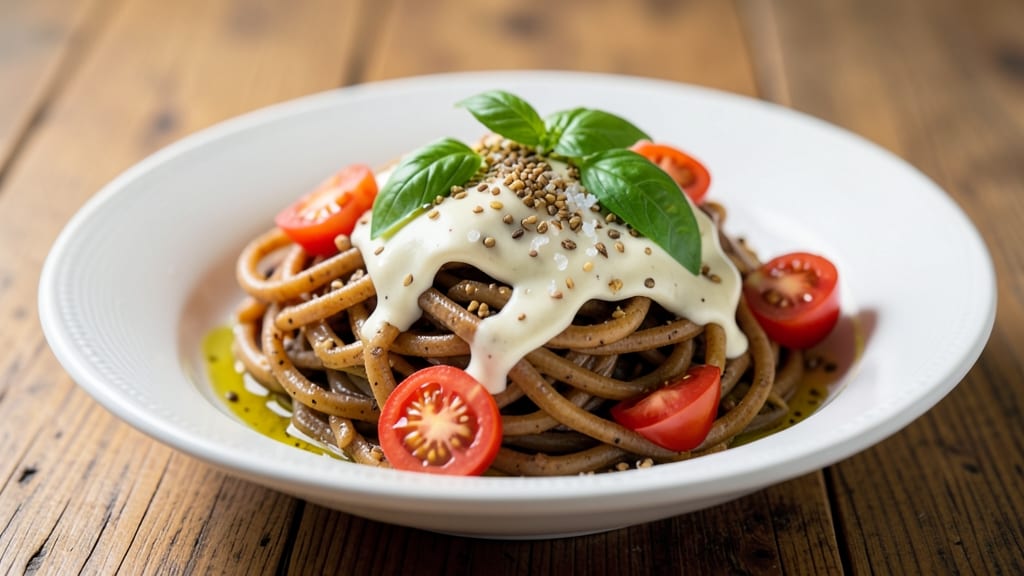
This black bean flour pasta recipe transforms traditional noodles into a nutty, protein-packed alternative that rivals classic wheat pasta. 🌱 The secret lies in black bean flour’s earthy depth and natural binding properties, creating a dough that’s sturdy yet tender—perfect for those seeking gluten-free or high-protein options.
What sets this apart is the ability to achieve restaurant-quality texture without sacrificing flavor or nutritional benefits.
The process is surprisingly straightforward: blend black bean flour with water and olive oil to form a smooth dough, rest it for 30 minutes, then roll it thin for that signature al dente bite.
Unlike traditional pasta, this version absorbs sauces beautifully while adding plant-based protein and fiber to every bite. The nutty flavor pairs wonderfully with bold tomato-based sauces, creamy pesto, or even a simple garlic-infused olive oil.
What you’ll end up with is a hearty, satisfying pasta that’s rich in texture and nutrition—ideal for hearty weeknight dinners or elegant plant-based meals. The key is patience during the resting phase, which ensures the dough holds its shape when boiled.
Serve with roasted vegetables, a crisp salad, or your favorite sauce for a complete, balanced dish.
This recipe isn’t just about taste; it’s about reimagining pasta with ingredients that deliver both flavor and functional benefits. Whether you’re gluten-sensitive, plant-based, or simply curious about alternative flours, this black bean pasta delivers on texture, nutrition, and versatility—without compromising on that classic pasta experience.
Ingredients for black bean flour pasta
Pantry staples meet plant-powered innovation—just these 11 ingredients transform into restaurant-quality pasta.
| Ingredient | Amount | Notes |
|---|---|---|
| Black Bean Flour 🌱 | 2 cups | High-protein, finely milled preferred |
| Extra-Virgin Olive Oil 🫒 | ½ cup | Cold-pressed, fruity variety |
| Water 💧 | ¾ cup | Room temperature preferred |
| Sea Salt 🧂 | 1 ½ tsp | Fine grain, Diamond Crystal preferred |
| Nutritional Yeast 🧀 | 1 tbsp | For cheesy depth and B vitamins |
| Ground Flaxseed 🌾 | 1 tbsp | For binding and omega-3 boost |
| Garlic Powder 🧄 | 1 tsp | Freshly ground preferred |
| Dried Basil 🌿 | ½ tsp | Or 1 tbsp fresh chopped |
| Semolina Flour 🌾 | ¼ cup | For dusting and texture (optional) |
| Lemon Juice 🍋 | 1 tbsp | Freshly squeezed for brightness |
| Vegetable Oil 🫒 | 2 tbsp | For cooking pasta |
The black bean flour is the star here, and Bob's Red Mill or Anthony's Goods brands deliver the best texture. Look for a fine grind—coarser flour can make the dough grainy. If you can't find black bean flour, chickpea flour works in a pinch (though texture will differ slightly). The extra-virgin olive oil should be fruity and peppery—none of that bland supermarket stuff. Freshly ground flaxseed makes all the difference (the coffee grinder is perfect for this), but pre-ground works too if you're in a hurry. For the nutritional yeast, BraggNutritional Yeast Company are my go-tos—they've got that perfect cheesy, umami kick.
No black bean flour? Substitute with 1.5 cups chickpea flour plus 0.5 cup tapioca starch for better elasticity. Running low on olive oil? Avocado oil works just as well—it's neutral enough not to overpower. The semolina is optional but worth it for that classic pasta feel. If you skip it, just dust your rolling surface with regular flour. For the garlic powder, Penzeys or McCormick are solid choices, but toasted garlic powder adds an extra layer of depth. Want to kick up the flavor even more? Add a pinch of smoked paprika to the dough mix—trust me, it's a game-changer. And if you're feeling fancy, infuse the olive oil with a few crushed red pepper flakes before mixing.
This dough needs 30 minutes of rest—don't skip it! Cover it with a damp towel and let it relax while you prep your sauce. The pasta keeps in the fridge for 3 days if stored in an airtight container with a layer of olive oil on top (prevents sticking). For longer storage, freeze portions on a floured tray, then transfer to a bag for up to 3 months. When ready to cook, boil in well-salted water for 2-3 minutes—it's thinner than traditional pasta, so watch it closely. The best part? Leftovers reheat beautifully—just toss with a little olive oil and fresh herbs.
Why You'll Love This Recipe
- Five-Ingredient Magic: I swear, this pasta comes together with fewer ingredients than my grocery list for a normal night. Just flour, water, oil, salt, and nutritional yeast—no fancy pantry items, no last-minute store runs.
- Nutty, Earthy Depth: The black bean flour isn’t just for color—it adds a rich, toasty flavor that’s almost like almond pasta’s cooler cousin. Toss in a little garlic and olive oil, and suddenly your dinner tastes like it simmered for hours (but didn’t).
- Leftover Reinvention: This pasta holds up like a champ. Toss cold leftovers with roasted veggies for lunch or blend into a quick frittata—no sad, mushy texture here. Honestly, I’ve had it three days in a row and still crave it.
- Budget Meal Hero: A single bag of black bean flour makes enough pasta to feed four for under $5. That’s a steal when you’re buying regular pasta for half the servings. Plus, nutritional yeast adds that cheesy kick without the price tag.
Step-by-step instructions for black bean flour pasta
Here's how to craft your own nutty, protein-packed pasta that rivals traditional wheat noodles.
👨🍳 Step 1: Mix the Dough with Perfect Hydration
In a large mixing bowl, combine the 2 cups black bean flour, 1 tbsp nutritional yeast, 1 tbsp ground flaxseed, 1 tsp garlic powder, and 0.5 tsp dried basil. The black bean flour should smell earthy and slightly nutty—this is your flavor foundation. Create a well in the center and add 0.5 cup extra-virgin olive oil and 0.75 cup water. The mixture will look dry at first, but don't panic.
Using a wooden spoon or dough whisk, gradually incorporate the wet ingredients into the dry flour. You'll notice the dough starts to clump together as the flaxseed begins to bind. After about 2 minutes of mixing, the dough should form a shaggy mass that pulls away from the sides of the bowl. This is normal—the gluten-free nature of black bean flour creates a different texture than wheat-based doughs. If it's still too crumbly, add 1 tsp more water at a time until it comes together into a cohesive, slightly sticky dough.
🥘 Step 2: Knead and Rest for Optimal Texture
Turn the dough out onto a lightly floured surface (use the 0.25 cup semolina flour if needed) and knead gently for 3-4 minutes. Unlike traditional pasta dough, black bean flour dough doesn't develop gluten, so you're not looking for elasticity—just a smooth, uniform texture. The dough should be soft but not sticky; if it sticks to your hands, add a tiny bit more semolina flour.
Here's the thing—black bean flour dough benefits from a short rest. Wrap the dough tightly in plastic wrap and let it rest at room temperature for 30 minutes. This allows the flaxseed to fully hydrate and the flavors to meld. I know it seems counterintuitive to wait when you're eager to roll out the pasta, but trust me on this step. The resting period prevents cracking during rolling and ensures a more even texture in your final noodles.
🍳 Step 3: Roll and Cut with Precision
After resting, divide the dough into 4 equal portions (about ½ cup each). Working with one portion at a time, place it between two sheets of parchment paper. Using a pasta machine set to the widest setting (usually 1), roll the dough through 2-3 times until it's about ⅛-inch thick. Fold the parchment-wrapped dough in half and roll again through the machine to create even thickness.
Now for the fun part—cutting! Transfer the rolled dough to a clean surface and use a sharp knife or pasta cutter to slice it into ¼-inch wide strips. For fettuccine-style noodles, cut lengthwise into ½-inch wide strips. If your dough feels too sticky, dust lightly with semolina flour between cuts. The noodles should be uniform in width—this ensures even cooking. Lay them out on a floured baking sheet and cover with a clean kitchen towel to prevent drying.
🔥 Step 4: Cook to Al Dente Perfection
Bring a large pot of water to a rolling boil and add 1.5 tsp sea salt. Once boiling, add the pasta in batches (don't overcrowd the pot). The water should return to a full boil within 1-2 minutes. Stir gently to prevent sticking, and cook for 3-4 minutes. Unlike wheat pasta, black bean pasta cooks faster due to its dense composition.
Test for doneness by tasting a piece—it should be tender but still offer a slight resistance (al dente). The noodles should float to the surface when they're ready. Immediately drain in a colander and rinse briefly with cold water to stop the cooking process. Toss the drained pasta with 1 tbsp lemon juice while still hot—this brightens the nutty flavors and prevents the noodles from sticking together.
🥘 Step 5: Finish with Olive Oil and Herbs
Transfer the cooked pasta to a large bowl and add 2 tbsp vegetable oil and the remaining 1 tbsp lemon juice. Toss vigorously with tongs or a wooden spoon until the noodles are evenly coated. This step creates a silky finish and prevents the pasta from clumping. The lemon juice also cuts through the richness of the black bean flour, balancing the nutty flavor profile.
For serving, divide the pasta among plates and top with your favorite sauce. I like to pair this pasta with a simple garlic olive oil sauce or a light tomato-based marinara. The texture should be firm yet tender, with a satisfying bite that holds up well to rich sauces. Each bite delivers that nutty, earthy flavor from the black beans while maintaining the classic pasta experience you love.
Pro Tips For Making Black Bean Flour Pasta
- STIR CONSTANTLY FOR 5 MINUTES: Black bean flour loves to clump like a stubborn teenager. The first 5 minutes of mixing are when it either becomes a smooth batter or turns into a lumpy mess—no in-between. Use a whisk or fork and don’t let your arm get tired, because that’s when the magic (or the disaster) happens.
- SIFT THE FLOUR FIRST: I learned this the hard way—skipping the sift means you’re fighting tiny flour pockets that refuse to hydrate. Even if the bag isn’t labeled "sifted," give it 10 seconds with a fine-mesh strainer. Your pasta will cook evenly, and you’ll avoid that sad, dense bite in the middle.
- DON’T OVERMIX THE DOUGH: Once the water hits the flour, stop stirring the second everything comes together. Overworking it makes the pasta tough and chewy—like eating a rubber band. The dough should look like thick pancake batter, not a gluey disaster. Trust your eyes, not your urge to "fix" it.
- LET IT REST (YES, EVEN IF YOU’RE IMPATIENT): This isn’t the prettiest method, but it’s the tastiest. After mixing, cover the dough and let it sit for at least 30 minutes. The gluten relaxes, the flavor deepens, and rolling it out becomes 100 times easier. I know, I know—you want to roll it now—but resist the urge. Your future self will thank you.
Serving suggestions for this dish
Sauce Pairings
This nutty pasta thrives with bold, bright sauces that complement its earthy flavor. A simple garlic olive oil sauce—made with 2 tbsp olive oil, 3 minced garlic cloves, 1 tsp red pepper flakes, and fresh parsley—elevates every bite.
The garlic enhances the dough’s savory notes while the olive oil adds richness. For a heartier option, try a tomato-based marinara with roasted garlic and a touch of smoked paprika to mirror the pasta’s depth. 🌶️
Creamy sauces work surprisingly well too! A cashew-based alfredo (blended ½ cup soaked cashews, ¼ cup nutritional yeast, and 2 tbsp lemon juice) adds a velvety texture without overpowering the pasta’s nutty profile.
For a lighter touch, toss the cooked noodles with a pesto variation—swap basil for spinach or arugula and add 1 tbsp tahini for extra creaminess.
Protein Additions
Boost this dish into a complete meal by adding plant-based proteins. Crispy baked tofu cubes (marinated in 1 tbsp soy sauce and 1 tsp smoked paprika) add satisfying texture, while grilled tempeh strips bring a smoky depth.
For a quick option, sauté ½ cup lentils with garlic and thyme—they absorb the pasta’s flavors beautifully. 💪
Seafood lovers can incorporate shrimp or scallops—sear them in 1 tbsp olive oil with ½ tsp chili flakes for a bold contrast. Even a simple white bean toss (mash ½ cup cannellini beans with garlic and lemon) adds protein and creaminess without complicating the dish.
Vegetable Sides
Roasted vegetables bring color and crunch to balance the pasta’s heartiness. Toss zucchini, bell peppers, and cherry tomatoes with 1 tbsp olive oil, ½ tsp Italian seasoning, and roast at 400°F for 20 minutes.
The caramelized edges pair perfectly with the pasta’s nutty flavor. For a fresh contrast, serve a shredded kale salad with lemon vinaigrette—its peppery bite cuts through the richness. ✨
Sautéed greens like garlicky spinach or wilted Swiss chard (cooked with 1 tbsp olive oil and 2 minced garlic cloves) make a quick, nutrient-packed side. Even a simple steamed broccoli with a sprinkle of nutritional yeast adds a pop of color and extra protein.
Garnishes for Flavor
Finish your dish with toppings that add freshness and texture. A handful of toasted pine nuts or pumpkin seeds brings crunch, while fresh herbs like parsley, basil, or cilantro brighten the plate.
For a tangy kick, drizzle with hot honey or a squeeze of lemon juice—both balance the pasta’s earthiness. 🍋
Don’t overlook umami-rich garnishes like crumbled tempeh bacon or miso aioli for dipping. A sprinkle of smoked paprika or flaky sea salt adds depth, while pickled red onions introduce a sharp contrast. These small details transform a simple pasta dish into a restaurant-worthy meal.
Nutrition facts
Frequently asked questions
Can I make this black bean pasta gluten-free?
This recipe is naturally gluten-free since it uses black bean flour instead of wheat. Just ensure your nutritional yeast, flaxseed, and any other additives are certified gluten-free. The texture will be slightly different from traditional wheat pasta but just as satisfying.
Why does my black bean flour dough crack when rolling?
Cracking often happens if you skip the 30-minute rest or if the dough is too dry. The resting time lets the flaxseed bind properly. If it's still cracking, add 1 tsp more water and knead gently. For extra insurance, roll the dough between parchment paper to prevent sticking.
How do I store leftover black bean pasta?
Store cooked pasta in an airtight container with a thin layer of olive oil on top to prevent sticking. It keeps in the fridge for 3 days or in the freezer for up to 3 months. To reheat, toss with a splash of water and warm in a pan over medium heat for 2-3 minutes.
Can I substitute chickpea flour for black bean flour?
Yes, but the flavor and texture will differ slightly. Use 1.5 cups chickpea flour plus 0.5 cup tapioca starch for better elasticity. Chickpea flour has a more neutral taste, so you may want to add 1 extra tsp garlic powder or smoked paprika to enhance the savory notes.
What’s the best sauce to highlight the nutty flavor?
A bright, acidic sauce works best to complement the earthy black bean flavor. Try a garlic olive oil sauce with red pepper flakes or a tomato-based marinara with smoked paprika. For creaminess, a cashew-based alfredo with lemon juice balances the richness perfectly.