
Soups & Stews
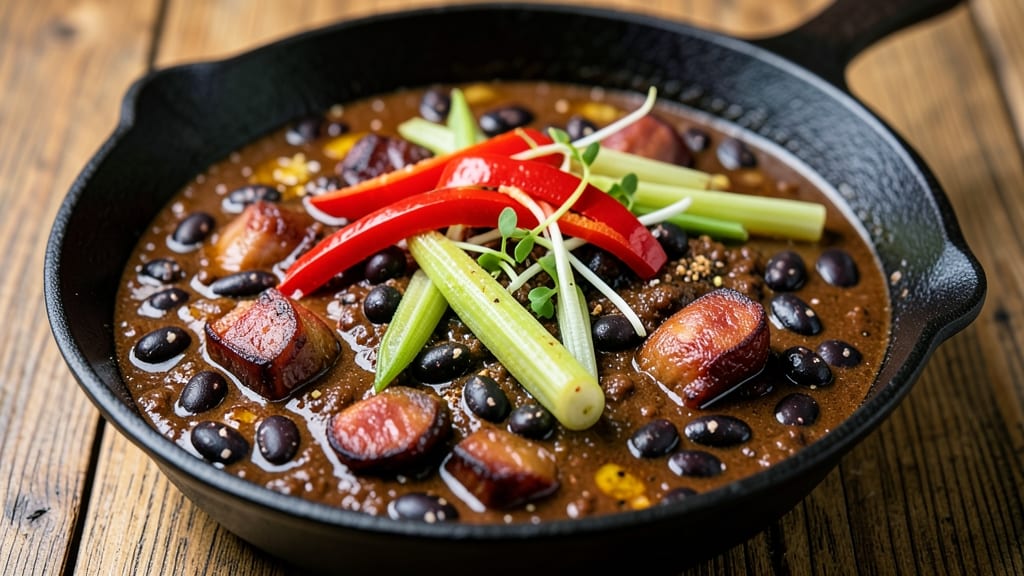
This vegetarian black bean gumbo brings the soulful flavors of Louisiana to your kitchen without sacrificing depth or tradition. The foundation—a dark, nutty roux—carries all the smoky richness you crave, while black beans and okra deliver hearty texture and earthy warmth.
It’s a dish that honors gumbo’s roots while making it accessible for plant-based eaters, proving comfort food can be both meaningful and modern.
What sets this recipe apart is the patient development of the roux, which transforms from golden to a deep mahogany color—this is where the magic happens.
The vegetables (okra, bell peppers, celery) are sautéed just enough to release their natural sweetness, while the black beans absorb the flavors of the broth. The result? A gumbo that’s bold, balanced, and deeply satisfying, with every spoonful telling a story of Louisiana’s culinary heritage.
The beauty of this gumbo lies in its versatility—it’s rich enough to stand alone but pairs beautifully with steamed rice or crusty bread to soak up every last drop.
The andouille sausage can easily be omitted or swapped for a plant-based alternative, ensuring it remains a crowd-pleaser for all dietary preferences. Whether you’re serving a family dinner or hosting a gathering, this gumbo delivers the warmth of a shared meal.
Once you taste the caramelized edges of the roux and the way the okra thickens the broth naturally, you’ll understand why gumbo is more than just a dish—it’s a celebration. Let’s get cooking, and experience the soul of the South in every bowl.
Ingredients for black bean gumbo
Here’s what you’ll need to build this soulful, vegetarian black bean gumbo—rich with smoky roux and hearty okra.
| Ingredient | Amount | Notes |
|---|---|---|
| Vegetable Oil 🫒 | ½ cup | High smoke point preferred |
| All-Purpose Flour 🌾 | ½ cup | White or whole wheat blend |
| Yellow Onion 🧅 | 2 whole | Diced, medium size |
| Green Bell Pepper 🍅 | 1 whole | Diced, any color |
| Celery Stalks 🥬 | 3 whole | Diced, fresh and crisp |
| Okra Pods 🌱 | 1 lb | Fresh, sliced into rounds |
| Garlic Cloves 🧄 | 4 cloves | Minced, fresh preferred |
| Black Beans 🌱 | 2 cups | Dried, soaked overnight |
| Vegetable Broth 💧 | 4 cups | Low-sodium, homemade or store-bought |
| Smoked Paprika 🌶️ | 2 tbsp | For deep, smoky flavor |
| Dried Thyme 🌿 | 1 tbsp | Or 1 tbsp fresh thyme |
| Bay Leaves 🍃 | 2 whole | Dried, removed before serving |
| Cajun Seasoning 🌶️ | 1 ½ tbsp | Store-bought or homemade blend |
| Lemon Juice 🍋 | 2 tbsp | Freshly squeezed, brightens flavors |
| Salt 🧂 | 1 ½ tsp | Kosher or sea salt |
| Black Pepper 🌶️ | ½ tsp | Freshly ground |
| Long-Grain White Rice 🍚 | 2 cups | Uncooked, for serving |
The roux is the heart of this gumbo, so don’t skimp on the vegetable oil—it needs to develop that deep mahogany color. Grab a high smoke point oil like avocado or peanut oil for best results. The all-purpose flour should be fresh—check the date on the package, as old flour can taste flat. For the okra, fresh is ideal, but frozen works in a pinch (thaw and drain well). Trader Joe’s and Whole Foods usually carry the freshest okra, but any grocery store’s produce section should have it. The black beans? Soak them overnight for the best texture—this is non-negotiable for that creamy, tender bite.
No smoked paprika? Substitute with a mix of chili powder and a pinch of liquid smoke—it’s close enough for most folks. Fresh thyme is ideal, but dried works at half the amount if that’s what you’ve got. The Cajun seasoning can be store-bought (Tony Chachere’s is a classic) or homemade—just blend paprika, garlic powder, onion powder, cayenne, and oregano. The vegetable broth should be rich and flavorful; homemade is best, but even low-sodium store-bought works if you boost it with a bouillon cube. The bell pepper and celery are the holy trinity of gumbo—don’t skip them, even if you’re in a hurry. And if you’re short on time, pre-chopped frozen veggies save the day.
This gumbo tastes even better the next day—plan ahead and make a big batch. Store it in an airtight container in the fridge for up to 5 days, or freeze portions for 3 months. The roux thickens as it cools, so add a splash of broth if it seems too stiff when reheating. Serve it over steamed rice (use a 1:2 rice-to-water ratio) or with crusty bread to soak up every last drop. The okra’s natural thickening means you won’t need extra cornstarch—just let it work its magic.
Why You'll Love This Recipe
- One-Pot Magic: I swear by this roux—just oil, flour, and patience—then dump in the onions, peppers, and celery. No extra pans, no mess, and that golden base? It’s the secret sauce.
- Rich Without Fuss: Black beans and the holy trinity (onion, bell pepper, celery) simmer into something deeply satisfying. The flour thickens it just enough to coat every bite—creamy but not heavy, hearty but not greasy.
- Meal Prep MVP: Double the batch and freeze half. Reheat it later for lazy nights or bring it to potlucks—no one will guess it’s not homemade. (Between us, my freezer’s full of these.)
- Budget-Friendly Powerhouse: Flour, oil, and veggies stretch into a meal that feeds four for under $10. Honestly, I make it when I’m broke or when I’m not—same result, zero guilt.
Step-by-step instructions for black bean gumbo
Here's how to build rich, layered flavor through precise technique and patience.
Develop the Roux Until Deep Brown
Heat the 0.5 cup vegetable oil in a heavy Dutch oven over medium heat until shimmering. Gradually whisk in the 0.5 cup all-purpose flour, creating a smooth paste. Cook for 10-15 minutes, stirring constantly with a wooden spoon, until the roux turns a deep chocolate brown color.
This is the flavor foundation—don't rush it. The roux should smell nutty and toasted, not burnt. If it darkens too quickly, reduce the heat slightly. Once properly browned, immediately add the 2 tbsp smoked paprika and 1.5 tbsp Cajun seasoning, stirring to distribute evenly. This step transforms your gumbo from ordinary to extraordinary.
Sauté the Holy Trinity and Okra
Add the diced 2 whole yellow onion, 1 whole green bell pepper, and 3 whole celery stalks to the roux. Cook over medium heat for 8-10 minutes, stirring occasionally, until the vegetables soften and release their moisture. Add the sliced 1 lb okra pods and cook for another 5 minutes to break down the okra's natural thickening properties.
Here's where the gumbo starts to take shape. The vegetables should be tender but not mushy, and the okra should begin to release its slimy texture that will later help thicken the broth. If the mixture sticks, add a splash of vegetable broth to deglaze and keep everything moving.
Build the Flavor Base with Aromatics
Stir in the 4 cloves minced garlic, 1 tbsp dried thyme, and 2 whole bay leaves, cooking for 1-2 minutes until fragrant. Add the 2 cups black beans and 4 cups vegetable broth, bringing the mixture to a gentle simmer. Let it cook uncovered for 20 minutes, stirring occasionally, to allow the flavors to meld and the broth to develop depth.
This simmering stage is crucial for extracting maximum flavor from all components. You'll notice the broth darkening slightly and developing a rich, smoky aroma. If the gumbo reduces too quickly, add a little more broth to maintain the proper consistency. The beans should begin to soften but shouldn't break apart completely.
Finish with Acid and Seasoning
Remove the bay leaves and stir in the 2 tbsp lemon juice, 1.5 tsp salt, and 0.5 tsp black pepper. Simmer for another 5 minutes to balance the flavors. The acidity from the lemon juice brightens the deep, smoky notes while the seasonings create perfect harmony.
Taste and adjust seasoning if needed—this is your final opportunity to ensure perfect balance. The gumbo should be rich but not overly salty, with a perfect blend of smoky, spicy, and slightly tangy flavors. The okra should have thickened the broth slightly, creating that signature gumbo texture without being slimy.
Serve Over Steaming Rice
While the gumbo simmers, prepare the 2 cups long-grain white rice according to package instructions, using 3 cups water for perfect texture. Serve the gumbo immediately over the steaming rice, allowing diners to ladle the rich broth over their portions.
The key to serving gumbo is presentation—each bowl should be filled with rice first, then topped with generous portions of gumbo. The contrast between the fluffy rice and the thick, flavorful gumbo creates the perfect mouthful. Garnish with extra black pepper if desired, and serve with crusty bread to soak up every last drop of that smoky, okra-rich goodness.
Pro Tips For Making Black Bean Gumbo
- Cook the roux low and slow: Black bean gumbo’s roux is where flavor lives or dies—don’t rush it. After whisking in the flour, turn the heat to medium-low and stir like your life depends on it. I learned this the hard way: a dark roux tastes like burnt toast, not rich, nutty depth. Use a light-colored roux (peanut butter shade) unless you’re aiming for a darker, more complex flavor.
- Slice celery and onion thin: Skip the rough chop—this isn’t stew. Thinly slice celery and onion (about 1/8-inch) so they soften into the gumbo without turning to mush. My grandmother swore by this, and she was right: you want them to nearly disappear, not sit like sad, chewy chunks at the bottom.
- Deglaze with broth, not water: After browning your veggies, splash in hot broth (not cold water) to lift all those sticky, flavorful bits. Cold water just dilutes the goodness, and you’ll end up with a watery gumbo. Use about 1 cup—just enough to scrape up the fond, then let it simmer down.
- Add beans last, but heat through: Dump in the black beans after everything else is cooked, but don’t just toss them in and walk away. Let them simmer for 5–7 minutes so they absorb the flavors and warm through—cold beans in hot gumbo make for a sad, uneven bite. Stir once, then let them mingle.
Creative variations of this recipe
Cajun-Inspired Twist
Swap the black beans for a mix of 1 cup black beans and 1 cup cooked andouille sausage, crumbled—this adds smoky depth while keeping it vegetarian-friendly.
For extra Cajun flair, stir in 1 tsp filé powder (ground sassafras) at the end, but only after removing the gumbo from heat to avoid clumping. This traditional thickening agent adds earthy notes that elevate the dish. 🌶️
Okra-Free Version
If you dislike okra’s texture, replace it with 1 cup diced sweet potato or 1 cup frozen corn kernels for natural thickening. The sweet potato adds a creamy element, while corn brings a subtle sweetness that balances the smoky flavors.
Both options work beautifully and require no extra prep—just toss them in with the holy trinity. 🥔
Spicy Kick Options
For heat lovers, add 1-2 dashes of hot sauce (like Crystal or Tabasco) or ½ tsp cayenne pepper when finishing the gumbo. For a smoky-spicy fusion, fold in 2 tbsp chipotle peppers in adobo, minced, along with the smoked paprika during roux development.
The adobo adds a deep, smoldering heat that pairs perfectly with the black beans. 🔥
Protein Swaps
Boost nutrition by adding 1 cup cooked quinoa or 1 cup lentils alongside the black beans—they absorb flavors beautifully while adding protein and texture. For a seafood twist (non-vegetarian), stir in 1 cup cooked shrimp or 1 cup smoked tofu in the last 5 minutes of cooking.
Both options melt into the gumbo without overpowering it. 🍤
Global Fusion Ideas
Transform this gumbo into a Mexican-inspired stew by adding 1 diced jalapeño, 1 tsp cumin, and ½ cup diced tomatoes with the holy trinity. For an Italian twist, stir in 1 cup diced sun-dried tomatoes and ½ cup white wine when deglazing the roux.
These adaptations keep the gumbo’s soulful richness while introducing exciting new flavors. 🌍
Make-Ahead Magic
This gumbo tastes even better the next day—double the batch and store it in airtight containers for up to 5 days in the fridge or 3 months in the freezer. The flavors deepen as the roux and okra meld together.
Reheat gently on the stovetop with a splash of broth to restore texture. Freeze portions in single-serving containers for quick meals. ✨
Nutrition facts
Frequently asked questions
Why does my roux burn before turning brown?
Roux burns when the heat is too high or you're not stirring constantly. Use medium heat and keep a wooden spoon moving every 30 seconds—this prevents scorching. A heavy Dutch oven distributes heat better than thin pans, so invest in one if yours isn't deep enough.
Can I use canned black beans instead of dried?
Drain and rinse 2 (15-oz) cans of black beans to remove excess sodium. They'll save you 8+ hours of soaking time, but dried beans develop deeper flavor when cooked from scratch. For extra richness, sauté the canned beans with a pinch of smoked paprika before adding to the gumbo.
How do I fix gumbo that's too thin or too thick?
For thin gumbo, simmer uncovered for 10-15 minutes to reduce naturally. If still watery, stir in 1 tbsp cornstarch mixed with 2 tbsp cold water. For thick gumbo, add ½ cup vegetable broth and simmer gently. The okra should thicken it naturally—if it's not working, your roux may need more cooking time next batch.
What's the best way to reheat leftover gumbo?
Gently reheat on the stovetop over low heat with 2-3 tbsp broth to restore moisture. Never microwave—it breaks down the roux's texture. For best results, cover and warm for 10 minutes, stirring occasionally. If too thick, add more broth gradually until creamy.
Can I make this gumbo in a slow cooker?
Yes! Brown the roux in a skillet first, then transfer to your slow cooker with all ingredients. Cook on low for 6-8 hours or high for 3-4 hours. The slow cooker's gentle heat prevents scorching and enhances flavors. Add lemon juice and seasonings at the end to brighten flavors—don't include them during cooking.