
Soups & Stews
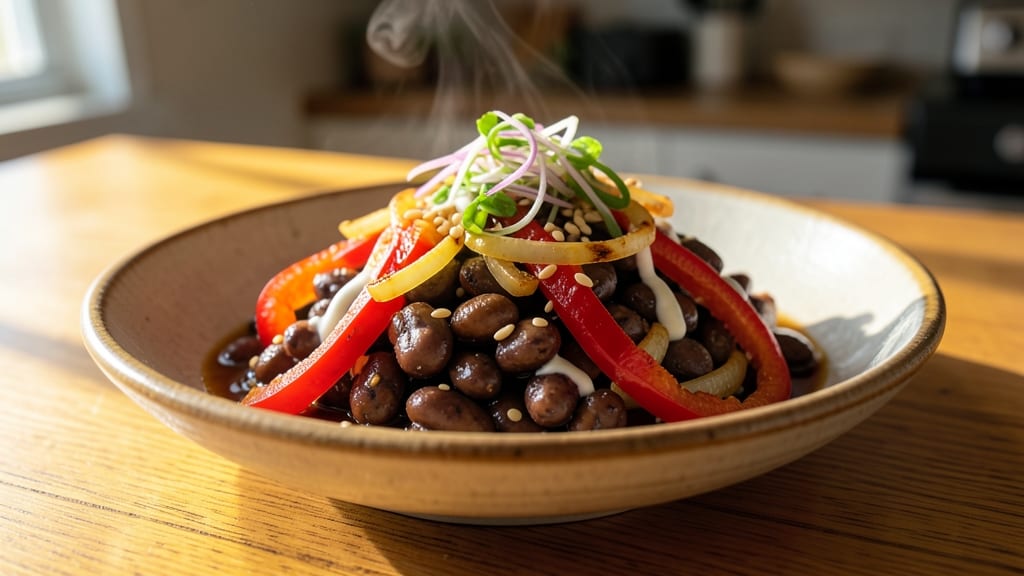
This black bean and miso soup recipe delivers a bold, umami-packed meal that's ready in just 25 minutes—no fancy techniques required. The marriage of fermented miso and protein-rich black beans creates a deeply savory broth that's both hearty and comforting, perfect for chilly evenings or quick weeknight dinners.
What makes this recipe stand out is how the miso's salty complexity pairs effortlessly with the earthy beans, while a touch of garlic and ginger adds warmth without overpowering.
The process is straightforward: sauté aromatic vegetables to build flavor, then simmer everything together until the miso dissolves completely, creating a rich, velvety base.
Unlike traditional miso soups that rely on tofu or seafood, this version gets its substantial texture from black beans, making it a vegan powerhouse packed with plant-based protein. The result is a soup that's simultaneously simple and sophisticated—one where every spoonful delivers layers of umami and a satisfying heartiness.
By the time you're done, you'll have a golden, fragrant soup with tender black beans swimming in a glossy miso broth, topped with fresh herbs for brightness.
The aroma alone will draw everyone to the table, and the first taste will prove why this recipe has become a staple in my rotation. It's the kind of meal that feels restaurant-quality without the fuss, and it reheats beautifully for leftovers—though you might not leave any.
Pair it with steamed rice for extra substance or serve as-is with crusty bread to soak up every last drop of that umami-rich broth. The beauty of this recipe is its versatility—it works as a main dish or a side, and the flavors only deepen the longer it sits.
Let's get cooking!
Ingredients for black bean miso
These carefully selected ingredients deliver restaurant-quality umami depth in every spoonful of soup.
| Ingredient | Amount | Notes |
|---|---|---|
| Dry Black Beans 🌱 | 1 ½ cups | Rinsed thoroughly before use |
| White Miso Paste 🍶 | 3 tbsp | High-quality, unsweetened preferred |
| Red Bell Pepper 🌶️ | 1 whole | Diced into 0.5-inch pieces |
| Yellow Onion 🧅 | 1 whole | Thinly sliced for even cooking |
| Fresh Garlic 🧄 | 4 cloves | Minced finely for aromatic depth |
| Fresh Ginger 🌿 | 1 tbsp | Grated finely for zesty kick |
| Vegetable Broth 💧 | 4 cups | Low-sodium preferred for balance |
| Sesame Oil 🫒 | 1 tbsp | Toasted for nutty aroma |
| Fresh Cilantro 🌿 | ¼ cup | Chopped for vibrant garnish |
| Green Onion 🧅 | 3 whole | Sliced thinly for freshness |
| Toasted Sesame Seeds 🌰 | 1 tbsp | For crunchy texture contrast |
| Kosher Salt 🧂 | 1 tsp | Adjust to taste after cooking |
| Black Pepper 🌶️ | ½ tsp | Freshly cracked for subtle heat |
| Rice Vinegar 🍶 | 1 tsp | Balances umami richness |
The miso paste is the soul of this soup—Marukome or Honten brands deliver the most authentic flavor profile. Look for white miso (shiro miso) in the refrigerated section of stores like Whole Foods or Trader Joe's, where it's kept properly chilled. Fresh black beans are ideal, but dried beans soaked overnight work just as well for maximum texture. The garlic and ginger should be vibrant and firm—no shriveled cloves or yellowing roots. For the broth, Imagine or Pacific Foods low-sodium options provide clean flavor without overwhelming the miso's complexity.
No white miso? Red miso at half the amount adds depth with a slightly tangier profile. Substituting dried beans? Soak them for at least 8 hours or use the quick-soak method (boiling water for 2 minutes, then resting). Fresh cilantro wilt fast—store stems in water like flowers for up to 1 week. The sesame oil can be swapped for toasted peanut oil if you're avoiding sesame allergies. For extra umami without miso, add 1 tbsp soy sauce or tamari—just reduce the salt slightly to balance.
This soup tastes even better the next day as flavors meld—double the batch and store in airtight glass containers for up to 5 days. Freeze portions in ice cube trays for quick single servings later. The miso paste should be refrigerated after opening and used within 3 months. For best texture, reheat gently on low heat and stir in fresh herbs only at the end—adding them earlier will turn the broth bitter.
Why You'll Love This Recipe
- One-Pot Magic: I swear by this recipe when I’m too tired to dirty more than one pot. Soak the black beans overnight, then toss everything—miso, onions, garlic, even the bell pepper—into the same pot. Simmer until the beans are tender, and boom, done. No chopping boards left in the sink.
- Umami Bomb: That white miso paste? It’s the star. The deep, salty-sweet punch from the miso transforms simple beans into something rich and complex—like a cozy hug in a bowl. Honestly, I’ve made this with just beans, miso, and garlic, and it still hits.
- Meal Prep Hero: This keeps perfectly for days, which is a game-changer for me. I’ll make a big batch on Sunday, and by Wednesday, it’s still flavorful enough to eat straight from the fridge. Add a sprinkle of lime or cilantro when reheating, and it’s like new.
- Budget-Friendly Powerhouse: Dry black beans are my wallet’s best friend—cheap, shelf-stable, and packed with protein. Miso adds depth without costing a fortune, and the veggies stretch the dish further. I’ll be real: this is the kind of recipe that makes me feel like I’m feeding a crowd without breaking the bank.
Step-by-step instructions for black bean and miso soup
Master this umami-packed recipe with precise timing and technique for perfect texture and flavor.
Prepare the Black Beans for Even Cooking
Rinse the 1.5 cups dry black beans thoroughly under cold water to remove any debris. Place them in a medium pot and cover with at least 2 inches of cold water—this ensures they soften evenly. Bring to a boil over medium-high heat, then immediately reduce to low heat and simmer for 20-25 minutes until tender but not mushy. You'll know they're ready when they can be crushed between your fingers with light pressure but still hold their shape.
Drain the beans and set aside. The reason we don't overcook them here is that they'll absorb additional moisture from the broth and miso later. If you notice any skins separating, simply rub them between your fingers to remove—this prevents a gritty texture in the final soup.
Build the Umami Base with Aromatics and Miso
In a separate large pot, heat the 1 tablespoon sesame oil over medium heat until shimmering. Add the thinly sliced yellow onion and diced red bell pepper, cooking for 5-6 minutes until softened but not browned. Stir in the minced garlic and grated ginger, cooking for another 1 minute until fragrant—this releases their full aromatic potential.
Reduce heat to low and gradually whisk in the 3 tablespoons white miso paste, stirring continuously for 2 minutes to fully dissolve. The miso should melt smoothly into the oil without clumping. Here's the thing—adding miso to hot liquid can make it bitter, so we're keeping the temperature gentle. If you see any undissolved bits, add 1 tablespoon of the vegetable broth to help incorporate it completely.
Combine and Simmer the Soup
Pour in the 4 cups vegetable broth and add the cooked black beans. Bring to a gentle boil over medium heat, then immediately reduce to low heat and simmer uncovered for 10 minutes. This slow simmer allows the flavors to meld without breaking down the beans further.
Taste and adjust seasoning with the 1 teaspoon kosher salt and 0.5 teaspoon black pepper. The miso should provide most of the saltiness, but we're balancing it with fresh black pepper for depth. Stir in the 1 teaspoon rice vinegar at the end—this brightens the umami richness without overpowering the dish.
Finish with Fresh Herbs and Garnish
Remove the pot from heat and let the soup rest for 5 minutes. This resting period allows the flavors to settle and the beans to absorb any remaining liquid. While it rests, chop the 0.25 cup fresh cilantro and slice the 3 green onions thinly.
Ladle the soup into bowls and garnish immediately with the chopped cilantro, sliced green onions, and 1 tablespoon toasted sesame seeds. The sesame seeds add a delightful crunch that contrasts beautifully with the silky soup. Serve warm with crusty bread to soak up every last drop of that umami-rich broth.
Pro Tips For Making Black Bean Miso
- SOAK BEANS OVERNIGHT: DESCRIPTION: Dry black beans are stubborn—rushing them leads to tough, mealy results. I learned this the hard way after forcing a 4-hour soak and ending up with beans that refused to soften. Cover them in cold water (about 3 cups per cup of beans) and let them sit 12+ hours. The longer they soak, the creamier they’ll get, and you’ll save time later by skipping the long simmer.
- SWEAT ONIONS LOW: DESCRIPTION: White onions burn faster than you’d think, especially when you’re distracted by the miso aroma. Keep the heat at a steady medium-low and stir every 30 seconds—yes, even if it feels like overkill. Undercooked onions taste raw; overcooked ones turn bitter. Aim for translucent edges with just a hint of caramelization before adding garlic.
- TEMPE THE MISO: DESCRIPTION: White miso paste is salty and potent—adding it straight to hot beans will make your dish taste like a science experiment gone wrong. Mix it with a splash of the bean cooking liquid first, then stir in gradually while the pot’s off the heat. This tempers the flavor and lets you taste as you go, adjusting to your preference.
- CHAR THE PEPPER: DESCRIPTION: Skip the raw red bell pepper—it’ll just sit there like a sad, watery afterthought. Instead, cut it into strips, toss with a pinch of salt, and sear in a dry pan over high heat until the edges blacken slightly. The smoky depth cuts through the miso’s richness and makes the whole dish sing. (Yes, even if you’re in a hurry.)
Flavor customization for these flavors
Spicy Miso Kick
Transform this soup into a fiery delight by adding 1 tsp gochujang or ½ tsp cayenne pepper to the miso base while whisking.
For a smoky twist, swap the red bell pepper for ½ cup smoked paprika-infused bell pepper (simmer the pepper strips in 1 tsp smoked paprika before adding to the pot). This creates a bold, slightly spicy umami bomb that still keeps the soup's velvety texture. 🌶️
Citrus Brightness Boost
Balance the richness with 1 tbsp freshly squeezed lime juice or yuzu juice—add it with the rice vinegar at the end. For extra zing, garnish with thinly sliced jalapeño or a sprinkle of citrus zest (I love yuzu or Meyer lemon).
The acidity cuts through the miso's saltiness while adding freshness. Trust me, this makes the soup feel restaurant-fresh.
Creamy Miso Variations
For a silky texture, stir in ½ cup silken tofu or ¼ cup coconut milk after simmering. If you prefer dairy, add 2 tbsp cashew cream (blend 2 tbsp soaked cashews with 2 tbsp water).
These additions create a luxurious mouthfeel without overpowering the beans' earthiness. The cashew cream adds a subtle sweetness that pairs beautifully with the miso.
Herb-Forward Twist
Swap cilantro for fresh Thai basil or mint—both add a bright, aromatic note that contrasts the umami. For a Mediterranean touch, use flat-leaf parsley and top with crumbled feta (if not vegan).
I also love adding 1 tbsp chopped chives for a mild onion flavor. These herbs elevate the soup's freshness while keeping the miso's depth intact. ✨
Smoky BBQ Fusion
Add 1 tbsp vegan BBQ sauce (like Annie's) with the miso paste and top with pickled red onions for a sweet-smoky twist. The tangy onions cut through the richness, while the BBQ sauce adds a caramelized depth.
This version feels like a soulful stew—perfect for hearty meals. The contrast of textures and flavors is what makes this fusion work so well.
Extra Umami Layers
Boost the depth with 1 tbsp soy sauce (reduce salt slightly) or 1 tsp fish sauce (if not vegan). For a nutty crunch, toast 1 tbsp slivered almonds and sprinkle on top.
The almonds add a textural contrast that balances the soup's smoothness. These additions take the soup from good to next-level umami. 💫
Nutrition facts
Frequently asked questions
Can I use canned black beans instead of dried?
Yes! Just drain and rinse 1 (15-ounce) can of black beans to remove excess sodium. They'll cook faster and save you 20-25 minutes of soaking time. For best texture, add them to the simmering broth 5 minutes before serving so they warm through without getting mushy.
What if I don't have white miso?
Use red miso at half the amount (1.5 tbsp) for deeper color and slightly tangier flavor. For a milder option, blend 1 tbsp white miso with 1 tbsp tahini to create a creamy umami base. Never substitute with soy sauce—it lacks the complex fermented depth miso provides.
How do I prevent the miso from getting bitter?
Always dissolve miso paste over low heat while whisking continuously. Never add it to boiling liquid—this triggers bitterness. If you see undissolved clumps, add 1 tbsp warm broth to help incorporate it smoothly. The key is patience: let it melt gradually for 2-3 minutes before adding other ingredients.
Can I make this soup in an Instant Pot?
Sauté the aromatics as directed, then add all ingredients except herbs. Cook on high pressure for 6 minutes, followed by a natural release. The beans will soften perfectly while the miso integrates smoothly. Finish with fresh herbs and sesame seeds as written. This cuts total time to 20 minutes!
Why does my soup taste too salty?
Miso is naturally salty—start with 2 tbsp instead of 3 if you're sensitive to salt. Balance it by adding 1 extra cup broth and 1 tbsp lime juice at the end. For future batches, use low-sodium broth and taste before adding salt. The rice vinegar also helps cut through saltiness naturally.