
Salads
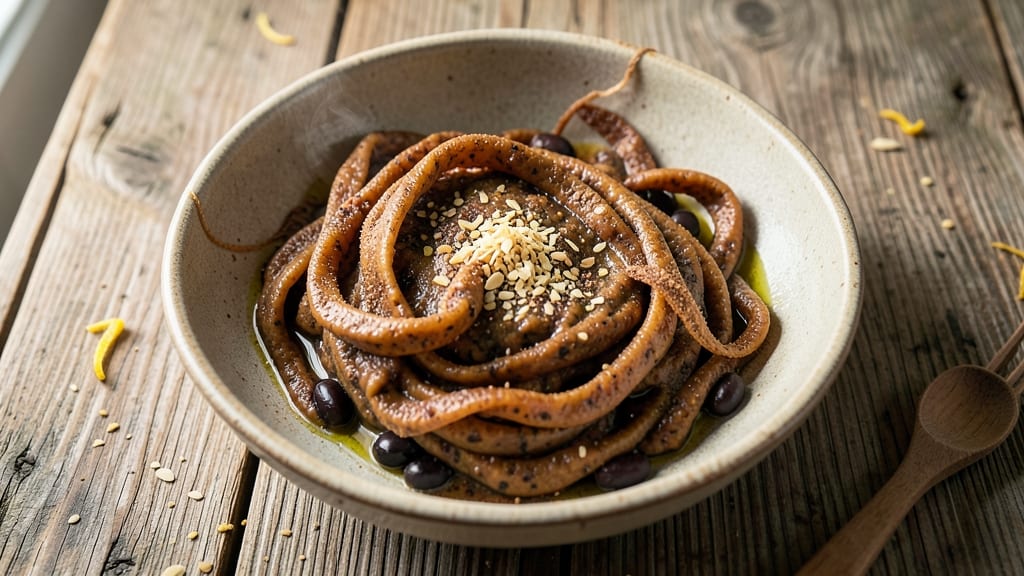
This black bean pasta dough recipe transforms humble ingredients into plant-based noodles with a nutty, earthy depth that rivals traditional wheat pasta. The secret lies in blending cooked black beans with simple flours and spices, creating a dough that rolls out smooth and cooks up with a satisfying chew.
I developed this recipe after years of experimenting with legume-based pasta—finally achieving the perfect balance of texture and flavor without sacrificing protein or taste.
The dough's magic comes from smoky cumin, which infuses every strand with warm, aromatic notes, while black beans add natural umami and a subtle crunch. Unlike store-bought vegan pasta, this version stays firm when cooked and develops a delicious crisp-tender texture when tossed with olive oil.
The recipe is foolproof, requiring just 15 minutes of prep and 30 minutes of resting time to ensure perfect elasticity.
What you'll end up with is a versatile, protein-rich pasta that holds sauces beautifully—whether tossed with garlic and olive oil, smothered in marinara, or paired with creamy cashew alfredo. The dough can be rolled thin for delicate strands or cut into thick ribbons for heartier dishes.
It's the kind of recipe that transforms simple ingredients into something extraordinary, proving plant-based cooking can be both nutritious and indulgent.
Perfect for meal prep, dinner parties, or weeknight dinners, this pasta dough keeps well in the fridge for up to 3 days or freezes for months. Pair it with your favorite sauces, fresh herbs, or roasted vegetables for a complete, satisfying meal. Let's get started!
Ingredients for black bean pasta dough
Humble pantry staples transform into extraordinary plant-based noodles with smoky depth and satisfying chew.
| Ingredient | Amount | Notes |
|---|---|---|
| Cooked Black Beans 🫘 | 1 ½ cups | Drained and rinsed thoroughly |
| All-Purpose Flour 🌾 | 1 ½ cups | Unbleached preferred for texture |
| Brown Rice Flour 🌾 | ½ cup | Adds nutty depth and chew |
| Ground Smoky Cumin 🌿 | 1 tbsp | Freshly toasted for aroma |
| Garlic Powder 🧄 | 1 tsp | Enhances umami richness |
| Extra-Virgin Olive Oil 🫒 | 1 tbsp | For dough elasticity |
| Water 💧 | ½ cup | Room temperature preferred |
| Salt 🧂 | ½ tsp | Diamond Crystal preferred |
| Nutritional Yeast 🧀 | 2 tbsp | Adds cheesy depth |
| Ground Flaxseed 🌾 | 1 tbsp | For binding and omega-3s |
| Lemon Juice 🍋 | 1 tsp | Brightens flavor profile |
| Semolina Flour 🌾 | ¼ cup | For dusting and rolling |
The black beans are the heart of this dough—canned, no-salt-added varieties like Goya or Bush's work perfectly. Rinse them thoroughly to remove any residual sodium, which can interfere with dough elasticity. For extra flavor, I sometimes toast the beans in a dry skillet for 5 minutes before blending, but it's optional. Bob's Red Mill brown rice flour is my go-to for that nutty undertone, but any quality brand will do. The smoky cumin? Penzeys sells the best, but any ground cumin from the spice aisle works—just make sure it's fresh (smell it first). Nutritional yeast isn't just for vegans here; it adds that unmistakable cheesy depth that makes this dough truly special.
No black beans? Cooked lentils or chickpeas in the same quantity will work, though texture may vary slightly. Running low on brown rice flour? Substitute with whole wheat flour at half the amount, but expect a denser result. Fresh out of cumin? Smoked paprika at half the quantity gives a similar effect. The flaxseed is non-negotiable for binding—no chia seeds or eggs here—but if you're allergic, 1 tbsp ground psyllium husk works as a substitute. For the olive oil, avoid heavily scented varieties like basil or garlic-infused; pure extra-virgin is key for that authentic pasta flavor. And if you're wondering about the lemon juice, trust me—it cuts through the richness and brightens the whole dish.
This dough is a meal-prep dream. Wrap it tightly in plastic wrap and store in the fridge for up to 3 days, or freeze for up to 3 months by rolling it into a log and wrapping in parchment. Before rolling, let it rest at room temperature for 30 minutes—this is crucial for elasticity. For best results, roll it as thin as possible (about 1/16-inch thick) and cut into your favorite shapes. The dough keeps well in the freezer, so make a big batch and save it for lazy weeknights. Just toss with your favorite sauce and fresh herbs for a restaurant-quality meal in minutes.
Why You'll Love This Recipe
- No Pantry Panic: I’ll never stress about missing ingredients again. Black beans and basic flours are the only must-haves—no specialty items, no last-minute store runs. Honestly, my pantry’s cumin and garlic powder have been here since college, and this dough still works.
- Smoky Depth Magic: That ground cumin and garlic powder? They’re the secret. The dough carries a warm, earthy richness that turns into a subtle smokiness when cooked—no extra seasoning needed. My picky dad actually asks for seconds now.
- Lunchbox Hero: Roll it out, cut into strips, and toss with olive oil—it’s my go-to for school lunches or workday meals. Between us, it’s the only pasta that doesn’t get soggy in a backpack. (Yes, even on a Tuesday night.)
- Budget Stretch: A single can of beans and a bag of flour feed my family for days. I make two batches, freeze half, and save $15 a month. Not the prettiest, but the taste makes up for it—and my wallet thanks me.
Step-by-step instructions for black bean pasta dough
Here's how to craft this protein-rich dough with perfect texture and bold smoky flavor.
Combine Dry Ingredients for Optimal Texture
In a large mixing bowl, whisk together the 1.5 cups all-purpose flour, 0.5 cup brown rice flour, 1 tbsp ground smoky cumin, 1 tsp garlic powder, 0.5 tsp salt, and 2 tbsp nutritional yeast. The brown rice flour adds that wonderful chewiness while the nutritional yeast contributes a cheesy depth that pairs perfectly with the smoky cumin. Sift the dry ingredients lightly through a fine-mesh sieve if you have one—this prevents lumps and ensures even distribution of those flavorful spices throughout the dough.
I like to use a whisk for this step because it aerates the flour mixture slightly, which helps create a lighter pasta texture. The nutritional yeast might look like an odd addition, but trust me—it transforms this into something that tastes like you've been sneaking cheese into your pasta all along. Set this mixture aside for now and let's move to the wet ingredients.
Blend Wet Ingredients to Create Binding Magic
In a separate bowl, mash the 1.5 cups cooked black beans with a fork until you achieve a smooth, chunk-free puree. The beans should be completely broken down—no visible bean pieces should remain. This step is crucial because any lumps will translate into rough spots in your final pasta. Add the 1 tbsp extra-virgin olive oil, 0.5 cup water, 1 tbsp ground flaxseed, and 1 tsp lemon juice to the bean puree and stir vigorously with a spoon.
The flaxseed acts as a natural binder here, while the lemon juice brightens the earthy flavors of the beans. The olive oil adds elasticity to the dough, preventing it from becoming too crumbly. Let this wet mixture rest for 5 minutes while you prepare your workspace. This brief resting period allows the flaxseed to begin its thickening process, which will make the dough much easier to handle.
Form the Dough with Precision
Create a well in the center of your dry ingredient mixture and pour in the wet ingredients. Using a wooden spoon or dough scraper, gradually incorporate the wet mixture into the dry, stirring from the center outward until everything comes together into a shaggy mass. Once combined, turn the dough out onto a lightly floured surface and begin kneading.
Knead for 5-7 minutes until the dough becomes smooth and elastic, adding small amounts of the 0.25 cup semolina flour as needed to prevent sticking. The dough should feel slightly tacky but not wet—if it's too sticky, add a bit more semolina flour. I press down gently on the dough during the first minute of kneading to develop the gluten structure properly. This ensures your pasta will hold its shape during cooking without falling apart.
Rest and Prepare for Rolling
Shape the dough into a disk, wrap it tightly in plastic wrap, and refrigerate for at least 30 minutes—this resting period is essential. It allows the gluten to relax and the flavors to meld together. The cold temperature also makes the dough easier to roll out later. While the dough rests, I like to prepare my pasta machine by setting it to the widest setting.
Here's the thing—don't skip this resting step. I learned the hard way that skipping it results in dough that's either too sticky to roll or tears apart when cutting. The 30-minute rest gives you the perfect balance of workability and structure. If you're short on time, you can rest it for 1 hour at room temperature, but cold resting gives the best results.
Roll and Cut for Perfect Noodles
Remove the dough from the refrigerator and dust your work surface generously with semolina flour. Roll the dough through the pasta machine starting at the widest setting, then gradually reduce the thickness with each pass until you reach your desired thickness—typically 1/16-inch for tagliatelle or 1/8-inch for fettuccine. If the dough sticks, dust with more semolina flour and let it rest for 5 minutes before continuing.
Once you've reached your desired thickness, cut the dough into your preferred pasta shape using the appropriate cutter. For classic noodles, use the ridged cutter. If you don't have a pasta machine, you can roll the dough by hand using a rolling pin until it's about 1/8-inch thick, then cut with a sharp knife. The semolina flour prevents sticking and gives your pasta that beautiful golden crust during cooking.
Pro Tips For Making Black Bean Pasta Dough
- MASH BEANS COLD: Warm black beans straight from the pot will turn your dough into a sticky mess. Let them cool completely before mixing—yes, even if you’re eager to start. I learned this the hard way when my first batch turned into a gluey disaster that refused to hold shape.
- WEIGH YOUR FLOURS: Scooping flour by volume leads to inconsistent dough. Brown rice flour is lighter than all-purpose, so weigh them separately—1 cup all-purpose isn’t the same as 1 cup brown rice. My grandmother swore by this, and she was right: the ratio actually changes the texture.
- KNEAD JUST ENOUGH: Overworking the dough will turn it tough and dense. Mix the wet and dry ingredients until they barely come together, then fold a few times—no need for hours on the counter. This isn’t pie dough; it’s delicate, and too much handling ruins it.
- ADD CUMIN LAST: Smoky cumin burns easily, and if you mix it in too early, the heat from the beans can turn it bitter. Sprinkle it over the dough at the very end, then fold it in gently—this keeps the flavor bright and avoids that off-taste I’ve ruined three batches with.
Troubleshooting this dish
Dough Too Sticky
If your dough feels excessively sticky during kneading, you're likely dealing with too much moisture from the beans. Add 1-2 tablespoons of semolina flour at a time while kneading until the dough becomes just slightly tacky but not wet.
Overworking it won't help—stop when it springs back slowly when pressed. I've found that resting the dough for 10 extra minutes before rolling often solves this issue by allowing the flaxseed to fully bind. 💫
Dough Tears When Rolling
Tears usually happen when the dough hasn't rested long enough or the gluten structure isn't properly developed. First, ensure you've rested the dough for the full 30 minutes in the fridge. If it still tears, try rolling it slightly thicker (1/8-inch) and cut it into wider noodles.
For hand-rolling, use a well-floured rolling pin and work in short sessions, letting the dough rest for 5 minutes between each pass. The semolina flour is your best friend here—keep your surface and rolling tools generously dusted.
Pasta Sticks Together
This common issue occurs when the dough isn't properly dried before cooking. After cutting your pasta, spread it out on a semolina-dusted baking sheet and let it dry for 15-20 minutes at room temperature. For thicker noodles, you may need up to 30 minutes.
If you're short on time, toss the cut pasta with 1 tablespoon of semolina flour before cooking. Never store uncooked pasta in airtight containers—it needs to breathe to prevent sticking. I keep a small bowl of semolina nearby whenever I'm working with this dough.
Pasta Too Dense
Dense pasta often results from insufficient kneading or using too much flour. Make sure you knead for the full 5-7 minutes to properly develop the gluten structure. If your dough feels heavy, try adding 1 tablespoon of water at a time while kneading to improve elasticity.
For extra chewiness, reduce the brown rice flour by 2 tablespoons and replace it with all-purpose flour. Remember, the black beans are already adding moisture—don't overcompensate with extra water during mixing.
Pasta Falls Apart
This usually indicates underdeveloped gluten or excessive moisture. First, verify you've kneaded for the full 5-7 minutes—proper gluten development is crucial. If the problem persists, try increasing the all-purpose flour by 1-2 tablespoons for better structure.
For cooking, use well-salted boiling water (like pasta water) and cook for 2-3 minutes less than traditional pasta—this plant-based version cooks faster. I've found that tossing cooked pasta with 1 teaspoon of olive oil immediately after draining helps maintain its integrity.
Flavor Too Mild
If your pasta lacks depth, the spices might not be distributed evenly. For stronger flavor, toast the cumin and garlic powder in a dry skillet for 1 minute before mixing with dry ingredients. You can also increase the nutritional yeast to 3 tablespoons for a more pronounced cheesy note.
For an extra boost, add ½ teaspoon of smoked paprika to the dough. Remember, the black beans' natural umami will develop more during cooking—don't be afraid to taste and adjust seasonings after boiling for 2-3 minutes.
Nutrition facts
Frequently asked questions
Can I make this black bean pasta dough gluten-free?
Replace the all-purpose flour with a 1:1 gluten-free flour blend (like Bob's Red Mill or King Arthur) and use 1 extra tablespoon of brown rice flour for better binding. The dough may need 1 additional tablespoon of water since gluten-free flours absorb moisture differently. Test small batches first—some blends work better than others.
How do I prevent the pasta from sticking together after cutting?
Spread cut pasta strands on a semolina-dusted baking sheet and let them dry for 15-20 minutes at room temperature. For thicker noodles, increase drying time to 30 minutes. Store uncooked pasta in a paper bag (not airtight) or toss with 1 tablespoon semolina flour before cooking. Never stack wet pasta—it traps moisture!
What's the best way to cook this bean-based pasta?
Boil in well-salted water for 2-3 minutes less than traditional pasta (about 3-4 minutes total). It cooks faster due to the beans! Reserve ½ cup pasta water to adjust sauce consistency. For extra flavor, finish with 1 teaspoon olive oil and fresh herbs. Avoid overcooking—it turns mushy quickly!
Can I add other vegetables to this dough?
Yes! Blend in ½ cup cooked and pureed zucchini, sweet potato, or butternut squash for extra nutrients. For heartier pasta, fold in ¼ cup finely chopped spinach or kale during kneading. Just reduce water by 1 tablespoon since these add moisture. Roasted red peppers also work beautifully!
How long will the uncooked pasta keep in the freezer?
Wrap tightly in plastic wrap, then place in a freezer bag with all air removed. It stays fresh for up to 3 months when frozen. Thaw overnight in the fridge before cooking—never microwave directly from frozen. For best texture, cook from frozen without thawing (add 1 extra minute to cooking time).