
Salads
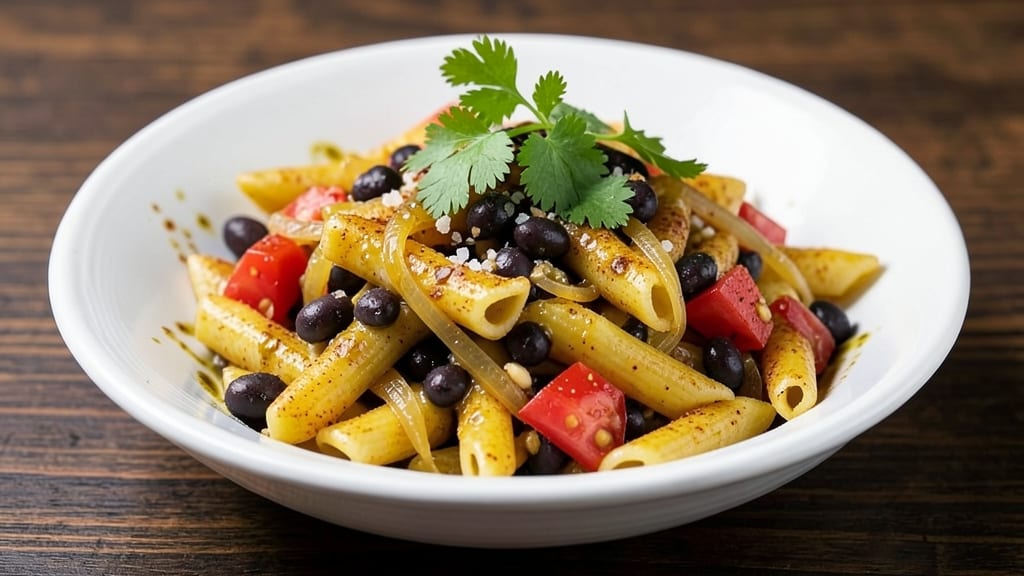
This black bean penne pasta recipe delivers restaurant-quality flavor in just 20 minutes—packed with plant-based protein, bold spices, and a satisfying texture that keeps everyone coming back for seconds. The secret lies in perfectly cooked penne, tender black beans, and a zesty tomato-herb sauce that transforms simple ingredients into a hearty, protein-rich meal without any meat. I developed this recipe after realizing how often I craved substantial pasta dishes that still aligned with plant-based eating, and the result is a dish that feels indulgent yet balanced.
What sets this recipe apart is the balance of textures and flavors—al dente penne, creamy black beans, and a sauce that's bright enough to stand up to the earthy beans.
You'll start with sautéing garlic and onions until fragrant, then build layers of flavor with canned tomatoes, spices, and a splash of broth. The black beans add heartiness and protein, while a touch of lemon juice at the end brightens everything up.
It's the kind of dish that's simple enough for weeknights but impressive enough for guests.
The final result is a pasta dish that's rich in flavor but light enough to keep you satisfied without feeling heavy. The sauce clings perfectly to the penne, and the black beans add substance that makes this more than just a side dish—it's a complete, protein-packed meal.
Garnish with fresh herbs or avocado if you like, but even as-is, it's a standout dish that proves plant-based meals can be just as hearty and satisfying as traditional pasta dishes.
This recipe works equally well as a main course or a side dish for larger meals, and it's ready in under 20 minutes, making it perfect for busy evenings.
The ingredients are simple, but the combination of flavors and textures makes it feel special. Let's get started—your taste buds will thank you.
Ingredients for black bean penne pasta
Pantry staples plus a few fresh ingredients for restaurant-quality flavor in minutes.
| Ingredient | Amount | Notes |
|---|---|---|
| Penne Pasta 🍝 | 12 oz | Dry, al dente preferred |
| Black Beans 🫘 | 1 ½ cups | Canned, drained and rinsed |
| Canned Diced Tomatoes 🍅 | 14 ½ oz | Fire-roasted preferred |
| Garlic Cloves 🧄 | 3 cloves | Fresh, minced |
| Yellow Onion 🧅 | 1 whole | Medium, diced |
| Extra-Virgin Olive Oil 🫒 | ½ cup | For sautéing |
| Vegetable Broth 💧 | 1 cup | Low-sodium preferred |
| Lemon Juice 🍋 | 2 tbsp | Freshly squeezed |
| Ground Cumin 🌿 | 1 tsp | Toasted for depth |
| Smoked Paprika 🌶️ | 1 tsp | For smoky flavor |
| Salt 🧂 | 1 ½ tsp | Kosher or sea salt |
| Black Pepper 🌶️ | ½ tsp | Freshly ground |
| Fresh Parsley 🌿 | ¼ cup | Chopped, for garnish |
| Avocado 🥑 | 1 whole | Medium, sliced (optional) |
The black beans are the protein powerhouse here—Trader Joe's or Whole Foods have the best canned varieties, but any low-sodium brand works. Fire-roasted tomatoes add natural sweetness without extra sugar. For the onion, yellow is classic, but red adds a pop of color. I always grab extra garlic because it's the flavor base—freshly minced makes all the difference. The penne needs to be al dente, so don't overcook it. Trust me, slightly firm pasta holds up better to the sauce.
No fire-roasted tomatoes? Regular diced tomatoes with a pinch of sugar works in a pinch. Short on cumin? Mexican oregano at half the amount gives similar earthiness. The avocado is optional but adds creaminess—Hass variety is best when slightly underripe. For extra richness, stir in a spoonful of nutritional yeast at the end. The lemon juice is key—freshly squeezed brightens everything up, but bottled works if you're in a hurry.
Store the canned beans and tomatoes in a cool, dark place for up to 6 months. Fresh garlic and onions keep in the fridge for 1 week once cut. The cooked pasta and sauce reheat beautifully—just add a splash of water or broth. I make double batches and freeze portions for 3 months—perfect for lazy weeknights. The avocado should be added fresh right before serving, or it'll turn brown.
Why You'll Love This Recipe
- Pantry Powerhouse: I swear by this recipe when I’m staring at a half-empty fridge. Canned tomatoes, black beans, and a few garlic cloves—no fancy shopping required. The onion adds just enough sweetness to balance the smoky beans, and boom, dinner’s sorted.
- One-Pot Magic: Honestly, I’ll take any excuse to avoid dirtying extra dishes. Sauté the onion and garlic in the same pan, toss in the beans and tomatoes, then stir the cooked penne right in. One pot, one spatula, and you’re golden. (Yes, even on a Tuesday night.)
- Lunchbox Hero: Between us, this pasta reheats like a dream—no mushy texture, just that perfect al dente bite. Pack it in containers for work lunches or meal prep Sundays, and it’ll still taste fresh days later. My kids actually finish their leftovers, which is basically a miracle.
Step-by-step instructions for black bean penne pasta
This hearty pasta comes together faster than you'd think—just 20 minutes to a flavor-packed meal.
Cook the Pasta Al Dente
Bring a large pot of water to a rolling boil and add 12 oz penne pasta. Stir immediately to prevent sticking. Cook according to package directions until 1 minute before al dente—you want it slightly firm so it doesn't turn mushy in the sauce. I like to taste-test a piece at this stage to confirm it has a nice bite.
While the pasta cooks, prepare a bowl of ice water. When the pasta is ready, drain it and immediately transfer to the ice bath for 1 minute. This stops the cooking process and prevents the pasta from becoming gummy. Drain again and set aside, reserving 1 cup of the pasta water for later—this starchy liquid is key for creating a silky sauce.
Sauté Aromatics and Spices
In a large skillet, heat 0.5 cup extra-virgin olive oil over medium heat. Add 1 whole yellow onion and 3 cloves minced garlic, cooking for 4-5 minutes until the onion is translucent and the garlic is fragrant but not browned. Stir occasionally to prevent burning.
Add 1 tsp ground cumin, 1 tsp smoked paprika, 1.5 tsp salt, and 0.5 tsp black pepper, stirring for 30 seconds to toast the spices and release their aromas. You'll smell that earthy, smoky depth—this is where the flavor foundation gets built. Don't walk away; spices burn quickly at this stage.
Build the Sauce with Beans and Tomatoes
Add 1.5 cups black beans and 14.5 oz canned diced tomatoes to the skillet. Stir well to combine and let the mixture simmer for 5-6 minutes until the tomatoes break down slightly and the flavors meld. The beans will absorb some of the oil, creating a thick, hearty base.
Pour in 1 cup vegetable broth and 2 tbsp lemon juice, stirring to incorporate. Let the mixture simmer for another 3-4 minutes until it thickens slightly. If it looks too thick, add 2-3 tablespoons of the reserved pasta water to loosen it to your desired consistency. The sauce should coat the back of a spoon but still be light enough to cling to the pasta.
Combine Pasta and Sauce
Add the drained pasta to the skillet and toss everything together over medium heat for 2-3 minutes. Stir frequently to ensure the pasta absorbs the sauce evenly. If the mixture seems dry, add more pasta water 1 tablespoon at a time until it reaches a creamy consistency.
Taste and adjust seasoning if needed. I usually add a pinch more salt or a squeeze of lemon to brighten the flavors. The dish should be hearty, slightly smoky, and packed with protein from the black beans. If you're using the optional avocado, slice 1 whole avocado and set it aside for garnishing.
Garnish and Serve
Remove the skillet from heat and stir in 0.25 cup chopped fresh parsley. The parsley adds a fresh, bright contrast to the rich, smoky flavors of the dish. Divide the pasta among serving plates, and if using, top each serving with slices of avocado for a creamy, healthy finish.
Serve immediately while warm. The pasta should be perfectly coated in the sauce, with each bite delivering a mix of tender pasta, protein-rich beans, and vibrant tomato flavors. Pair with a simple green salad or crusty bread to round out the meal—this dish is satisfying on its own but even better with a little extra.
Pro Tips For Making Black Bean Penne Pasta
- TOAST THE BEANS FIRST: I learned this the hard way—skipping this step makes the black beans taste flat. Heat a dry skillet over medium-high and toast the drained beans for 3-4 minutes until they darken slightly and smell nutty. This builds depth faster than simmering them in the sauce later.
- SAUTÉ ONIONS LOW AND SLOW: Crowding the pan or cranking the heat turns onions mushy. Instead, cook them on medium-low with a pinch of salt for 8-10 minutes, stirring occasionally, until they’re soft but still hold their shape. This keeps the base flavor bright, not bitter.
- DRAIN TOMATO JUICE LAST: That liquid in the can of diced tomatoes is flavor gold. After adding the tomatoes to your sauce, let it simmer uncovered for 5 minutes to reduce the juice slightly—this thickens the sauce naturally without adding extra water or cream.
- SALAD OIL THE PASTA WATER: Tossing penne with a splash of pasta water is standard, but adding 1 teaspoon of olive oil to the boiling water first creates a silky coat on each strand. It also prevents the sauce from turning gloppy when you mix everything together. (Yes, even if you’re impatient like me.)
Essential equipment for this recipe
Pasta Pot Essentials
You only need one large pot—I recommend a 10-quart enameled cast iron like Le Creuset for even heating and easy cleanup. The pot should hold at least 8 quarts of water to prevent pasta from sticking.
A fine-mesh strainer with long handles is a must for draining—OXO Good Grips is my go-to for comfort and durability. For al dente testing, keep a small bowl of ice water nearby to stop cooking immediately. 🍲
Skillet Selection
A 12-inch heavy-bottomed skillet is perfect for this recipe. I use a Lodge pre-seasoned cast iron because it distributes heat evenly and develops a natural non-stick surface over time. If you prefer stainless steel, a All-Clad d3 provides excellent heat control.
Avoid non-stick pans—they can't handle the high heat needed for proper browning of aromatics. The skillet should be large enough to hold all ingredients without crowding.
Knife and Cutting Tools
Invest in a sharp 8-inch chef's knife—like the Wüsthof Classic—for mincing garlic and dicing onions efficiently. A cutting board with a damp towel underneath prevents slipping. For the avocado (if using), a serrated bread knife gives clean slices without crushing.
Keep a small bowl nearby to hold your chopped parsley while you cook—it's easy to forget it's there otherwise! 🌿
Measuring and Mixing
Use a stainless steel measuring cup for broth and olive oil—Pyrex glass measures work too. A spoonful of nutritional yeast (optional) requires a small measuring spoon set. For stirring, a wooden spoon prevents scratching your skillet.
I keep a small whisk handy in case I need to quickly emulsify any sauce. A fine-mesh strainer also helps drain the beans thoroughly if needed.
Garnish Tools
For fresh parsley, a pair of kitchen shears makes quick work of chopping stems. A small offset spatula helps distribute garnishes evenly. If adding avocado, a mandoline with a thin-slice attachment gives uniform slices.
Keep a lemon half handy for final brightening—just a quick squeeze makes all the difference. A small plate for holding garnishes prevents them from falling into your sauce. ✨
Nutrition facts
Frequently asked questions
Can I use dried black beans instead of canned?
While you can use dried beans, they require soaking overnight and 1-2 hours of cooking to become tender. For this recipe, canned beans save 20+ minutes of prep time. If using dried, reduce the final cooking time by 5 minutes to prevent mushy texture. Also, increase the vegetable broth to 1.5 cups to compensate for the extra liquid absorbed during cooking.
What's the best way to store leftovers?
Store in an airtight container in the fridge for 4-5 days. For longer storage, freeze portions for up to 3 months. Reheat gently on the stove with a splash of water or broth to restore creaminess. Avoid microwaving directly from the fridge—it can make the sauce watery. Pro tip: Add a sprinkle of lemon juice when reheating to brighten flavors.
Can I make this gluten-free?
Swap regular penne for gluten-free pasta (like brown rice or chickpea penne) and ensure your broth is certified gluten-free. Check black bean cans for hidden gluten—some brands add it as a thickener. The recipe stays 100% plant-based and just as hearty. For extra protein, add 1 cup cooked quinoa to the finished dish.
Why does my sauce get too thick?
This happens when the pasta water evaporates too quickly. Always keep reserved pasta water handy—add it 1 tablespoon at a time until the sauce reaches a creamy consistency. The sauce should coat the back of a spoon but still cling lightly to the pasta. If it's still too thick, stir in 1-2 tablespoons of water or broth to loosen it.
What's the best pasta shape for this recipe?
Penne is ideal because its ridges hold the sauce perfectly, but you can use rigatoni, fusilli, or farfalle for similar results. Avoid smooth shapes like spaghetti—they release sauce too easily. For extra texture, try whole wheat or lentil-based pasta, which adds fiber and protein. Just reduce cooking time by 1 minute to prevent mushiness.