
Side Dishes
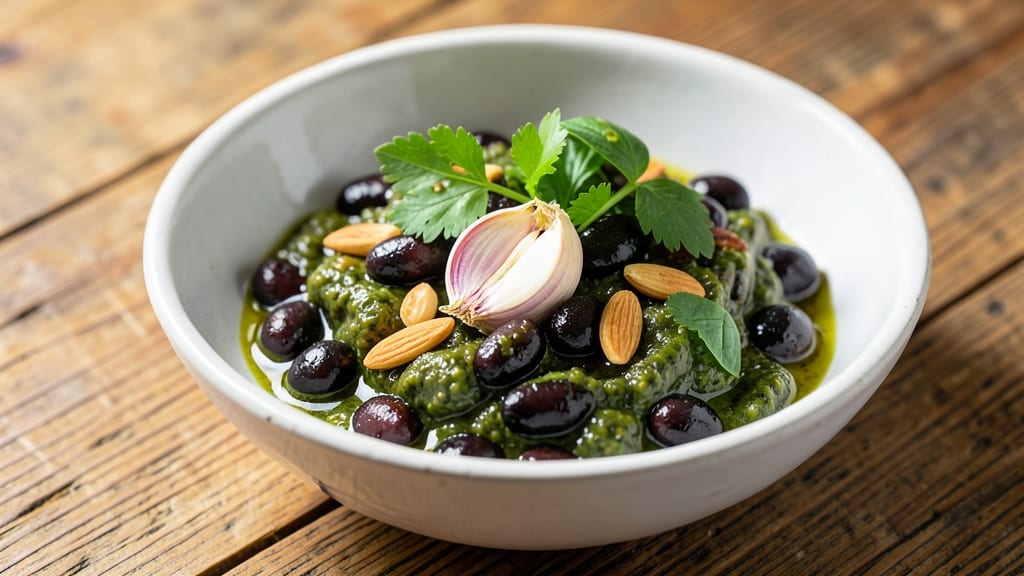
This black bean pesto recipe transforms traditional basil pesto with a protein-packed twist that's equally nutty, herby, and satisfying. The secret lies in blending cooked black beans with toasted nuts, fresh herbs, and bright lemon juice to create a vibrant, spreadable sauce with measurable texture and depth.
Unlike conventional pestos, this version delivers plant-based protein while maintaining that signature creamy, herby profile.
The foundation starts with toasted almonds or pine nuts for crunch, blended with canned black beans (rinsed for mild flavor), garlic, and fresh parsley or basil. A splash of lemon juice and olive oil bind everything together into a smooth yet textured dip that's perfect for pasta, sandwiches, or dipping.
The black beans add natural creaminess without dairy, while the herbs keep it fresh and aromatic.
What makes this recipe stand out is its versatility—use it as a bold pasta sauce, a protein-rich dip, or a sandwich spread that adds heartiness to any meal. The sauce develops better flavors after 30 minutes of chilling, allowing the ingredients to fully meld.
Store it in the fridge for up to 5 days or freeze for longer shelf life, making it ideal for meal prep.
For extra richness, stir in a spoonful of nutritional yeast or a drizzle of tahini before serving. The possibilities are endless—pair it with grilled vegetables, toasted bread, or even as a taco seasoning for a unique twist.
This isn't just pesto; it's a nutrient-dense, flavor-packed upgrade that proves plant-based eating can be just as indulgent.
Ingredients for black bean pesto
Ten ingredients blend into a protein-rich, herby, and nutty pesto that redefines plant-based dips.
| Ingredient | Amount | Notes |
|---|---|---|
| Canned Black Beans 🫘 | 1 ½ cups | Rinsed thoroughly for mild flavor |
| Raw Almonds 🌰 | ¾ cup | Toasted until golden brown |
| Fresh Parsley Leaves 🌿 | 1 cup | Stems removed, tightly packed |
| Fresh Basil Leaves 🌿 | ½ cup | Packed, stems removed |
| Garlic Cloves 🧄 | 4 cloves | Peeled, roughly chopped |
| Extra-Virgin Olive Oil 🫒 | ½ cup | High-quality, fruity variety |
| Lemon Juice 🍋 | 2 tbsp | Freshly squeezed, strained |
| Nutritional Yeast 🧀 | 2 tbsp | For umami depth and cheesy flavor |
| Sea Salt 🧂 | ½ tsp | Fine grain preferred |
| Black Pepper 🌶️ | ¼ tsp | Freshly ground for best flavor |
The foundation of this pesto starts with organic canned black beans—look for low-sodium varieties at Whole Foods or Trader Joe's for the mildest flavor. Toasted almonds are non-negotiable for texture; skip the pre-toasted bags and toast your own in a dry pan until golden. Fresh herbs matter here—bright green parsley and basil from the market will give you the best flavor, but if you're using dried, reduce to one-third the amount. Garlic should be freshly peeled and roughly chopped—no pre-minced jars. For the olive oil, California-grown extra-virgin brands like Corto or Lucini add fruity depth that store-bought can't match.
No almonds? Toasted walnuts or cashews work equally well, though the flavor profile shifts slightly. Running short on herbs? Fresh cilantro or spinach can stretch the green base, but basil and parsley are ideal. The nutritional yeast is optional but recommended—it adds that umami punch that makes this pesto taste restaurant-quality. For extra richness, stir in 1 tbsp of tahini or a pinch of smoked paprika before serving. Lemon juice should always be freshly squeezed; bottled versions lack the bright acidity needed to balance the beans' earthiness. Salt to taste—this sauce develops flavor as it sits, so don't over-salt initially.
This pesto thickens as it chills, so cover with plastic wrap pressed directly onto the surface to prevent oxidation. Store in an airtight container in the fridge for up to 5 days, or freeze in ice cube trays for 3 months—perfect for single-serving portions. The flavors deepen after 30 minutes of chilling, so plan ahead if you're using it as a pasta sauce. For best texture, let it sit at room temperature for 10 minutes before blending again if it separates. The sauce pairs beautifully with grilled vegetables, toasted sourdough, or as a taco seasoning—its versatility makes it a pantry staple worth repeating.
Why You'll Love This Recipe
- No-Fuss Pantry Staples: I swear by this recipe because it uses what I always have: a can of black beans (drained, rinsed, boom—done), raw almonds I toast in the same pan, and herbs I chop while the stove heats up. No specialty ingredients, no last-minute grocery runs. Honestly, the almonds get crunchy in minutes, and the beans blend into a thick, creamy base without extra fuss.
- Umami-Packed Punch: Between us, the garlic and parsley alone make this taste like a fancy restaurant dish—but the black beans add this deep, earthy richness that’s ridiculously satisfying. I’ll be real: my picky-eater husband actually licks the spoon when I serve it over pasta. That’s saying something.
- Spread It Everywhere: This isn’t just a pasta sauce—it’s a versatile hero. Slather it on toast with a fried egg for breakfast, mix it into scrambled eggs for lunch, or toss it with roasted veggies for dinner. I even use it as a dip for chips when I’m too tired to cook. (Yes, even on a Tuesday night.)
- Budget-Friendly Leftovers: A single batch stretches for days: I’ll make a big jar on Sunday, and by Friday, it’s still saving me money. The almonds add texture without breaking the bank, and the beans bulk it up so a little goes a long way. Plus, it freezes like a dream—just thaw and use. My wallet and my freezer thank me.
Step-by-step instructions for black bean pesto
Transform simple pantry staples into a vibrant, protein-rich pesto with this precise technique.
Toast the Almonds and Garlic
Heat a dry skillet over medium heat and add the 0.75 cup raw almonds. Toast them for 4-5 minutes, stirring constantly, until they turn a light golden brown and release their nutty aroma. This step is crucial—it enhances their flavor and prevents bitterness in the final pesto.
Remove the almonds and immediately add the 4 cloves garlic cloves to the same skillet. Cook for 30 seconds until fragrant but not browned—garlic burns quickly, and you want it to add sweetness, not bitterness. Transfer both to a food processor or high-powered blender and let them cool slightly before processing.
Process the Herb and Bean Base
Add the 1 cup fresh parsley leaves, 0.5 cup fresh basil leaves, 1.5 cups canned black beans, 2 tbsp nutritional yeast, 0.5 tsp sea salt, and 0.25 tsp black pepper to the food processor. Pulse 3-4 times until everything is finely chopped but not fully blended. This creates texture while ensuring even distribution of flavors.
Here's the thing—don't rush this step. You want the herbs and beans to break down just enough to form a coarse paste, not a smooth puree. The black beans will add creaminess and protein, while the herbs maintain freshness. If using a high-powered blender, pulse intermittently to avoid over-processing.
Blend with Olive Oil and Lemon Juice
With the processor running, slowly drizzle in the 0.5 cup extra-virgin olive oil through the feed tube. This gradual addition prevents the mixture from becoming oily or separating. The oil should emulsify with the bean-herb base, creating a thick, vibrant paste.
Once the oil is fully incorporated, add the 2 tbsp lemon juice and process for an additional 30-45 seconds until completely smooth. The lemon juice brightens the flavors and balances the richness of the almonds and olive oil. Taste and adjust seasoning if needed—this is your chance to fine-tune the balance between nutty, herby, and umami notes.
Adjust Consistency and Store Properly
If the pesto is too thick, add 1-2 tablespoons of water (or reserved pasta water) while processing to reach your desired consistency. For a smoother texture, blend for an additional 10-15 seconds, but be cautious—over-blending can turn the pesto into a puree, losing its desirable texture.
Transfer the pesto to an airtight container and press plastic wrap directly onto the surface to minimize air exposure. Store in the refrigerator for up to 5 days or freeze for 3 months. This pesto keeps well and makes an excellent base for pasta, sandwiches, or as a protein-rich dip with veggies or crackers.
Pro Tips For Making Black Bean Pesto
- TOAST THE ALMONDS: DESCRIPTION:
- DRAIN AND RINSE BEANS: DESCRIPTION:
- PULSE DON’T PUREE: DESCRIPTION:
- SAVE THE GARLIC PEELS: DESCRIPTION:
Make-ahead tips for Leftovers
Prep Ahead Strategy
Make this pesto up to 3 days in advance for deeper flavor development. Store in an airtight container with plastic wrap pressed directly on the surface to prevent oxidation. The flavors intensify as the herbs and beans meld together—this is especially noticeable when using it as a pasta sauce. 🌱
Freezing for Later
Portion the pesto into ice cube trays or small airtight containers before freezing. This makes it perfect for single-serving pasta nights or quick sandwich spreads. Thaw overnight in the fridge and stir before using—no need to reheat.
The texture remains creamy after freezing, though it may thicken slightly. Add a splash of water or olive oil to restore consistency.
Batch Prep Tips
Double the recipe and store half in the freezer for future meals. I like keeping a batch in my fridge for quick sandwich assembly or as a taco seasoning.
Label containers with the date and use within 3 months for best quality. For extra convenience, freeze in 1-tablespoon portions—perfect for drizzling over soups or salads. ❄️
Reviving Stored Pesto
If your pesto thickens after refrigeration, stir in 1 teaspoon of water or olive oil to loosen it up. For a smoother texture, blend briefly in a food processor. If it separates, simply stir vigorously—this pesto is forgiving.
I've even successfully revived pesto that sat in the fridge for 7 days by blending with a splash of lemon juice to refresh the flavors.
Meal Prep Pairings
Prep this pesto alongside your weekly meal plan. It pairs perfectly with roasted sweet potatoes or grilled chicken for a protein-packed meal. Use it as a marinade for tofu or as a dip for veggie sticks.
The versatility makes it a meal prep MVP—just store it separately and mix as needed. 🍽️
Long-Term Storage
For maximum shelf life, freeze the pesto in silicone molds or small jars. When ready to use, transfer directly from the freezer to your recipe—no thawing required. The cold temperature helps preserve the vibrant green color and fresh flavors.
I've kept this pesto frozen for up to 6 months with no noticeable quality loss when stored properly. 💡
Nutrition facts
Frequently asked questions
Can I substitute other beans for black beans in this recipe?
While black beans add natural creaminess, you can use white beans, chickpeas, or lentils for a different texture. Just adjust the liquid—white beans need slightly more olive oil to bind, while lentils may require an extra 1 tablespoon of lemon juice to brighten their earthy flavor. The herb-to-bean ratio should remain 1:1 for best balance.
Why does my pesto turn gray or brown after refrigeration?
This happens when air oxidizes the herbs and beans. To prevent it, press plastic wrap directly onto the surface before sealing the container. For grayish pesto, blend in 1 teaspoon of fresh lemon juice to restore color and brightness. The flavor remains delicious—it's purely a visual issue!
How can I make this pesto extra creamy without dairy?
Blend in 1-2 tablespoons of silken tofu or avocado for a richer texture. For a nut-free version, replace almonds with roasted sunflower seeds and add 1 tablespoon of tahini to the oil mixture. These swaps keep the sauce smooth while maintaining the plant-based profile.
Can I use this pesto as a marinade for proteins?
Yes! Thin it with 2 tablespoons of water or balsamic vinegar and use it to marinate chicken, tofu, or fish for 30-60 minutes. The herbs and garlic infuse beautifully, while the black beans add moisture. For best results, grill or bake the protein after marinating—don't let it sit too long or the acidity may toughen the meat.
What's the best way to reheat leftover pesto?
Never microwave it directly—this can make it greasy. Instead, stir in 1 teaspoon of water or olive oil and heat in a saucepan over low heat for 1-2 minutes until warmed through. For frozen pesto, thaw in the fridge overnight and blend briefly to restore texture. Always reheat gently to preserve the vibrant flavors.