
Soups & Stews
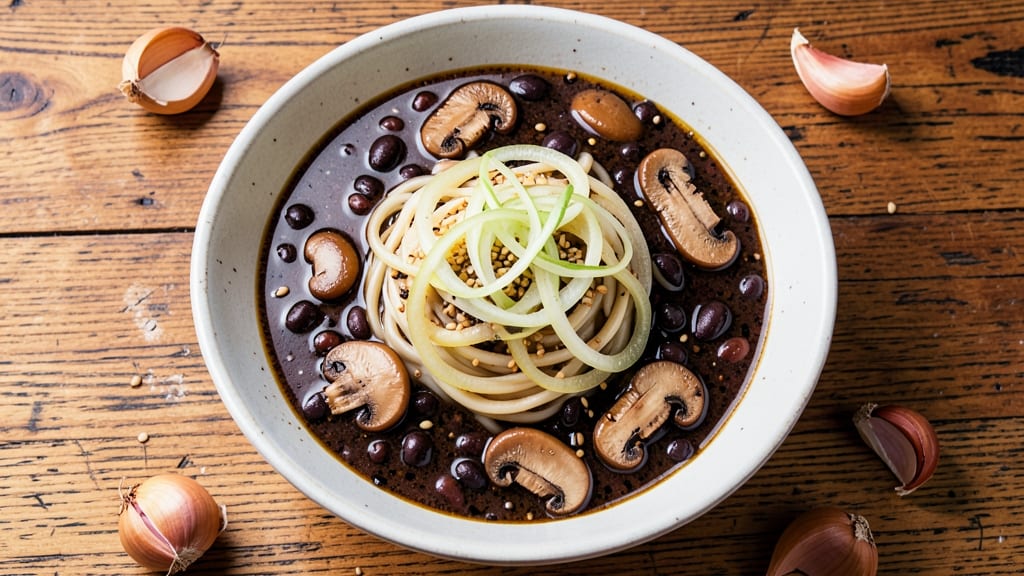
This vegan black bean ramen noodles recipe transforms a simple bowl into a restaurant-worthy experience with deep umami flavor and satisfying texture. The secret lies in a rich, savory broth made from black beans, mushrooms, and aromatic vegetables—no chicken stock required.
I developed this recipe after years of perfecting plant-based ramen, ensuring every spoonful delivers that perfect balance of heartiness and comfort.
The beauty of this dish is its adaptability—customize with chili oil for heat, sesame seeds for nutty crunch, or fresh scallions for brightness. Traditional ramen techniques like proper noodle cooking and strategic garnishing ensure the bowl looks as impressive as it tastes.
The black beans add protein and earthiness, while mushrooms deepen the umami without overpowering the delicate ramen noodles.
What you’ll end up with is a steaming bowl of plant-based ramen that’s creamy, aromatic, and packed with layers of flavor. The broth clings to the noodles, the black beans add substance, and every bite feels like a well-balanced meal.
Whether you're a ramen enthusiast or new to plant-based cooking, this recipe delivers restaurant-quality results at home.
Serve immediately with all the fixings on the side—let everyone assemble their own bowl for the perfect first bite. The technique is simple, but the flavor is anything but ordinary. Let’s get cooking!
Ingredients for black bean ramen noodles
Umami-rich plant-based ingredients that transform simple noodles into a restaurant-quality bowl.
| Ingredient | Amount | Notes |
|---|---|---|
| Dried Ramen Noodles 🍜 | 8 oz | Discard seasoning packet, use fresh broth |
| Black Beans 🫘 | 1 ½ cups | Cooked, canned or dried (soaked overnight) |
| Shiitake Mushrooms 🍄 | 8 oz | Fresh or rehydrated dried, sliced |
| Yellow Onion 🧅 | 1 whole | Thinly sliced for aromatic base |
| Garlic Cloves 🧄 | 6 cloves | Minced for deep flavor development |
| Fresh Ginger 🌿 | 1 tbsp | Grated, for umami brightness |
| Vegetable Broth 💧 | 4 cups | Low-sodium, high-quality preferred |
| Coconut Milk 🥥 | ½ cup | Full-fat for creamy texture |
| Sesame Oil 🫒 | 1 tbsp | Toasted, for nutty aroma |
| Soy Sauce 🍶 | 2 tbsp | Tamari for gluten-free option |
| Rice Vinegar 🍶 | 1 tbsp | For subtle acidity balance |
| Maple Syrup 🍯 | 1 tsp | For natural sweetness |
| Red Chili Flakes 🌶️ | ½ tsp | Adjust for heat preference |
| Toasted Sesame Seeds 🌰 | 1 tbsp | For garnish and crunch |
| Fresh Scallions 🧅 | 2 whole | Thinly sliced for garnish |
The shiitake mushrooms and black beans form the umami backbone of this broth—fresh shiitake from Whole Foods or Trader Joe's delivers the deepest flavor, but dried mushrooms rehydrated in warm broth work beautifully. For the black beans, low-sodium canned varieties like Bush's or Wild Garden save time, while dried beans (soaked overnight) add earthy depth. The garlic and ginger should be freshly grated or minced—pre-minced garlic lacks the aromatic punch needed for this dish. For the ramen noodles, Koyo or Nissin brands provide that signature chewy texture without the seasoning packet.
No shiitake mushrooms? Cremini or oyster mushrooms provide a similar umami profile, though with slightly different texture. Substitute coconut milk with cashew cream for a lighter option, though the richness is key here. The soy sauce can be swapped for coconut aminos for gluten-free compatibility, but tamari offers the best balance. For the broth, Better Than Bouillon vegetable base creates a solid foundation, though homemade vegetable stock with carrot, celery, and onion (CCO) builds more complexity. The maple syrup can be omitted entirely if you prefer a savory-forward bowl, though it helps balance the umami richness.
Fresh ginger and garlic keep best in the fridge for 2 weeks when stored properly—wrap in damp paper towels for maximum freshness. The dried ramen noodles should be stored in an airtight container and used within 6 months of purchase. This broth freezes beautifully for up to 3 months—portion into ice cube trays before transferring to a freezer bag for easy single-serving use. For the garnishes, toast the sesame seeds in a dry pan over medium heat for 2-3 minutes until golden and fragrant, then cool completely before storing in an airtight container for up to 2 weeks. The scallions can be trimmed and stored in the fridge for 1 week.
Why You'll Love This Recipe
- Pantry Magic: I swear by this recipe when I’ve got nothing but beans, mushrooms, and a half-empty spice rack. The black beans add instant heartiness, and those shiitake mushrooms? They soak up the garlic like a dream—no fancy prep, just slice-and-simmer.
- Umami Bomb: Between the earthy shiitake, the deep garlic, and the black beans’ creamy texture, this ramen is ridiculously flavorful. Honestly, I’ve made it with just salt and oil, and it still tastes like I slaved over it.
- Lunchbox Hero: Double the batch, let it cool, and pack it for work or school—it reheats like a dream. The noodles stay tender, and the beans keep everything from turning into mush. My college kid’s go-to? Yes, even on a Tuesday night.
- Budget Win: Dried ramen and canned beans? That’s $3 at the store. Add mushrooms when they’re on sale, and this becomes my secret weapon for feeding four for under $10. Leftovers? Even better cold the next day.
Step-by-step instructions for black bean ramen noodles
Transform simple ingredients into a rich, umami-packed bowl with this precise method.
🍳 Step 1: Sauté Aromatics for Deep Flavor Foundation
Heat the 1 tablespoon sesame oil in a large pot over medium heat. Add the 1 whole yellow onion, sliced, and cook for 4-5 minutes until soft and translucent, stirring occasionally. The onions should release their sweetness without browning.
Add the 8 oz shiitake mushrooms, sliced, and cook for another 5 minutes until they release their moisture and begin to soften. Stir in the 6 cloves garlic cloves, minced, and 1 tablespoon fresh ginger, grated, cooking for 30 seconds until fragrant. Here's where the umami magic begins—don't rush this step, as proper development of these aromatics forms the flavor backbone.
🍳 Step 2: Build the Rich Broth Base
Pour in the 4 cups vegetable broth and bring to a gentle boil. Reduce heat to medium-low and add the 1.5 cups black beans (cooked). Stir in the 2 tablespoons soy sauce, 1 tablespoon rice vinegar, and 1 teaspoon maple syrup, letting the mixture simmer for 5 minutes to allow flavors to meld.
Add the 0.5 cup coconut milk and 0.5 teaspoon red chili flakes, stirring gently. The coconut milk will create a velvety texture while the chili flakes add subtle heat. Taste and adjust seasoning—this is your flavor checkpoint. The broth should be rich, slightly sweet, and properly balanced between savory and umami notes.
🍳 Step 3: Cook the Ramen Noodles Perfectly
Add the 8 oz dried ramen noodles (discard the seasoning packet) to the simmering broth. Stir gently to distribute the noodles evenly. Cook for 4-5 minutes until the noodles are tender but still have a slight bite—this ensures they don't turn mushy. The broth should reduce slightly, coating the noodles in a flavorful sauce.
Real talk: Don't overcook the noodles. They'll continue cooking slightly as they absorb the hot broth. Test one noodle by biting into it—it should be al dente with a pleasant chew. If it's too firm, add ¼ cup hot broth and cook for another 1 minute.
🥘 Step 4: Finish and Garnish for Presentation
Remove the pot from heat and let it sit for 2 minutes to allow the flavors to settle. Stir in the 1 tablespoon toasted sesame seeds and 2 whole fresh scallions, sliced, distributing them evenly throughout the bowl. The sesame seeds add nutty crunch while the scallions provide fresh contrast.
Ladle the ramen into bowls immediately, ensuring each serving gets an even distribution of noodles, beans, and mushrooms. The presentation should be vibrant, with the deep brown broth contrasting against the pale noodles and bright green scallions. Serve while hot for the best texture and flavor experience.
Pro Tips For Making Black Bean Ramen Noodles
- SOAK SHIITAKES FIRST: Fresh shiitake mushrooms release their meaty flavor faster when you slice them and soak in warm water for 10 minutes before cooking. I used to skip this, and they’d turn mushy—now they stay firm while infusing the broth with depth. Drain and pat dry before sautéing.
- DON’T BOIL BEANS DRY: Rinse canned black beans and drain them, but leave about ¼ cup of the starchy liquid—the aquafaba. Stir it into your ramen broth at the end. It thickens the sauce naturally and adds a subtle richness without extra ingredients. (Yes, even if you’re impatient like me.)
- SALAMI THE ONION: Thinly slice the yellow onion—almost like paper—and cook it in batches over medium heat for 5 minutes per batch. Crowding the pan steams instead of caramelizes, and you’ll end up with sad, watery onion bits. A little oil goes a long way here.
- UPGRADE THE NOODLES: Toss your cooked ramen noodles with a splash of cold water right after draining, then microwave for 30 seconds. This stops them from sticking and revives their texture. Add a pinch of baking soda to the water—it’s a trick I stole from my mom, and the noodles stay silky.
Perfect pairings for this dish
Broth Boosters
Elevate your black bean ramen broth with these umami-packed additions. Stir in 1 tbsp miso paste (white or red) during the simmer for an extra layer of depth—just be sure to use low-sodium miso to avoid over-salting.
For a smoky twist, add ½ tsp liquid smoke (like La Choy) or a crushed bay leaf while simmering. I also love adding 1 tbsp nutritional yeast for a cheesy, savory boost that vegans adore. 💫
Toppings Galore
Turn your bowl into a customizable feast with these topping ideas. Crispy baked tofu (tossed in 1 tbsp soy sauce + 1 tsp cornstarch) adds protein and texture. For freshness, try shredded purple cabbage or thinly sliced cucumber—their crunch contrasts beautifully with the creamy broth.
Don’t forget soft-boiled eggs (if you’re not strictly vegan) or crumbled tempeh for a meaty substitute. 🥗
Drink Pairings
Match your ramen with beverages that complement its rich, savory profile. A lightly sparkling jasmine tea (like Harney & Sons) enhances the umami without overpowering. For beer lovers, a session IPA (like New Belgium Fat Tire) cuts through the coconut milk’s richness.
If you prefer wine, a dry Riesling offers crisp acidity that balances the dish’s depth. 🍷
Spice & Heat
Adjust the heat to your preference with these fiery additions. Drizzle 1 tsp chili crisp (like Sichuan peppercorn-infused chili oil) for a numbing, spicy kick. For smoky heat, add ½ tsp smoked paprika to the broth while simmering.
If you love fresh heat, top each bowl with thinly sliced jalapeños or pickled red onions—their acidity brightens the dish. 🌶️
Make-Ahead Magic
Prepare components ahead to streamline assembly. Cook the broth base and store it in an airtight container in the fridge for up to 3 days or freeze for 3 months. Keep the noodles separate until ready to cook—just add them fresh to hot broth for the best texture.
Toast the sesame seeds and chop scallions in advance for quick garnishing. Reheat broth gently on the stove, adding a splash of water if it thickens too much. ⏰
Nutrition facts
Frequently asked questions
Can I make this black bean ramen gluten-free?
Use tamari instead of soy sauce and ensure your ramen noodles are certified gluten-free. Check labels carefully—many brands offer GF options made from rice or corn. For extra insurance, swap the regular noodles for shirataki noodles (konjac-based) which are naturally gluten-free and low-calorie.
How do I adjust the spice level for sensitive eaters?
Reduce the red chili flakes to ¼ teaspoon or omit completely. For a milder kick, add heat only to individual bowls—try ½ teaspoon chili oil per serving instead of mixing it into the broth. The coconut milk naturally balances spice, so you won't lose richness by dialing back the heat.
What's the best way to store leftovers?
Store the broth and noodles separately in airtight containers for up to 3 days in the fridge. Reheat broth gently on the stove, then add fresh noodles to hot broth for 2-3 minutes to prevent mushiness. For longer storage, freeze broth in ice cube trays (up to 3 months)—just thaw overnight in the fridge before reheating.
Can I substitute other beans for black beans?
Yes! For a creamier texture, try white beans or lentils (cooked). For smoky depth, use black-eyed peas or adzuki beans. Just note that flavor and texture will vary—black beans provide the best umami balance for this recipe. If substituting, adjust liquid by ¼ cup to account for different moisture content.
Why did my noodles turn mushy?
Overcooking is the most common cause—ramen noodles finish cooking in hot broth. Always test one noodle by biting it (should have slight bite) and never exceed 5 minutes of cooking time in the broth. If using pre-boiled noodles, reduce cooking time by 1 minute. For extra insurance, use fresh ramen noodles (not pre-boiled) from brands like Koyo.