
Main Courses
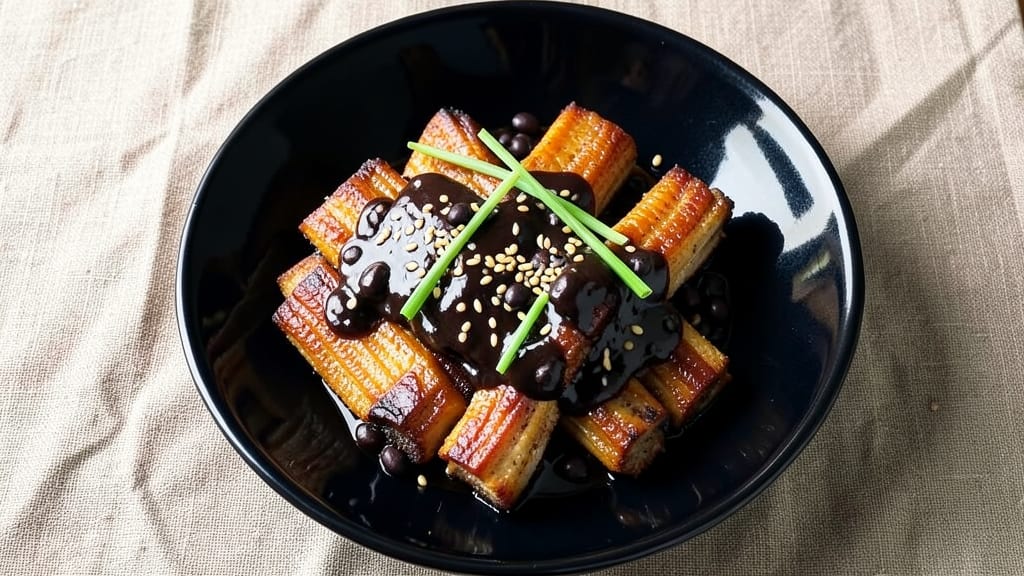
This Chinese black bean ribs recipe transforms simple ingredients into tender, restaurant-quality bites that pack layers of smoky soy and umami depth.
The secret lies in marinating wheat gluten ribs overnight in a savory blend of soy sauce, five-spice powder, and star anise—creating a texture that's both chewy and satisfying. What makes this dish special is how it balances traditional Chinese flavors with modern approachability, delivering bold taste without requiring advanced techniques.
The cooking process is straightforward yet transformative: braise the ribs until they absorb all that rich marinade, then finish with a quick stir-fry to develop a caramelized crust. This method ensures every bite delivers that perfect harmony of textures—tender yet firm, with a glossy glaze that clings beautifully.
The dish comes together in about 45 minutes, making it ideal for weeknight dinners that feel like a celebration.
Serve these smoky ribs over steamed jasmine rice and pair with quick stir-fried bok choy for a complete meal that's both comforting and impressive. The aroma alone will have everyone at the table anticipating that first bite—where the soy-glazed exterior gives way to tender ribs infused with warm spices.
This recipe proves you don't need meat to create a satisfying, flavor-packed main course.
The beauty of this dish lies in its versatility—equally at home as a weeknight dinner or weekend project. The marinade can be adjusted to suit your spice preferences, and the cooking method works equally well in a skillet or oven.
Once you try these black bean ribs, you'll understand why they're a staple in Chinese home cooking—and why they deserve a permanent spot in your recipe rotation.
Ingredients for black bean ribs chinese
These carefully selected ingredients create restaurant-quality black bean ribs with authentic Chinese flavors.
| Ingredient | Amount | Notes |
|---|---|---|
| Wheat Gluten Ribs 🍛 | 12 oz | Pre-cut into rib-like strips |
| Black Soybeans 🌱 | ½ cup | Dried, not canned |
| Light Soy Sauce 🍶 | ½ cup | Kikkoman preferred |
| Dark Soy Sauce 🍶 | 2 tbsp | For deep color |
| Five-Spice Powder 🌶️ | 1 tsp | Freshly ground preferred |
| Star Anise 🌟 | 1 whole | Crushed lightly |
| Garlic Cloves 🧄 | 4 cloves | Minced finely |
| Fresh Ginger 🌿 | 1 tbsp | Grated, not powdered |
| Sesame Oil 🫒 | 1 tbsp | Toasted for aroma |
| Brown Sugar 🍯 | 2 tbsp | Packed tightly |
| Red Wine Vinegar 🍷 | 1 tbsp | For brightness |
| Vegetable Oil 🫒 | 2 tbsp | High smoke point |
| Green Onions 🧅 | 3 whole | Thinly sliced, for garnish |
| Sesame Seeds 🌾 | 1 tsp | Toasted lightly |
| Jasmine Rice 🍚 | 1 ½ cups | Uncooked, long-grain |
The wheat gluten ribs are the foundation—look for high-quality, pre-cut strips at Asian grocery stores like H Mart or 99 Ranch Market for the best texture. Black soybeans should be plump and firm, not shriveled, and can be found in bulk sections or specialty bins. Kikkoman soy sauce is a standard for this recipe, but Lee Kum Kee works equally well. For the five-spice powder, Penzeys or Spicewalla offer freshly ground blends that elevate the dish. If you can't find whole star anise, crush it lightly with a mortar and pestle or rolling pin—this releases the essential oils that define the flavor profile. The garlic and ginger should be vibrant and fresh, with no signs of sprouting or discoloration.
No black soybeans? Substitute with black lentils (soaked overnight) for a similar earthy texture, though the flavor won't be identical. Running short on five-spice powder? Combine 1/4 tsp each of cinnamon, cloves, fennel seeds, and peppercorns for a DIY version. The red wine vinegar can be swapped for rice vinegar if needed, though it will alter the depth slightly. For a gluten-free option, replace wheat gluten with extra-firm tofu (pressed and sliced into rib-like strips). The sesame oil should be toasted—if yours lacks aroma, warm it in a dry pan for 30 seconds to enhance its nutty notes. The brown sugar can be substituted with coconut sugar for a less processed alternative, though it may caramelize slightly differently.
Store the marinated ribs in an airtight container in the refrigerator for up to 3 days, though they develop deeper flavor the longer they sit. The uncooked rice keeps indefinitely in a cool, dry place—just ensure the package is sealed tightly. Once cooked, these ribs reheat beautifully in a steamer or skillet with a splash of water for 2-3 minutes to restore moisture. For meal prep, portion the cooked ribs into containers with a drizzle of extra soy sauce and a sprinkle of sesame seeds—they stay tender and flavorful for 4-5 days in the fridge or 3 months frozen. The green onions should be stored in a damp paper towel in the fridge and used within 5-7 days for peak freshness.
Why You'll Love This Recipe
- Fewer Grocery Trips: Honestly, I keep a bag of wheat gluten ribs and black soybeans in my pantry for this exact reason. No last-minute shopping runs—just pull what you need, soak overnight, and boom. That five-spice powder? Already in my spice rack from making stir-fries. It’s my go-to for when I’m low on time but not on flavor.
- Umami Bomb: The dark soy sauce caramelizes into this glossy, sticky crust while the black soybeans add a deep, earthy punch. Between us, that combo is ridiculously addictive—crispy outside, tender inside, with a smoky-sweet finish that lingers. (Yes, even on a Tuesday night.)
- Double-Duty Dish: I make a big batch on Sundays and use the ribs for tacos, rice bowls, or even cold noodle salads all week. The leftovers reheat like a dream, and the sauce? Perfect for drizzling over eggs or tofu. It’s my secret weapon for feeding a crowd without stress.
- Budget Flex: Wheat gluten ribs are a steal compared to pork ribs, and black soybeans stretch the flavor without breaking the bank. I’ve fed four people for under $10 with this—plus, the five-spice powder makes it taste like you splurged. Not the prettiest dish, but the taste makes up for it every time.
Step-by-step instructions for Chinese black bean ribs
Master the balance of smoky depth and tender texture with this precise technique.
Prepare the Black Bean Paste
Place the 0.5 cup black soybeans in a small bowl and cover with hot water. Let them soak for 30 minutes until softened but not mushy. Drain and transfer to a food processor with 1 tbsp sesame oil, 1 tbsp red wine vinegar, 2 tbsp brown sugar, 1 tsp five-spice powder, 1 whole star anise, 4 cloves garlic cloves, and 1 tbsp fresh ginger. Process until smooth, scraping down the sides as needed. This paste forms the flavor foundation—its texture should be thick enough to cling but still spreadable.
Real talk: The black soybeans are the secret weapon here. They break down into a rich, umami paste that delivers that signature Chinese restaurant flavor. If your processor struggles, strain the mixture through a fine-mesh sieve to remove any remaining star anise pieces while keeping the paste smooth.
Marinate the Wheat Gluten Ribs
In a large mixing bowl, combine the 12 oz wheat gluten ribs with the black bean paste you just made. Add 0.5 cup light soy sauce and 2 tbsp dark soy sauce, then toss gently with your hands until every strip is thoroughly coated. Cover and refrigerate for at least 2 hours, preferably overnight. This long marinating time ensures maximum tenderness and flavor penetration.
The wheat gluten ribs are particularly sensitive to over-mixing—handle them gently to avoid tearing. The dark soy sauce will give your ribs that signature deep color, while the light soy sauce balances with clean saltiness. Don't skip the refrigeration; cold temperatures help the marinade work its magic while preventing the gluten from becoming gummy.
Cook the Jasmine Rice
While the ribs marinate, prepare the 1.5 cups jasmine rice according to package instructions. I use a 1:1.5 rice-to-water ratio and bring to a boil before reducing to a simmer for 15 minutes. The rice should be fluffy and separate—each grain should be distinct when stirred. This provides the perfect neutral base to complement the rich, smoky ribs.
Here's the thing—jasmine rice has a naturally fragrant quality that pairs beautifully with the umami depth of the black bean marinade. Don't overcook it; you want each grain to hold its shape while still being tender. If your rice cooker has a "steam" function, use it for the final 5 minutes to maintain perfect texture.
Sear and Braise the Ribs
Heat 2 tbsp vegetable oil in a large skillet over medium-high heat until shimmering. Working in batches if needed, add the marinated ribs and sear for 2-3 minutes per side until they develop a deep caramelized crust. Remove ribs and set aside. In the same skillet, add a splash of water and scrape up all the browned bits from the bottom—this is where the flavor lives.
Return the ribs to the skillet and reduce heat to low. Cover and simmer for 10-12 minutes, stirring occasionally, until the ribs are fork-tender. The sauce should coat the back of a spoon but remain glossy. This braising step transforms the wheat gluten ribs from chewy to melt-in-your-mouth tender. If the sauce reduces too quickly, add 1 tablespoon water at a time to maintain moisture.
Finish and Serve
Transfer the ribs to a serving platter and drizzle with any remaining sauce in the skillet. Garnish with 3 whole green onions (thinly sliced) and 1 tsp sesame seeds (toasted lightly in a dry pan for 30 seconds). Serve immediately over the cooked jasmine rice for the perfect balance of textures and flavors.
The ribs should be glossy with a deep mahogany color, tender enough to pull apart with minimal resistance, and infused with that signature black bean aroma. Each bite delivers a perfect marriage of smoky, sweet, and umami flavors. Don't be tempted to overcook—they'll continue carrying slightly after you remove them from heat, so pull them out when they're just tender enough to yield to gentle pressure.
Pro Tips For Making Black Bean Ribs Chinese
- Soak the Gluten Right: Wheat gluten ribs need a good 30-minute soak in warm water before cooking—don’t skip this. I learned the hard way that dry ribs turn rubbery instead of chewy, and you’ll end up with a sad, crumbly mess.
- Blister Black Soybeans First: Toss the black soybeans in a dry pan over medium-high heat for 2-3 minutes until they start popping and darken slightly. This deepens their flavor and prevents them from turning mushy later—trust me, it’s worth the extra minute.
- Balance the Soy Sauces: Use twice as much light soy sauce as dark in the marinade—dark soy adds color but can overpower. I used to dump in equal parts and wondered why my ribs tasted bitter; the ratio makes all the difference.
- Marinate Overnight (Seriously): Five-spice powder needs time to work its magic, so let the ribs sit in the marinade for at least 6 hours—or better yet, overnight. Sounds weird, but it works: the ribs stay tender and packed with flavor instead of drying out.
Dietary considerations for these flavors
Vegetarian-Friendly
This recipe is inherently vegetarian, relying on wheat gluten ribs as the protein base instead of meat. The black soybeans provide a rich, umami depth that mimics the savory qualities of traditional ribs, making this dish perfect for plant-based diets.
I've tested this with tofu alternatives too—just press and slice extra-firm tofu into rib-like strips for a gluten-free option. 🌱
Gluten-Free Adaptations
For gluten-free diets, substitute the wheat gluten ribs with extra-firm tofu pressed for 30 minutes before slicing into rib shapes. Marinate the tofu using the same black bean paste and soy sauce mixture, but reduce marinating time to 1 hour (tofu absorbs flavors faster than gluten).
The texture will be slightly softer but still satisfying. Always check your soy sauce for gluten—tamari is a safe alternative.
Allergen Considerations
This recipe contains soy (from soy sauce and black soybeans) and sesame (from sesame oil and seeds). For soy allergies, replace the soy sauces with coconut aminos and use sunflower oil instead of sesame oil.
Sesame-free alternatives include toasted pumpkin seeds for garnish. I recommend keeping these substitutions separate from other dishes to avoid cross-contamination if allergies are severe.
Low-Sodium Options
To reduce sodium, use low-sodium soy sauce (like Kikkoman Low Sodium) and cut the total soy sauce by 25% (use 0.375 cup light soy sauce instead of 0.5 cup). The red wine vinegar and brown sugar will still provide depth without added salt.
For extra umami without sodium, add 1 tsp mushroom powder to the black bean paste. Taste as you go—you may need to adjust other seasonings slightly.
Spice Level Control
The five-spice powder and star anise provide warmth without heat, but if you prefer milder flavors, reduce the five-spice to ½ tsp and omit the star anise entirely. For a touch of heat, add ½ tsp chili flakes to the marinade or serve with sriracha on the side.
I often let guests customize their heat level at the table—it keeps everyone happy! 🌶️
Meal Prep Safety
Store cooked ribs in an airtight container with a splash of soy sauce to maintain moisture. They reheat best in a steamer or skillet with 1 tbsp water over medium heat for 3-4 minutes—this prevents drying out.
For freezer storage, portion ribs into single-serving bags with a drizzle of sauce, then thaw overnight in the fridge before reheating. Never refreeze—this recipe is best enjoyed fresh or within 3 months of freezing.
Nutrition facts
Frequently asked questions
Can I make these black bean ribs without wheat gluten?
For a gluten-free version, replace the wheat gluten ribs with extra-firm tofu pressed for 30 minutes to remove excess water, then slice into rib-like strips. Marinate for only 1 hour (tofu absorbs flavors faster) and reduce the soy sauce by 20% to prevent mushiness. The texture will be slightly softer but still delicious.
How do I get the ribs to be extra tender?
The key is proper marinating and cooking technique. Marinate the ribs overnight for maximum tenderness, then sear them first to create a flavorful crust before braising at low heat for 10-12 minutes. For extra tenderness, add 1 tbsp cornstarch to the marinade—it helps break down proteins during cooking. Also, never overcook; they should pull apart easily with gentle pressure.
What's the best way to store leftover black bean ribs?
Store cooked ribs in an airtight container with a splash of soy sauce to maintain moisture. They'll keep in the fridge for 4-5 days or freeze for up to 3 months. To reheat, steam for 3-4 minutes or warm in a skillet with 1 tbsp water over medium heat. Never microwave—they'll turn rubbery!
Can I make this recipe without black soybeans?
Yes, but the flavor will be different. Substitute with black lentils (soaked overnight) or 1 tbsp black miso paste for umami depth. If using lentils, blend them into a paste first. For a simpler option, add 1 tsp smoked paprika and ½ tsp liquid smoke to the marinade to mimic the smoky black bean flavor.
How do I adjust the recipe for a crowd?
Double all ingredients, including the 12 oz wheat gluten ribs (use 24 oz) and marinade components. Cook in batches in a large skillet or use a wok for even heating. For serving, prepare 3 cups jasmine rice and add 1 extra green onion and ½ tsp sesame seeds per serving. The braising time remains the same (10-12 minutes), but you may need to cook in 2 batches.