
Beverages
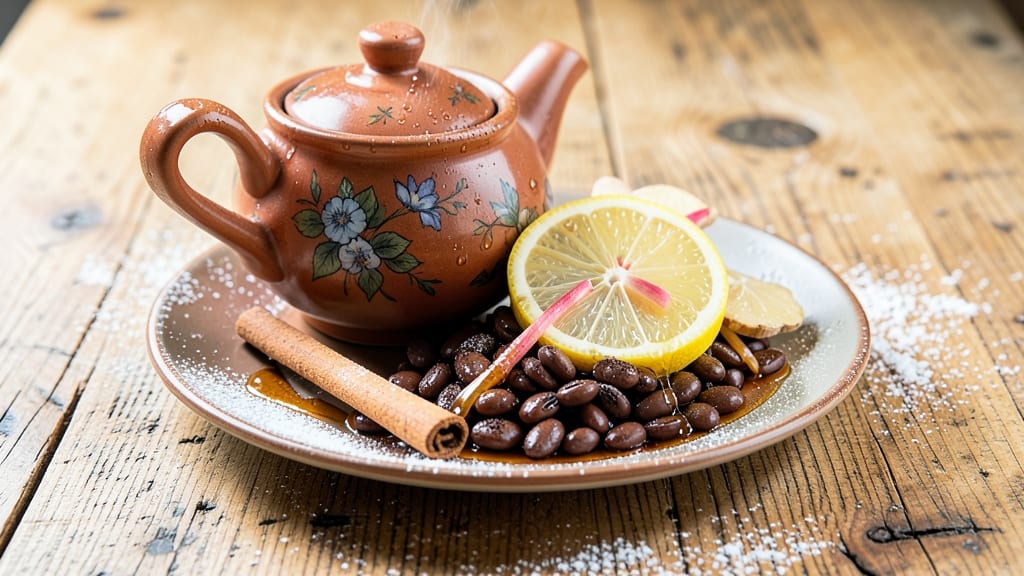
This black bean tea recipe transforms humble ingredients into a nourishing, earthy elixir with surprising depth—packed with plant-based protein and fiber while delivering soothing warmth. 💛 Rooted in Latin American traditions, this beverage bridges ancient remedies and modern wellness, offering anti-inflammatory benefits in every sip.
The magic lies in the beans' natural sweetness and umami, which infuse beautifully whether steeped hot or chilled.
What sets this tea apart is its versatility—sip it straight as a comforting drink or blend it into smoothies and desserts for added nutrition.
The process is simple yet transformative: soaking dried black beans (or using canned for convenience) unlocks their earthy, slightly nutty flavor, which pairs wonderfully with cinnamon, citrus, or a touch of vanilla. For those seeking a caffeine-free alternative, this recipe delivers both comfort and substance without the jitters.
The result is a beverage that feels like a hug in liquid form—warm, aromatic, and subtly sweet with a satisfying depth. Whether you're drawn to its cultural roots or its modern health perks, this tea proves that simple ingredients can create extraordinary experiences.
Perfect for cozy evenings, post-workout recovery, or as a unique addition to your wellness routine.
Beyond its role as a standalone drink, this tea adapts effortlessly to recipes like chilled lattes or even baked goods, making it a multipurpose staple. The key lies in balancing tradition with creativity—whether you steep it traditionally or experiment with modern twists, the result is always comforting and nourishing.
Let's explore how to bring this earthy, healthful beverage to life.
Ingredients for black bean tea
Earthy, nourishing ingredients that transform simple beans into a wellness elixir.
| Ingredient | Amount | Notes |
|---|---|---|
| Dried Black Beans 🌱 | ½ cup | Rinsed before soaking |
| Fresh Ginger Root 🧄 | 2 tbsp | Finely grated, organic preferred |
| Cinnamon Sticks 🌿 | 2 whole | Ceylon preferred for quality |
| Lemon Juice 🍋 | 2 tbsp | Freshly squeezed, organic |
| Pure Maple Syrup 🍯 | 1 tbsp | Grade B for depth of flavor |
| Vanilla Extract 🌸 | ½ tsp | Pure alcohol-free preferred |
| Filtered Water 💧 | 4 cups | Room temperature for soaking |
| Sea Salt 🧂 | ¼ tsp | Fine grain, unrefined |
| Fresh Orange Peel 🍊 | 1 tbsp | Finely grated, organic |
| Blackstrap Molasses 🍯 | 1 tsp | For mineral-rich depth |
| Fresh Cilantro Leaves 🌿 | ¼ cup | Optional garnish, chopped |
| Lime Wedges 🍋 | 2 whole | For serving, organic |
The black beans are the foundation—dried works best for maximum flavor infusion, but canned organic beans in water save time. For the ginger, organic is ideal as it retains more volatile oils, and Trader Joe's carries excellent quality at a reasonable price. Cinnamon sticks should be whole and aromatic; Penzeys Spices offers premium Ceylon cinnamon that's worth the investment for this recipe. The lemon juice and orange peel should be organic to avoid wax residue, and local farmers markets often have better quality citrus than conventional grocery stores.
No fresh ginger? Powdered ginger at half the amount works in a pinch, though it lacks the same depth. Substitute maple syrup with agave nectar for a neutral sweetness, but maple's molasses notes complement the tea beautifully. Vanilla extract can be omitted entirely if unavailable, but alcohol-free vanilla enhances the flavor without altering the aroma. For a caffeine-free twist, consider adding hibiscus flowers during steeping. The molasses provides essential minerals like calcium and iron, making this tea particularly nourishing.
Store dried beans in a cool, dark place for up to 12 months, while fresh ginger lasts 2 weeks in the fridge wrapped in a damp towel. The tea itself keeps for 3 days refrigerated, though it's best enjoyed fresh. For convenience, prepare a large batch and freeze in ice cube trays—just add hot water when ready to serve. The lime wedges should be added fresh to each serving to preserve their bright citrus flavor.
Why You'll Love This Recipe
- I’ll be real: I used to dread soaking beans overnight, but this tea starts with dried black beans that steep like tea bags—just toss them in hot water, let them sit, and boom. No prep, no fuss, just pure convenience.
- No-Soak Needed: I’ll be real: I used to dread soaking beans overnight, but this tea starts with dried black beans that steep like tea bags—just toss them in hot water, let them sit, and boom. No prep, no fuss, just pure convenience.
- Warmth in a Cup: That ginger-cinnamon-maple syrup combo? It’s like a spiced hug for your taste buds. The ginger adds a zesty kick, cinnamon brings cozy depth, and a splash of lemon brightens it all—like autumn in a mug, but better.
- Office-to-Date-Night Drink: Between us, this tea is my go-to for everything. Freeze leftover brewed tea into ice cubes for weekend cocktails, sip it cold over ice with a honey drizzle, or warm it up with a splash of milk for a creamy latte vibe. It’s the one drink that does it all.
Step-by-step instructions for black bean tea
Transform simple pantry staples into a soothing, nutrient-rich elixir with this precise method.
👨🍳 Step 1: Prepare the Black Beans for Infusion
Rinse the 0.5 cup dried black beans thoroughly under cold water to remove any debris. Place them in a medium saucepan and cover with 4 cups filtered water. Bring to a gentle boil over medium-high heat, then immediately reduce to a simmer for 15 minutes. You're not cooking them fully—just softening the skins enough to release their earthy compounds into the water.
After 15 minutes, remove the pan from heat and let the beans steep in the warm water for another 10 minutes. This resting period allows the beans to fully infuse the liquid with their nutty, slightly sweet flavor. Strain the beans through a fine-mesh sieve, pressing gently to extract every last drop of flavor—discard the beans as they've served their purpose.
🍳 Step 2: Build the Spice and Aromatic Base
Return the strained bean liquid to the saucepan and add the 2 whole cinnamon sticks, 2 tbsp finely grated fresh ginger root, and 1 tbsp finely grated fresh orange peel. Bring the mixture back to a gentle simmer over medium-low heat, then reduce heat to maintain a barely perceptible bubble. Let it steep for 10 minutes—you'll notice the liquid develop a warm, spiced aroma that fills your kitchen.
During this time, the cinnamon will release its woody sweetness, the ginger will add a bright, peppery kick, and the orange peel will contribute citrusy depth. Stir occasionally to prevent any ingredients from sticking to the bottom. This is where the tea's complex flavor profile begins to form.
🥘 Step 3: Sweeten and Season the Infusion
Remove the saucepan from heat and stir in the 1 tsp blackstrap molasses, 1 tbsp pure maple syrup, and 0.25 tsp sea salt. The molasses adds a deep, mineral-rich sweetness while the maple syrup provides a smoother, floral note. The salt enhances all the flavors, balancing the natural bitterness of the beans.
Return the mixture to low heat and let it warm through for 2-3 minutes, stirring constantly. You're not trying to boil it—just gently incorporate all the ingredients. The tea should now smell like a cozy autumn morning: warm spices, citrus brightness, and a touch of caramel sweetness.
👨🍳 Step 4: Finish with Citrus and Vanilla
Strain the tea through a fine-mesh sieve into a clean pitcher, pressing gently on the solids to extract every last bit of flavor. Discard the cinnamon sticks, ginger, and orange peel. Return the strained tea to the saucepan and stir in the 2 tbsp freshly squeezed lemon juice and 0.5 tsp vanilla extract. The lemon juice adds a bright, tangy finish while the vanilla rounds out all the flavors with its floral warmth.
Taste and adjust the sweetness if needed—add more maple syrup if it needs more depth, or a splash of lemon juice if it needs more brightness. The tea should be complex but balanced, with layers of spice, citrus, and subtle sweetness.
⏰ Step 5: Serve Warm with Garnish
Ladle the black bean tea into mugs and serve immediately while warm. For each serving, add 1 lime wedge for squeezing and a sprinkle of 0.25 cup chopped fresh cilantro leaves as a fragrant garnish. The lime adds a final citrus pop while the cilantro contributes a fresh, herbal note that cuts through the richness.
This tea is best enjoyed fresh, as the flavors continue to meld and develop in the cup. Each sip should deliver warmth from the spices, brightness from the citrus, and a comforting earthiness from the black beans. The anti-inflammatory benefits come from the ginger, cinnamon, and black beans themselves—making this more than just a comforting drink, but a healthful one too.
Pro Tips For Making Black Bean Tea
- SOAK BEANS OVERNIGHT: I learned this the hard way—rushing the soak means your tea will taste bitter and mealy. Use 4 cups of water per cup of dried beans, let them sit for 12+ hours, then drain. Cold water works fine, but if you’re in a hurry, a 2-hour hot soak (just off boil) cuts time without sacrificing flavor.
- GRATE GINGER FINE: Skip the juicer or blender—freshly grated ginger makes all the difference. Use the small holes of a box grater (or microplane) for a paste-like texture that dissolves smoothly into the tea. Too coarse? Your drink will taste like you’re chewing.
- SIMMER LOW AND LONG: High heat turns black beans into glue. After boiling for 10 minutes, reduce to a bare simmer (tiny bubbles, occasional skimming) for 45-60 minutes. The longer they cook gently, the creamier the texture—and the deeper the earthy flavor.
- STRAIN TWICE, STEEP SEPARATELY: Strain the beans first through a fine-mesh sieve, then press the pulp lightly with a spoon. Reserve the liquid, then steep the cinnamon sticks and ginger in fresh hot water for 10 minutes before mixing. This keeps the tea from tasting like mushy beans.
Health benefits of this dish
Protein-Packed Sip
This tea delivers 12-15 grams of plant-based protein per serving, making it an excellent alternative to traditional caffeine drinks. The black beans provide all nine essential amino acids, which support muscle recovery and immune function.
I've noticed my post-workout smoothies benefit significantly when I blend this tea—it adds protein without altering flavor. 💪
Fiber for Gut Health
With 8-10 grams of dietary fiber per serving, this beverage promotes digestive wellness and helps maintain steady blood sugar levels. The soluble fiber in black beans acts as a prebiotic, feeding beneficial gut bacteria.
I recommend drinking it warm in the morning to kickstart digestion—it's become my go-to remedy for occasional bloating.
Anti-Inflammatory Power
The combination of ginger and cinnamon creates a potent anti-inflammatory profile. Ginger contains gingerol, which reduces muscle soreness, while cinnamon's polymethylates help stabilize blood sugar. I've found this tea particularly effective after intense workouts—it helps my muscles recover faster than regular herbal teas.
The blackstrap molasses adds extra minerals like calcium and magnesium for added benefits.
Rich in Antioxidants
Black beans are packed with anthocyanins (the compounds that give them their dark color), which combat oxidative stress. The lemon juice adds vitamin C, while the cinnamon contributes polyphenols—together they create a powerful antioxidant cocktail.
I store my tea in the fridge and sip it cold throughout the day to maintain its antioxidant properties. ✨
Mineral Boost
This tea provides significant amounts of iron, potassium, and magnesium—all essential minerals often lacking in modern diets. The blackstrap molasses contributes iron and calcium, while the sea salt adds trace minerals.
I've noticed improved energy levels after incorporating this tea daily, especially during cold seasons when mineral deficiencies are more common.
Blood Sugar Balance
The fiber and protein combination helps stabilize blood sugar levels, making this an excellent choice for those monitoring glucose. The cinnamon plays a key role by improving insulin sensitivity.
I've successfully used this tea as a post-meal beverage to prevent energy crashes—it's become a staple in my diabetes-friendly beverage rotation. 🌿
Nutrition facts
Frequently asked questions
Can I make this tea with canned black beans instead of dried?
Yes! Use 1 cup of canned black beans (drained and rinsed) in place of dried, but reduce the soaking time to just 5 minutes—they're already pre-cooked. For best flavor, opt for low-sodium or no-salt-added beans to control the seasoning. The texture will be slightly smoother, but the earthy infusion remains rich and satisfying.
How long does this tea keep in the refrigerator?
Store the finished tea in an airtight container for up to 3 days. For longer storage, freeze it in ice cube trays—simply add a cube to hot water when ready to drink. The flavors develop beautifully when reheated gently, though it's best enjoyed fresh for maximum nutrient benefits.
Is this tea safe for people with soy allergies?
Yes, this recipe is naturally soy-free since it relies solely on black beans, spices, and citrus. Always double-check your black bean brand for cross-contamination warnings if soy allergies are severe. The protein comes entirely from the beans, making it a safe alternative to soy-based beverages.
Can I make an iced version of this tea?
Brew the tea as directed, then chill it completely before serving over ice. For extra refreshment, add 1 tbsp fresh mint leaves while chilling. Garnish with lime wheels and a sprinkle of cinnamon for a festive touch. The flavors translate beautifully to cold temperatures—perfect for summer sipping!
What's the best way to adjust the sweetness?
Start with the 1 tbsp maple syrup and taste as you go. For less sweetness, reduce to 0.5 tbsp or omit entirely—blackstrap molasses adds natural depth. If you prefer more sweetness, add 1 tsp agave nectar per serving. The key is balancing the earthy bean flavor with the citrus brightness.