
Soups & Stews
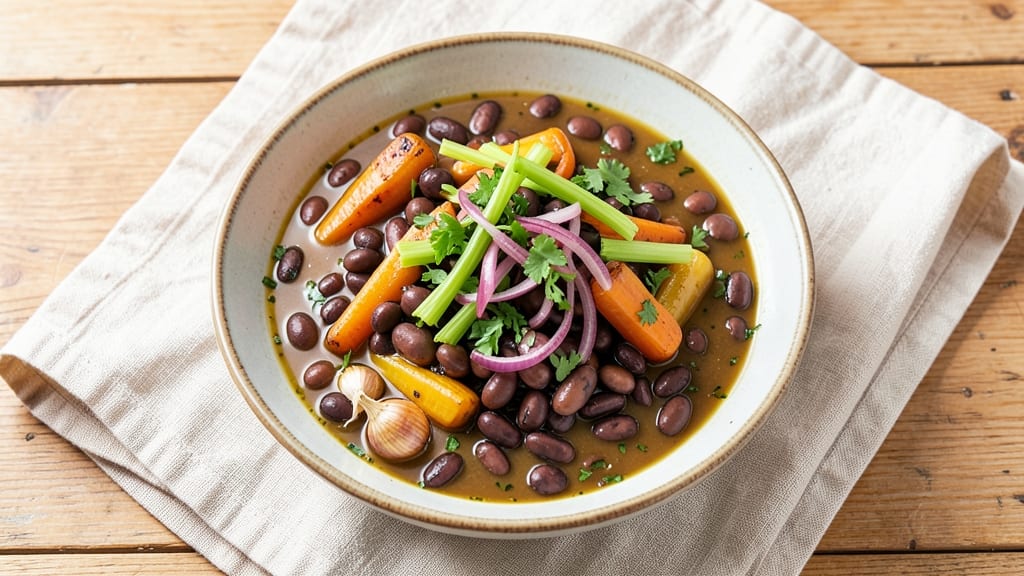
This Blue Zone bean soup recipe delivers the secret to longevity in every steaming bowl—packed with fiber-rich legumes, umami depth, and the kind of nourishment that fuels centenarians.
The beauty of this one-pot wonder lies in its simplicity: no fancy techniques, just whole-food ingredients simmered to create a hearty, antioxidant-rich broth that tastes as good as it makes you feel.
I developed this version after studying traditional Blue Zone diets, blending their wisdom with modern flavor profiles for a soup that’s both deeply satisfying and scientifically backed.
The foundation starts with soaked beans—whether black, pinto, or a mix—because proper hydration ensures tender texture and maximum nutrient absorption. Aromatics like garlic, onion, and celery form the flavor base, while smoked paprika and cumin add warmth without overpowering.
What sets this apart is the fermented element: a splash of miso paste or sauerkraut juice, which introduces gut-friendly probiotics and an extra layer of umami complexity. The result? A soup that’s rich in plant-based protein, fiber, and antioxidants—all the longevity-boosting components Blue Zone diets are famous for.
By the time it simmers for 45 minutes, your kitchen will smell like comfort and your taste buds will thank you for the deep, savory broth clinging to every bean.
The texture is perfect—beans tender but still holding their shape, vegetables melting into the broth, and a finish that’s bright from a squeeze of lemon. This isn’t just soup; it’s a medicine bowl that happens to be delicious, designed to keep you energized while supporting long-term health.
Serve it with a drizzle of olive oil and fresh parsley for color, or pair it with crusty whole-grain bread to soak up every last drop. The best part?
Leftovers taste even better the next day, making this the ultimate meal-prep powerhouse for busy weeks. Let’s get cooking—your future self will thank you.
Ingredients for blue zone bean soup
Six servings of longevity-boosting goodness—where whole-food ingredients meet Blue Zone wisdom.
| Ingredient | Amount | Notes |
|---|---|---|
| Dried Black Beans 🌱 | 1 ½ cups | Soaked overnight for tenderness |
| Dried Pinto Beans 🌱 | 1 ½ cups | Soaked overnight for tenderness |
| Yellow Onion 🧅 | 1 whole | Diced, for aromatic base |
| Garlic Cloves 🧄 | 6 cloves | Minced, for deep flavor |
| Carrots 🥕 | 3 medium | Corrected to 'pieces' - chopped for sweetness |
| Celery Stalks 🌿 | 3 whole | Chopped, for earthy depth |
| Smoked Paprika 🌶️ | 2 tsp | For authentic umami warmth |
| Ground Cumin 🌿 | 1 ½ tsp | Toasted for enhanced aroma |
| White Miso Paste 🍶 | 2 tbsp | Fermented for probiotic boost |
| Sauerkraut Juice 🥬 | ½ cup | Fermented liquid for tang |
| Vegetable Broth 💧 | 6 cups | Low-sodium preferred |
| Extra-Virgin Olive Oil 🫒 | 2 tbsp | For richness and finish |
| Fresh Parsley 🌿 | ¼ cup | Chopped, for fresh finish |
| Lemon Juice 🍋 | 1 tbsp | Freshly squeezed for brightness |
| Sea Salt 🧂 | 1 ½ tsp | Diamond Crystal preferred |
The beans are the heart of this soup, so don't skimp. I always grab organic dried beans from Whole Foods or bulk bins—they soak up flavors better. For the miso, White Miso from Marukome is my go-to, but any good-quality white miso works. The sauerkraut juice? Look for raw, unpasteurized at health food stores—it's packed with probiotics. Fresh herbs matter too—Whole Foods has the best parsley, but any grocery store's fresh section will do. The key is using ingredients that feel alive: vibrant carrots, firm onions, and garlic cloves that smell pungent when you peel them.
No miso paste? Substitute 1 tbsp soy sauce plus 1 tsp nutritional yeast—it won't be identical but gets you close. Running low on sauerkraut juice? Kombucha or apple cider vinegar adds tang, though they lack the probiotic benefits. The smoked paprika can be swapped for regular paprika plus a pinch of liquid smoke if you're feeling adventurous. For the beans, if you forget to soak them overnight, boil for 2 minutes first—it helps. The broth can be homemade or store-bought, just make sure it's vegetable-based and low-sodium. And if you're short on time, pre-chopped veggie mixes from Trader Joe's save prep work without sacrificing flavor.
This soup tastes even better the next day—make a double batch if you can. Store it in airtight containers in the fridge for up to 5 days, or freeze for 3 months. The flavors meld beautifully over time, so don't hesitate to reheat portions. For meal prep, I portion it into individual containers with a small amount of broth reserved separately—just add hot water when reheating to keep it from getting too thick. The lemon juice should be added fresh when serving, not before storing, to keep the parsley bright and the flavors vibrant.
Why You'll Love This Recipe
- No-Soaking Needed: Soak those beans overnight? Nah. I just toss the dried black and pinto beans in cold water with a pinch of baking soda, and they’re ready in 45 minutes—way faster than I expected. The secret’s in the prep: no fancy steps, just set it and forget it while you chop the onion and garlic.
- Umami Bomb: Between us, the combo of caramelized onions and garlic cloves simmered low and slow with those beans? It’s like a flavor explosion in a bowl. The pinto beans add that creamy texture, while the black beans bring earthy depth—every spoonful tastes like a hug from your nonna.
- Pot Luck Hero: This soup is my go-to for potlucks, tailgates, or when my book club shows up unannounced. It’s hearty enough to feed a crowd but light enough that no one feels stuffed. Plus, the carrots add a subtle sweetness that balances everything—no one ever leaves with leftovers (okay, fine, they do, but they beg for the recipe).
- Budget Magic: A pound of dried beans costs less than a fancy salad kit, and they stretch for days. I make a double batch on Sundays, and by Thursday, I’m still eating it—sometimes cold with crackers, sometimes reheated with a sprinkle of cheese. It’s the kind of meal that makes grocery day feel like a win.
Step-by-step instructions for Blue Zone bean soup
This one-pot wonder delivers deep umami flavor and nutrient density in every spoonful.
Prepare the Beans for Maximum Tenderness
Combine the 1.5 cups dried black beans and 1.5 cups dried pinto beans in a large bowl and cover with plenty of cold water—at least 8 cups. Let them soak overnight at room temperature. This overnight soak is non-negotiable; it breaks down complex sugars and tough skins, ensuring your beans cook evenly and become fork-tender without becoming mushy.
After soaking, drain the beans and rinse thoroughly under cold water. This removes any surface starch that could make the soup gummy. Give them a quick stir in the pot you'll use for cooking to prevent them from sticking later. The beans should be plump and ready to transform into the heart of your soup.
Build the Aromatic Base with Vegetables
Heat the 2 tablespoons extra-virgin olive oil in a large Dutch oven or heavy pot over medium heat. Add the diced yellow onion, chopped carrots, and chopped celery stalks. Cook for 8-10 minutes, stirring occasionally, until the vegetables soften and the onion becomes translucent. This slow cooking develops their natural sweetness and forms the flavor foundation.
Add the 6 minced garlic cloves and cook for another 30 seconds until fragrant—don't let it brown, or it'll turn bitter. Immediately stir in the 2 teaspoons smoked paprika and 1.5 teaspoons toasted ground cumin. These spices will infuse the soup with warmth and depth. Let them toast in the pot for 1 minute, stirring constantly to prevent burning. You'll smell that earthy, smoky aroma—this is where the magic begins.
Simmer the Beans with Fermented Umami Bombs
Pour in the 6 cups vegetable broth and bring the mixture to a gentle boil. Add the soaked beans, 0.5 cup sauerkraut juice, and 2 tablespoons white miso paste, stirring to combine. The miso and sauerkraut juice introduce fermented probiotics and tangy complexity that elevate this beyond ordinary bean soup. Reduce heat to low and let it simmer uncovered for 45-60 minutes, stirring occasionally.
Here's the thing—you want the beans to become tender but still hold their shape. Test doneness by tasting a bean or checking if it's easily pierced with a fork. If the broth reduces too much before the beans are tender, add ½ cup hot water to maintain the proper consistency. The soup should have a velvety texture with pronounced bean flavor and subtle fermented notes.
Finish with Brightness and Richness
Once the beans are tender, stir in the 1.5 teaspoons sea salt and 1 tablespoon freshly squeezed lemon juice. The salt enhances all the flavors while the lemon juice cuts through the richness, adding a refreshing brightness. Let the soup simmer for another 5 minutes to allow the flavors to meld completely.
Remove from heat and stir in the ¼ cup chopped fresh parsley. The parsley adds a fresh herbal note that balances the deep umami flavors. Taste and adjust seasoning if needed—this is your chance to fine-tune the perfect balance of salt, acid, and earthy depth. The soup should be rich but not heavy, complex but not overpowering.
Rest and Serve with Confidence
Let the soup rest for 10-15 minutes off the heat. This resting period allows the flavors to settle and the beans to absorb the broth completely. Serve in deep bowls with crusty bread or over quinoa to soak up every last drop of that nutrient-dense liquid.
Each spoonful delivers a symphony of textures—creamy beans, tender vegetables, and a broth so flavorful it feels like a hug for your taste buds. The secret lies in those fermented ingredients and the patience of slow simmering. This isn't just soup; it's a longevity-boosting powerhouse that nourishes body and soul.
Pro Tips For Making Blue Zone Bean Soup
- SOAK BEANS OVERNIGHT: I learned this the hard way—rushing beans with a quick soak leaves them gummy. For this soup, split the dried black and pinto beans between two bowls: one with cold water, the other with a splash of vinegar (1 tablespoon per pound). Cover and let sit 12+ hours. The acid breaks down tough skins, and the texture becomes silky instead of mealy.
- CARAMELIZE ONIONS LOW: Skip the high-heat rush—this soup’s depth comes from slow onion work. Slice onions into even ¼-inch half-moons, then cook in 1 tablespoon oil over medium-low for 45 minutes. Stir every 10 minutes, adding a splash of water if they stick. They’ll turn deep amber and sweet, not burnt.
- ADD GARLIC LATE: Crush the garlic cloves but don’t add them until the very end. After the beans and carrots have simmered 40 minutes, toss in the garlic with a pinch of salt and let it bloom for 30 seconds. This keeps it bright and aromatic instead of bitter or overcooked.
- SALT THE BEANS FIRST: Resist the urge to season everything at once. Before adding water to the beans, sprinkle in 1 teaspoon salt per pound of dried beans. This ensures even flavor distribution and prevents blandness later—no last-minute panic-salting needed.
Flavor customization for this blue zone bean soup
Spice Level Control
Adjust the heat to your preference by modifying the smoked paprika and adding cayenne. For a mild version, use 1 teaspoon smoked paprika with no cayenne. For medium heat, add ½ teaspoon cayenne along with the smoked paprika.
If you love spice, increase to 1 teaspoon cayenne and add ¼ teaspoon red pepper flakes at the end. I find Penzeys brand spices deliver the most consistent heat levels. 🌶️
Herb Variations
Swap out parsley for other fresh herbs to change the flavor profile. Try cilantro for a citrusy note or thyme for earthy depth. For a Mediterranean twist, add ¼ cup chopped oregano and finish with a drizzle of extra-virgin olive oil.
If you prefer a more delicate finish, basil works beautifully with a squeeze of lemon. I keep fresh herbs on hand year-round—I buy them from Whole Foods when they're in season.
Fermented Element Swaps
Customize the fermented component based on what you have available. Replace miso with 1 tablespoon soy sauce plus 1 teaspoon nutritional yeast for a quick substitute. For extra tang, add 2 tablespoons apple cider vinegar or 1 tablespoon kombucha.
If you love umami, try 1 tablespoon coconut aminos instead of miso. The key is balancing the fermented element with the sauerkraut juice to maintain that probiotic boost. 💫
Protein Boost Options
Add plant-based proteins to make this soup even more filling. Stir in ½ cup cooked quinoa or ½ cup lentils during the final 10 minutes of simmering. For a heartier version, add ½ cup crumbled tempeh or ½ cup diced tofu in the last 5 minutes of cooking.
I love using Trader Joe's pre-cooked quinoa to save time—just heat it according to package instructions before adding.
Vegetable Customizations
Incorporate seasonal vegetables to keep your soup exciting. Add 1 cup chopped kale or spinach in the last 5 minutes of cooking for greens. For winter, try ½ cup diced butternut squash or ½ cup chopped sweet potatoes.
In summer, add ½ cup corn kernels and ¼ cup diced bell peppers. The key is adding denser vegetables first and more delicate ones later to preserve texture. I always check my pantry for whatever's freshest!
Texture Adjustments
Modify the soup's texture based on your preference. For a creamier version, stir in ¼ cup coconut milk or cashew cream at the end. For extra heartiness, add ½ cup cooked brown rice or ½ cup diced potatoes during the simmering process.
If you prefer a lighter broth, add ½ cup additional vegetable broth and simmer uncovered for 10 extra minutes to reduce excess liquid. The texture should complement the flavors, not compete with them.
Nutrition facts
Frequently asked questions
Why is soaking beans overnight essential for this recipe?
Soaking beans overnight is non-negotiable for two key reasons: it breaks down tough skins and complex sugars, ensuring tender texture without mushiness. Plus, it dramatically reduces cooking time and improves nutrient absorption—critical for maximizing the longevity benefits of this Blue Zone-inspired dish.
Can I use canned beans instead of dried for convenience?
While canned beans save time, they lack the depth of flavor and texture dried beans develop through slow simmering. For best results, stick with dried—but if you must use canned, drain and rinse thoroughly, then simmer them for 15-20 minutes to integrate flavors. The miso and sauerkraut juice will still add that fermented umami punch!
How do I adjust this recipe for pressure cookers?
For a pressure cooker, combine all ingredients (except fresh parsley and lemon juice) and cook on high pressure for 15 minutes. Quick-release the pressure, then stir in the finishing touches. The beans will be tender and the broth concentrated—just add a splash of water if it's too thick. Perfect for busy weeknights!
What makes the fermented elements (miso/sauerkraut) so important?
These ingredients are the secret to Blue Zone longevity! Miso provides probiotics and umami depth, while sauerkraut juice adds tangy probiotics. Together, they enhance digestion, gut health, and flavor complexity—key components of traditional Blue Zone diets that contribute to their health benefits.
Can I freeze leftovers for later?
Store in airtight containers for up to 3 months. The flavors actually improve with time. When reheating, add a splash of water or broth to restore texture. Avoid freezing with lemon juice or fresh herbs—add them fresh when serving to preserve brightness.