
Soups & Stews
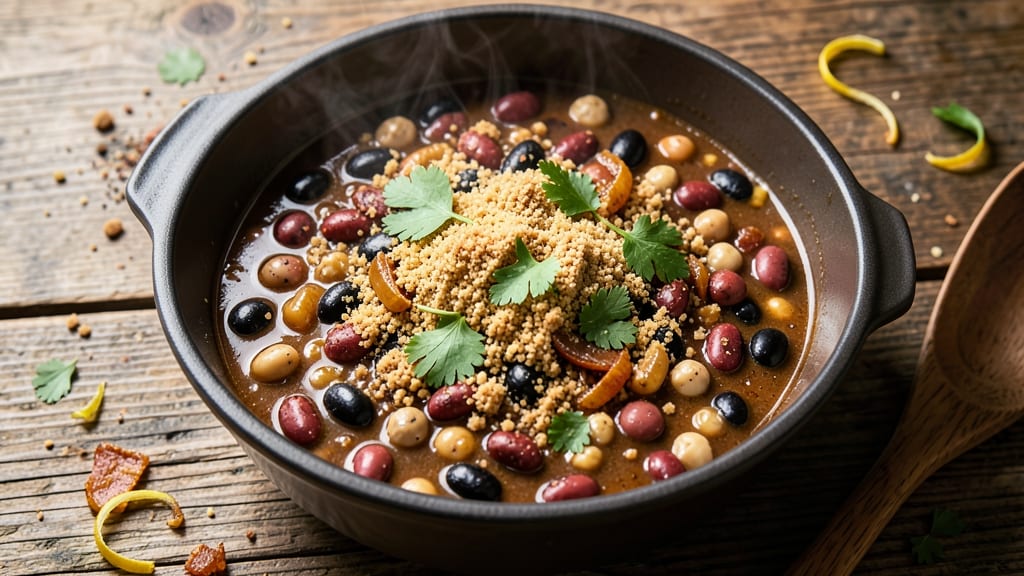
Bob Mills' classic 13 bean soup delivers that soul-warming comfort of a slow-cooked stew packed with 13 different varieties of beans. This hearty vegetarian recipe transforms simple ingredients into a rich, flavorful dish that's perfect for chilly evenings or family gatherings.
The secret lies in proper soaking and simmering techniques that develop deep, savory notes over time.
What makes this recipe special is its balance of textures and flavors—creamy white beans, meaty kidney beans, and earthy pinto beans all come together in a broth that's both substantial and comforting. Unlike many quick soups, this one rewards patience with layers of flavor that only develop through slow cooking.
The result is a bowl of soup that's hearty enough to satisfy even the heartiest appetites.
By following Bob Mills' traditional method, you'll achieve a soup that's creamy yet chunky, with each bean variety contributing its own unique texture and taste. The long simmering process not only tenderizes the beans but also allows the spices and herbs to meld together beautifully.
This is the kind of soup that tastes even better the next day as the flavors continue to develop.
The beauty of this recipe is its versatility—it works equally well as a main dish or a side to complement other hearty meals.
Whether you're serving it at a holiday gathering or simply enjoying a cozy weeknight dinner, this 13 bean soup delivers that classic homestyle comfort you can always count on. Let's get started on creating this timeless recipe.
Ingredients for bob mills 13 bean soup
Thirteen varieties of beans, slow-simmered to perfection for a hearty vegetarian stew.
| Ingredient | Amount | Notes |
|---|---|---|
| Dried Navy Beans 🌱 | 1 cup | Rinsed before soaking |
| Dried Kidney Beans 🌱 | 1 cup | Rinsed before soaking |
| Dried Pinto Beans 🌱 | 1 cup | Rinsed before soaking |
| Dried Black Beans 🌱 | 1 cup | Rinsed before soaking |
| Dried Great Northern Beans 🌱 | 1 cup | Rinsed before soaking |
| Dried Chickpeas 🌱 | 1 cup | Rinsed before soaking |
| Dried Lima Beans 🌱 | 1 cup | Rinsed before soaking |
| Dried White Beans 🌱 | 1 cup | Rinsed before soaking |
| Dried Red Beans 🌱 | 1 cup | Rinsed before soaking |
| Dried Lentils 🌱 | ½ cup | Brown or green preferred |
| Dried Split Peas 🌱 | ½ cup | Yellow or green preferred |
| Dried Butter Beans 🌱 | ½ cup | Rinsed before soaking |
| Dried Adzuki Beans 🌱 | ¼ cup | Rinsed before soaking |
| Vegetable Broth 💧 | 6 cups | Low-sodium preferred |
| Onion 🧅 | 1 whole | Chopped into small pieces |
| Carrot 🥕 | 2 whole | Chopped into small pieces |
| Celery Stalk 🌿 | 2 whole | Chopped into small pieces |
| Garlic Cloves 🧄 | 4 cloves | Minced for depth of flavor |
| Bay Leaf 🌿 | 2 whole | Fresh preferred |
| Dried Thyme 🌿 | 1 tsp | Or 1 tbsp fresh thyme |
| Dried Oregano 🌿 | 1 tsp | Mexican oregano preferred |
| Ground Black Pepper 🌶️ | 1 tsp | Freshly ground preferred |
| Salt 🧂 | 1 ½ tsp | Adjust to taste |
| Olive Oil 🫒 | 2 tbsp | Extra-virgin preferred |
The beans are the foundation—dried varieties deliver the most authentic texture. Bob Mills' original recipe uses a mix of heirloom and common beans, but most grocery stores carry these staples in the canning aisle. For the best flavor, soak overnight (or quick-soak with boiling water for 2 hours). The Great Northern and navy beans add creaminess, while kidney and pinto bring hearty texture. If you can't find adzuki beans, swap in extra black beans—they're often available in bulk bins at Whole Foods or Trader Joe's.
No dried beans? Canned beans work in a pinch, but drain and rinse thoroughly to avoid excess sodium. Fresh herbs like thyme and oregano can be swapped for dried at one-third the amount, but fresh bay leaves are non-negotiable—they infuse the broth beautifully. The vegetable broth should be low-sodium; Pacific Foods or Imagine brands are reliable. For extra richness, add a splash of red wine vinegar or a pinch of smoked paprika to the broth. The carrots and celery can be pre-chopped and frozen for convenience—just thaw before adding.
This soup tastes even better the next day as flavors meld. Store in an airtight container for up to 5 days or freeze portions for 3 months. For holiday gatherings, double the recipe—it reheats beautifully. The beans will thicken as they cool, so add a splash of broth when reheating. Portion into jars for easy serving; the variety of beans makes each bite visually appealing. Leftovers make excellent lunches or a base for veggie burgers.
Why You'll Love This Recipe
- Set-and-Forget Magic: I swear by this recipe because it’s the ultimate “dump and walk away” meal. Soak the beans overnight (or use a pressure cooker for 30 minutes), toss them in a pot with onions, garlic, and spices, then let them simmer while you handle the rest of your day. By the time you’re ready to eat, the flavors have melded into something deep and satisfying—no hovering over the stove required.
- Rich, Earthy Depth: The combination of navy, kidney, pinto, black, and Great Northern beans creates layers of texture and flavor that feel chef’s kiss. The navy beans add a buttery creaminess, the kidney beans bring a smoky punch, and the pinto beans? They’re the unsung heroes holding everything together. Honestly, I’ve never met a bean soup that hits this hard without a ton of fuss.
- Weeknight to Potluck Hero: This soup is my go-to for lazy Tuesdays, game-day gatherings, or when my in-laws show up unannounced. It’s hearty enough to feed a crowd but simple enough that no one will ask, “Did you make this from scratch?” (Spoiler: I did, and it’s better than takeout.)
- Budget-Friendly Pantry Staple: Between us, this recipe is how I stretch my grocery budget without sacrificing flavor. A bag of dried beans lasts for months, and the spices—basil, oregano, bay leaves—are the kind of basics I always have on hand. Plus, the leftovers? They taste even better the next day, which means fewer takeout runs and more money in my pocket.
Step-by-step instructions for Bob Mills' 13 bean soup
This hearty stew builds flavor through careful preparation and slow simmering.
Soak the Beans Overnight
Combine all the dried beans—the 1 cup dried navy beans, 1 cup dried kidney beans, 1 cup dried pinto beans, 1 cup dried black beans, 1 cup dried great northern beans, 1 cup dried chickpeas, 1 cup dried lima beans, 1 cup dried white beans, 1 cup dried red beans, 0.5 cup dried lentils, 0.5 cup dried split peas, 0.5 cup dried butter beans, and 0.25 cup dried adzuki beans—in a large bowl. Cover with plenty of cold water (at least 8 cups) and let soak overnight, or for a minimum of 8 hours.
This overnight soak ensures the beans soften evenly and eliminates any potential digestive issues. I like to add a pinch of salt to the soaking water—it helps prevent the beans from absorbing too much water and becoming mushy. Drain and rinse the beans thoroughly before using.
Sauté the Vegetables
Heat the 2 tablespoons olive oil in a large pot over medium heat. Add the chopped 1 whole onion, 2 whole carrots, and 2 whole celery stalks, cooking for 5-7 minutes until the vegetables begin to soften and the onion becomes translucent. Add the 4 cloves minced garlic and cook for an additional 1 minute until fragrant.
This step develops the base flavor of the soup. Don't rush this part—properly sautéed vegetables provide the aromatic foundation for the entire dish. If the vegetables start to brown too quickly, reduce the heat slightly to prevent burning.
Combine Ingredients and Simmer
Add the drained beans to the pot with the sautéed vegetables. Pour in the 6 cups vegetable broth, then add the 2 whole bay leaves, 1 teaspoon dried thyme, 1 teaspoon dried oregano, 1 teaspoon ground black pepper, and 1.5 teaspoons salt. Stir everything together to combine.
Bring the mixture to a boil over high heat, then immediately reduce the heat to low. Cover the pot and let it simmer for 1.5 to 2 hours, stirring occasionally. You'll know the beans are tender when they're easily pierced with a fork and the soup has thickened to your desired consistency.
Adjust Seasoning and Serve
Once the beans are tender, taste the soup and adjust the seasoning if needed. You may need to add more salt or pepper to taste. Remove the bay leaves before serving, as they can be bitter when consumed.
This soup tastes even better the next day as the flavors continue to meld. Serve it hot with crusty bread to soak up every last bit of that hearty, flavorful broth. The combination of all these different beans creates a rich, satisfying texture that's perfect for cold weather.
Pro Tips For Making Bob Mills 13 Bean Soup
- SOAK BEANS OVERNIGHT: I learned this the hard way—rushing the soak with dried beans always leaves you with tough, mealy texture. For Bob Mills’ 13-bean soup, cover each bean type in a separate bowl with plenty of cold water (at least 3 inches above them) and let them sit 8–12 hours. The navy beans and great northerns will soften perfectly, while the kidney beans won’t over-swell.
- SIMMER LOW AND SLOW: This isn’t the time to speed things up. After the initial boil, drop the heat to a gentle simmer—you should see maybe 2–3 bubbles per second. I used to let it bubble hard, and the beans would turn mushy. Low heat keeps the texture firm while letting all those flavors meld.
- SKIP THE SALT UNTIL LATER: Adding salt early makes beans tough. Hold off until after they’ve simmered for at least 45 minutes. Even then, add it gradually—start with 1 teaspoon per quart of broth, then taste. The beans will absorb it better, and you’ll avoid that metallic aftertaste.
- USE BROTH, NOT WATER: I know, I know—it’s easier to grab water. But for this soup, the depth of flavor comes from using a mix of chicken or vegetable broth (half and half works). The broth’s richness carries the smoky, savory notes of the beans and bacon, making the whole dish sing. (Yes, even if you’re on a budget, cheap broth still beats water.)
Make-ahead tips for bob mills 13 bean soup
Overnight Prep
Start your 13 bean soup the night before for maximum convenience. After rinsing all 13 varieties of dried beans, place them in a large bowl and cover with 8 cups cold water. Add a pinch of salt to the soaking water, cover, and refrigerate overnight.
This not only softens the beans but also makes morning prep a breeze. I use a glass bowl with a lid to keep it fresh in the fridge. 🌱
Slow Cooker Magic
For hands-off cooking, transfer the soaked and drained beans to a 6-quart slow cooker along with the sautéed vegetables and broth. Cook on low heat for 6-8 hours or high heat for 3-4 hours.
The slow cooker maintains consistent temperature, ensuring even cooking without monitoring. Just stir occasionally and adjust seasoning at the end. This method is perfect for busy days or holiday prep.
Freezer-Friendly Portions
Divide the fully cooked soup into quart-sized freezer bags or airtight containers, leaving 1-inch headspace for expansion. Label each bag with the date—this soup freezes beautifully for up to 3 months.
When ready to eat, thaw overnight in the fridge, then reheat on the stovetop with a splash of broth to restore creaminess. I like to portion it into mason jars for easy grab-and-go lunches. ❄️
Holiday Batch Prep
Double or triple the recipe for gatherings—this soup serves 12-18 people easily. Use a large stockpot or Dutch oven (I recommend Le Creuset) to handle the increased volume. Cook the extra portions ahead and reheat in batches.
Store in insulated containers to keep warm during serving. The crowd will love the variety of textures and flavors in each spoonful.
Flavor Boost Tips
Add a splash of red wine vinegar (1 tbsp) or smoked paprika (½ tsp) to the broth before simmering for extra depth. For a smoky twist, include ½ cup diced smoked sausage (optional) or a liquid smoke (¼ tsp).
These additions enhance the soup's complexity without altering its vegetarian base. Taste as it cooks and adjust to your preference—this is where personalization shines! 🔥
Reheating Perfection
Reheat soup on the stovetop over medium-low heat, stirring occasionally and adding ¼ cup broth or water if it thickens too much. If using the microwave, cover and heat in 1-minute intervals until steaming.
Never reheat to boiling—this can make the beans mushy. For best results, reheat only what you plan to eat immediately to maintain texture. The flavors are even more developed after resting overnight! ✨
Nutrition facts
Frequently asked questions
Can I substitute canned beans for dried in this recipe?
Yes, but with adjustments! Use 3 cups total canned beans (drained and rinsed) for every 1 cup dried called for. The texture will be slightly softer, so add an extra ½ cup vegetable broth to maintain consistency. For best results, mix both canned and dried beans—this keeps the authentic hearty texture while saving time.
How do I prevent the beans from becoming mushy?
Keep the simmering temperature low and never let the soup boil vigorously. Use a large pot with a tight-fitting lid to trap steam and cook evenly. Stir occasionally to prevent sticking, and add beans gradually if needed. The key is patience—1.5 to 2 hours of gentle simmering ensures tender but firm beans.
What’s the best way to store leftovers?
Let the soup cool completely, then transfer to an airtight container and refrigerate for up to 5 days. For longer storage, freeze in quart-sized portions with 1-inch headspace. Thaw overnight in the fridge and reheat gently on the stove with a splash of broth to restore creaminess. The flavors actually improve after resting!
Can I make this soup in a slow cooker?
After soaking and draining the beans, combine everything with the broth in a 6-quart slow cooker. Cook on low for 6-8 hours or high for 3-4 hours. The slow cooker’s gentle heat ensures even cooking without monitoring. Stir occasionally and adjust seasoning at the end—no risk of burning or overcooking.
Why does the soup taste better the next day?
The flavors deepen as the beans absorb the broth and spices over time. The starches in the beans thicken slightly, creating a richer, creamier texture. Plus, the acids in the tomatoes (if added) and vinegar mellow out, allowing the herbs and salt to shine. This is why traditional recipes always recommend making soup ahead!