
Side Dishes
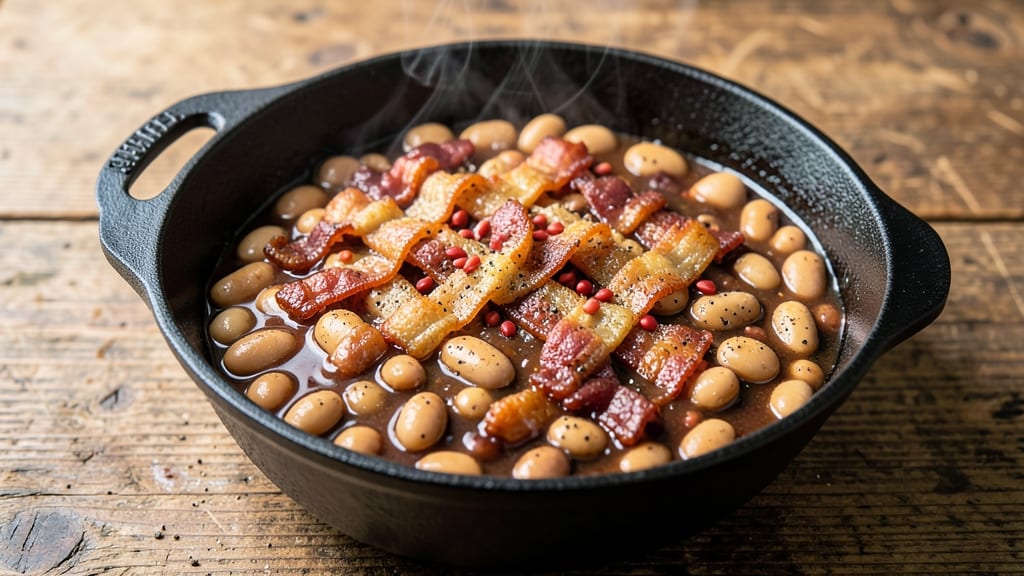
This Boston baked beans recipe slow-cooked in the bean pot delivers the rich, molasses-kissed sweetness that makes them a New England classic. Slow-cooked in a bean pot, these beans develop a deep, smoky flavor that pairs perfectly with crispy bacon and tender navy beans.
The traditional method—simmering for hours until the sauce thickens—creates a dish so comforting, it feels like a hug in every bite.
The secret to authentic Boston baked beans lies in the balance of flavors: molasses for depth, brown sugar for caramelization, and spices like mustard and cloves for warmth. Unlike quick versions, this recipe requires patience—skimming the foam and stirring occasionally ensures a velvety texture that clings to every bean.
The result? A side dish so flavorful, it steals the show alongside cornbread or hot dogs.
What sets these beans apart is their tender yet firm texture, achieved through slow cooking. The molasses and brown sugar caramelize beautifully, creating a glossy sauce that coats each bean perfectly.
This isn't just a side—it's a centerpiece, packed with smoky, sweet, and savory notes that make it a staple for gatherings and family meals.
Whether you're serving a crowd or meal prepping for the week, this recipe scales effortlessly. The long simmer means flavors deepen over time, making it even better the next day. Pair with classic New England sides for a meal that tastes like home.
Ingredients for boston baked beans recipe bean pot
The heart of New England tradition—where molasses, spices, and slow cooking create magic.
| Ingredient | Amount | Notes |
|---|---|---|
| Navy Beans 🌾 | 2 cups | Dried, soaked overnight |
| Molasses 🍯 | ½ cup | Unsulphured preferred |
| Brown Sugar 🍚 | 1 cup | Packed firmly |
| Kosher Salt 🧂 | 1 ½ tbsp | Diamond Crystal preferred |
| Mustard 🌶️ | 2 tbsp | Dijon or yellow |
| Ground Black Pepper 🌶️ | ½ tsp | Freshly cracked |
| Ground Cloves 🌿 | ¼ tsp | Whole cloves work too |
| Ground Allspice 🌶️ | ¼ tsp | Toasted for warmth |
| Apple Cider Vinegar 🍎 | 2 tbsp | For tang |
| Bacon 🥓 | 8 oz | Thick-cut, chopped |
| Onion 🧅 | 1 whole | Yellow, chopped |
| Garlic Cloves 🧄 | 4 cloves | Minced finely |
| Water 💧 | 6 cups | Filtered preferred |
The beans are non-negotiable for authentic flavor. Navy beans (not pinto or kidney) are the classic choice, but Great Northern beans work too. Soak them overnight—this cuts cooking time by half. For the molasses, unsulphured is best (it’s sweeter and less bitter). I grab mine from Whole Foods or the bulk bins at Trader Joe’s—the deeper color, the better. Bacon matters too: thick-cut, smoked (like Oscar Mayer) adds the most flavor, but any crispy bacon will do. Chop it small so it blends into the sauce.
No molasses? Maple syrup at half the amount works in a pinch, but the flavor won’t be identical. Short on brown sugar? White sugar plus a pinch of cinnamon mimics the caramelization. The spices—cloves, allspice, and mustard—are where the magic happens. Penzeys or McCormick ground spices are reliable, but if you’ve got whole spices, toast them in a dry pan for 30 seconds first. The vinegar balances the sweetness; if you’re out, lemon juice works (use half the amount). Onions and garlic? Freshly chopped is best, but frozen diced onions (thawed) save time.
This dish tastes even better the next day—plan ahead. Store in the bean pot or a heavy pot with a lid. Reheat gently on the stove, adding a splash of water if it’s too thick. Keeps for 5 days in the fridge or 3 months frozen. For freezing, portion into containers so you can grab just what you need. The sauce thickens as it cools, so don’t stress if it looks too syrupy right after cooking—it’ll settle perfectly.
Why You'll Love This Recipe
- One-Pot Magic: I swear by this recipe because it’s literally dump-and-bake. Soak the navy beans overnight (or use canned to cut it even shorter), toss them with molasses, brown sugar, and a splash of mustard, then let the oven do the work. No chopping, no stirring every five minutes—just rich, caramelized perfection waiting for you.
- Sweet-Savory Balance: Between the deep, smoky molasses and the sharp kick of mustard, these beans hit just right—not too cloying, not too bland. The brown sugar adds this subtle crunch as it bakes, and honestly? That contrast is what makes it ridiculous good. It’s the kind of flavor that lingers.
- Tailgate-Ready Crowdpleaser: Here’s what sold me—this is my go-to for game days, potlucks, or lazy Sundays because it always disappears. Serve it with cornbread or hot dogs, and suddenly you’re the hero of the spread. (Yes, even on a Tuesday night when you just want to impress someone.)
- Budget-Friendly Pantry Staple: Navy beans and molasses? Both last forever and cost pennies. I make a double batch, store it in the fridge for a week, or freeze half for when I’m too tired to cook. It’s my secret weapon for stretching meals without sacrificing taste—or breaking the bank.
Step-by-step instructions for Boston baked beans
Here's the method for creating that signature smoky-sweet flavor profile that defines classic New England baked beans.
Prepare the Beans and Bacon
Start by draining the soaked navy beans and rinsing them thoroughly under cold water. I like to give them a quick soak in the sink for 5 minutes to remove any excess starch that might make the beans gummy during cooking. Transfer the beans to a large Dutch oven or heavy pot.
In a separate skillet, cook the 8 ounces chopped bacon over medium heat until crispy, about 8-10 minutes. Use a slotted spoon to remove the bacon and drain it on paper towels, reserving 2 tablespoons of the bacon fat in the skillet. This fat becomes the flavor foundation for your beans.
Build the Bean Base
Add the reserved bacon fat to the Dutch oven with the beans. Stir in the 1 whole chopped onion and 4 minced garlic cloves, cooking over medium heat for 5 minutes until the onion softens and becomes translucent. This step develops the aromatic base that carries through the entire dish.
Pour in the 6 cups water and bring the mixture to a boil. Reduce heat to low and let it simmer uncovered for 45 minutes, stirring occasionally. You're looking for the beans to soften significantly but not fully cook through—this ensures they absorb all the flavors in the next steps.
Create the Sweet-Savory Sauce
In a medium bowl, whisk together the 0.5 cup molasses, 1 cup packed brown sugar, 1.5 tablespoons kosher salt, 2 tablespoons mustard, 0.5 teaspoon ground black pepper, 0.25 teaspoon ground cloves, 0.25 teaspoon ground allspice, and 2 tablespoons apple cider vinegar. This mixture should be smooth with no graininess—whisk vigorously to combine all ingredients thoroughly.
After the beans have simmered for 45 minutes, carefully ladle off about 2 cups of the bean liquid into the sauce bowl. Whisk this liquid into the sweet-savory mixture until fully incorporated. This step prevents the beans from becoming too thick during baking.
Combine and Bake to Perfection
Pour the sweet-savory mixture back into the Dutch oven with the beans. Stir gently to combine, making sure every bean is coated with the rich sauce. Sprinkle the crispy bacon evenly over the top—this adds a smoky crunch that contrasts beautifully with the tender beans.
Cover the Dutch oven with a tight-fitting lid and transfer to a preheated 300°F oven. Bake for 3-4 hours, checking occasionally. The beans are done when they're fork-tender and the sauce has thickened to a glossy consistency. The top should have a deep caramelized crust from the molasses and brown sugar.
Rest and Serve
Remove the beans from the oven and let them rest covered for 15-20 minutes before serving. This resting period allows the flavors to meld completely and the sauce to thicken further. The beans should be fork-tender with a creamy texture, and the sauce should coat the back of a spoon.
Serve the beans hot, straight from the pot, with the crispy bacon sprinkled on top. The perfect Boston baked bean has a balance of sweet, smoky, and tangy flavors with tender beans that practically melt in your mouth. For best results, serve with cornbread or crusty bread to soak up that delicious sauce.
Pro Tips For Making Boston Baked Beans Recipe Bean Pot
- SOAK BEANS OVERNIGHT: I learned this the hard way—skipping the soak leaves you with beans that stay stubbornly firm no matter how long you simmer. Toss them in cold water with a splash of vinegar (yes, even if you’re impatient like me) and let them sit 12+ hours. The texture difference is night and day, especially in a slow-baked bean pot where tenderness matters most.
- STIR THE POT EARLY: The first hour is when your beans need attention. Stirring every 10-15 minutes prevents scorching at the bottom—molasses and brown sugar caramelize fast, and before you know it, you’ve got a burnt crust instead of a glossy glaze. After that, you can relax, but those first 60 minutes are non-negotiable.
- USE REAL MUSTARD: That jarred yellow mustard won’t cut it here. Grab a small tub of Dijon or whole-grain mustard—it adds depth and a slight tang that cuts through the sweetness. I was skeptical until I tried it: the flavor actually changes the outcome, giving your beans a sophisticated edge instead of just a basic tang.
- SIMMER LOW AND LONG: This isn’t a recipe for rushing. After the initial simmer, drop the heat to a bare bubble—think tiny, lazy ripples—and let it cook 3-4 hours uncovered. The evaporation concentrates the flavors, and that’s when the molasses and sugar meld into something rich and complex. Covering too early traps steam, and you’ll end up with a watery mess instead of a thick, glossy bean pot.
Perfect pairings for this recipe
Classic New England Sides
Boston baked beans shine alongside traditional New England sides that complement their rich sweetness. Serve with homemade cornbread—its crumbly texture soaks up the molasses-glazed sauce beautifully. I like using Jiffy corn muffin mix for quick prep, but a stone-ground cornmeal batch feels more authentic. 🥖
For a heartier meal, pair with crispy fried potatoes or smashed red potatoes—their buttery richness balances the beans' tangy depth. A simple apple salad with sharp Granny Smith apples, crisp red cabbage, and a cider vinaigrette adds refreshing contrast to the smoky flavors.
Meat Pairings
These beans were born to accompany slow-cooked pork—think pulled pork sandwiches or roast pork tenderloin. The smoky-sweet sauce clings perfectly to tender pork, creating a flavor marriage that defines New England cookouts. For a lighter option, serve with grilled chicken thighs or herb-roasted turkey breast.
Don’t overlook hot dogs—this is a classic combo at New England ballparks! I recommend Angus Beef hot dogs from Ball Park Franks for that authentic stadium experience. The beans' deep flavors make every bite feel like a ballgame tradition. 🌭
Beverage Matchups
A dark amber ale like Samuel Adams Boston Lager cuts through the molasses sweetness with its malty depth. The beer's caramel notes echo the beans' caramelization, creating harmony. For a non-alcoholic option, sparkling apple cider (like Martinelli's) adds effervescence that cleanses the palate between bites.
For coffee lovers, a bold New England roast—like Peet's Major Dickason's Blend—pairs surprisingly well. The beans' clove and allspice notes complement the coffee's warmth, making for a comforting meal ending. ☕
Modern Twists
For a breakfast upgrade, serve these beans with crispy bacon and scrambled eggs—the sweet-savory combo is unexpected but delicious. I like adding a sprinkle of crumbled feta for a tangy kick. This makes for a weekend brunch that feels special without being fussy.
Get creative with cheese pairings: A sprinkle of sharp cheddar or aged Gouda adds umami depth. For a vegetarian option, serve with grilled portobello mushrooms or crispy tofu—the beans' richness stands up to both. 🧀
Nutrition facts
Frequently asked questions
Why do traditional Boston baked beans need to simmer so long?
The long cooking time—3-4 hours—is essential for developing the deep, caramelized flavors from the molasses and brown sugar. This slow process also breaks down the beans' skins, creating that signature tender yet firm texture. Skipping this step results in mushy beans and a thin sauce. Think of it as a flavor infusion marathon!
Can I substitute molasses with something else?
Yes, but the flavor won't be identical. For 1:1 substitution, use maple syrup (preferably dark amber) or honey mixed with 1 tsp vinegar to mimic the tang. The molasses' deep, slightly bitter notes are key to authentic Boston baked beans—these alternatives will be sweeter but still delicious.
What's the best way to store leftovers?
Store in the same Dutch oven or airtight container with the lid slightly ajar to prevent condensation. Refrigerated, they keep for 5 days—flavors actually improve! For freezing, portion into containers and store for up to 3 months. Reheat gently on the stove with a splash of water if too thick. The sauce thickens as it cools, so don't worry if it looks syrupy.
How do I adjust the recipe for a slow cooker?
Follow the same steps for the first 45 minutes of simmering on the stove, then transfer everything to a 6-quart slow cooker. Cook on low for 6-8 hours (or high for 4-5 hours), stirring once halfway. The low-and-slow method mimics oven baking perfectly. Just watch the liquid level—add 1/4 cup water if needed to prevent burning.
What makes these beans different from other baked bean recipes?
The magic lies in the molasses depth, slow oven baking, and spice blend (cloves + allspice). Most recipes use too much sugar or skip the mustard, which gives these beans their signature tangy-sweet balance. The 300°F low heat caramelizes the sauce while keeping beans tender—not mushy like quick versions. It's this traditional method that makes them a New England classic!