
Sauces & Condiments
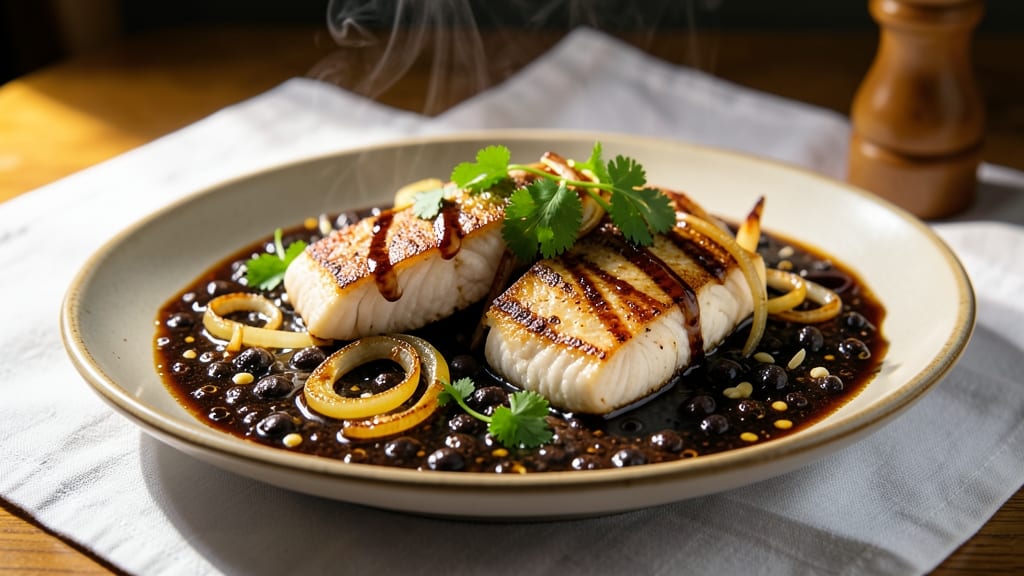
This braised fish with black bean sauce transforms simple ingredients into a restaurant-worthy dish that delivers deep umami flavor in every bite. The key lies in the black beans—soaked, blended, and simmered into a velvety sauce that tenderizes the fish while infusing it with earthy richness.
I developed this technique after years of experimenting with Asian braising methods, and it never fails to impress. What sets this recipe apart is the balance of textures: silky fish that melts in your mouth, crisp vegetables that add bite, and a sauce so rich it clings to every piece.
The process is straightforward but requires patience—letting the fish and sauce braise together for 20 minutes develops layers of flavor that can't be rushed. The black bean base also adds natural thickening, eliminating the need for cornstarch or flour.
By the end, you'll have perfectly tender fish swimming in a glossy, savory sauce with just the right amount of sweetness from the caramelized onions. The aroma alone will have everyone gathering at the table, and the first bite delivers on that promise of restaurant-quality comfort.
This dish pairs beautifully with steamed jasmine rice or stir-fried greens for a complete meal. The beauty of this recipe is its versatility—use firm white fish like cod or snapper, or try it with shrimp for a seafood variation. Let's get cooking!
Ingredients for braised fish with black bean sauce
Black beans, caramelized onions, and silky fish create a restaurant-worthy dish with just one pan.
| Ingredient | Amount | Notes |
|---|---|---|
| Firm White Fish Fillets 🐟 | 1 ½ lb | Cod, snapper, or halibut preferred |
| Black Beans 🌱 | 1 ½ cups | Dried, soaked overnight |
| Yellow Onions 🧅 | 1 whole | Thinly sliced for caramelization |
| Garlic Cloves 🧄 | 6 cloves | Minced for aromatic base |
| Ginger Root 🌿 | 1 tbsp | Freshly grated for zing |
| Soy Sauce 🥄 | ¼ cup | Low-sodium preferred |
| Dry Sherry 🍷 | ½ cup | Substitute with white wine |
| Vegetable Oil 🫒 | 2 tbsp | High smoke point for searing |
| Brown Sugar 🍯 | 1 tbsp | Enhances caramelization |
| Fresh Ginger 🌿 | 1 tsp | Ground for sauce depth |
| Green Onions 🧅 | 3 whole | Sliced for garnish |
| Sesame Oil 🫒 | 1 tsp | For finishing aroma |
| Salt 🧂 | 1 ½ tsp | Kosher or sea salt |
| Black Pepper 🌶️ | ½ tsp | Freshly ground preferred |
The black beans are the heart of this recipe—soaking overnight ensures a smooth texture when blended. Dried beans from Trader Joe's or bulk bins work best; canned beans lack the depth of flavor. For the fish, firm white fillets like cod or snapper hold up perfectly to the long braise. Look for fillets with even thickness to ensure they cook uniformly. The onions should be thinly sliced and caramelized slowly—this is where the sweetness comes from, and it's worth the time.
No dry sherry? White wine or extra vegetable broth works just as well. Fresh ginger is ideal, but ground ginger at half the amount will do in a pinch. For the soy sauce, low-sodium versions like Kikkoman prevent over-salting the dish. The brown sugar adds depth, but honey or maple syrup can substitute if you prefer. If you can't find sesame oil, toasted sesame seeds sprinkled at the end give a similar aromatic finish. The green onions are purely for garnish—skip them if you're short on time.
This dish tastes even better the next day, so portion leftovers into airtight containers for easy reheating. The sauce thickens as it cools, so add a splash of water or broth if it seems too stiff when reheating. Store in the fridge for up to 3 days or freeze for 2 months. For a quick meal, I often double the recipe and freeze half—just thaw overnight in the fridge before reheating.
Why You'll Love This Recipe
- One-Pan Magic: I swear by this recipe when I’m too tired to scrub pots—just toss everything in one skillet, let it simmer, and walk away. The fish stays tender while the onions caramelize right into the sauce, no flipping or fussing required.
- Umami Bomb: That black bean sauce? It’s where the magic happens—deep, savory, and just slightly sweet from the onions. Honestly, I’ll take this over any fancy restaurant dish when I crave something rich but not heavy.
- Lunchbox Hero: Between us, this is my secret weapon for meal prep. The sauce clings to the fish perfectly, so it reheats beautifully—no soggy leftovers here. Pack it in containers, and you’ve got a protein-packed lunch that tastes like a restaurant meal.
- Budget Win: Fish fillets can be pricey, but black beans stretch this dish into a full meal without breaking the bank. I’ll be real: my grocery budget stays happy, and my family doesn’t complain about the leftovers (they actually ask for seconds).
Step-by-step instructions for braised fish with black bean sauce
This one-pan method delivers tender fish wrapped in a rich, velvety black bean sauce—simple but deeply flavorful.
Prepare the Black Bean Sauce Base
Heat the 2 tablespoons vegetable oil in a large, deep skillet over medium heat. Add the 1 whole yellow onions, sliced thinly, and cook for 5-6 minutes until they soften and begin to caramelize at the edges. This step builds sweetness that balances the sauce's depth.
Add the 6 cloves garlic cloves, minced, and the 1 tablespoon ginger root, freshly grated, stirring for 30 seconds until fragrant. You'll smell the aromatic oils release—this is when the sauce starts to sing. Immediately pour in the 0.5 cup dry sherry and let it simmer for 2 minutes until reduced by half. The alcohol will cook off, leaving behind a richer flavor foundation.
Build the Sauce with Black Beans and Seasonings
Add the 1.5 cups black beans (drained if previously soaked) to the skillet, along with the 0.25 cup soy sauce, 1 tablespoon brown sugar, 1.5 teaspoons salt, and 0.5 teaspoon black pepper. Stir well to combine, then reduce heat to medium-low and let the mixture simmer for 8-10 minutes until the beans break down slightly and the sauce thickens.
Here's the thing—don't rush this step. The beans need time to soften and release their natural starches, which will create that silky texture. If the sauce looks too thick, add 2-3 tablespoons water to loosen it. The goal is a consistency that clings to the fish without being watery.
Sear and Braise the Fish
Pat the 1.5 lb firm white fish fillets dry with paper towels—this ensures a better sear. Season both sides generously with salt and pepper, then carefully place them on top of the black bean mixture in the skillet. Spoon some of the sauce over the fish to help it cook evenly.
Cover the skillet with a tight-fitting lid and transfer to the oven preheated to 375°F. Braise for 12-15 minutes until the fish flakes easily with a fork and the sauce has thickened further. The fish is done when it reaches an internal temperature of 145°F—this ensures it stays moist without overcooking.
Finish with Fresh Aromatics
Remove the skillet from the oven and carefully transfer the fish to a serving platter. Stir the 1 teaspoon fresh ginger (ground) and 1 teaspoon sesame oil into the sauce, then simmer for 1-2 minutes on the stovetop over low heat. This adds a bright, aromatic finish that cuts through the richness of the beans.
Garnish the fish with the 3 whole green onions, sliced thinly, and drizzle any remaining sauce from the skillet over the top. Serve immediately with steamed rice or crusty bread to soak up every last drop of that luxurious black bean sauce. The contrast of tender fish against the hearty, slightly sweet-savory sauce makes this dish unforgettable.
Pro Tips For Making Braised Fish With Black Bean Sauce
- Parboil Black Beans First: I learned this the hard way—soaking overnight is nice, but parboiling them for 8–10 minutes before adding to the sauce cuts down on cook time and keeps them from turning to mush. Drain well afterward, or your sauce will turn into a gluey mess.
- Sear Onions Low and Slow: High heat caramelizes onions too fast and burns them before they sweeten. Start over medium-low, spread them out, and let them cook undisturbed for 5–6 minutes. Stir only when they’re deeply golden—this builds flavor without bitterness.
- Salt Fish After Browning: Salting fish before searing draws out moisture, making it greasy and hard to crisp. Wait until the fillets hit the pan, then sprinkle salt after they’ve developed a light crust. The seasoning sticks better, and the texture stays firm.
- Deglaze with Soy Sauce: Skip the water for deglazing—use 2 tablespoons of soy sauce (light or dark) instead. It adds umami depth and cuts the work in half. Just scrape up those browned bits, let it bubble for 30 seconds, and you’re golden. (Yes, even if you’re impatient like me.)
Storing and reheating this dish
Refrigerator Storage
Let your braised fish cool to room temperature for 15-20 minutes before storing—this prevents condensation that makes the sauce watery. Transfer to an airtight container with a tight lid, pressing the fish gently into the sauce to preserve texture.
Store in the fridge for up to 3 days, but honestly? It tastes even better the next day as flavors meld. The sauce thickens overnight, so plan to add a splash of water when reheating. 💛
Freezer Prep Tips
For longer storage, freeze portions in single-serving glass containers (like Pyrex) with 1-inch headspace—this prevents cracks from ice expansion. Label with the date and freeze for up to 2 months.
Thaw overnight in the fridge before reheating. I like freezing extra sauce separately to use as a quick stir-fry base later. 🧊
Stovetop Reheating
My preferred method is stovetop—it keeps the sauce silky and fish tender. Heat over medium-low heat for 8-10 minutes, stirring occasionally. If the sauce thickens too much, add 1-2 tablespoons water or fish stock.
The fish is ready when it reaches 145°F internal temperature—use a meat thermometer for accuracy. Cover with a lid to trap steam and restore moisture. 🔥
Microwave Safety
For quick reheating, use the microwave in 30-second bursts on 50% power, stirring between each interval. Cover loosely with a microwave-safe lid to prevent splattering. The sauce may separate slightly—just stir vigorously to re-emulsify. Add ½ teaspoon sesame oil after reheating to restore that restaurant-quality aroma. 💫
Sauce Thickening Fix
If the sauce looks too stiff after reheating, stir in 1 tablespoon water or vegetable broth while warm. For extra richness, mash ½ cup cooked black beans into the sauce to restore body.
The key is gentle heat—never boil or the sauce will break. A splash of dry sherry can also help rebalance flavors if they've mellowed. 🍲
Leftovers Reinvention
Turn leftover fish into a quick stir-fry by tossing with steamed bok choy and a drizzle of soy sauce. Or shred the fish into a black bean taco filling with avocado and lime.
The sauce also makes an amazing rice bowl base—just top with sesame seeds and green onions. Get creative with what you have! ✨
Nutrition facts
Frequently asked questions
Can I use canned black beans instead of dried?
Yes, but with adjustments! Use 2 (15-oz) cans of drained black beans and reduce the simmering time to 5 minutes—they're already pre-cooked. The texture will be slightly softer, but still delicious. For extra depth, mash ½ cup of the beans into the sauce to thicken it naturally.
What's the best fish to use for this recipe?
Firm white fish work best—cod, snapper, or halibut are ideal because they hold up well to braising. Avoid delicate fish like tilapia or sole, as they may fall apart. If using shrimp, reduce braising time to 8-10 minutes to prevent overcooking.
Why does my sauce turn watery after reheating?
This happens when the sauce separates during cooling. To fix it, stir in 1 tablespoon cornstarch mixed with 2 tablespoons water while reheating over low heat. For prevention, let the dish cool completely before refrigerating and store in an airtight container with the sauce pressed against the fish.
Can I make this recipe without sherry?
Replace the 0.5 cup dry sherry with 0.5 cup white wine or 0.5 cup vegetable broth plus 1 teaspoon sugar to mimic the depth. The alcohol cooks off, so focus on adding acidity and sweetness to balance the beans. A splash of rice vinegar also works well.
How do I know when the fish is fully cooked?
The fish is done when it reaches 145°F internal temperature and flakes easily with a fork. For visual cues, the edges should turn opaque and pull away from the skin. If using a thermometer, insert it into the thickest part of the fillet—this ensures perfect doneness without overcooking.