
Sauces & Condiments
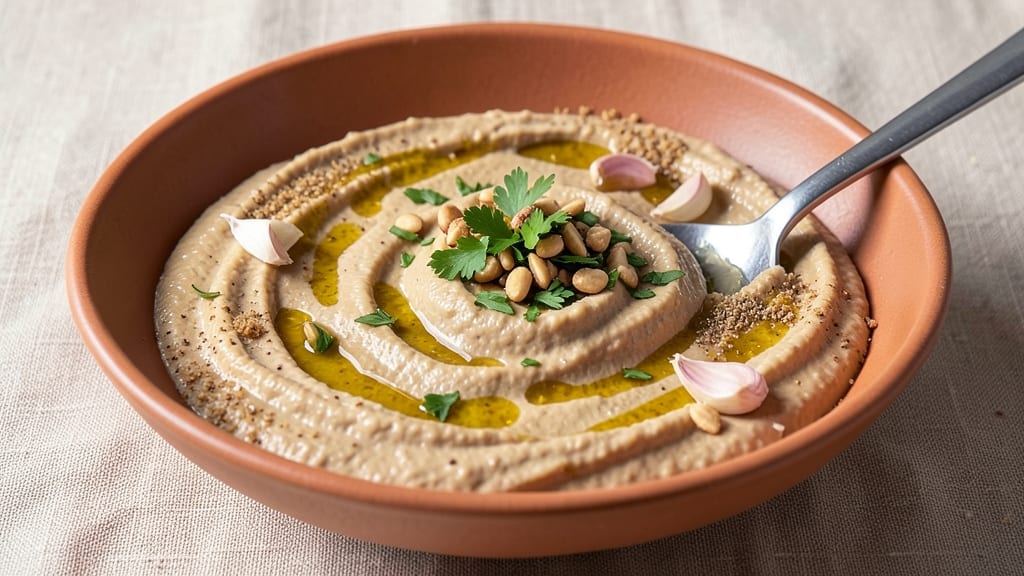
This broad bean hummus recipe transforms humble ingredients into a velvety, vibrant dip with nutty depth and earthy green magic. ✨ Unlike traditional chickpea hummus, broad beans create a naturally creamy texture with a subtle sweetness that pairs beautifully with tahini's richness.
The secret lies in proper preparation—soaking, roasting, or blending raw beans each unlocks different flavor profiles, from smoky caramelized notes to fresh, bright complexity.
What sets this hummus apart is its vegan-friendly versatility and adaptability. The base—blended broad beans, tahini, lemon juice, and garlic—serves as a blank canvas for customization. Add roasted red peppers for smoky warmth, fresh herbs for brightness, or a pinch of smoked paprika for depth.
The blending process is straightforward but critical: pulse until smooth for a refined texture or leave slightly chunky for rustic appeal.
Storage is effortless—this hummus keeps beautifully in an airtight container for up to 5 days in the refrigerator, with flavors deepening over time. Serve it with warm pita, crudité, or as a sandwich spread.
The nutty, earthy profile makes it a standout for plant-based diets, while its creamy texture satisfies even the most discerning palates.
For those new to broad beans, start with 1 can (15 oz) for a test batch—adjust seasoning to taste. The key to success is balancing the beans' natural sweetness with the tahini's richness, ensuring every spoonful delivers that perfect harmony of flavors. Let's get blending!
Ingredients for broad bean hummus
Earthy broad beans meet nutty tahini for a velvety hummus with vibrant depth and subtle sweetness.
| Ingredient | Amount | Notes |
|---|---|---|
| Canned Broad Beans 🌱 | 15 oz | Drained, rinsed, and patted dry |
| Tahini 🥜 | ½ cup | Sesame paste, high-quality preferred |
| Extra-Virgin Olive Oil 🫒 | ½ cup | Light or medium variety |
| Fresh Lemon Juice 🍋 | 3 tbsp | Freshly squeezed, strained |
| Garlic Cloves 🧄 | 3 cloves | Peeled and lightly toasted |
| Ground Cumin 🌿 | ½ tsp | Freshly toasted for aroma |
| Smoked Paprika 🌶️ | ½ tsp | For subtle smoky depth |
| Sea Salt 🧂 | ½ tsp | Diamond Crystal preferred |
| Fresh Parsley 🌿 | ¼ cup | Chopped, for brightness |
| Water 💧 | 2 tbsp | For blending consistency |
The broad beans are the heart of this hummus, so choose high-quality canned beans—look for brands like Crown Prince or Whole Foods Market for the best texture. Fresh broad beans require soaking or roasting, but canned beans save time while delivering consistent results. The tahini should be rich and creamy, not bitter or grainy—Al Yaman or Soom brands are excellent choices. Toast your cumin seeds lightly in a dry pan before grinding to amplify their warm, earthy notes. For smoked paprika, Penzeys offers a superior quality that enhances the hummus's depth without overpowering it.
No tahini? Substitute with 0.25 cup sesame oil plus 0.25 cup neutral oil, though texture will differ. Fresh broad beans? Soak overnight and roast at 400°F for 20 minutes before blending for a caramelized flavor. Short on parsley? Fresh cilantro or dill works equally well. The lemon juice should be freshly squeezed—bottled juice lacks the bright acidity needed to balance the hummus's richness. For a smoother texture, add water gradually while blending, but avoid over-diluting. The hummus's versatility allows for endless variations—roasted red peppers, sun-dried tomatoes, or a pinch of cayenne can transform it into entirely different flavor profiles.
Store this hummus in an airtight container with a thin layer of olive oil on top to preserve freshness and prevent browning. It keeps beautifully in the refrigerator for up to 5 days, with flavors deepening over time. For longer storage, freeze in ice cube trays—thaw and blend with a splash of water to restore creaminess. The hummus's nutty, earthy profile makes it ideal for pairing with warm pita, roasted vegetables, or as a sandwich spread. If making ahead, blend just before serving to maintain optimal texture and brightness.
Why You'll Love This Recipe
- No Chopping Needed: I swear by canned broad beans here—no soaking, no peeling, just drain and blend. The texture’s rich but still silky, like someone did the hard work for you.
- Garlic-Lemon Zing: That fresh lemon juice cuts through the tahini’s nuttiness while the garlic roasts just enough to add depth without overpowering. Honestly, the first bite makes me reach for seconds.
- Game for Any Spread: Slather it on crusty bread, dip veggies, or even dollop it into bowls for a quick lunch. My kids ask for it at soccer practice snacks—proof it’s a crowd-pleaser.
- Lasts All Week: A batch keeps for days in the fridge, and the flavor only gets better as the lemon brightens. Between us, I’ve had this hummus three times this month—budget win.
Step-by-step instructions for earthy broad bean hummus
Transform simple ingredients into velvety hummus with vibrant green color and complex nutty-savory flavors.
👨🍳 Step 1: Toast Garlic and Spices for Depth
Heat a dry skillet over medium heat and add the 3 cloves garlic cloves and 0.5 tsp ground cumin. Toast for 1-2 minutes until the garlic turns golden and releases its aroma—you'll smell it before you see it. Immediately transfer to a small bowl and let cool for 5 minutes.
Next, add the 0.5 tsp smoked paprika to the same skillet and toast for 30 seconds until fragrant. This quick toasting enhances the spices' flavors without burning them. The toasted garlic and spices will form the aromatic base of your hummus, creating that irresistible depth that sets it apart from traditional chickpea versions.
🍳 Step 2: Blend the Base Ingredients
In a food processor, combine the 15 oz drained broad beans, 0.5 cup tahini, 0.5 cup extra-virgin olive oil, 3 tbsp fresh lemon juice, toasted garlic and spices, and 0.5 tsp sea salt. Process on high speed for 3-4 minutes until completely smooth, scraping down the sides as needed.
At this stage, you're building the hummus's texture and flavor foundation. The broad beans break down into a creamy consistency, while the tahini adds richness and the lemon juice brightens the earthy flavors. If the mixture seems too thick, add the 2 tbsp water gradually—just a few drops at a time—to reach a spreadable consistency without making it watery.
🥘 Step 3: Create the Signature Green Color and Texture
Transfer the blended mixture to a serving bowl. Using a spatula, gently fold in the 0.25 cup chopped fresh parsley until evenly distributed. The parsley not only adds vibrant green color but also introduces a fresh, slightly peppery note that balances the richness.
For the perfect finish, drizzle the surface with an additional 1-2 tablespoons extra-virgin olive oil and sprinkle with extra sea salt and smoked paprika to taste. This final touch creates visual appeal while enhancing the flavor profile. The hummus should have a velvety texture with just enough body to hold its shape when scooped, yet still be smooth enough to spread effortlessly.
⏰ Step 4: Rest and Serve for Optimal Flavor
Cover the hummus and let it rest at room temperature for 30 minutes before serving. This resting period allows the flavors to meld and the texture to develop fully. The hummus will thicken slightly as it sits, which is ideal for serving with warm pita bread or crisp vegetables.
For best results, serve immediately after resting. The flavors will continue to evolve over the first hour, reaching their peak when the hummus is at room temperature. Store any leftovers in an airtight container in the refrigerator for up to 5 days, but bring to room temperature before serving again to restore its optimal texture.
Pro Tips For Making Broad Bean Hummus
- DRAIN AND RINSE BEANS: Canned broad beans often come packed in salty water—skip the quick rinse and you’ll end up with hummus that tastes like a pickle. Give them a thorough cold-water bath for 30 seconds, even if the label says "low-sodium." The extra effort keeps your hummus bright and balanced.
- ROAST THE GARLIC: Raw garlic in broad bean hummus can taste harsh and overpowering. Lightly roast 2-3 cloves (skin on) in olive oil at 375°F (190°C) for 10-12 minutes until soft and golden. Peel them warm—they’ll slide right off—and blend right into the tahini for a nutty, mellow depth.
- PULSE DON’T BLEND: Broad beans break down into a thick, grainy paste if you puree them too long. Pulse in short bursts—3-4 seconds on, 5 off—until mostly smooth but still holding texture. This keeps the hummus from turning into a gluey mess, especially if you’re using tahini that’s thicker than usual.
- LEMON JUICE LAST: Add the lemon juice after the tahini and oil, not at the start. The acid reacts with the tahini’s fats and can turn it bitter if mixed too early. A splash (about 1 tablespoon) at the end brightens the hummus without wrecking the tahini’s rich flavor. Taste as you go—broad beans are mild, so don’t skimp.
Regional styles of broad bean hummus
Mediterranean Twist
In Mediterranean regions like Greece and Turkey, broad beans are a staple, and this hummus gets a bright, herby upgrade. Add 1 tbsp dried oregano and 1 tbsp lemon zest to the blend for a citrusy, aromatic kick.
Serve with warm pita and grilled halloumi cheese for a balanced, protein-rich spread that’s perfect for mezze platters. The oregano enhances the tahini’s nutty notes while the lemon zest brightens the earthy beans. 🌿
Middle Eastern Smoky Depth
For a smoky, robust flavor inspired by Levantine cuisine, roast the broad beans before blending. Spread 15 oz drained beans on a baking sheet and roast at 400°F for 20 minutes until caramelized. Blend with 1 tsp harissa paste and ½ tsp ground coriander for a bold, spicy-sweet hummus.
Pair with warm lavash bread and roasted eggplant for a restaurant-quality dip. The harissa adds heat, while the coriander rounds out the smoky depth. 🌶️
Italian Rustic Style
In Italy, broad beans (called fave) shine in rustic spreads. Replace smoked paprika with ½ tsp red pepper flakes and add 2 tbsp chopped fresh basil for a Tuscan-inspired twist. Drizzle with extra-virgin olive oil and serve with crusty bread and marinated artichokes.
The basil’s sweetness complements the beans’ earthiness, while the red pepper flakes add a subtle kick. This version is lighter but equally vibrant. 🍅
North African Spiced
For a Moroccan-inspired hummus, blend in ½ tsp ground cinnamon and ¼ tsp ground ginger alongside the cumin. Add 1 tsp sweet paprika for warmth and top with toasted pine nuts for crunch. Serve with warm msemen bread and roasted carrots.
The cinnamon and ginger create a warm, aromatic profile that’s both familiar and exotic. The pine nuts add texture, making it a standout dip. 🌟
Modern Fusion Twist
Elevate your hummus with a modern fusion touch: blend in 2 tbsp tahini-infused olive oil (mix ½ cup olive oil with 1 tbsp tahini and set aside) and 1 tsp miso paste for umami depth. Garnish with crispy fried shallots and a sprinkle of flaky sea salt.
This version bridges Middle Eastern and Japanese flavors, perfect for pairing with sushi-grade fish or crispy tofu. The miso adds a savory complexity that’s unexpected yet harmonious. ✨
Nutrition facts
Frequently asked questions
What makes broad bean hummus different from chickpea hummus?
Broad bean hummus has a naturally creamy, velvety texture with a subtle sweetness that chickpeas lack. The beans blend into a smoother consistency while adding an earthy depth, and they pair beautifully with tahini's nutty richness. The result is a lighter, more delicate flavor profile perfect for those who prefer less heaviness than traditional chickpea hummus.
Can I use fresh broad beans instead of canned?
Yes! Fresh broad beans require soaking overnight to soften, then roasting at 400°F for 20 minutes to develop caramelized flavor. This method adds smoky depth that canned beans can't match. For best results, peel the beans after roasting before blending. Fresh beans also yield a slightly firmer texture, which works well for chunky hummus styles.
How do I fix hummus that's too thick or too thin?
For thick hummus, add 1 tsp water at a time while blending until smooth. If too thin, stir in 1 tbsp tahini or olive oil to restore creaminess. The key is gradual adjustments—adding too much liquid at once can make it watery, while too much tahini can make it grainy. Always taste as you go!
Is broad bean hummus safe for people with nut allergies?
This recipe is nut-free except for the tahini, which contains sesame seeds. For a completely nut-free version, substitute tahini with 2 tbsp olive oil plus 2 tbsp ground chickpeas (blended into a paste). Always check tahini labels for cross-contamination warnings if severe allergies are a concern.
Can I make this hummus ahead of time?
This hummus actually tastes better after 24 hours as flavors meld. Store in an airtight container with a thin layer of olive oil on top to preserve freshness. For best texture, bring to room temperature before serving. The flavors deepen over time, making it perfect for meal prep or entertaining.