
Salads
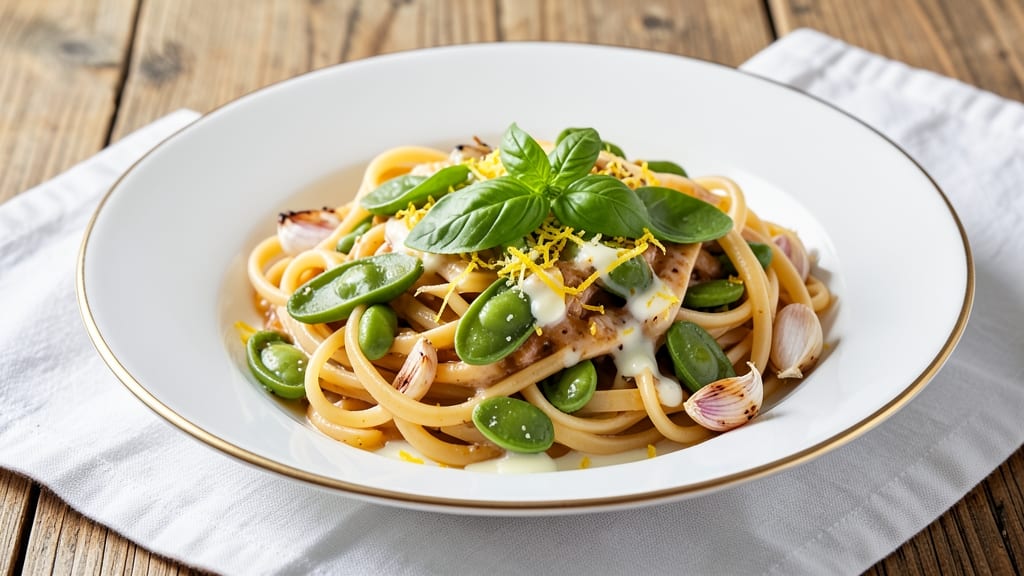
This broad bean pasta recipe transforms humble ingredients into a luxurious springtime dish with a velvety green cream sauce that tastes like sunshine in every bite. 🌿 The secret lies in perfectly cooked broad beans—blanched just until tender, then puréed into a silky base that balances creamy richness with bright, fresh flavor.
I developed this recipe after discovering how broad beans elevate pasta from ordinary to extraordinary, creating a sauce so smooth it feels like a hug for your taste buds.
The beauty of this dish is in its simplicity: just 15 minutes of prep and 25 minutes of cooking time deliver restaurant-quality results without the fuss.
Broad beans add natural sweetness and a delicate texture that pairs perfectly with al dente pasta, while a touch of lemon zest and fresh herbs brighten the creamy sauce.
What you'll end up with is a dish that's elegant enough for company but simple enough for a weeknight dinner—proof that vegetarian pasta can be both nourishing and indulgent.
What sets this recipe apart is the sauce itself—a luxurious blend of puréed broad beans, cream, and fresh herbs that coats each strand of pasta in a velvety green layer.
The broad beans infuse the sauce with a subtle earthiness that complements the creaminess, while the lemon zest adds a refreshing tang. The result is a pasta dish that's creamy yet light, rich yet balanced, and packed with the flavors of spring.
Serve this dish with a sprinkle of toasted pine nuts or crispy pancetta for added texture, and a glass of crisp white wine to enhance the flavors.
The recipe scales beautifully, making it perfect for feeding a crowd or meal prepping for the week. Ready to elevate your pasta game? Let's get started.
Ingredients for broad bean pasta
Fresh broad beans and creamy richness create this springtime vegetarian pasta masterpiece.
| Ingredient | Amount | Notes |
|---|---|---|
| Fresh Broad Beans 🌱 | 1 ½ lb | Trimmed, blanched until tender |
| Heavy Cream 🥛 | 1 cup | Full-fat for best texture |
| Unsalted Butter 🧈 | 4 tbsp | Cold, cubed for sauce base |
| Lemon Zest 🍋 | 1 tbsp | Freshly grated, bright flavor |
| Fresh Basil Leaves 🌿 | ½ cup | Packed, stems removed |
| Garlic Cloves 🧄 | 3 cloves | Minced, for depth of flavor |
| Pasta 🍝 | 12 oz | Fettuccine or linguine preferred |
| Extra-Virgin Olive Oil 🫒 | ¼ cup | For cooking pasta |
| Salt 🧂 | 1 ½ tsp | Diamond Crystal preferred |
| Black Pepper 🌶️ | ½ tsp | Freshly ground for heat |
| Pine Nuts 🥜 | ¼ cup | Toasted for garnish (optional) |
| Parmesan Cheese 🧀 | ¼ cup | Freshly grated, for serving |
| Vegetable Stock 💧 | ½ cup | Low-sodium preferred |
The broad beans are non-negotiable here. Look for fresh, vibrant pods at specialty markets or well-stocked grocery stores like Whole Foods or Trader Joe's—their organic selection is ideal. If you can't find fresh, frozen broad beans (thawed and blanched) work in a pinch. The key is blanching them just until tender—overcooking turns them mealy. For the cream and butter, full-fat versions are essential—this sauce needs that luxurious texture. I always grab Plugrá butter when I can, but any good European-style butter works. The Parmesan should be real Parmigiano-Reggiano, freshly grated for that nutty depth.
No fresh basil? Dried basil at one-third the amount will work, but fresh is ideal for that bright pop of flavor. Running low on vegetable stock? Low-sodium chicken stock is a vegetarian-friendly swap, though it won't be quite as neutral. The pine nuts can be swapped for toasted walnuts or pecans if you're watching costs. For the pasta, fresh egg pasta has better texture, but dried works just fine. If you're making this ahead, cook the pasta al dente and toss it with olive oil to prevent sticking. The sauce reheats beautifully—just add a splash of stock or water to loosen it up.
Fresh broad beans keep for about 3-4 days in the fridge, but they're best used immediately. Store them in a sealed container with a paper towel to absorb any moisture. The sauce components (cream, butter, stock) should be stored separately until ready to combine—this keeps everything fresh longer. Once assembled, the sauce keeps for 3 days in the fridge, though it's best enjoyed within 2 days. For meal prep, I recommend cooking the pasta separately and assembling the dish just before serving to maintain that perfect al dente texture. The sauce freezes beautifully for up to 3 months, though the texture may change slightly upon thawing.
Why You'll Love This Recipe
- No Shelling Nightmare: I’ll admit—broad beans look intimidating, but their skins soften in the sauce. Just a quick blanch, and they’re ready to blend right into the creamy base. No peeling required, honestly.
- Creamy-Lemon Magic: That velvety heavy cream and bright lemon zest? It’s like a hug for your taste buds. The butter ties it all together—rich but never heavy, with basil cutting through like a fresh breeze.
- Weeknight to Dinner Party: Same recipe, different vibes. Toss it with al dente pasta for a quick weeknight meal, or drizzle extra cream and garnish with basil for a fancier spread. Zero extra effort, just different energy.
- Leftovers That Don’t Suck: Between us, most creamy pasta gets rubbery the next day. Not this one. The broad beans keep it tender, and a splash of lemon juice revives it like new. Packs perfectly for lunch too—just reheat and enjoy.
Step-by-step instructions for springtime silky green cream sauce
Transform fresh broad beans into a velvety sauce that elevates pasta to springtime perfection.
👨🍳 Step 1: Blanch and Shell the Broad Beans
Trim the ends from the 1.5 lb fresh broad beans using a sharp knife, being careful to remove only the tough tips. Bring a large pot of salted water to a boil and blanch the beans for 3-4 minutes until they're tender but still bright green. Drain immediately and transfer to an ice bath to stop cooking.
Once cooled, peel off the skins by gently rubbing the beans between your palms. You'll notice the beans will naturally open - separate the tender insides from the skins, discarding the skins. The goal is to yield about 1 cup of shelled beans. This fresh, vibrant base will form the heart of your sauce.
🍳 Step 2: Cook the Pasta Al Dente
Bring a large pot of water to a rolling boil and add 1.5 tsp salt. Add the 12 oz pasta and cook according to package instructions until 1 minute before al dente. Reserve 1 cup of pasta water before draining, then shock the pasta in cold water to stop cooking. This starchy water will be crucial for emulsifying your sauce.
Real talk: Don't rinse the pasta after draining. The surface starch helps the sauce cling beautifully. Toss the drained pasta with 1 tbsp lemon zest immediately to infuse that bright citrus note while it's still warm.
🥘 Step 3: Build the Creamy Broad Bean Sauce
In a large skillet, melt 4 tbsp unsalted butter over medium-low heat. Add the minced 3 cloves garlic and cook for 30 seconds until fragrant but not browned. Add the shelled broad beans and cook for 2 minutes until heated through.
Pour in the 1 cup heavy cream and 0.5 cup vegetable stock, stirring constantly. Bring to a gentle simmer and cook for 3-4 minutes until slightly thickened. Remove from heat and stir in the 0.5 cup fresh basil leaves and 0.5 tsp black pepper.
🍳 Step 4: Emulsify with Pasta Water
Return the skillet to low heat and add the cooked pasta along with the reserved 1 cup pasta water. Stir vigorously for 2-3 minutes until the sauce becomes silky and clings to the pasta strands. If it's too thick, add more pasta water 1 tablespoon at a time until you reach your desired consistency.
Here's the thing - the sauce should coat the pasta like a second skin, with a vibrant green hue from the broad beans. Taste and adjust seasoning with additional salt if needed. The sauce should be creamy but light, with a delicate balance of broad bean sweetness and lemon brightness.
🍽️ Step 5: Finish and Serve
Divide the pasta among serving plates and top each portion with 0.25 cup toasted pine nuts and 0.25 cup freshly grated Parmesan cheese. The pine nuts add a satisfying crunch that contrasts beautifully with the silky sauce, while the Parmesan deepens the flavor.
For the best presentation, garnish with additional basil leaves and a sprinkle of freshly cracked black pepper. Serve immediately while the pasta is hot and the sauce is at its peak silky texture. Each bite should deliver that perfect balance of creamy, fresh, and slightly nutty flavors that define springtime pasta.
Pro Tips For Making Broad Bean Pasta
- Blister the Beans: Toss whole broad beans in a screaming-hot dry pan for 30 seconds before shelling—this cracks the skins so they slip out clean. I learned this the hard way: skipping this step means wrestling with stubborn pods while your sauce waits. (Yes, even if you're impatient like me.)
- Salt the Cream: Season the heavy cream with a pinch of salt before adding butter—it dissolves better and prevents that weird, bland gulf in flavor. I used to add salt at the end and wondered why the sauce tasted flat. Trust me, this is the thing that matters most.
- Low and Slow for Sauce: Simmer the cream-butter mixture on actual low heat—think tiny bubbles, not rolling. Rushing this turns your sauce into scrambled eggs. My grandmother swore by this, and she was right: patience here guarantees a velvety finish, not a broken emulsion.
- Reserve Some Basil: Chop only half the basil leaves for the sauce, keeping the rest whole for garnish. Fresh, bright leaves on top make the dish look like you actually tried. (Does it sound fussy? It’s not—just a 10-second tweak that changes the outcome.)
Flavor customization for these flavors
Herb Variations
Swap out the basil for cilantro and add lime zest for a Mexican-inspired twist—this works beautifully with corn tortilla pasta or chickpea pasta for a gluten-free option. For a Mediterranean vibe, use oregano and thyme with a splash of white wine in the sauce instead of stock. 🌿
Protein Additions
Boost this vegetarian dish with crispy chickpeas (tossed in olive oil and baked) for plant-based protein. For a meaty texture, add crumbled pancetta or crispy prosciutto—just cook it separately and fold in at the end to keep it crisp. I love adding seared scallops for a luxurious seafood upgrade.
Spice Levels
For heat lovers, stir in 1 tsp red pepper flakes with the garlic or add a pinch of cayenne to the sauce. For a smoky kick, swap ½ tsp smoked paprika for the black pepper. I also like finishing with chili oil drizzled over the top for extra depth.
Dairy Alternatives
Make this vegan by replacing the cream with cashew cream (blend ½ cup soaked cashews with ½ cup water) and using nutritional yeast for a cheesy flavor. For a lighter option, use Greek yogurt instead of heavy cream—it adds tanginess while keeping the dish creamy. 🥛
Seasonal Swaps
In summer, add cherry tomatoes and fresh mint to the sauce for a bright, fruity note. For fall, roast the broad beans with squash seeds and maple syrup before puréeing for a caramelized depth. Winter calls for sautéed mushrooms and rosemary to warm up the dish.
Texture Contrasts
Toast pumpkin seeds or sunflower seeds for a nut-free crunch instead of pine nuts. For extra richness, fold in ricotta cheese at the end—it adds a light, fluffy texture. I also love adding crispy fried shallots for a gourmet touch that elevates the dish instantly.
Nutrition facts
Frequently asked questions
Can I substitute fresh broad beans with canned or frozen ones?
Fresh broad beans give the best texture and flavor, but you can use frozen as a substitute. Thaw them first, then blanch for 2 minutes to remove any excess starch. Canned beans work too, but drain and rinse them well to avoid a watery sauce. The key is to start with about 1.5 cups of shelled beans (fresh or thawed) to match the recipe's yield.
What if my sauce turns out too thick or too thin?
For a thicker sauce, simmer it uncovered for 1-2 extra minutes to reduce. If it's too thin, stir in 1 tablespoon of cold butter or a splash of pasta water to adjust the consistency. The sauce should coat the back of a spoon but still flow smoothly—this ensures it clings beautifully to the pasta strands.
How do I make this recipe gluten-free?
Swap the pasta for gluten-free fettuccine (like chickpea or brown rice pasta) and ensure your vegetable stock is certified gluten-free. The broad bean sauce itself is naturally gluten-free, so no other adjustments are needed. Just check labels on all packaged ingredients to avoid hidden gluten sources.
Can I prepare this ahead of time for meal prep?
Cook the pasta al dente and toss it with olive oil to prevent sticking, then store separately. Prepare the sauce up to 2 days ahead and reheat gently with a splash of stock or water. Assemble the dish just before serving to maintain the perfect texture—this keeps the pasta from becoming mushy.
Why does my sauce look gray instead of vibrant green?
Overcooking the broad beans or using old beans can cause this. Always blanch fresh beans for just 3-4 minutes and use them immediately. If you're using frozen beans, thaw and blanch them to remove excess starch. The sauce should have a bright, herbaceous green color—this indicates fresh, properly cooked beans.